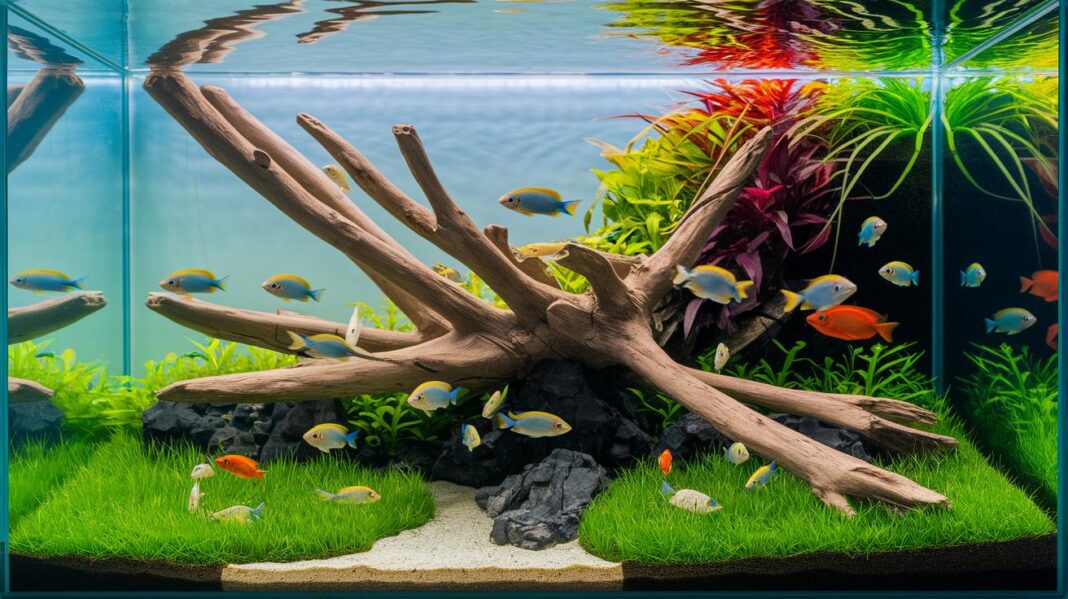

Have you ever noticed how a simple piece of driftwood can add a touch of magic to your aquarium? When you drop a little driftwood into your tank, you create cozy hideaways and natural corners that make your fish feel safe and happy. It’s like each piece of wood tells its own little story, turning a plain display into a charming underwater retreat. Dive in to discover how these humble wood pieces can bring a whole new life to your aquatic world.
driftwood aquascaping fundamentals
Aquascaping is all about putting together a lively underwater scene. You mix driftwood, rocks, and different substrates to create a natural view that feels almost like a miniature rainforest or island. Driftwood, with its unique shapes and cracks, instantly turns your tank into a dynamic home where fish can explore, hide, and thrive.
When you pick driftwood for your aquarium, it's important to choose types that are safe for your fish. Some great options include:
- Azalea wood
- Spider wood
- Tiger wood
- Mopani wood
- Manzanita wood
- Redmoor wood
- Sumatra wood
- Malaysian driftwood
These woods are loved by aquarists because they come in many shapes and textures, and they don't harm the water when you prepare them right. For example, Tiger wood is popular for its sturdy, tree-like look that creates cozy hideaways, while Manzanita wood stands out with its bright colors and durability.
Getting your driftwood ready is a simple yet essential step. Start by washing off any dust with water and a soft brush, which helps clear away loose dirt. Next, soak the driftwood in fresh water for a few days. This soaking reduces the tannins that can tint your water. If you’re in a hurry, boiling the wood for one to two hours can sterilize it and speed up the process, ensuring it’s safe for long-term use.
Overall, this approach to aquascaping blends natural beauty with practical care. It helps you create a calm, healthy environment where your aquatic friends can feel right at home.
Selecting driftwood types for aquascaping
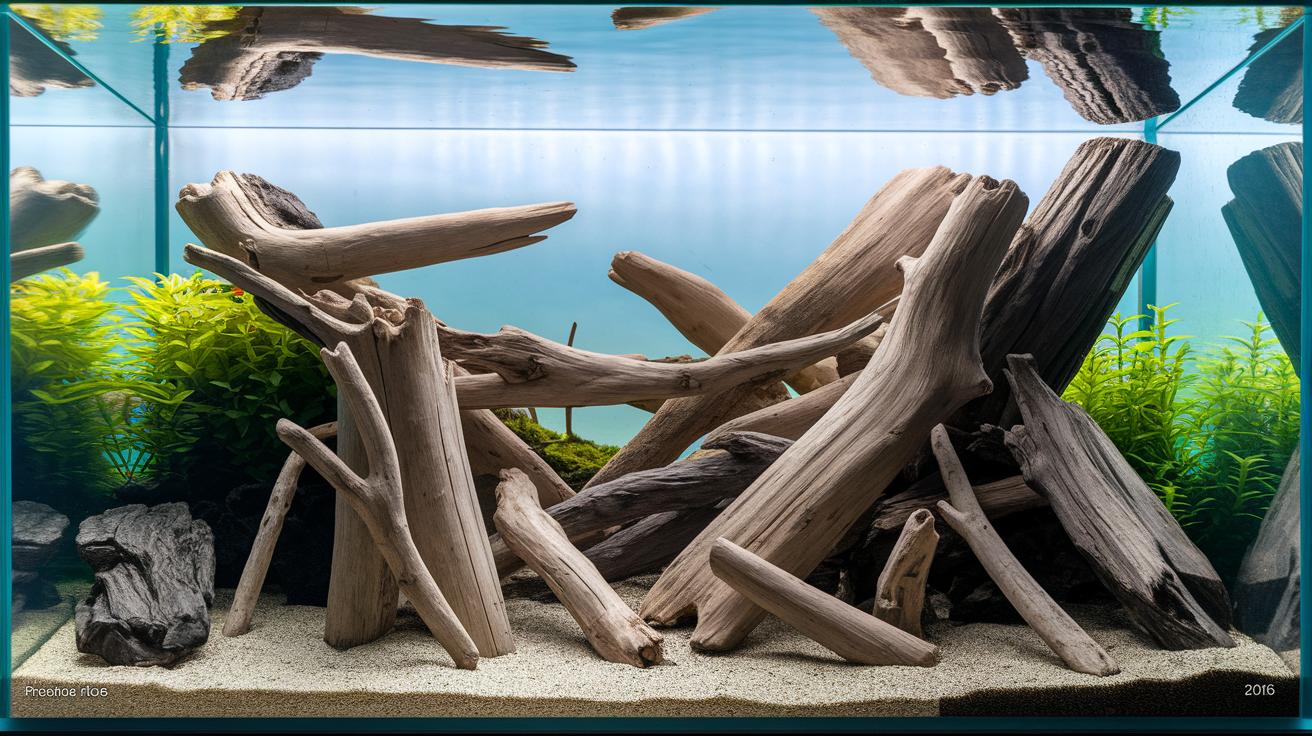
Tiger Wood is a real treat for your tank. It comes in little pieces from 3.5 to 12 inches and bigger chunks that are about 19.5 to 23.5 inches long. This wood gives your fish cozy hideaways and snug shelters. Imagine a piece that twists like a lively branch, just the perfect playful nook for your aquatic friends.
Manzanita is another great choice. Its bumpy surface and warm color tones make it eye-catching. Plus, it is non-toxic and stands up well over time, adding a refined, natural charm much like a tiny piece of underwater art.
Dragon Driftwood has size choices similar to Tiger Wood, with small bits between 3.5 and 12 inches and larger pieces from 19.5 to 23.5 inches. However, its porous nature means it might let out substances that affect water quality if you don’t treat it properly. In contrast, Malaysian Driftwood comes in three sizes: small (4 to 9 inches), medium (9 to 14 inches), and large (14 to 20 inches). It needs a good curing process to be safe.
Spider Wood is impressive with its twirly, root-like branches that quickly grow a thin film. This biofilm can even serve as a little snack for shrimp and other tiny critters. And then there is Bonsai Driftwood, which is carefully crafted to form neat, miniature shapes, all made without any harmful chemicals.
Preparing driftwood for aquarium use
If you've already got your aquascaping basics down, here are some extra tips to make your driftwood even happier in your tank. Each type of wood has its own little quirks.
For hefty pieces like Mopani or Malaysian, a simple soak in fresh water usually does the trick. Lighter driftwood can be a bit fussy, so it might help to tie it down with rock anchors or plastic mesh ties until it gets soaked enough to sink on its own.
When you decide to boil your driftwood, keep it short, just one or two hours for the delicate ones. Overdoing it can weaken the wood, so think of boiling as a quick warm-up rather than a long cook.
Another neat trick is to change out the soak water every couple of days. This slow rinse helps wash away the tannins without keeping the wood submerged for too long. For example, swapping the water every two days during a week-long soak gives you a driftwood base that's cleaner and ready to shine in your aquarium.
driftwood aquascaping: Inspiring aquarium charm

Designing an aquascape with driftwood is like creating an underwater painting. Try using the rule of thirds by placing your driftwood a little off to the side. Imagine a sturdy log resting at the edge, drawing the eye and leaving plenty of water for other natural wonders.
Mix driftwood with different rocks such as Seiryu Stone, Dragon Stone, or Pagoda Stone. This combo can remind you of a rainforest or a tiny island hideaway. Place the rocks around the driftwood so they create natural movement and add depth, kind of like arranging pieces in a meaningful picture.
Plan the angles and overlaps so that the branches seem to guide a soft, watery flow through your aquascape. Grouping driftwood with rock formations can form gentle slopes in your substrate, offering a variety of textures that bring out the natural charm of your setup.
Experiment with layering your elements carefully, making sure each piece has its own place. The mix of driftwood and stones creates a peaceful, balanced underwater scene that feels both planned and wild. Enjoy the process, and think about how calming a thoughtfully designed aquarium can be.
Integrating plants with driftwood aquascapes
Driftwood is more than just a pretty decoration in your aquarium; it’s like a natural stage for your underwater garden. Imagine Spider Wood with its branch-like roots that quickly develop a delicate film. This film isn’t just there for show, it becomes a little feast for shrimp and other small critters, making your tank come alive.
When you set up your aquarium, choosing driftwood that already has live plants attached can save you some hassle. These pre-planted pieces bring a burst of green right away, making your tank instantly inviting. Take Bonsai Driftwood, for example. Its smooth, chemical-free surface gives just the right grip for plants like anubias or Java Fern, allowing their roots to spread out comfortably.
To let your aquatic garden flourish, try placing the driftwood where it gets lots of light and a gentle water flow. This helps keep every corner of your tank bright and encourages the plants to grow strong. And if you’re keen on adding more lushness, pairing it with other underwater plants can help create a balanced, thriving setup.
Maintaining driftwood aquascapes: care and longevity
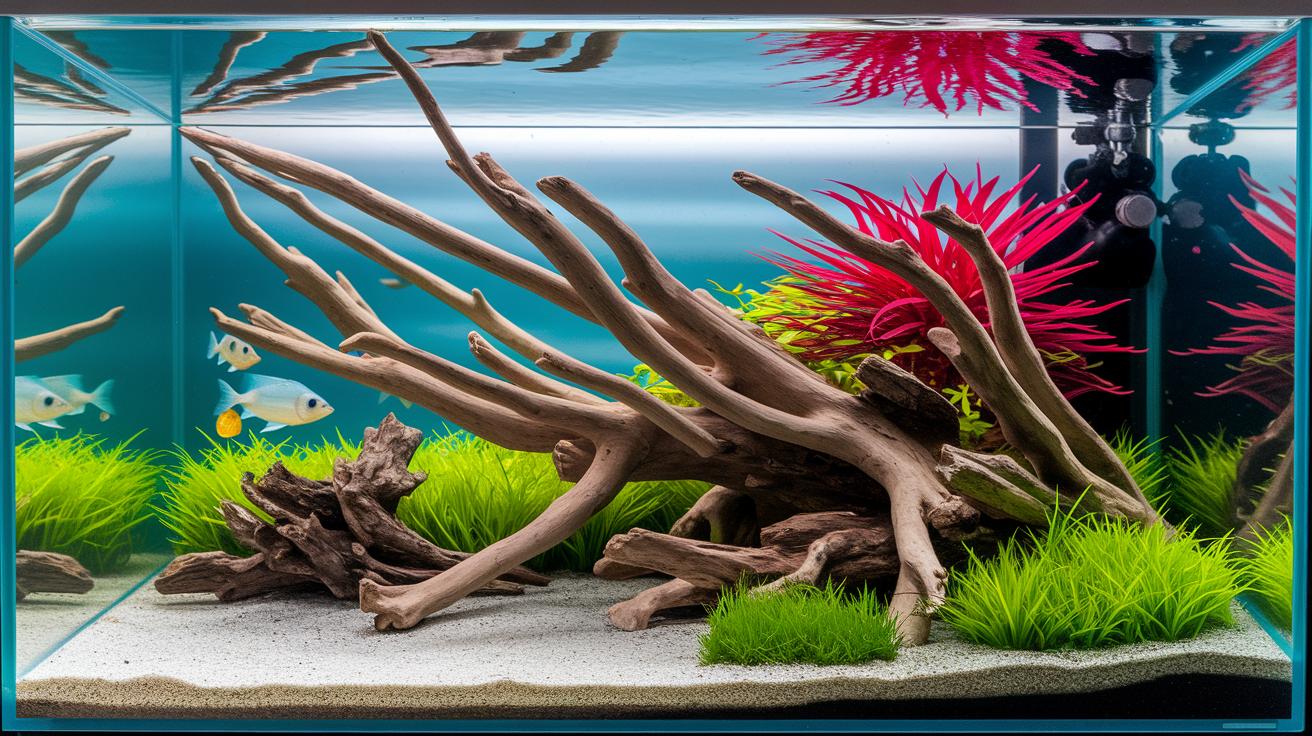
Driftwood is a natural beauty in your tank, but it does release tannins that can slowly tint your water brown. These tannins usually fade on their own over a few weeks or months. Still, taking a few simple steps, like using activated carbon in your filter to catch extra tannins, can help keep your tank sparkling. You might also consider doing a partial water change, about 10 to 20%, to refresh your water and wash away any unwanted color.
Take some time every now and then to give your driftwood a good look-over. If you notice soft spots or a bit of fuzzy fungal growth, it could be a sign that the wood is breaking down. When that happens, swapping out the driftwood within a 2 to 5 year period might be a good idea so your aquascape stays strong and your water remains clear.
It’s a smart move to stick to a care routine that checks both your water quality and the condition of your driftwood. This regular check-up keeps your underwater world looking fresh and makes sure your fish have a healthy home. And remember, untreated reptile wood could carry some extra risks, so it’s best to steer clear of that.
Think of these care steps as routine check-ups, much like you’d give a cherished plant. A quick weekly peek can help catch small issues early, ensuring your driftwood stays a wonderful centerpiece in your underwater scene for years to come.
Final Words
In the action, we explored how driftwood aquascaping brings a natural look to any tank. We reviewed safe driftwood types and simple ways to clean, cure, and position these pieces for eye-catching displays.
Every step, from preparing your wood decor to integrating plants and maintaining a healthy aquatic space, adds style and function to your aquarium.
Remember, a little care goes a long way in perfecting your driftwood aquascaping. Enjoy creating your vibrant underwater world!
FAQ
Where can I find driftwood aquascaping for sale?
The driftwood aquascaping for sale means searching for local aquarium shops or online retailers that offer pre-curated driftwood pieces and setups, ensuring they’re properly washed and cured for safe use in your aquarium.
What is Manzanita Driftwood?
The Manzanita driftwood is known for its textured surface, attractive color, and resistance to decay underwater, making it a safe and appealing wood choice for natural tank designs.
What defines a good driftwood aquascaping setup?
The driftwood aquascaping setup involves arranging cleaned and cured driftwood to create a natural tank scene. It emphasizes balance, focal points, and harmony with other elements like rocks and plants.
How do I find driftwood aquascaping near me?
The search for driftwood aquascaping near me suggests checking local aquarium stores, garden centers, or online community postings where regional suppliers and enthusiasts often share offerings and advice.
What are some driftwood aquascape ideas?
The driftwood aquascape ideas include combining driftwood with rocks to mimic a natural island or rainforest scene, using varied shapes to lead the eye and create depth in your aquarium layout.
How does aquascaping with driftwood and rocks work?
The aquascaping with driftwood and rocks involves merging these two elements to form textured, visually appealing aquariums, where wood provides natural curves and rocks add contrast and structure.
What qualifies as extra large driftwood for an aquarium?
The extra large driftwood for aquariums typically refers to sizable pieces measuring around 14 to 23 inches, offering a dramatic focal point while providing shelter and visual interest for your aquatic pets.
What makes Malaysian driftwood a popular choice?
The Malaysian driftwood is popular due to its natural beauty, range of sizes, and reliable performance in aquascapes when it is properly cured, making it an attractive option for creating diverse layouts.
What kind of driftwood is best for aquascaping?
The kind of driftwood for aquascaping includes safe types such as Manzanita, Tiger, Spider, and Malaysian wood, all chosen for their durability, non-toxicity, and unique appearance when prepped correctly.
How long should I soak driftwood before placing it in my aquarium?
The soaking duration for driftwood usually lasts several days or weeks to leach out tannins; boiling for 1–2 hours can also speed up the curing process, making the driftwood safer for your aquarium.
Is it okay to put driftwood in an aquarium?
The driftwood is okay to put in an aquarium when it’s been thoroughly cleaned, cured, and properly prepared to prevent unwanted tannins or contaminants that could harm your aquatic environment.
Why does driftwood often come with a higher price tag?
The driftwood’s expense reflects its quality, size, and uniqueness, along with the effort required for proper curing and preparation, which ensures it is safe and visually pleasing in your aquascape.