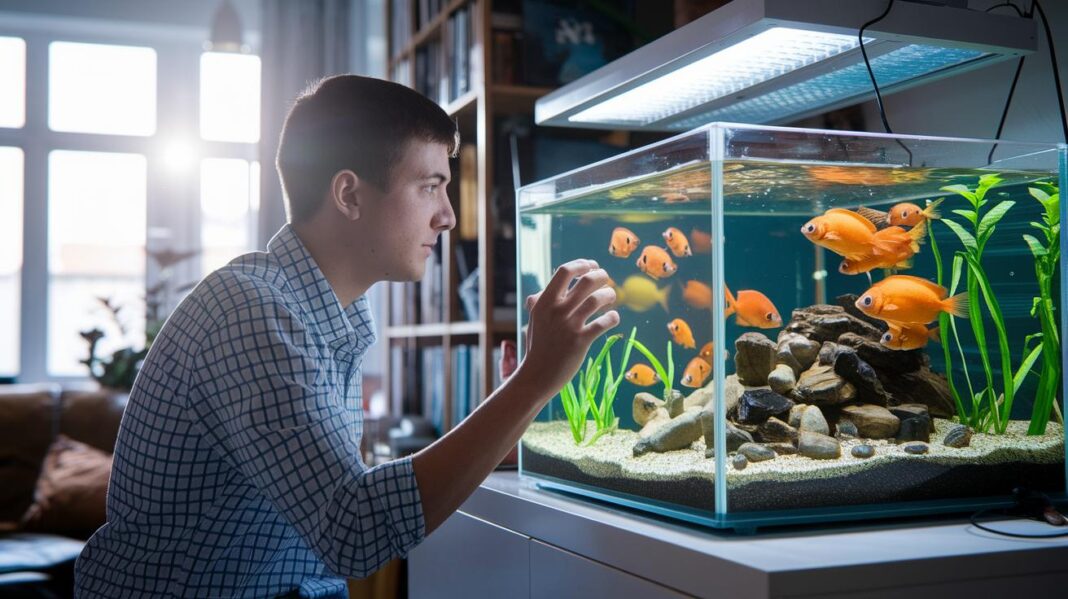

Have you ever looked at your fish tank and thought something just wasn’t right? Even small changes in the water can rock your whole setup.
It’s a bit like checking your favorite gadget. When you see cloudy water or notice your fish acting strangely, it’s a little hint that something might be off.
This guide walks you through easy steps to inspect your tank so your aquatic friends can keep thriving every day.
Step-by-Step Troubleshooting Guide for Common Fish Tank Maintenance Issues
Taking care of your fish tank can be as soothing as watching gentle ripples on a calm pond. Imagine inspecting your tank like you would check your favorite gadget, if you see cloudy water or notice a change in temperature, it's a little nudge that something might be off.
When things start to look different, take a moment and observe: Do you see extra debris or are your fish behaving in unusual ways? These clues, like watching the soft murmur of water over smooth stones, help you figure out when a filter isn’t working right or when the water has shifted slightly.
Here’s a simple checklist to keep your underwater world thriving:
- Look around and spot signs like cloudy water, scattered debris, or fish acting oddly.
- Check your water by testing for things such as ammonia, nitrite, pH, and temperature so you know exactly what’s happening.
- Think about what could be causing the change. It might be an underperforming filter, changes in feeding, or even buildup from debris.
- Fix the issue by doing something specific like cleaning your filter or tweaking your feeding schedule.
- Set up a regular routine for maintenance so that your tank stays healthy and happy over time.
By following these steps, you create a solid routine that keeps your tank in great shape. Watching the little signs and testing your water makes it easier to act quickly when needed. Managing your aquarium becomes less about sudden surprises and more about steady care, like enjoying the peaceful flow of a well-tended stream.
Troubleshooting Fish Tank Water Quality Issues

Keeping an eye on your tank's water every now and then can help your fish flourish. If you notice that the water turns cloudy, takes on a reddish tint, or suddenly changes its chemical balance, it might be a sign that something isn't right beneath the surface.
Regularly testing for ammonia, nitrites, and nitrates is like giving your fish a quick health check. You typically want ammonia and nitrites to be 0 parts per million, while nitrates should stay below 20 ppm. This simple test can catch issues early, almost like a friendly reminder to check if that algae buildup is causing harm.
It also helps to use reliable testing techniques and keep an eye out for any floating particles. Even small changes in the water can mean trouble, like a sudden burst of bacteria or extra nutrients floating around, which could stress your underwater pals.
- Cloudy water: could mean a burst of bacteria from extra debris.
- Red or rust-colored water: might signal tannins or dissolved iron in the water.
- Frequent ammonia spikes: often point to overfeeding or a filter that isn’t doing its job.
- Unstable pH levels: may be caused by high CO2 or decaying materials.
- Suspended particles: are usually bits of food or waste that haven’t settled.
| Water Issue | Common Causes |
|---|---|
| Cloudy Water | Bacterial bloom from extra debris |
| Red/Rust-Colored Water | Tannins or dissolved iron from decaying plant matter |
| Ammonia Spikes | Overfeeding and inadequate filtration |
| Unstable pH | High CO2 levels or decaying debris |
Troubleshooting Algae Growth in Fish Tanks
If your aquarium water is turning green, it means tiny algae are partying too hard, fed by extra nitrates and phosphates. This murky scene can upset your fish and cloud their home.
- Gently scrape off the algae from the tank walls to clear away the buildup.
- Use a vacuum to clean the substrate, washing away nutrient-rich debris.
- Cut down the lighting to about 8–10 hours a day so the algae slow their dance.
- Add live plants, they naturally compete with algae for nutrients.
- Keep your decorations clean to stop algae from hitching a ride on surfaces.
- Tweak your feeding routine to reduce extra nutrients that feed the algae.
Taking care of your aquarium is a bit like tending a small garden. A little scraping here, a careful vacuum there, and a mindful control of light can all work together to keep your tank clear. Plus, those lively plants add beauty and help naturally balance the nutrients. Ever notice how calming it feels when your fish swim in crystal-clear water? It’s a simple recipe that keeps both your tank and your fish thriving.
Troubleshooting Aquarium Filter and Circulation Problems

Your filter is like the beating heart of your aquarium, keeping the water flowing so your fish can swim happily. When the water seems slow, the unit makes extra noise, or you spot little leaks, these clues are like soft ripples hinting that something might be off.
Every filter has its own personality. For example, if you're using a canister filter, check the hoses, the small rubber rings (O-rings), and the cartridges for any signs of wear. And if you've got a hang-on filter, cleaning the impeller once a month can help the water flow better. These routine checks help keep the water moving smoothly and support all the cleaning work your filter does, mechanical, biological, and chemical alike.
- Examine the hoses for tiny cracks or signs of wear.
- Look over the rubber rings to see if they are damaged or out of place.
- Inspect the filter cartridges for dirt or debris build-up.
- Clean the impeller and any moving parts to help keep the noise low.
A steady water flow is key, not just for calm water but to ensure every part of your filter works together to keep the tank balanced. Think of these checks as a regular health routine for your aquarium, catching little issues before they affect your fish.
Addressing Equipment Malfunctions in Fish Tank Maintenance: Heaters, Lights & Pumps
Sometimes, when your water temperature bounces around or your fish start gathering near the surface, it might mean your heater isn't working as it should. If your lights flicker or act oddly, your plants might droop and algae could pop up out of nowhere. And if your pump makes strange sounds or the water flow slows down, it may be having trouble clearing away debris. These clues tell you that something in your tank isn't running right.
- Look at your heater. If the temperature rises or falls too fast, test it to see if it's truly working.
- Check your lighting setup. Make sure the bulbs, wattage, and timers are all in good shape.
- Give your pump a listen and feel. If it flows slower than usual or sounds off, test its power draw.
- Clear out any debris that might be blocking your pump and hindering its performance.
- Take a peek at the wiring. Make sure all the connections are secure and show no signs of damage.
By checking these parts, you can spot what’s wrong and fix it fast. This simple routine helps keep your aquarium calm and inviting for your fish, just like the gentle ripple of water on a sunny day.
Troubleshooting Chemical Imbalances: Ammonia, Nitrites & pH Fluctuations
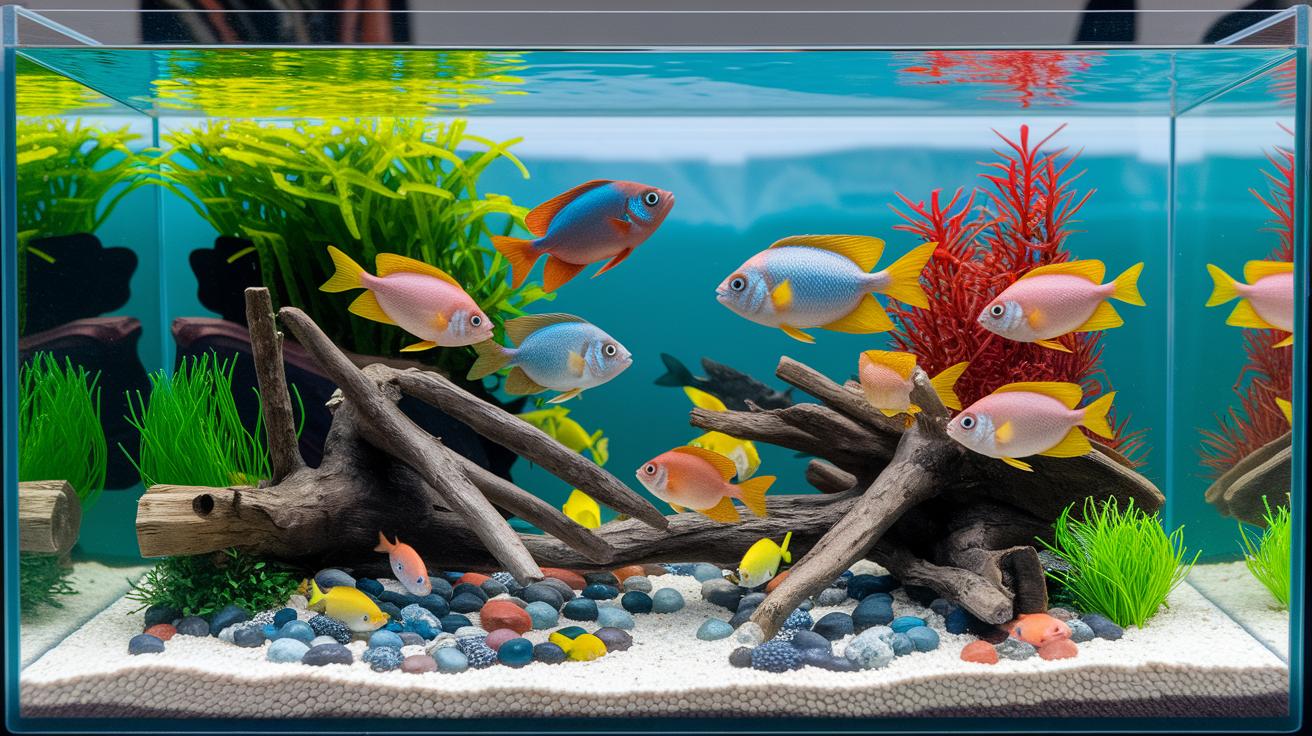
Sometimes hidden changes in your tank's water can disturb its peace without you even noticing. Even when you follow your regular care routine, a slight shift in chemicals can upset the harmony of your underwater world. For tropical fish, keeping the pH between 6.5 and 7.5 is really important, so a little tweak in the pH makes a big difference.
To help your fish swim in a friendly, balanced space, consider adding some helpful bacteria. These bacteria turn dangerous ammonia and nitrites into safer nitrates, so aim for 0 ppm ammonia and nitrites and keep nitrates below 20 ppm. It’s like giving your tank a gentle tune-up so everything flows just right.
Here’s a simple plan to keep your tank chemistry in check:
- Use a precise water testing kit to spot any hidden imbalances.
- Do a 20–30% water change to quickly lower any toxin levels.
- Add special bacterial additives to boost your tank’s natural cleaning power.
- Adjust the pH with safe, fish-friendly products to keep that tropical range between 6.5 and 7.5.
- Check your water chemistry regularly with dedicated tests.
- Keep feeding under control to cut down on extra waste.
- Remove leftover food and debris as soon as you see them.
- Clean your tank surfaces to lessen decaying matter.
- Stick with a consistent care routine to stop imbalances from coming back.
Substrate & Decorative Component Maintenance in Fish Tank Troubleshooting
Keeping your tank’s substrate and decorations looking fresh is key to a happy aquarium. Debris and waste can build up and create spots with less oxygen, so a little regular cleaning goes a long way. Instead of using tap water, try rinsing your ornaments with some tank water to gently wash away trapped waste and the slimy film while keeping the good bacteria intact. Regular gravel vacuuming makes sure dirt doesn’t settle down and upset the natural balance in your little underwater world.
| Cleaning Method | Frequency |
|---|---|
| Gravel Vacuuming | Monthly |
| Rinse Ornaments | Weekly |
| Light Cleaning of Decorations | As Needed |
- Gently rinse your decorations with tank water; it helps ease any sudden changes.
- Spot clean ornaments to get rid of the slimy buildup without a full soak.
- Vacuum the gravel carefully so you don’t disturb the living bacteria that keep the tank healthy.
- Check your decor and substrate often for uneven dirt patches, like little underwater hideaways.
Monitoring Fish Health & Stress Indicators During Troubleshooting

Sometimes your fish might act a bit off, and that's a hint that something in their tank needs a checkup. When you see them gasping at the top of the water or swimming oddly, it could be because they're not getting enough oxygen or the water has built up some bad substances. It’s like noticing a ripple in calm water that tells you a storm might be coming.
Here are some signs that your fish might be stressed:
- Gasping at the surface, which can mean there isn't enough oxygen or there are toxins in the water.
- Swimming erratically or looking unusually tired, showing that they are dealing with stress.
- Colors that look faded, suggesting the water might be sick or not clean.
- Little white spots on their bodies, which could be signs of Ich or a fungal issue.
- Damaged fins, pointing toward bacterial infections from poor water quality.
If you spot these signs, it's best to act quickly to help your aquatic friends. Begin by testing your tank water so you can see if oxygen levels are low or if there are unwanted chemicals present. Then, make small changes, like adding extra aeration or doing a partial water change, to ease their stress. Don’t forget to check your filter too, as even a small glitch can upset the delicate balance of their environment. Soon enough, with a bit of care, your fish will be back to their lively, thriving selves, much like watching a betta fish bounce back after proper care.
Final Words
In the action, our guide walked through step-by-step basics, from spotting cloudy water and algae problems to checking filters and tackling equipment glitches. You learned how to test water, pinpoint symptoms, and set up a routine for smooth aquatic life.
This clear approach empowers you in troubleshooting common fish tank maintenance issues, helping you create a cozy home for your pets. Keep your tank sparkling and enjoy watching your fish thrive every day!
FAQ
What are common signs of poor water quality in my fish tank and how can I fix them?
The signs of poor water quality in your aquarium include cloudy water, bad smells, and debris after water changes. You can fix these issues by testing water parameters, cleaning filters, and doing gradual partial water changes.
What does a bacterial bloom look like in a fish tank?
The appearance of a bacterial bloom in your tank shows as cloudy or milky water with a slight haze. It signals an imbalance from excess organics that encourages bacterial growth.
What are the signs of ammonia stress in a fish tank?
The signs of ammonia stress in your tank include fish gasping at the surface, unusual swimming patterns, and faded colors. Checking parameters and reducing ammonia levels are key to protecting your fish.
Why do my fish keep dying when I clean the tank?
The issue of fish dying during cleaning usually means water chemistry is changing too quickly. Gentle water changes, proper conditioning, and regular testing help minimize shocks to your fish.
What is the golden rule for tank maintenance?
The golden rule for tank maintenance is to keep water conditions stable by testing regularly, making gradual changes, and cleaning routinely. A balanced environment is essential for healthy fish.
Why did fish die in my aquarium according to astrology?
The idea that fish die because of astrology isn’t based on care. In truth, fish deaths typically result from issues like water quality and temperature, so focus on proper testing and maintenance.
What is the aquarium problem crossword?
The aquarium problem crossword is a playful puzzle featuring words related to fish tank issues. It’s a fun way to reinforce basic concepts of tank care while engaging with aquatic trivia.