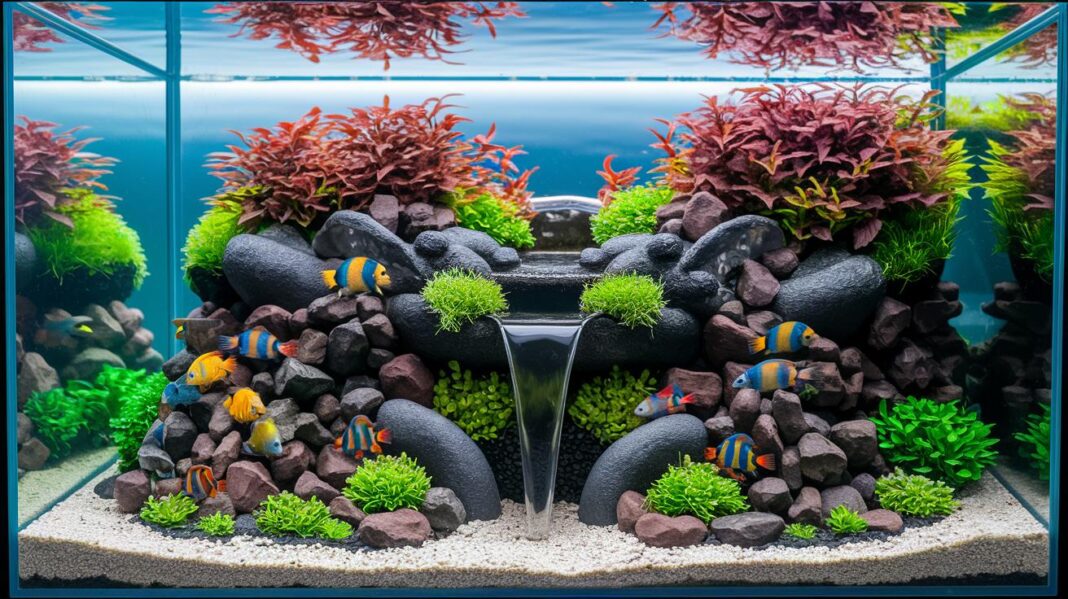

Ever wonder if you could add a stunning waterfall to your tank without spending a fortune? Imagine turning your basic aquarium into a gentle stream of water, much like the soft ripple that dances over smooth stones.
This guide will walk you through how to stack rocks and hook up a reliable pump so even beginners can create a moving cascade in their space. Think of it like preparing your favorite meal with simple ingredients, we mix a bit of creativity with handy tools to not only add charm but also refresh your aquatic world.
Dive in to learn the easy steps that will bring your tank to life.
Essential Steps for Aquascaping Waterfall Installations
This aquascape project is a fun and budget-friendly way to add a natural waterfall to your tank. Imagine finding a 10-gallon tank at a thrift store for under $20, it’s like catching a rare fish on your first try! The plan is simple: pair a reliable pump with artfully stacked rocks to create a moving cascade that breathes new life into your aquatic space.
Think of this process like preparing your favorite meal. You gather your basic “ingredients,” follow a straightforward plan, and then sprinkle in your own creative flair. Believe it or not, even beginners with just a few months of experience have seen marvelous results with similar setups. Here’s how to dive in:
- Gather your supplies: a 10-gallon tank, PVC pipe, a submersible pump, a basin tray, and some sand.
- Cut the PVC pipe to a length that fits the tank height minus about 3 inches (roughly 21 cm for a 10-gallon tank).
- Assemble the pump and attach its outlet to the PVC segment.
- Position a collection basin under the pump’s output, then cover the tray with pea gravel for a natural appearance.
- Lay down basalt river rocks on both sides to create a solid base.
- Stack the rocks to form your waterfall path, add some gravel and decorative touches, and test the water’s flow.
Be sure to secure the rocks firmly and adjust the pea gravel layer so that the water cascades evenly. Testing the flow helps you spot any gaps or leaks. If the water rushes too forcefully, simply rearrange the rocks to gently slow it down. A few tweaks with the gravel depth can also hide the hardware while keeping that crisp, smooth cascade effect. With a little patience and care, you’ll soon enjoy a beautiful aquascape that brings a playful, serene ambiance to your tank.
Optimizing Pump and Plumbing for Aquascaping Waterfall
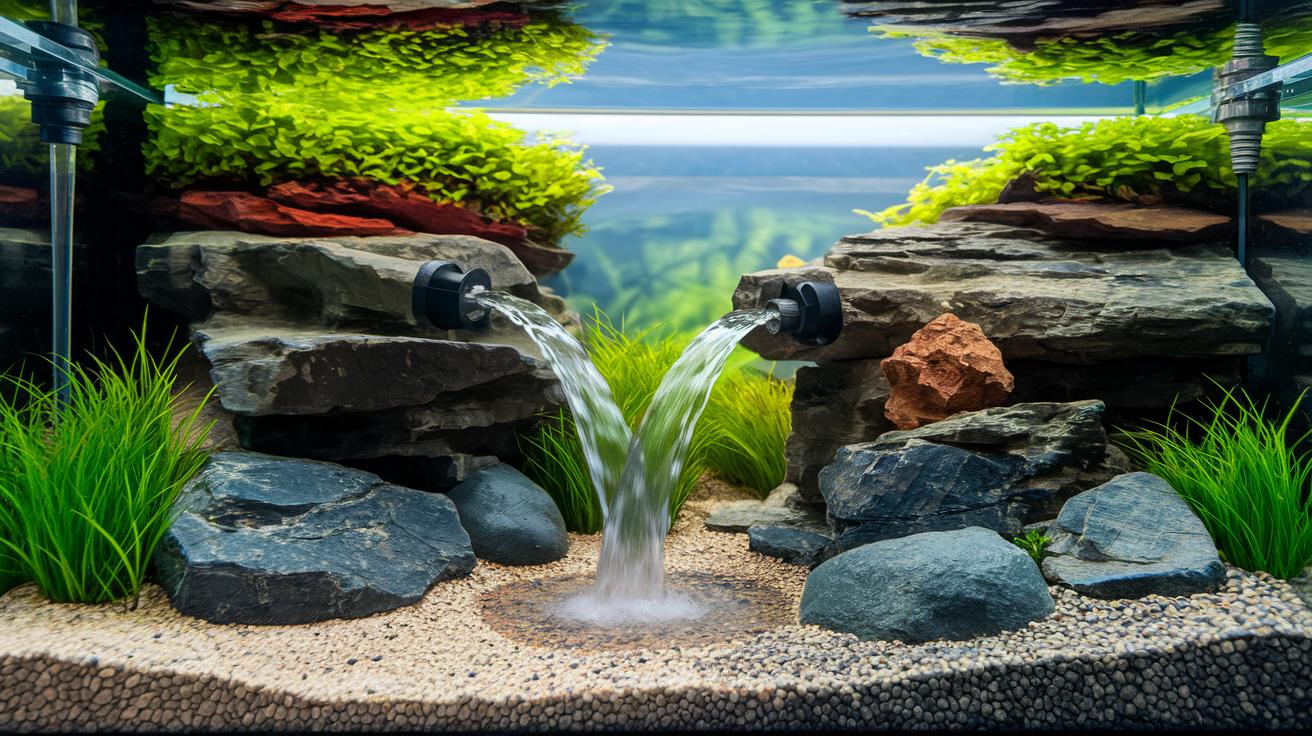
When setting up your cascade, start with a submersible water pump that can handle both water and sand. Pick a pump with extra power, one that can lift water higher than where you want your waterfall to flow. This way, even when natural rocks and decor slow things down a bit, your pump will keep the water moving smoothly, creating a beautiful curtain of water. It’s best to put the pump right in the center so that every drop reaches the cascade evenly.
Choosing Between Water and Air Pumps
Water pumps really shine when it comes to driving both sand and water. They give you a lively, dramatic flow that makes the cascade sparkle. Air pumps, while useful sometimes, just don’t have the strength needed to move the heavier stuff like sand. So, rather than dealing with a weak, feeble water push, let a water pump do its job and bring your aquascape to life. Imagine watching a stream of water playfully dance over your rocks, your aquatic friends will love it.
When it comes to plumbing, take your time. Seal every joint carefully and cut your PVC pipes just right to keep leaks at bay. Testing for leaks before you finish up is key; it means fewer surprises later. A few small adjustments not only prevent drips but also help keep things quiet, so you can enjoy the gentle hum of your setup. With these steps, you’ll have a trusty pump and plumbing system that adds a sparkling, stress-free touch to your aquarium.
Building Foundations: Rock Stacking and Basin for Aquascaping Waterfalls
Think of your base rock setup like constructing a tiny dam in your aquarium. Instead of just placing rough, square basalt rocks on sand, picture each rock fitting together like a set of puzzle pieces. Imagine those sturdy rocks forming a natural barrier where every piece supports the next, a neat trick to boost your tank’s stability.
When hiding pump hardware, skip the extra clutter. Use a plastic tray with 2–3 cm of brown pea gravel. This simple step does more than conceal equipment; it adds texture that mimics the gentle look of a natural streambed. Consider the pea gravel as soft stepping stones that bring subtle detail and charm to your setup.
Take your stacking method to the next level with a 'stepping stones' idea. Place the PVC outtake near the top of your cascade so the water flows smoothly over the rocks. Stack them carefully, like stepping stones along a calm brook, to channel water gracefully and create a welcoming, inviting flow.
DIY Sand Cascade Techniques for Planted Aquascaping Waterfalls
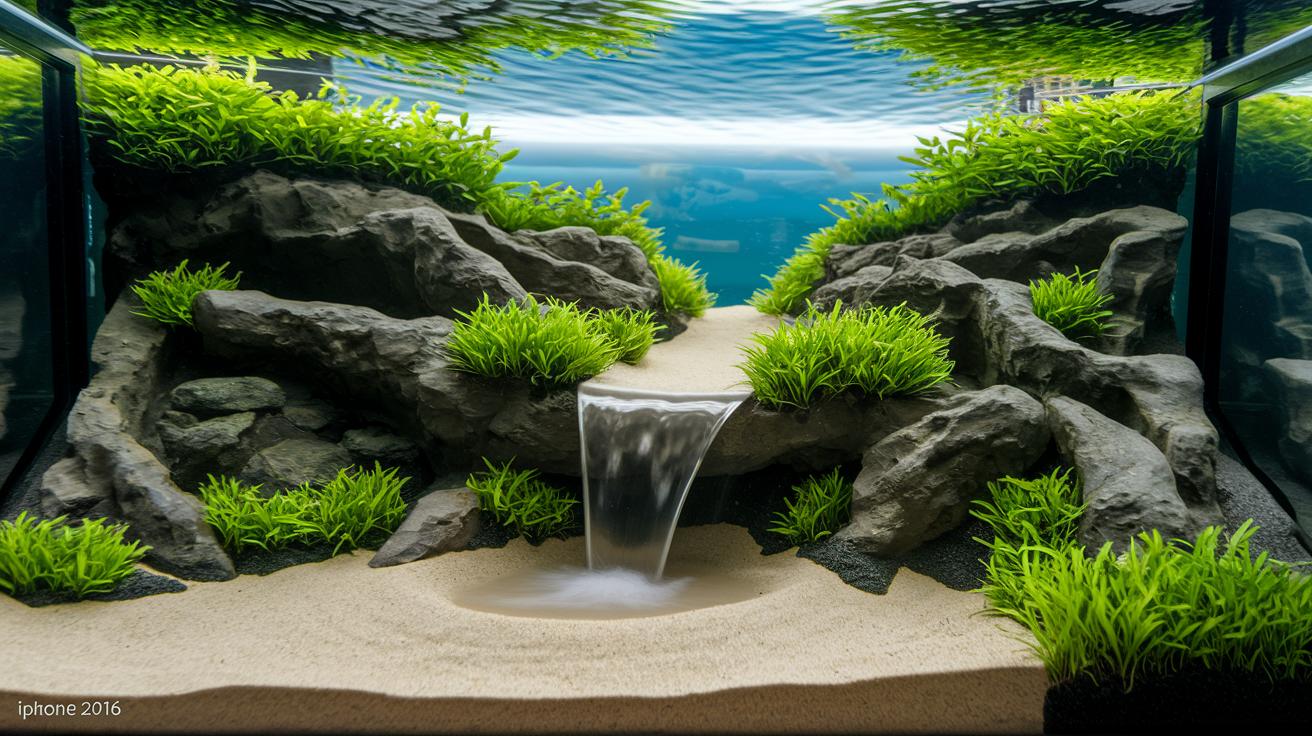
Imagine creating a gentle sand waterfall that flows like a hidden brook in your aquarium. A water pump can help you achieve this natural-looking cascade by setting a steady stream of sand. Rather than stressing over pump mechanics, try placing your pump in a spot where it creates a smooth, ongoing flow that mixes beautifully with your tank.
Next, add some small-leaf plants along the waterfall edges to frame the cascade with delicate charm. Their soft, subtle leaves enhance the liquid display without taking center stage. For instance, placing these plants right beside the cascade turns a simple waterfall into a lively and engaging part of your aquascape.
Maintenance and Troubleshooting for Aquascaping Waterfall Setups
Make sure you clear the sand from your collection basin once a week. This helps stop overflow and keeps your waterfall flowing smoothly, almost like giving it a refreshing shower.
Keep an eye on the pump flow so it carries the sand just right while still creating a gentle water curtain. If the sand seems too sluggish or too rushed, try tweaking the pump's speed until you find that sweet spot.
Sometimes rocks might shift over time, and when they do, the water flow can get a bit uneven. A quick repositioning of these stones will help your waterfall fall in a balanced, pleasing manner.
If any large leafed plants block the flow or take attention away from your cascade, trim or move them aside. This keeps the view clear and lets your waterfall shine as the centerpiece of your aquascape.
aquascaping waterfall: Sparkling Aquatic Inspiration
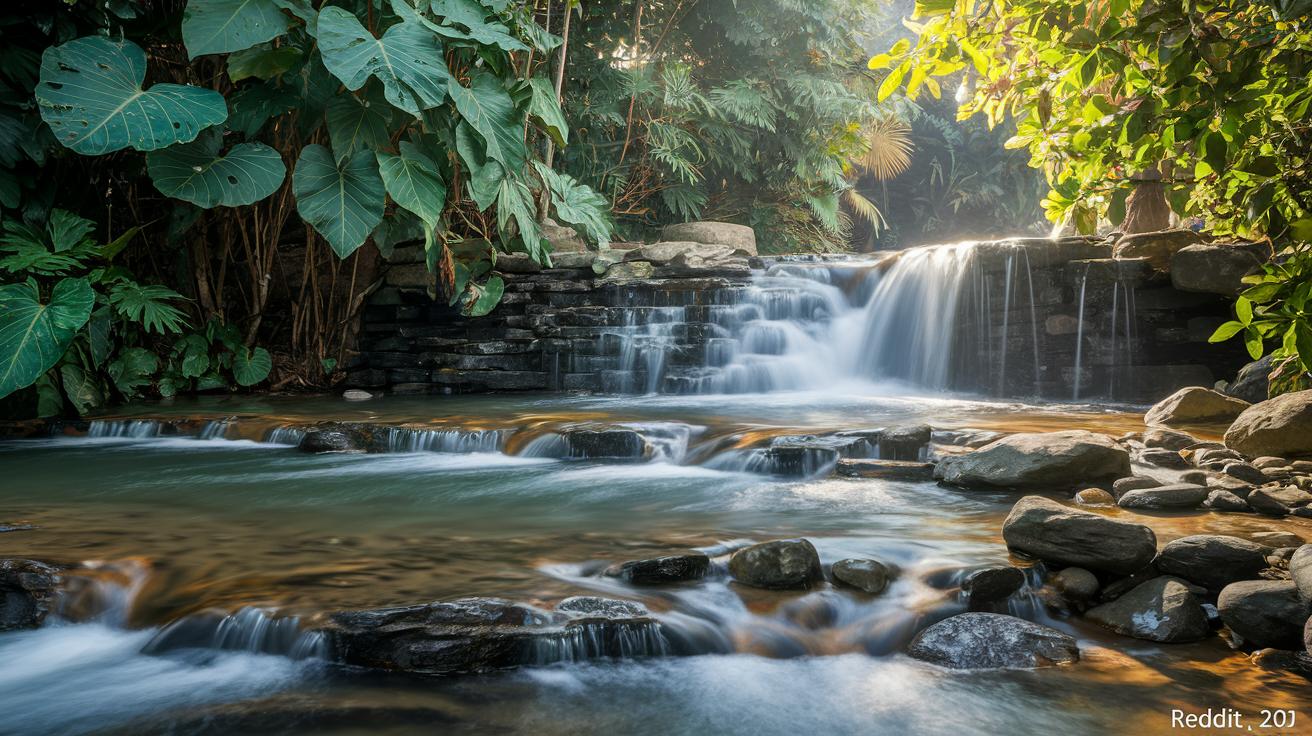
Picture a tank that overflows with creative energy, where water flows gently like a soft melody over a rocky stage. There are four fresh design ideas that can spark your imagination. You might choose a lush tropical cascade with big, bright leaves, a clean stone fall with simple, smooth lines, a layering of rocks that creates soft, stepped flows, or a mix of sand and water that feels naturally alive. One idea is to think of a peaceful waterfall flowing over carefully shaped stones, with tropical plants giving it a warm, natural hug. These trends invite you to try out your own ideas and bring a little bit of sparkling aquatic magic into your home.
Imagine a tropical cascade where large, leafy plants boldly frame a vibrant curtain of water. Now, picture a simpler setup where hidden pipes and low-key pumps let a neat stone fall take center stage. Some friends of aquascaping blend different techniques, arranging rocks in levels to mirror nature’s gentle steps. Others mix sand with water for a cool, balanced flow. Each style creates a modern waterfall that can match just about any room or style.
When you’re setting up your own tank, think about the size and overall vibe of your space. A smaller tank might shine with a hidden-pipe design that keeps things sleek, while a larger tank can embrace bold, multi-layered rock stacks. Play around with rock placements and plant spots until you find that perfect, eye-catching display that turns your indoor water scene into a sparkling performance.
Final Words
In the action, we explored how to set up a stunning aquascaping waterfall using simple, affordable steps. We covered material selection, pump setup, rock stacking, and fine-tuning the sand cascade for a smooth flow. Each tip flows into the next, creating a clear guide for building and maintaining a captivating aquatic display.
This guide leaves you ready to enjoy a healthy, vibrant tank with a beautiful, natural aquascaping waterfall. It’s all about having fun and making your underwater world shine.
FAQ
What is an aquascaping waterfall kit?
The aquascaping waterfall kit usually comes with a 10 gal tank, PVC pipe, submersible pump, basin tray, sand, and decorative rocks. It’s a ready-made collection that helps you create a charming underwater cascade.
What does an aquascaping waterfall setup involve?
The aquascaping waterfall setup involves arranging a water pump with cut PVC, a concealed basin covered in pea gravel, and carefully stacked river rocks. This creates a balanced, artistic flowing cascade in your tank.
How do you build an aquascape waterfall?
Building an aquascape waterfall involves gathering materials like a tank, pump, and PVC pipe, then assembling the parts in steps—cutting the pipe, positioning the pump, placing the basin and rocks, and finally testing the water flow.
How much does a pondless waterfall cost?
A pondless waterfall’s cost varies, but you can build one on a budget. Using thrift store finds and DIY techniques, many builders report spending under $20 on key components for a compact, attractive cascade.
Does a waterfall oxygenate a fish tank?
A waterfall oxygenates a fish tank by driving water across open surfaces, which increases air exposure. This boosts oxygen levels in the tank, helping your fish thrive with improved water quality.
What is the basic rule of aquascaping?
The basic rule of aquascaping is to create a balanced, natural view that’s pleasing to the eye. It focuses on layout, flow, and using rock and plant placements that mimic nature’s fluid and calm design.