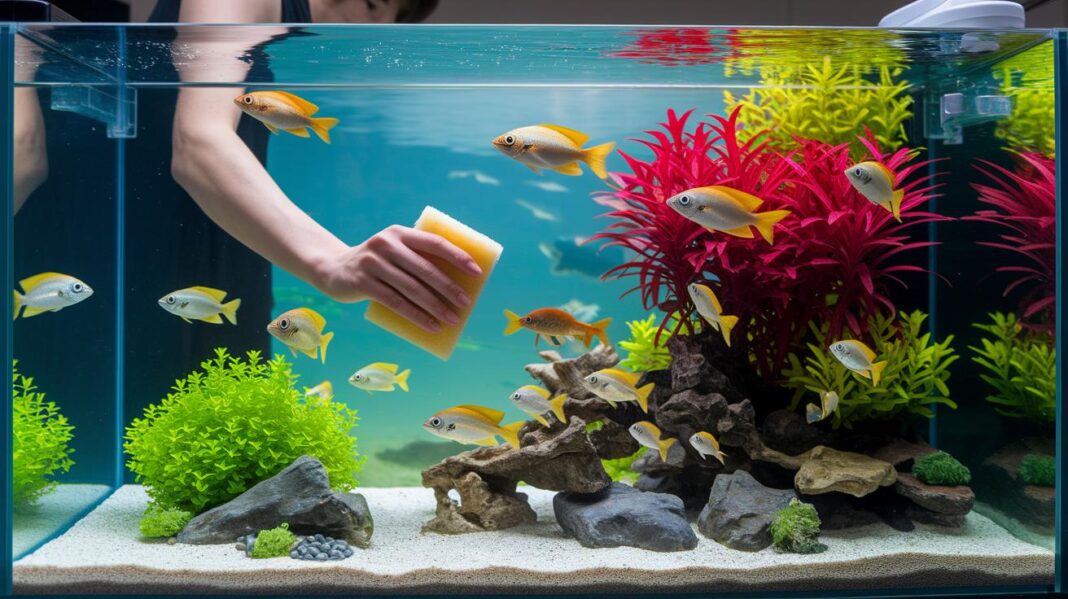

Have you ever thought that keeping an aquarium could be both easy and fun? It might seem like a big job at first, but a quick daily check can make a huge difference for your underwater world. A simple look to remove any floating debris and a small water change each week keeps your fish happy and the water clear. This guide shares easy tips and honest advice, helping you settle into a rewarding routine. It’s a bit like giving your fish a refreshing spa day that leaves both you and your tank feeling renewed.
Essential Steps in Beginner’s Aquarium Maintenance
Every day, take a moment to glance at your tank. It only takes a minute to skim off any floating debris and to check that your fish are having a good day. I like to say, "Wow, the water has a playful shimmer today," which tells me that my fish are happy.
Every one to two weeks, do a little water change, about 15% to 25% of the tank’s water. Use an aquarium siphon vacuum to gently remove some water and clean the substrate. This way, you cut down on nitrate buildup and keep your water clear. And don't worry, your fish can stay in the tank during this process; it helps avoid extra stress on them.
Once a month, give your aquarium a deep clean. This means testing the water for ammonia, nitrites, and nitrates, aim for 0 parts per million (ppm) for ammonia and nitrites, and below 40 ppm for nitrates. Think of it as giving your tank a quick check-up, kind of like a doctor's visit, but with water tests instead. If your tap water contains chloramine, add a water conditioner right off the bat to neutralize those chemicals.
It’s a good idea to keep a regular maintenance schedule, too. You might set up a simple checklist for daily quick looks, every one to two week water changes, and monthly water tests. Sticking to these steps makes your aquarium a healthy, vibrant home for your fish, and it really makes keeping the tank fun and stress-free.
Essential Aquarium Maintenance Equipment for Beginners
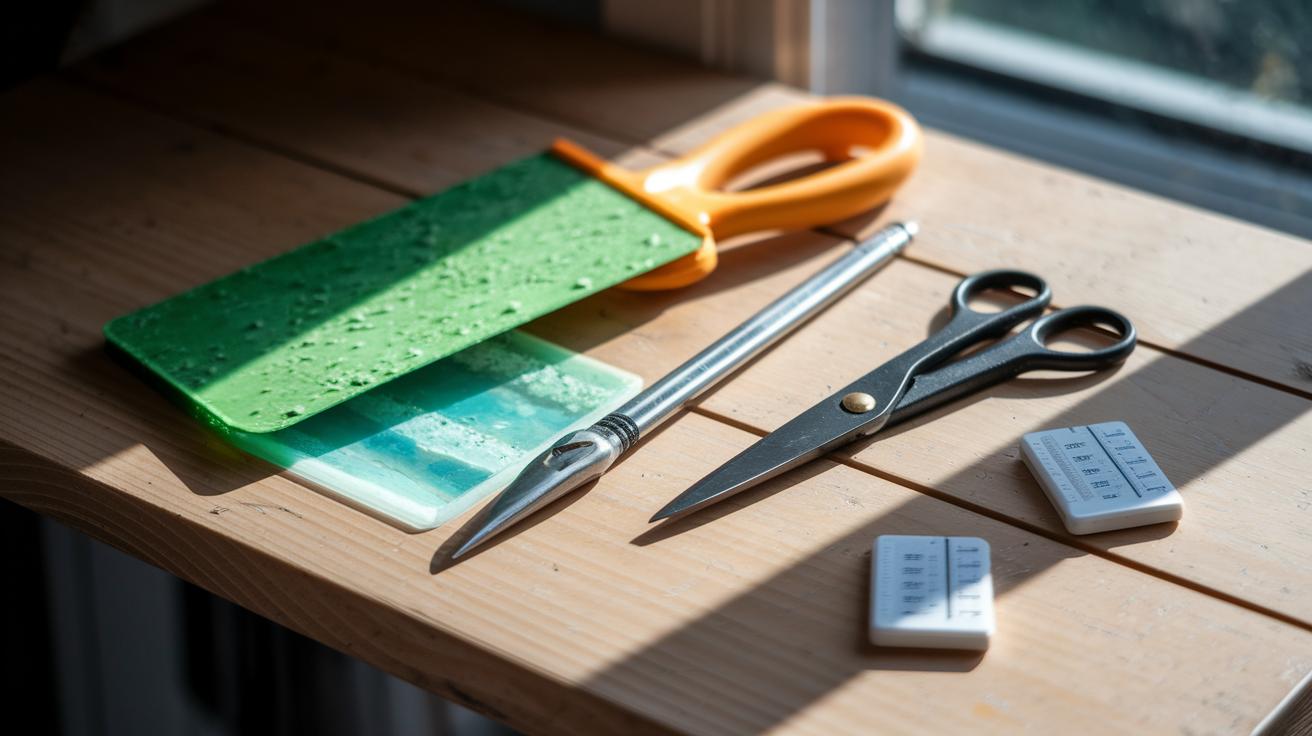
Keeping your tank in top shape can feel as refreshing as a dip on a warm day when you use the right tools. Start with an algae scraper that has a blade attachment. This tool gently clears away the green film, leaving your glass as clear as a secret underwater cave.
Next, reach for a pair of pruning scissors. They help you trim live plants neatly without disturbing their roots, just a careful snip that keeps your garden looking its best. Then, grab an aquarium siphon to suck up debris from the bottom, kind of like letting a tiny current sweep away unwanted bits.
To check your water’s health, a 6-in-1 test strip or liquid kit is a must-have. This handy kit measures pH, ammonia, nitrite, nitrate, phosphate, and hardness, ensuring your fish swim in a balanced, comfy home. It feels as rewarding as ticking off a simple task on a bright morning.
When you use tap water, add a dechlorinator to remove chemicals like chloramine that can harm your aquatic friends. Mix in a bucket and a heater to match the water temperature perfectly before you refill the tank. And don’t forget your filters, they need a little care every month. Rinse or replace the filter media to let water flow smooth and clear, much like a peaceful stream.
Step-by-Step Aquarium Cleaning Procedures for Beginners
First, check your water using a test kit. Aim for 0 ppm ammonia, 0 ppm nitrites, and keep nitrates below 40 ppm. Even small changes in nitrate levels can really affect your fish's behavior, it’s like when a tiny ripple changes a whole pond!
Next, turn off and unplug your heater, filter, and pump. This simple step protects your gear and prevents any shocks while you’re giving your tank a good clean.
Then, gently scrape algae off the glass and décor. Use an algae scraper with a blade, and be careful around the substrate so you don't disturb it. Imagine your aquarium glass as clear as a calm, gentle pond.
After that, trim your live plants by cutting about 30% to 50% of any overgrown parts. This helps your underwater garden get more light and air, keeping the plants neat and happy.
Now, use an aquarium siphon to vacuum about one-third of the substrate. This method is like letting a small current flow through the tank, removing debris and leftover food to keep the water clear.
Next, remove roughly 15% to 25% of the tank water for a partial water change. This keeps the water fresh without causing too much stress for your fish.
Be sure to rinse or replace the filter media afterwards. Think of your filter as a friendly bin that collects waste, regular cleaning helps it keep the water flowing smoothly.
Then, refill the tank with water that is the same temperature as the tank and has been dechlorinated. If you have a planted tank, you might want to add a little liquid fertilizer or some root tabs to help your plants thrive.
After the refill, restart your equipment and let the tank sit for about an hour so any debris can settle. Finally, wipe down the exterior glass with an aquarium-safe cleaner to reveal a crystal-clear finish.
Happy cleaning, and enjoy the calming process as your tank transforms into a beautiful, vibrant aquatic home!
Maintaining Water Quality in Beginner’s Aquarium Maintenance Routine
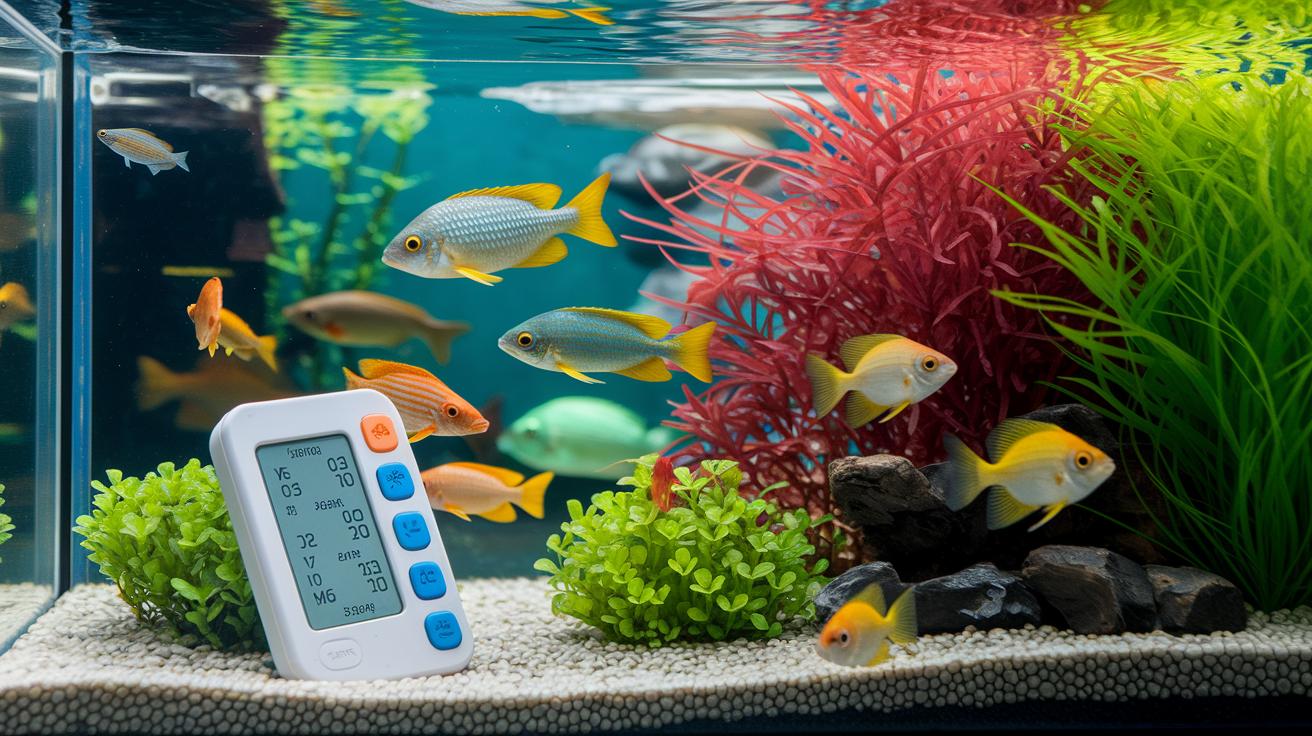
Every month, take a few minutes to check your aquarium’s water with a 6-in-1 test kit. This simple tool helps you keep an eye on pH, ammonia, nitrite, nitrate, phosphate, and hardness. For best results, try to keep the pH between 6.8 and 7.8, ammonia at 0 ppm, nitrite under 0.75 ppm, nitrate below 40 ppm, and phosphate under 0.2 ppm. Testing hardness shows you if your water needs a little tweaking to make your fish feel right at home.
When water readings seem off, here’s a friendly checklist to help you figure things out:
- Look over your test results and spot which number isn’t quite right.
- Do a small water change when one of the readings strays from its goal.
- Check that your filter and air pump are working properly, just like making sure your aquarium’s heartbeat is steady.
If you need a bit more help, try using driftwood or mineral buffers to adjust water hardness. For example, add small, gentle pieces of driftwood slowly, like sprinkling a pinch of salt into your favorite soup, until you see your readings start to settle. This careful approach keeps your fish calm and prevents sudden changes that might stress them out.
Regular tests and little adjustments go a long way in making your tank a comfy, thriving underwater world.
Troubleshooting Common Aquarium Maintenance Issues for Beginners
When your tank seems off, there are some quick fixes you can try. Algae blooms might appear because of extra light or too many nutrients. In these situations, cut back on feeding and adjust light schedules, for example, "I once trimmed my feeding amount and shifted the light times, and the algae quickly calmed down."
High ammonia or nitrite spikes often signal overstocking or decaying leftovers. If you see these levels jump, perform an immediate 25% water change to quickly remove the excess waste.
pH swings can also stress your fish. A simple fix is to add a small piece of driftwood or carbonate buffers. This method gently stabilizes the water, similar to how a gentle stream brings balance to a small pond.
Clogged filters reduce water flow, so clean the media or replace filter cartridges regularly, much like clearing out a busy drain to keep water flowing freely.
If any equipment fails, keep spare air pumps or heaters handy. A prompt emergency water change can also help restore stability quickly and keep your aquarium safe for your aquatic friends.
Final Words
In the action, this guide covered essential tasks like daily checks, water changes, and cleaning steps that keep your aquatic pet safe. We talked about key equipment and smart troubleshooting methods to prevent issues before they start. Step by step, the article helped set up a calming underwater scene and maintain balanced water quality. Remember, following these clear steps builds a stress-free habitat. Enjoy your creative path with this beginner’s guide to aquarium maintenance.
FAQ
What does aquarium care for beginners involve?
Aquarium care for beginners involves daily visual checks, regular partial water changes, and using essential tools like siphons and test kits to maintain stable water quality and promote healthy fish behavior.
What should be included in an aquarium maintenance checklist?
An aquarium maintenance checklist includes daily debris removal, periodic water quality testing, algae scraping, and substrate vacuuming, along with scheduled filter and equipment care to ensure a balanced aquatic environment.
How do aquarium maintenance services assist fish owners?
Aquarium maintenance services assist fish owners by providing routine cleaning, water tests, and equipment inspections, helping maintain a vibrant tank environment while reducing the effort needed from the owner.
What items are in an aquarium maintenance kit for beginners?
An aquarium maintenance kit for beginners typically comprises a siphon, algae scraper, pruning scissors, water test strips, and water conditioner to address basic tank upkeep and foster a healthy habitat.
How can I locate local aquarium maintenance near me?
Locating local aquarium maintenance near you is simple when you search online directories or ask for recommendations, making it easier to find professionals who offer cleaning and upkeep services in your area.
What types of roles exist in aquarium maintenance jobs?
Aquarium maintenance jobs include roles focused on cleaning tanks, testing water quality, repairing or replacing equipment, and overall tank care, ensuring that aquatic life thrives in a well-maintained environment.
How is an aquarium maintenance log used?
An aquarium maintenance log is used to record water changes, cleaning dates, parameter tests, and equipment upkeep, making it easier to track routine tasks and quickly spot potential issues in the tank.
What are the essential aquarium maintenance tools for beginners?
Essential aquarium maintenance tools include an algae scraper, a siphon vacuum, pruning scissors, and a comprehensive water test kit, all of which play a key role in keeping water clear and the tank healthy.
How do you care for Siamese fighting fish, Tetra, Goldfish, Guppy, and Neon tetra?
Caring for these popular fish involves maintaining stable water quality, providing adequate space and proper filtration, and performing regular tank cleaning to ensure each fish thrives in its aquatic home.