

Ever wondered if your tank’s water holds the secret to a happier life for your fish? It might sound tricky at first, like piecing together a puzzle, but it’s really not.
Imagine your routine being as calming as watching soft ripples glide over a quiet pond. In this post, we’ll share a simple plan that turns quick water checks into an easy habit.
With a few smart tools and a bit of regular care, you can keep your underwater world sparkling and full of life.
Comprehensive Fish Tank Water Quality Testing and Maintenance Basics
Testing your fish tank water is like checking the pulse of a living underwater world. Keeping an eye on the water helps ensure that both your fish and plants are happy and healthy. For instance, keep pH levels between 6.8 and 7.8 so your fish can feel right at home, just like the calm flow of a gentle stream. Ammonia should always read 0 parts per million because even a tiny bit can stress your aquatic buddies. Nitrites are best kept below 0.75 ppm, while nitrates should stay under 40 ppm and phosphates under 0.2 ppm to keep those pesky algae from taking over. Also, be sure the water’s hardness suits your fish, since water that’s too hard or too soft can throw them off balance.
For the first week after setting up your tank, or if something changes in your aquarium, check the water daily. Once things settle down, testing once a week and at least once a month during normal care is a smart plan. Using good test kits or meters is key, think of it as you’d follow a recipe when adding a pinch of salt to your favorite dish. These tests give you the info you need to know if your filtration system and care routine are on track.
By adding water testing into your regular tank routine, you help create a clear and healthy home for your fish. Keeping a simple schedule minimizes hidden waste and maintains that sparkling water look. And as you watch these numbers, you’re building a routine that truly supports the vibrant life flowing in your aquarium.
Aquarium Water Testing Methods and Essential Tools
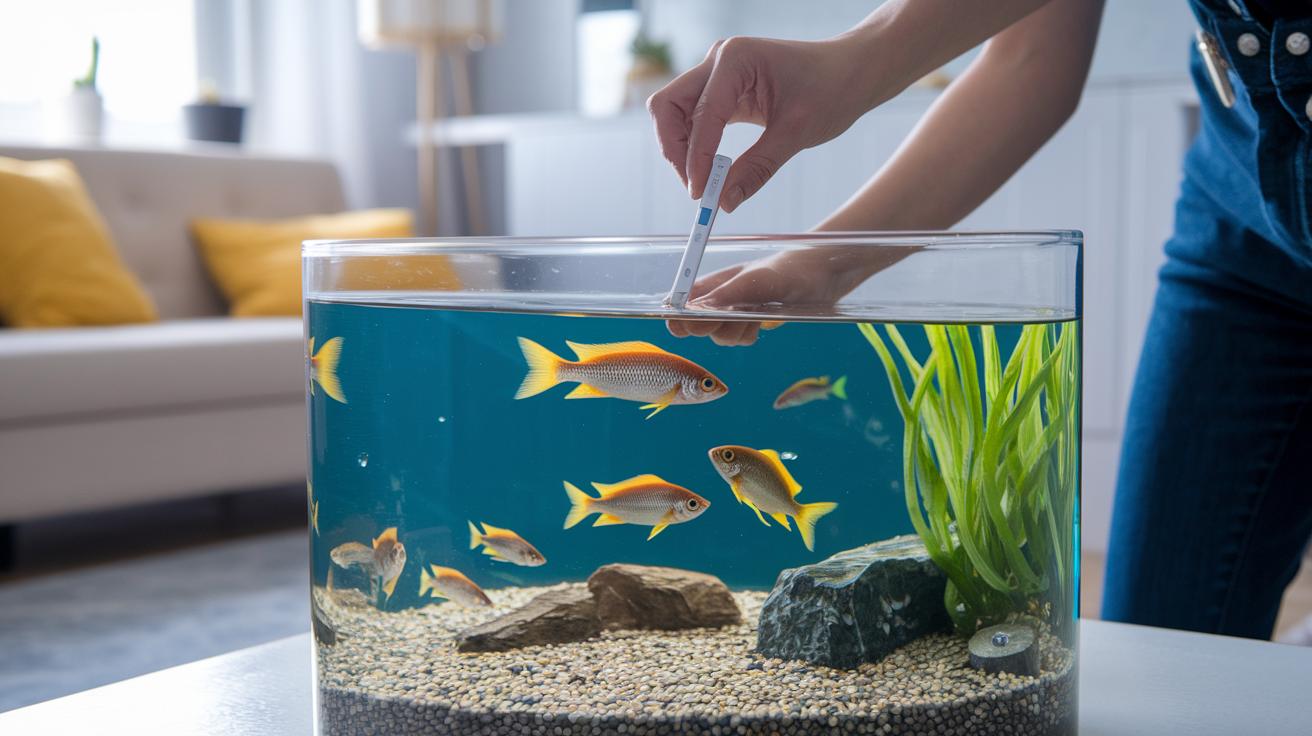
Checking your tank's water is a lot like picking the perfect net for your favorite fish. Test strips let you take a quick glance at your water quality. They're easy to use and give you a fast look at your tank's health, though they might not be precise when you need detailed info.
Liquid reagent kits are a step up if you want a more detailed check. With these kits, you'll fill each vial about one-quarter to one-third full, cap it tight, and then give it a good shake. After a timed wait, say, three minutes, the color change tells you if your water is just right. It's like following a simple recipe to get accurate results.
Electronic probes and meters are another great choice. They can give you very precise readings, but they do need regular calibration according to the manufacturer's directions. Testing one sample at a time with a timer helps make each measurement reliable.
- Use test strips for quick checks
- Choose liquid reagent kits for detailed readings
- Rely on electronic testers for precise, calibrated measurements
Trying out these methods is like finding new ways to keep your aquarium as clear and peaceful as a calm pond. Enjoy the process and have fun with your aquatic adventures!
Key Aquarium Water Parameters: What to Test and Why
When you care for your tank, it's smart to check tests like pH, ammonia, nitrites, nitrates, and hardness. Adding an alkalinity test completes the picture since alkalinity works like a natural buffer that stops sudden pH shifts. This is super handy when tap water changes or lots of busy plant growth cause quick water chemistry changes.
Imagine testing your alkalinity and finding that perfect balance, like a calm current smoothing out a choppy stream. Combining these basic tests with a focus on keeping alkalinity steady makes your guide to water care simple and effective.
Structuring a Fish Tank Maintenance Routine and Water Changes

Keeping your aquarium sparkling and safe starts with a steady routine that feels as fresh as a gentle ripple on a sunny pond. For most tanks, try to swap out 15–25% of the water every one or two weeks. It’s a bit like giving your favorite drink a little refill, just enough to keep everything tasting and looking just right.
Every day, take a moment to skim away any floating debris. This simple step is like clearing leaves off a peaceful pond, helping to keep the water inviting and your fish feeling at home.
• Skim floating debris
• Check that your equipment is working well
Each week, use a siphon to vacuum the gravel. This not only helps with your regular water change but also sweeps away hidden waste. Think of the bottom of your tank as a tiny garden; a little care goes a long way in keeping it vibrant and free from unwanted buildup.
• Vacuum the gravel with a siphon
• Replace part of the water (15–25%)
Once a month, set aside some time for a deeper clean. Wipe down the glass to enjoy a crystal-clear view of your underwater friends, and take a careful look at your filter media. Gently cleaning your filter is key because it keeps the good bacteria thriving, these little helpers work to keep ammonia levels in check.
Using basic cleaning tools works just fine, though sometimes a bit of specialized gear can make these tasks even easier. It’s much like choosing your favorite kitchen knife, it just makes everything smoother. For more ideas, check out aquarium equipment maintenance tips for longevity. By following these friendly steps, you’ll have more time to relax and enjoy the soft shimmer of your underwater world.
Dechlorination and Source Water Preparation for Aquarium Testing
Municipal tap water can have chlorine or chloramine, and these chemicals can hurt the good bacteria in your aquarium. To keep your fish happy, you can treat new water with a dechlorinator or simply let it sit uncovered for 24 to 48 hours. I once heard about an aquarist who left a container of tap water out for two days, and the sharp chemical smell disappeared completely. It’s a bit like giving your water a chance to breathe and settle into a calm state before it joins your lively tank.
Before you pour tap water into your aquarium, it’s a smart idea to run a quick check with a water testing kit. When doing your test, rinse the vials with your tank water to make sure no extra chemicals mess with the reading. This little step protects your biological filter, the natural system that cleans your water, and keeps everything balanced for your aquatic friends.
Taking time to dechlorinate your water is an easy way to set a peaceful stage for your fish. Just follow these simple steps, and you’ll create a safer, more inviting environment that feels as calm as a gentle ripple in your favorite pond.
Troubleshooting Common Fish Tank Water Quality Problems

When you spot a sudden burst of algae, fish struggling near the water's surface, or water that looks cloudy, it usually means something in your tank is off. These changes can feel a bit worrisome, but quick action can really help your fish feel better.
The first step is to test your water as soon as you notice any changes. If you see extra green growth, for example, it might be a sign that there are too many nitrates. In that case, check your nitrate levels and think about adding more live plants or doing some extra partial water changes. This little fix can help keep algae from popping up too fast.
Seeing a fish gasping at the water’s top can also be a red flag. This often means there is too much ammonia in the tank. Ammonia should always be at 0 parts per million. If your test shows a higher number, use a neutralizer made to lower ammonia and do some extra water changes. This can make it easier for your fish to breathe and swim happily.
Cloudy water might mean there are harmful contaminants present. High nitrite levels, for example, can make it hard for your fish to get the oxygen they need. If you notice that nitrites are higher than they should be, increasing water changes and adding some helpful nitrifying bacteria can bring your tank back to a safe spot.
Here are some key water care tips for your fish tank:
| Tip | What to Do |
|---|---|
| Water Changes | Test the water as soon as you see changes and perform extra partial water changes if needed. |
| Ammonia Levels | Use an ammonia neutralizer when levels are above 0 ppm. |
| Nitrate Control | Add live plants or do partial water changes to lower nitrates. |
Checking your water and acting fast is just like giving your underwater world a quick health check. Doing these small tasks regularly can keep your fish tank safe and serene, letting you enjoy that gentle murmur of water and the peaceful dance of your fish.
Monitoring, Logging, and Interpreting Aquarium Water Test Results
Keeping track of your water tests is like writing a journal for your underwater friends. Every time you test, jot down the date, the numbers (like pH, ammonia, nitrites, and nitrates), and note any care or changes you made. For example, you might write, "Tested on March 5 – pH 7.0, ammonia 0 ppm, nitrites 0.5 ppm – did a partial water change." This simple record helps you see trends over time and spot any issues before they grow.
Here are a few easy steps to set up your log:
| Step | What to Do |
|---|---|
| Choose Your Method | Pick a dedicated notebook or spreadsheet just for your aquarium tests. |
| Record Details | Include the date, each reading, and any adjustments you made to the tank. |
| Watch for Patterns | Review your log each month to catch small changes before they become big issues. |
Modern tools like automated alerts or digital sensors can add an extra layer of care by sending you notifications if readings stray from normal. It's a bit like getting a friendly nudge when your fish could use some extra attention. By keeping up with your log, you'll create a handy guide that makes it easier to maintain a safe and thriving aquatic home.
Advanced Filtration and Biochemical Maintenance Strategies
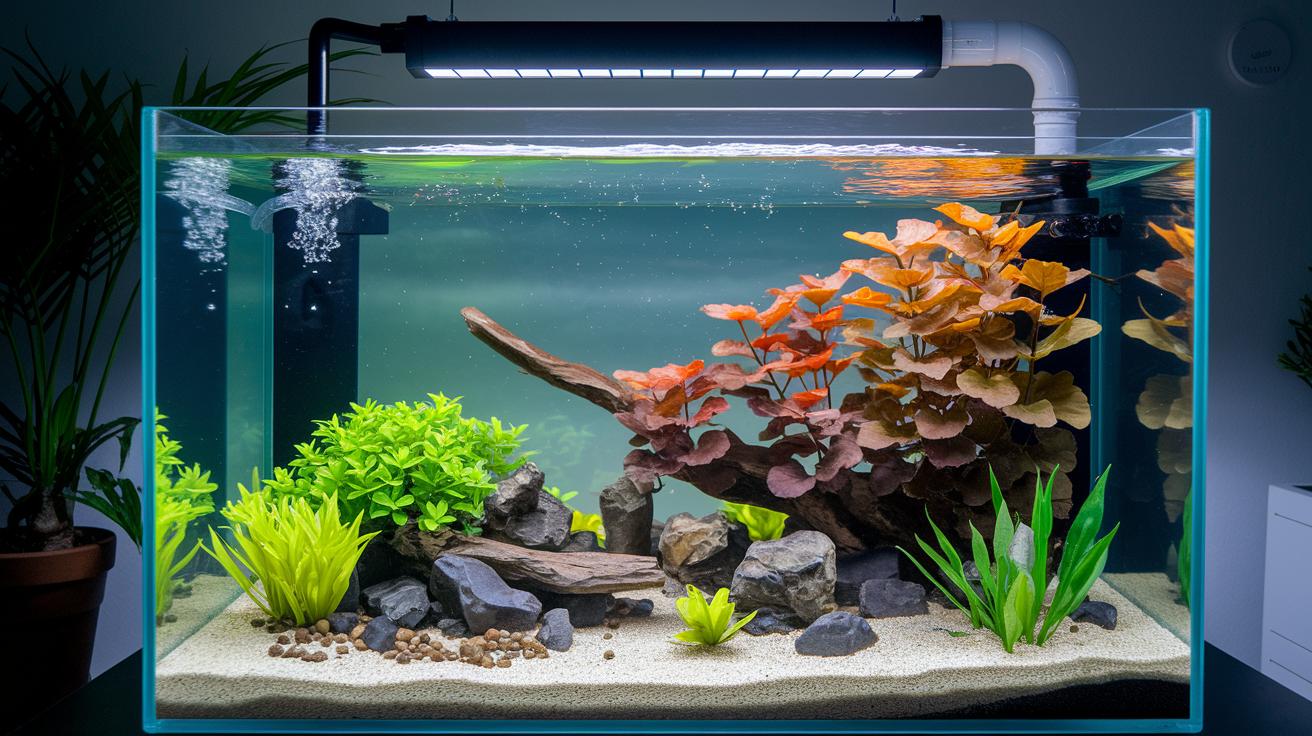
Mechanical filtration is super important for keeping your aquarium clean. The filter’s mechanical parts catch bits of debris that build up as your tank comes to life each day. Give these parts a gentle rinse in your tank water every week so you don’t disturb the helpful bacteria. Think of it like carefully tending to a tiny underwater garden.
Next, your filter’s biological media becomes home to nitrifying bacteria. These little critters work hard to turn dangerous ammonia into safer compounds. By checking your ammonia levels regularly, you can see just how well this busy team is performing. It’s much like a quick health check on a team that keeps your water vibrant and balanced.
Chemical media, such as activated carbon, also plays its role by catching organic waste that could cloud your water. Swap out the carbon once a month to make sure it keeps pulling in impurities and helps your water stay bright and clear. Sticking to this routine helps stop any unwanted buildup.
To really balance your water chemistry, think about adding enzyme or bacterial boosters. These additions help make the nitrogen cycle even more efficient, ensuring that your tank remains healthy. Picture it like tuning up an orchestra: every part, from trapping debris to balancing bacteria, plays its role in keeping your water crystal clear.
Final Words
In the action, we covered how to keep your aquarium sparkling with clear water and healthy fish. We explored the best methods for testing ammonia, pH, and other key water parameters. We shared tips on scheduling routine water changes, using the right tools, and treating tap water for safe fish tank water quality testing and maintenance. Every step helps create a visually appealing and peaceful underwater world. Keep these tips in mind and watch your aquatic habitat thrive with ease.
FAQ
How can I test my fish tank water without a kit or at home?
Testing your fish tank water without a kit means taking advantage of free testing services at local pet stores. For home testing, using a quality kit that checks pH, ammonia, nitrites, and nitrates provides more accurate results.
What is the best way to maintain fish tank water quality?
The best way to maintain water quality is to use a reliable testing method along with regular water changes, proper cleaning, and record-keeping of test readings. This routine helps keep your fish safe and water clear.
How do I use a fish tank water test chart and find free testing services?
A fish tank water test chart compares your readings to ideal ranges, letting you know if adjustments are needed. Many pet stores offer free testing services, which can help you keep your tank in top shape.
How often should I test my fish tank water?
Testing should be done daily during the first week or after any changes, then weekly for routine monitoring, with monthly checks to ensure all parameters stay within the safe range for your fish.
What are the six main tests for fish tank water quality?
Six key tests include measurements for pH, ammonia, nitrites, nitrates, phosphates, and hardness or alkalinity. These tests help confirm that your tank’s water remains safe and balanced for aquatic life.
What does a fish tank water testing kit include?
A testing kit usually comprises tools to measure pH, ammonia, nitrites, nitrates, and sometimes phosphates and hardness. Following the kit’s instructions carefully ensures you get accurate and helpful water quality results.