

Ever wonder how one light can turn a plain tank into an underwater wonderland? Modern LED lights do more than simply brighten your aquarium, they gently light up your plants, giving them a lively, natural glow.
Switching from old fluorescent bulbs to LEDs is like stepping out of a dim room into a sunny space. These new lights help your plants grow strong and healthy without inviting pesky algae, so your tank stays balanced and vibrant.
In short, the right aquascaping light can boost your tank’s charm, transforming it into a lively scene that feels as refreshing as a quiet ripple on a calm pond.
Selecting the Ideal Aquascaping Light for Your Tank
Aquarium lights do more than just help plants grow; they transform your tank into a sparkling underwater world. New LED lights have taken over from old fluorescent bulbs because they use less energy and shine brighter. Many aquascapers go for about 100 µmol PAR at the bottom of the tank, which gives plants just enough light to thrive without feeding pesky algae. Imagine back in the day when tanks were lit by dim, clunky bulbs that left everything looking a bit gloomy, switching to LEDs felt like a breath of fresh air for every fish lover.
Using energy-saving submerged lights means you get just the right brightness without overdoing it. Some setups can hit up to 167 µmol PAR, but that intensity isn’t needed for low-light plants like Anubias and Java fern. In fact, too much light can even upset the balance and help algae grow. The beauty of LED systems is how they let you control where the light goes and even create colorful shifts that make every corner of your tank glow healthily and evenly.
Understanding Aquatic Plant Light Requirements
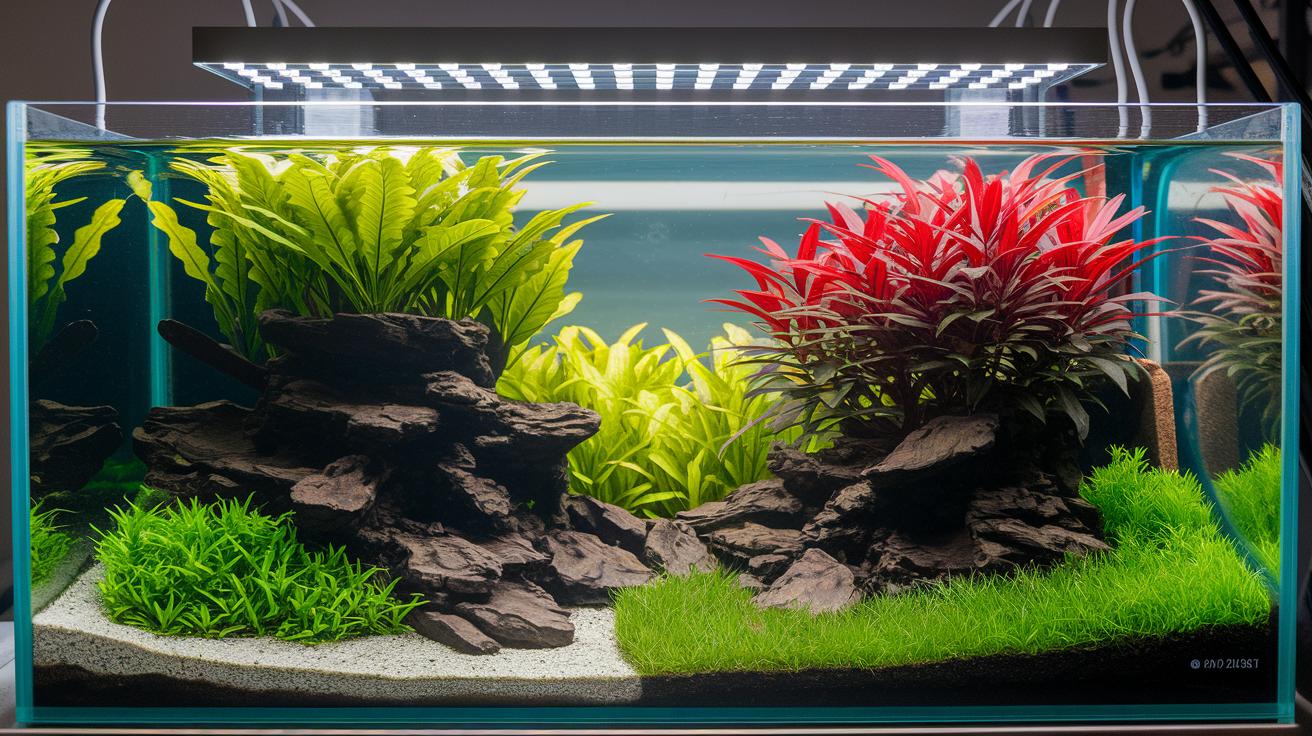
When we talk about µmol PAR, picture it as counting the tiny light packets your plants use to grow. In plain terms, it's like counting little sprinkles of light that help your aquatic plants make food. Think of it as the spark that kickstarts their growth.
Different plants need different amounts of light to feel comfortable. Many plants do well with around 100 µmol PAR near the bottom of the tank, but softer light works better for some, like Anubias and Java Fern. Too much light can overwhelm them and even lead to algae taking over. It's a bit like finding the perfect balance, give them too little, and they struggle; give them too much, and things can get out of whack.
It’s not just about how bright the light is. How strong and what kind of light matters, too, affecting the color and shape of the leaves. Imagine some plants preferring a warm, gentle glow while others shine best when the light is bright and clear. Adjusting these settings carefully helps create a cozy home where your plants can truly thrive.
Comparing Aquascaping Light Technologies
Modern LED lights have really turned things around for aquascaping. They give your underwater plants lots of energy while keeping things cool by using less heat. Because they are super energy efficient, you can tweak the diodes just like you’d adjust the settings on a favorite playlist, mixing light to match your tank’s style perfectly.
LED Aquascape Fixtures
LED fixtures put a fun twist on lighting by letting you play with colors to boost both plant health and the beauty of your aquarium. They run cool and save energy, making sure your tank stays balanced like a well-arranged aquatic scene. Think of them as smart helpers that let you control how bright or soft the light is. For example, using a dual LED setup is like having two band members playing in harmony, spreading the light evenly and stopping any unwanted flashes that might lead to algae.
T5 Fluorescent Systems
T5 fluorescent bulbs have been around for a while and they still do a solid job. They shine steadily and cover the tank evenly, much like a reliable tide. But they do use more power and give off extra heat compared to LEDs. So, if you’re looking for top-notch efficiency and want to save on energy, T5s might not be the best choice.
Hybrid and Specialty Lights
Hybrid fixtures mix LED and fluorescent lights or add special diodes to create a balanced glow. This combo works a bit like a duet, where each part supports the other to give your plants a vibrant boost while making your tank look stunning. Their clever design keeps everything in check, reducing the chance of pesky algae while making sure your underwater world looks as beautiful as a calm sea at sunrise.
Optimizing Spectrum and Intensity in Aquascaping Light
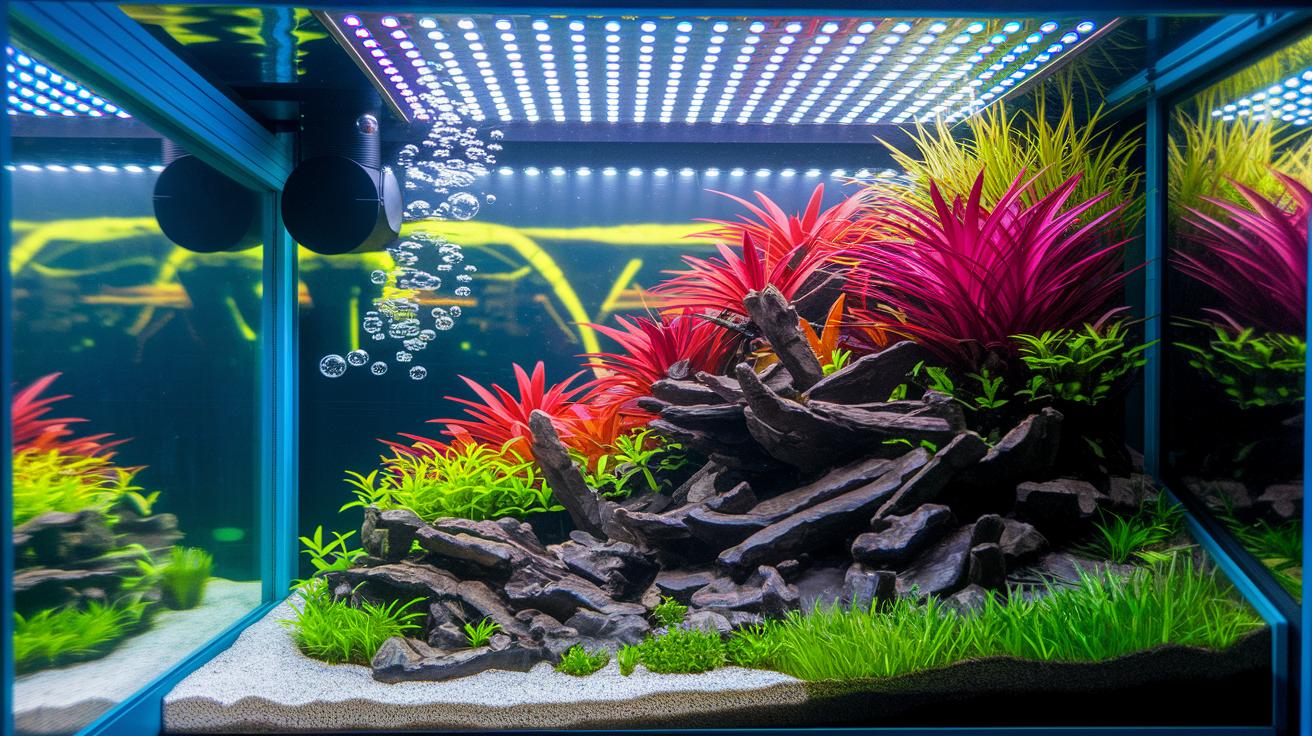
When you adjust your aquarium lighting, you work with specific colored diodes, usually red, green, and blue, to create a perfect white glow. These diodes only cover a narrow part of the color spectrum, so even lights marked as full spectrum have their limits.
Many aquarists have found that CRI ratings don’t really boost plant growth; they care more about the vivid, life-like colors in their tanks. And while the Kelvin rating helps you see how colors appear to the human eye, it doesn’t fully cover what plants need to grow through photosynthesis.
PAR vs Lumens
Plants use light in a very specific way, so measuring in µmol PAR is very important. Unlike lumens, which just tell you how bright a light looks to us, PAR (Photosynthetically Active Radiation) shows exactly how much light helps plants make their food. For instance, a PAR reading at around 480 nm or 680 nm is much more useful for understanding plant health than a simple lumens count. This method gives you a true picture of the energy available for photosynthesis and can help stop overlighting that might lead to algae growth.
Key Wavelengths for Growth
Plants flourish with light at key wavelengths: about 480 nm for blue and 680 nm for red. These specific colors are ideal for photosynthesis, helping plants grow lush and display vibrant hues. By focusing on these precise wavelengths instead of just full-spectrum claims, you can strike the perfect balance between supporting plant health and creating a stunning underwater scene.
Best Practices for Aquascape Light Installation and Maintenance
A good plan from the start can brighten your entire tank in a wonderful way. When you arrange your lights so that every part of your aquarium gets a gentle glow, your plants and fish will feel like they're in a cozy underwater home. Plus, proper care helps keep annoying algae in check. Here are five simple steps to enjoy a safe, even, and lively tank setup:
-
Arrange your light panels or fixtures so they cover every corner of your tank. Using two sets of lights can stop any one spot from getting too bright while keeping shadows at bay.
-
Use a dependable timer to control your light hours. Sticking to a regular light routine is better than turning up the brightness too high and helps keep algae away.
-
Clean your lenses and fixtures on a regular basis. A bit of dust can lower the light your plants need to grow beautifully.
-
Check all your mounting brackets and wiring often. Making sure everything is secure avoids any wobbling or electrical mishaps.
-
Take a moment now and then to look over your installation. A quick check can catch any little shifts or wear before they become a problem, keeping your tank’s charm intact.
Isn't it nice knowing that a little regular attention can help your underwater world shine brightly day after day?
Top Aquascaping Light Products Compared
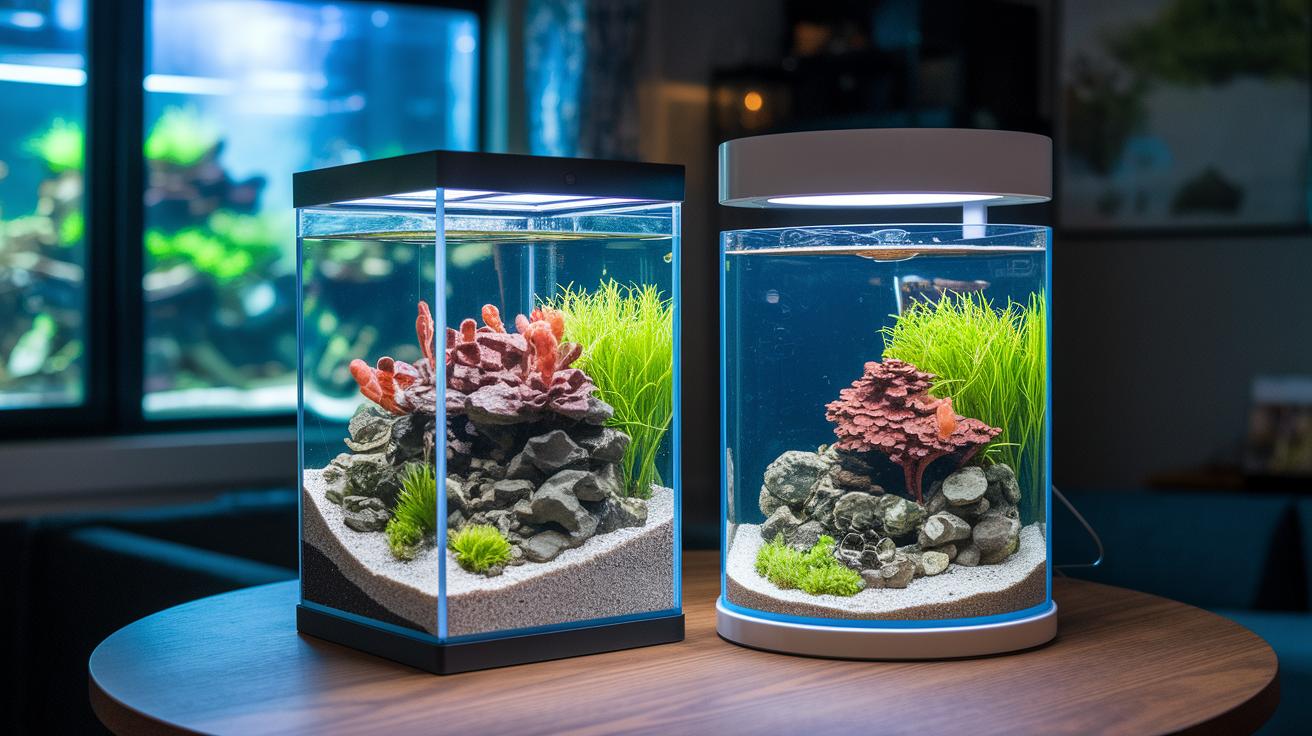
When it's time to choose the perfect light for your aquarium, comparing different models side by side can really help you decide. This guide lays out five great options, each suited for a different tank size and lighting need, so you can boost your aquatic plants’ growth while keeping your tank looking beautifully balanced.
Below is a table that breaks down each product. It shows the product's name, the ideal tank range, the PAR value at the substrate (which measures the light available to your plants), its standout features, and an approximate price. This clear layout makes it easy to see which light fits your tank the best, whether you're on a budget or after a high-output model.
| Product | Tank Size Range | PAR at Substrate | Key Features | Price |
|---|---|---|---|---|
| Aqua Worx SOL | <15 gallons | ~100 µmol | Full-spectrum illumination, ideal for low-light species | $56.99 |
| Aquaillumination Freshwater Blade | 20–50 gallons | Moderate to high PAR | Modular expansion, app control | ~$200.00 |
| EcoTech Freshwater Radion | 20–50+ gallons | High PAR output | Programmable schedules, professional-grade customization | $429.99+ |
| Marggoo RGB | 10 gallons | Designed for smaller tanks | Compact 12 W RGB configuration | ~$35.00 |
| Sea Lantern RGB | 10 gallons | Optimized for even PAR distribution | 18 W RGB design, vibrant color output | ~$45.00 |
This simple breakdown helps you see the clear differences at a glance. Whether you're looking to give your plants a boost or enjoy a balanced underwater scene, there’s a light here that will meet your aquarium’s unique needs. Enjoy setting up your perfect underwater world!
Final Words
In the action, we explored how modern LED systems and precise brightness measures work together to create a thriving tank. We covered everything from plant-specific light needs and technology comparisons to practical installation and care tips.
This guide is a handy tool for anyone wanting to boost tank beauty and plant health. With a well-chosen aquascaping light, your underwater space can sparkle with life, giving you a clean, balanced, and eye-catching setting for your aquatic pets.