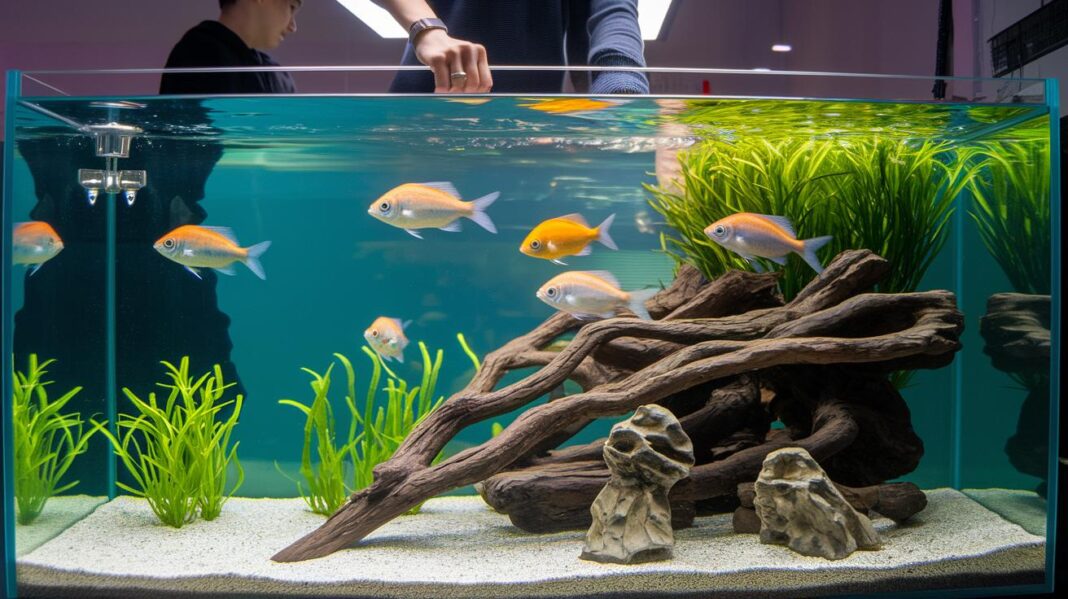

Have you ever wondered if a tiny slip with your aquarium heater might put your fish at risk? When your heater works well, it keeps the water gentle and safe, just like the soft murmur of a filtration system, so your fish can swim happily.
In this post, I'll share a few easy tips to help you spot any hiccups early and keep your heater humming along smoothly. With a couple of quick checks and a little clean-up now and then, you can keep your tank cozy and your aquatic friends thriving for years to come.
Key Steps to Properly Maintain Your Aquarium Heater
Keeping your tank at a steady temperature is super important for your fish. Different species need different warmth to feel cozy. For example, tropical fish like a gentle 75°–80°F, Bettas and discus prefer a bit warmer at 76°–85°F, and goldfish are happiest between 68°–74°F. When the water strays too far from these numbers, your fish might feel stressed or even get sick. Imagine watching a small ripple disturb a calm pond – that’s how a sudden temperature drop might sap your tropical fish of their bright colors and lively energy.
To keep your heater in top shape, think of it like a simple four-step dance: first, check it for any bumps or cracks you can see; next, give it a good clean to wash away the algae, mineral deposits, or any little bits of corrosion; then, use a trusted thermometer (placed away from bright sunlight) to set its temperature just right; and finally, test how well it warms your water and fix any quirks right away.
- Spot-check the thermometer every day to spot any unexpected shifts.
- Wipe down the heater’s outside every month to clear off buildup.
- Look at the seals often for any wear or signs of damage.
- Recalibrate it every three months to keep it on track.
- Test the heater frequently to ensure your water stays warm.
- Record every little maintenance step in a log.
- Swap out older units each year to avoid unexpected issues.
Before you start any work, always unplug the heater and let it cool off for at least 30 minutes. This simple step keeps you safe from electrical shocks and burns, so you can handle your heater care with ease and peace of mind.
Essential Tools and Supplies for Aquarium Heater Maintenance
Getting your gear in order is crucial to making sure your aquarium heater works safely and smoothly. Imagine setting up your tank just right, when your tools are neatly arranged, you can focus on every little detail that keeps your fish happy and your water calm.
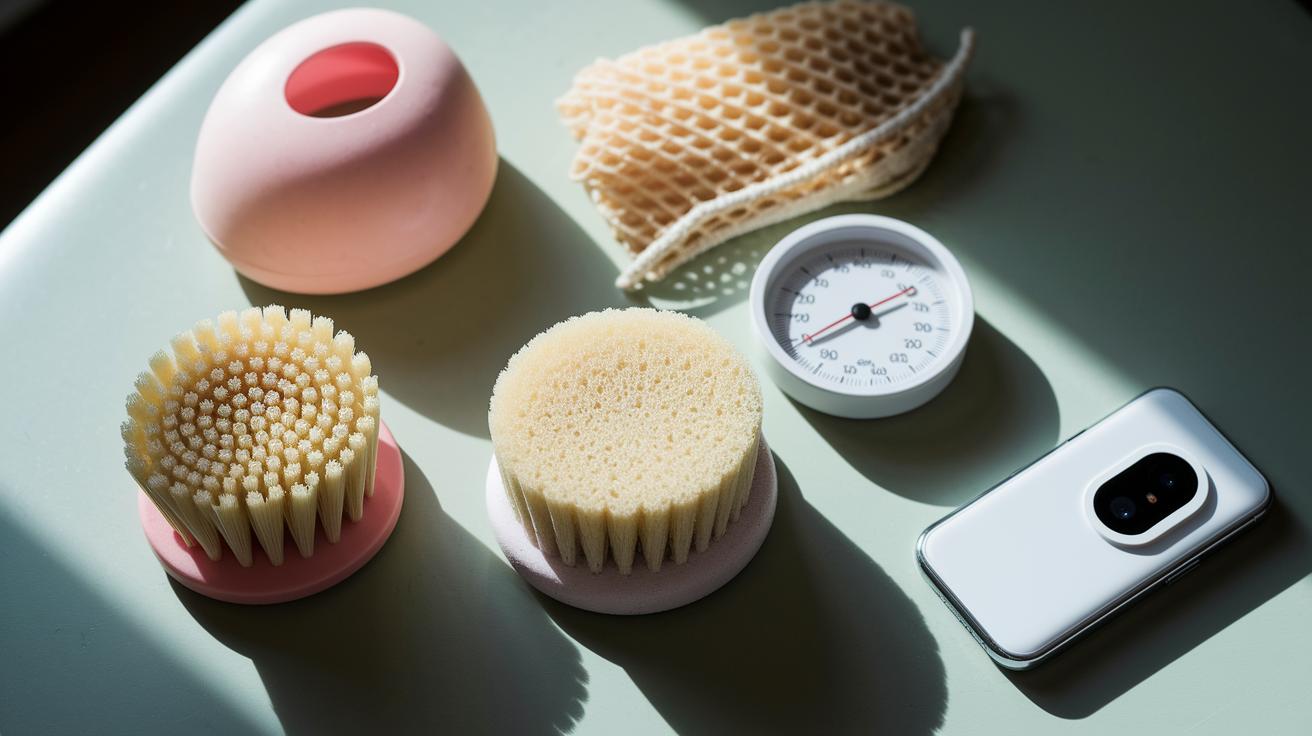
You’ll want a soft scrub brush to gently sweep away any stubborn biofilm, much like a gentle current clearing away leaves in a stream. A sponge and soft cloth, dampened with your own tank water, work perfectly for a tender clean, while a stick-on LCD thermometer gives you clear, quick readings. A handy net can help you lift out debris, and a heater guard keeps curious fins from getting too close. For those tiny chips in a glass heater, a heater-safe aquarium sealant comes to the rescue. And if you’re looking to go the extra mile, tools like a siphon, gravel cleaner, and water test strips ensure that every nook and cranny of your aquarium gets the attention it deserves.
Always choose aquarium-safe cleaning solutions to avoid any harsh chemicals. Using mild cleaners and rinsing with tank water protects both your heater and your finned friends, keeping your underwater world balanced and serene.
Cleaning and Disinfecting Your Aquarium Heater
Before you get started, always unplug your heater and let it cool completely, give it at least 30 minutes. This simple step is like giving your tank a little break before the next big change and keeps you free from electrical shocks or burns.
Once the heater is cool, grab a soft brush or algae scraper and gently remove any slimy film, mineral deposits, or algae clinging on. Rinse it using only your aquarium water so your fish stay in their natural environment. Then, carefully wipe the glass parts with a soft, damp cloth, and avoid any harsh chemicals or soaps that might disturb your tank’s balance.
Next, prepare a mild disinfecting rinse by mixing one part bleach with 19 parts water. Give the heater a quick soak in this solution to wash away any stubborn germs. After soaking, rinse the heater thoroughly with fresh water and let it air-dry completely before putting it back in the tank.
Calibrating and Checking Heater Accuracy
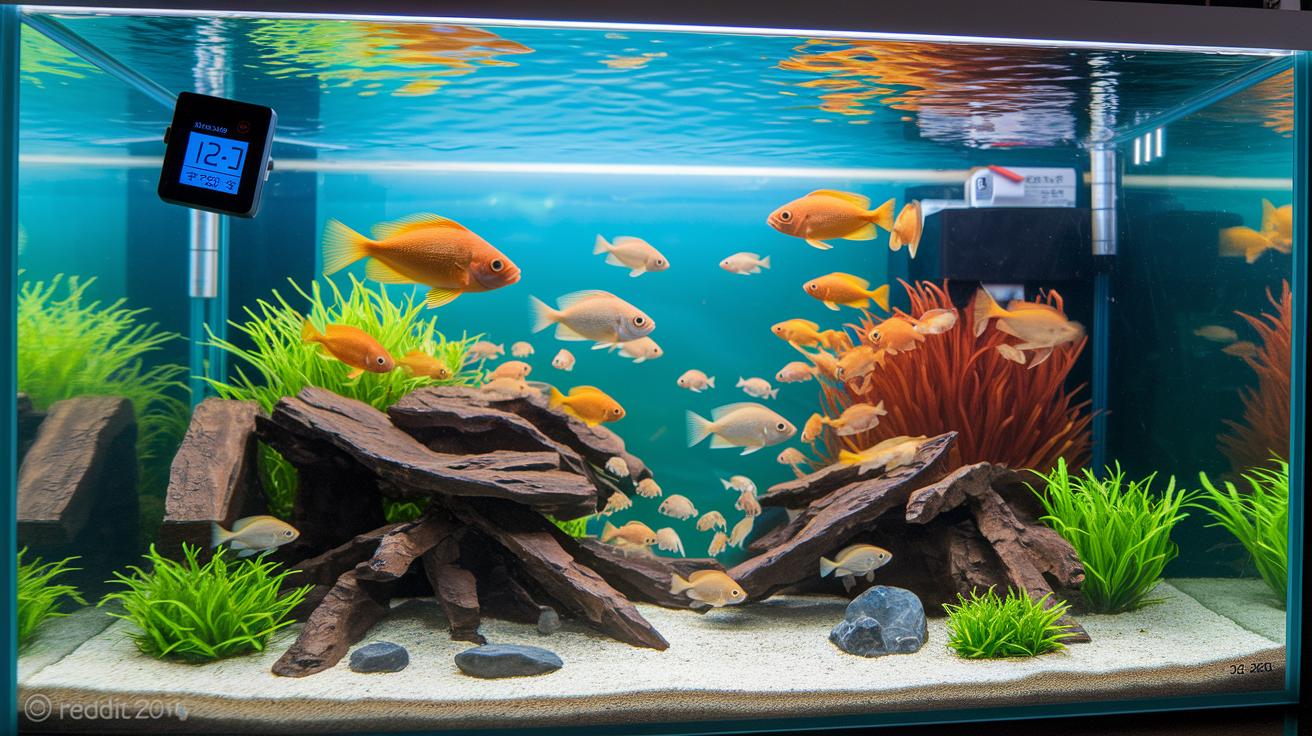
Keeping your aquarium at the perfect temperature is key to a happy, healthy fish community. When your tank is either too warm or too cool, your fish might not feel their best. That’s why it's a good idea to check your heater’s calibration every three months or whenever you see unusual shifts in water temperature. By doing this, you prevent those little settings from drifting over time and help your heater perform at its best.
To calibrate your heater, think of it as a simple four-step process. First, put a trusted thermometer in your tank, make sure it’s away from direct sunlight and the heater itself. Next, set your heater to the temperature you want and give it about 30 minutes to settle in. Then, take a look at your thermometer and see what the water temperature actually is. Finally, if the temperature is off by more than 1 or 2°F, tweak the heater setting and test again until everything matches up just right.
When you’re on the hunt for a thermometer, go with a stick-on LCD model. These models give quick, clear readings that are easy to read. Just remember to place the thermometer in a spot that shows the overall water temperature, steer clear of places with direct sunlight or other heat sources. This little routine is like checking the pulse of your tank, ensuring all your fish have a comfortable home.
Troubleshooting Common Aquarium Heater Issues
When your aquarium heater isn’t performing as it should, start by really watching what’s going on. If it doesn’t turn on or off at the right times, shows sudden changes in water warmth, or has visible chips or rust, these are signs something’s off. Catching these problems early helps keep your fish happy and safe.
Spotting Temperature Swings
Keep an eye on your tank’s water temperature like you’d watch the gentle ripples in a stream. If the water suddenly gets too warm or too cool, jot down the changes in a log. Doing this is like writing in a diary, it helps you see patterns and figure out when things started to change.
Checking for Damage
Take a close look at your heater to see if it has any cracks, rust spots, or buildup on the heating part. When it comes to the electrical side, try using a tool called a multimeter (it checks if the wires are connected properly) to make sure everything is in order. Think of it as giving your beloved aquarium gadget a friendly check-up.
Fixing Problems and Replacing the Heater
If you find that the thermostat isn’t working right or there’s too much mineral buildup, clean the heating element and the wires with some gentle care. Replace any parts that are clearly damaged. And if your heater has been around for more than two years or keeps acting up after cleaning, it might be best to get a new one. Taking these steps keeps your heater working smoothly and your underwater friends safe from sudden temperature shocks.
Establishing a Maintenance Schedule for Heater Longevity
Imagine your heater is like a cherished fish friend, you want to keep it in top shape to keep the water just right. Keeping a simple log helps you notice little changes early on, like how you might spot playful ripples during a quiet morning at your aquarium. By setting up regular checks, you can record details from daily quick looks to thorough annual tests.
Every day, take a moment to glance at the display and check the thermometer, just like you’d peek at your fish’s favorite corner of the tank. Then, monthly you can tidy up the outside and make sure everything is snug and secure. Every three months, set aside time to fine-tune the settings, and once a year, do a full performance test to make sure the heater’s doing its job perfectly.
It’s super simple, use a basic checklist where you jot down the date, what you saw, and any small fixes you made. This clear log is like a diary for your heater, turning routine maintenance into a calm, mindful routine.
| Maintenance Interval | Focus | Logging Tip |
|---|---|---|
| Daily | Check display and thermometer | Write down the date and reading – “On April 5, temperature was steady at 78°F.” |
| Monthly | Clean exterior and inspect mounting | Record any buildup – “Cleaned off residue and checked the seal.” |
| Quarterly | Calibrate and adjust settings | Note calibration results – “Adjusted settings for more consistent warmth.” |
| Annually | Conduct full performance test | Document results – “Test confirmed full functionality; next test in 12 months.” |
Taking a little time for maintenance not only keeps your heater running smoothly but also gives you peace of mind, much like watching gentle ripples in your favorite aquatic haven.
Aquarium Heater Maintenance Instructions
When you're taking care of your aquarium heater, treat it like a precious part of your underwater world. First off, always unplug it and give it at least 30 minutes to cool down, like letting your tea cool before you take a sip. This careful waiting keeps you safe and prevents any surprises.
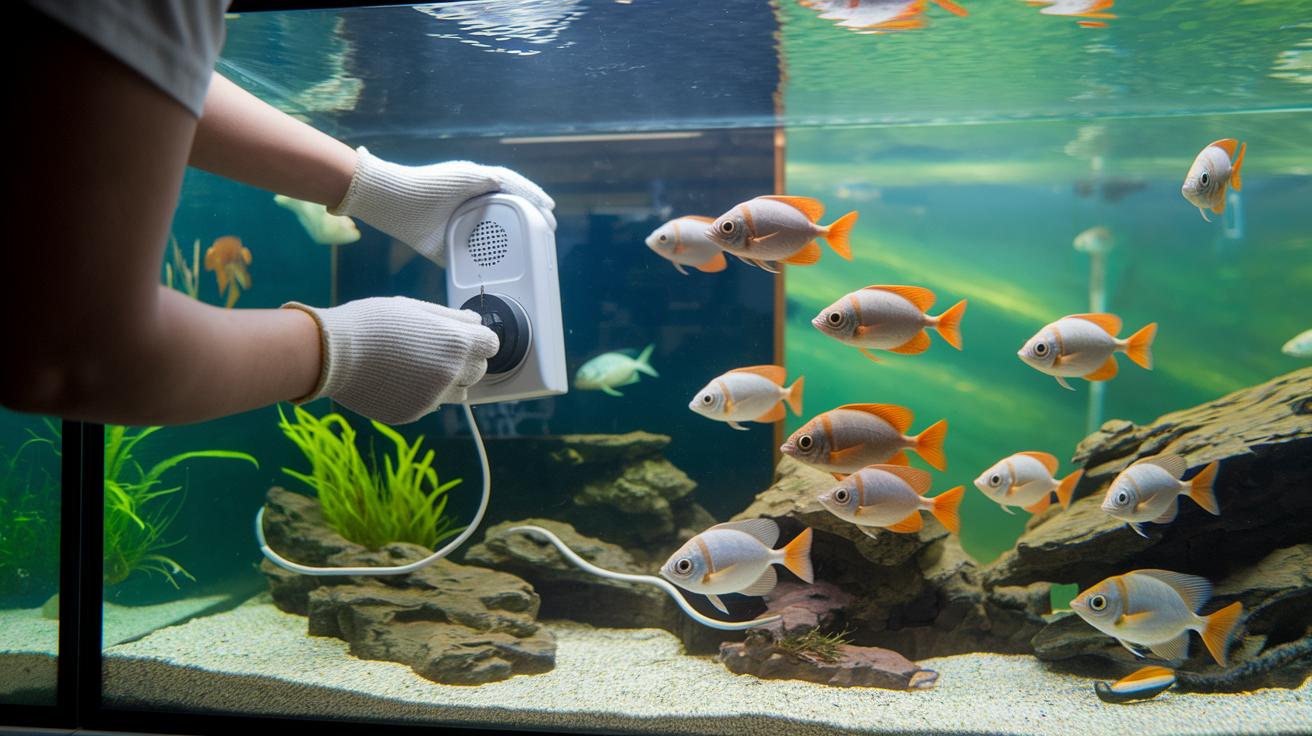
In your day-to-day cleaning routine, remember to use non-slip, waterproof gloves when handling glass parts. It’s also important to check that your electrical outlet has a GFCI guard, which protects you from shocks. And when you're ready to put the heater back in the water, reintroduce it slowly to avoid sudden temperature changes that might crack the glass.
| Safety Tip | Instructions |
|---|---|
| Cool Down | Unplug the heater and let it cool for at least 30 minutes |
| Gloves | Wear non-slip, waterproof gloves to handle glass parts |
| GFCI Outlet | Ensure the outlet is GFCI-protected |
| Gradual Reintroduction | Ease the heater back into the water to prevent rapid temperature shifts |
Final Words
In the action, we covered steps to keep your water temperature on track and your tank looking its best. The guide walked through cleaning, testing, and checking heater performance with the right tools and safety in mind. By setting up a regular routine, you can enjoy peaceful underwater scenes while caring for your fish. Remember these steps if you're ever wondering how to maintain aquarium heaters properly. A routine filled with care and attention keeps your aquatic haven healthy and inviting.
FAQ
Aquarium heater placement horizontal or vertical?
The aquarium heater’s placement depends on its design. Many heaters work best when positioned according to manufacturer instructions, whether vertical to ensure full submersion or horizontal for optimal heat distribution across the tank.
How to adjust temperature on an aquarium heater?
Adjusting the aquarium heater’s temperature starts with unplugging and letting it cool. Turn the dial to your desired setting, then allow about 30 minutes for the tank to reach and stabilize at the target temperature.
What does an aquarium heater size calculator do?
An aquarium heater size calculator helps you select the right wattage by considering tank volume, room temperature, and the heat requirements of your fish. It gives guidance to keep your water just right for fish comfort.
How do I keep a fish tank warm without a heater?
Keeping a fish tank warm without a dedicated heater can be done by insulating the tank, using a heating pad or specific light source, and placing the tank away from drafts, though a heater usually offers the best temperature stability.
Which is the best aquarium heater?
The best aquarium heater gives precise temperature control, reliability, and useful safety features. Look for models with strong reviews that match your tank size and fish type for a steady, safe water environment.
Can fish tank heaters be fully submerged?
Most fish tank heaters are designed for full submersion to distribute heat evenly. Always follow the manufacturer’s guidelines to confirm that submerging the heater is safe for your particular model.
What should I know about a fish tank heater for a 10-gallon tank?
For a 10-gallon tank, choose a heater around 50 watts to maintain proper temperature for tropical fish. Always check the product specifications to ensure it meets the heat requirements for your aquarium’s volume.
Should I keep my aquarium heater on all the time?
Keeping your aquarium heater on continuously is essential for maintaining stable water temperatures, especially for tropical fish. Remember to unplug the heater during maintenance tasks like cleaning or calibrating for safety.
What is the lifespan of an aquarium heater?
An aquarium heater typically lasts around two years with proper maintenance. Regular cleaning, calibration, and careful operation can help you avoid unexpected failures and maintain a healthy environment for your fish.
How often should you change your aquarium heater?
It’s a good idea to replace your aquarium heater annually or when signs of damage appear. Routine inspections, cleaning, and calibration checks help detect issues early and keep your tank environment safe.
What is the rule of thumb for aquarium heaters?
The rule of thumb is to match the heater’s wattage to your tank volume, monitor water temperatures regularly, and consider replacing the heater after two years to ensure a safe and steady aquatic habitat.