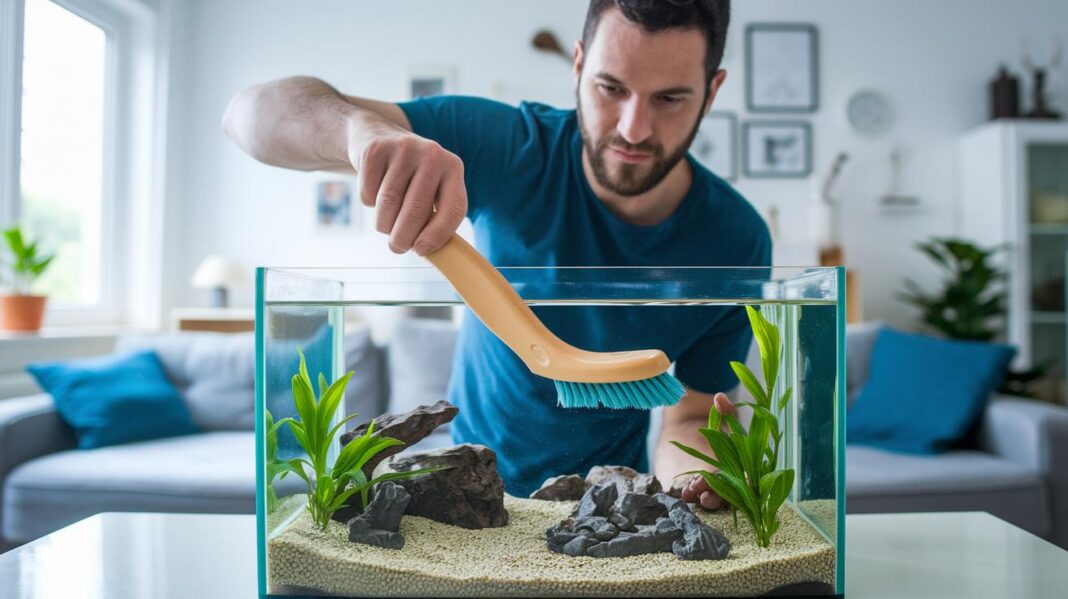

Have you ever thought about making your fish tank care a bit more eco-friendly? Imagine your tank as a small, lively stream where natural stones and live plants create a snug home for your fish.
We blend green tips with savvy choices to help your water world sparkle, no harsh chemicals needed. Next, we're sharing easy ways to brighten your tank while using less energy, like swapping in LED lights and low-watt filters.
This guide shows you how to care for a healthy, sustainable tank that your fish will truly love.
Comprehensive Eco-Friendly Fish Tank Maintenance Solutions
Dive into the basics by decorating your tank with natural touches like smooth stones, live plants, and organic substrates. This creates a mini habitat that feels like a wild stream and lets your fish enjoy a forgiving environment free from harsh chemicals. A handy tip: choose calm, neutral materials that encourage good bacteria and help keep your water clear, just like nature does with its own filters.
Routine care is key in keeping your underwater world healthy. Change around 10–20% of your water regularly to control waste and balance the water's chemistry. Think of it as tending a small garden: do daily checks for clear water, a quick weekly siphon for debris, and a monthly test for essentials like pH, ammonia, and nitrites. It’s a simple way to avoid big problems down the line.
Using energy-smart equipment adds to the eco-friendly vibe too. Swap out old-style lights and pumps for energy-efficient LED lights and low-wattage filters. These upgrades not only lower your power use but also light up your tank with a soothing, natural glow. For instance, setting an LED timer for meal times or viewer moments can save electricity while showcasing your aquatic life beautifully.
Finally, pair these practices with gentle cleaning methods. A soft scrub using natural pads or brushes does the trick without resorting to harsh chemicals. This careful routine helps ensure your aquarium remains a vibrant, sustainable underwater haven where your fish can truly thrive.
Sustainable Aquarium Cleaning Practices
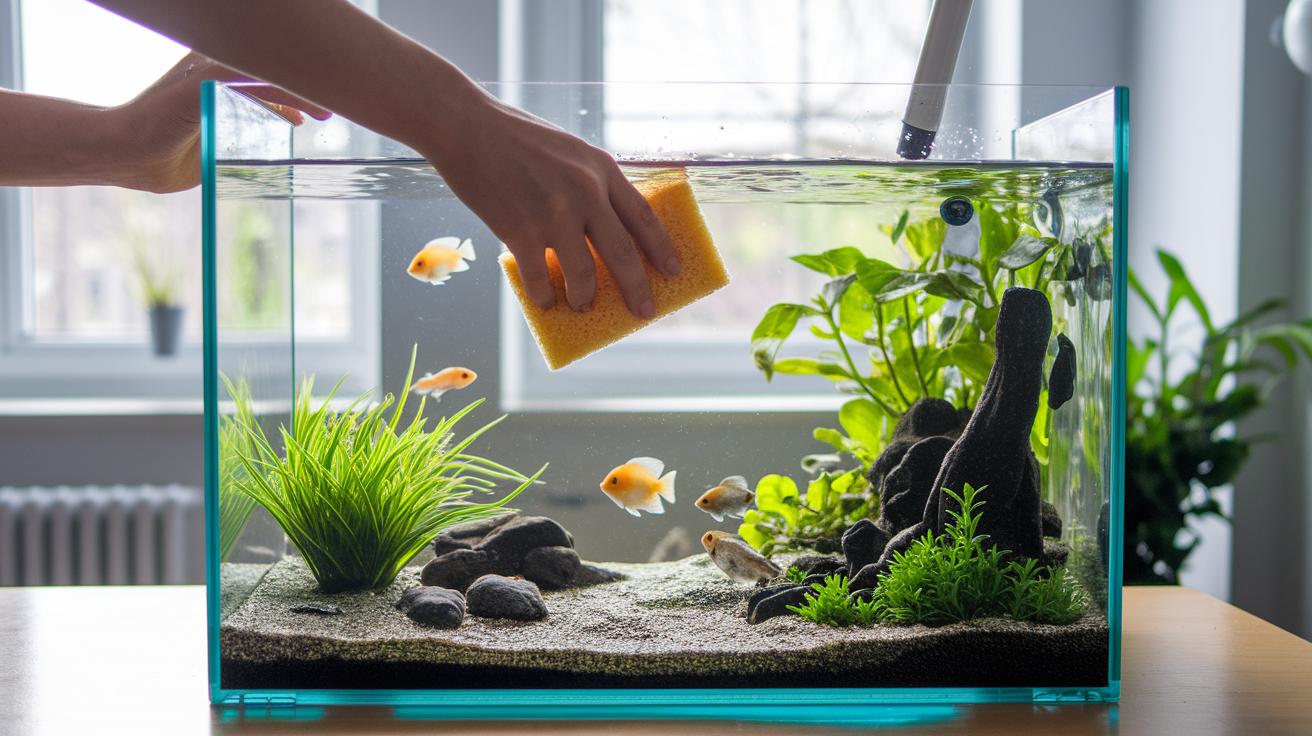
When it comes to cleaning your tank in a way that respects nature, try using simple, non-toxic methods that work with care. Start by cleaning the glass manually with soft, eco-friendly brushes and natural pads. For example, grab a gentle, biodegradable sponge and softly scrub the glass to lift off algae while keeping scratches at bay.
First, gather all your eco-friendly cleaning tools like natural pads and brushes. Then, use a siphon or a gravity-fed method to draw out debris from the bottom of your tank. This careful process clears out waste without resorting to harsh chemicals, keeping your freshwater home balanced and safe.
- Use a natural pad to wipe clean the glass and remove algae.
- Employ a gravity-fed siphon to lift away dust and debris from the tank floor.
- Rinse surfaces with water mixed with a plant-based cleaner for a gentle sanitize.
Following these steps sets up a trusted eco-clean routine for your tank. Every little action helps keep your aquarium sparkling and creates a healthy habitat where your fish can thrive. Isn't it nice to think that every swipe and rinse contributes to a more natural, kind, and safe environment?
Green Aquatic Upkeep Methods: Natural Algae Control & Water Quality
Keeping your fish tank clear and bright is easier than you think – try blending natural algae control with regular water check-ups. Start by adding algae-loving fish or snails; these little helpers nibble on excess algae just like nature’s own cleaning crew. And don’t forget to introduce live plants. They grow fast and use up nutrients, giving algae a tough time, much like a friendly underwater contest.
Regular water testing is key, too. Think of it as a routine health check-up for your tank. A quick look at your pH, ammonia, and nitrites levels can catch little problems before they stress out your fish. When your water stays balanced, the whole tank feels calm and supportive. Testing once or twice a week can really save you from bigger issues later on.
- Add algae-loving fish or snails to help keep algae in check.
- Include live plants that grow quickly to outpace algae.
- Keep an eye on water quality by measuring pH, ammonia, and nitrites regularly.
By choosing nature’s way, you skip harsh chemicals and let every plant, fish, and snail work together in a self-sustaining ecosystem. Your tank becomes a peaceful, thriving haven that mirrors the natural balance of a clear, flowing stream.
Eco-Compatible Filter and Equipment Maintenance
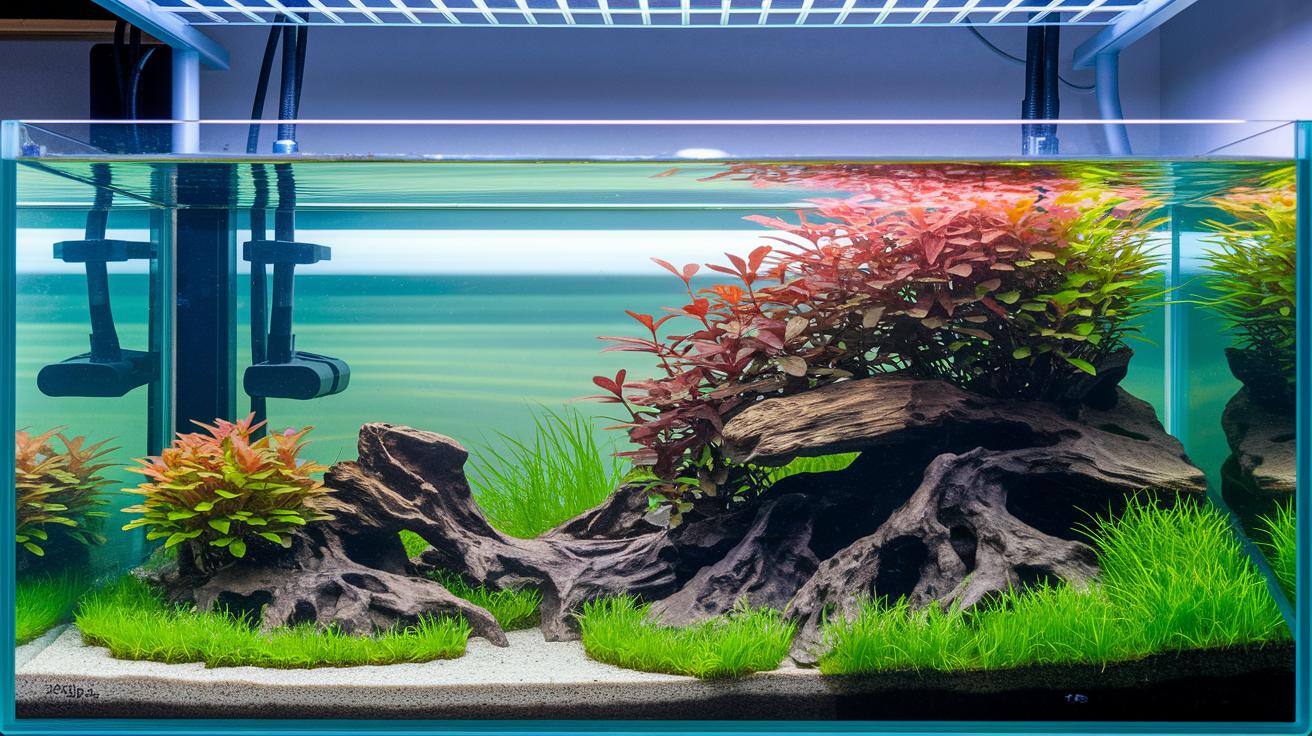
Energy-smart pumps and filters are crucial for keeping your tank as natural as a clear mountain stream. By choosing energy-efficient gear, you not only reduce your power bill but also create a healthier home for your fish. Think of your filter as nature’s own cleaning crew, it works mechanically and biologically to keep your water fresh.
Backwashing your filter is an easy way to clear out debris without adding extra chemicals. For instance, after a day of heavy feeding, a good backwash can sweep away leftover organic waste. I remember a time when I noticed my water wasn't as clear, so I cleaned my filter by rinsing the reusable media in some of the tank water. This way, the beneficial bacteria stayed safe while the water flow was restored.
It’s smart to set a regular schedule to inspect and replace worn-out filter parts. Checking components like filter media, impellers, and seals every week or two will keep your pump in tip-top shape and help it last longer. For step-by-step instructions, you can check out "tips for maintaining and replacing aquarium filter media" on Sweetfysh.
When you create a routine for equipment care, you rely less on harmful additives and get more time to enjoy a clear, thriving tank. Regular cleaning, backwashing, and timely replacements help keep your tank balanced, just like the rhythmic flow of a gentle stream.
Organic and Non-Toxic Cleaning Agents for Aquaria
Organic cleaning agents do more than just clean up your tank; they help keep everything in balance. They lift away built-up gunk while taking care of the friendly bacteria that work hard to keep your water clear. Think of it like using a natural conditioner with plant-based enzymes that gently brush off algae, much like cleaning a smudged window.
It’s really important to pick products that don’t include harsh chemicals like dioxane or phosphates. Look for eco-certification labels because they show that the product meets green standards and has been checked for safety in aquaria. For example, go with a conditioner marked with an eco-certification sticker to know it’s safe for your underwater friends.
- Choose products free of dioxane and phosphates.
- Confirm environmental certifications for sustainable performance.
- Follow manufacturer dilution guidelines to maintain a balanced biofilter.
These tips give you a fresh way to look at organic agents, nurturing and protecting your aquarium ecosystem while keeping it natural and healthy.
Energy-Efficient Eco Heating and Lighting Solutions
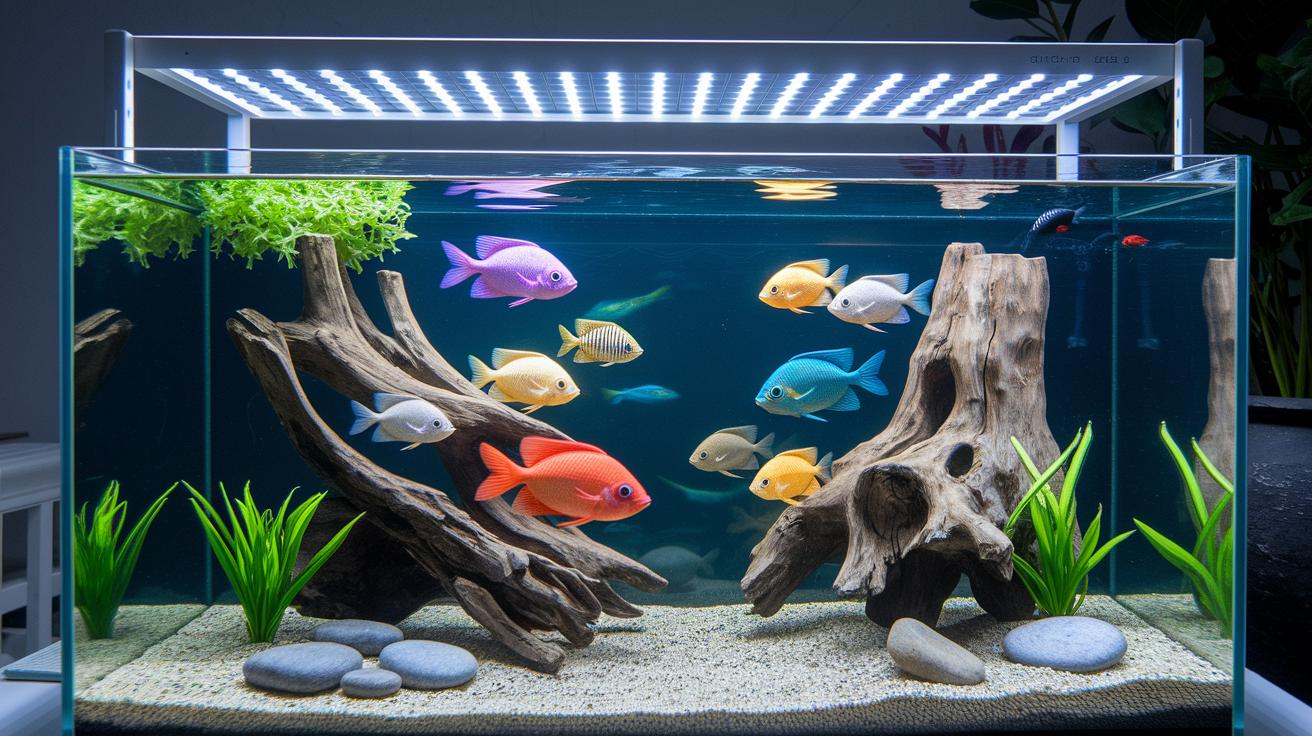
Switching to smart, low-power gear can really transform your aquarium. Think about starting with LED lights. They not only bathe your tank in a gentle glow but also cut down on power use. In fact, using LEDs for a medium-sized tank can save you nearly half your energy costs compared to older systems.
Have you ever considered a heater that knows when to take a break? Thermostatic heaters with timers do just that. Set it up so the heater automatically turns off when your water reaches the perfect temperature. It’s like having a little helper that keeps things cozy without wasting energy, ensuring your fish always feel at home.
Just like a routine check-up keeps you feeling fresh, a quick look at your lighting and heating gear can make all the difference. This little maintenance step not only helps your equipment last longer but also keeps it performing its best.
- Pick LED lights that match your tank’s size.
- Use timer-equipped thermostatic heaters to keep the water cozy.
- Check your gear often to ensure smooth, efficient operation.
These energy-wise choices help lower your electricity use while giving your aquatic pals a comfortable, happy home.
Natural Décor and Bioactive Substrate Management
When you set up a fish tank that feels like a slice of nature, it all begins with picking the right items. Start with safe woods and stones that give your tank structure without changing the water's natural balance. Add organic soils and mineral-rich substrates to create a comfy home for good bacteria that break down waste naturally. For example, you could use aquarium plant soil (find out more here) to help build layers that feed nutrients.
A smart plan for managing your substrate means your helpful bacteria can grow strong, keeping your tank lively and healthy. Imagine mixing different layers of substrate to mimic a natural riverbed; it not only makes your tank look stunning but also boosts its own cleaning process so you won’t need many chemicals.
Every once in a while, give the substrate a gentle stir. This simple step stops it from hardening and makes sure both the plants and bacteria get the nutrients they need to thrive.
- Pick safe materials that won’t upset the water balance.
- Use organic soil and mineral-rich layers for natural feeding.
- Stir gently from time to time to boost natural water cleaning.
By using these easy, natural care tips, your aquarium becomes a vibrant mini-ecosystem where your fish can flourish and you can relax, enjoying a beautiful underwater world.
Routine Eco Maintenance Schedules and Water Change Protocols
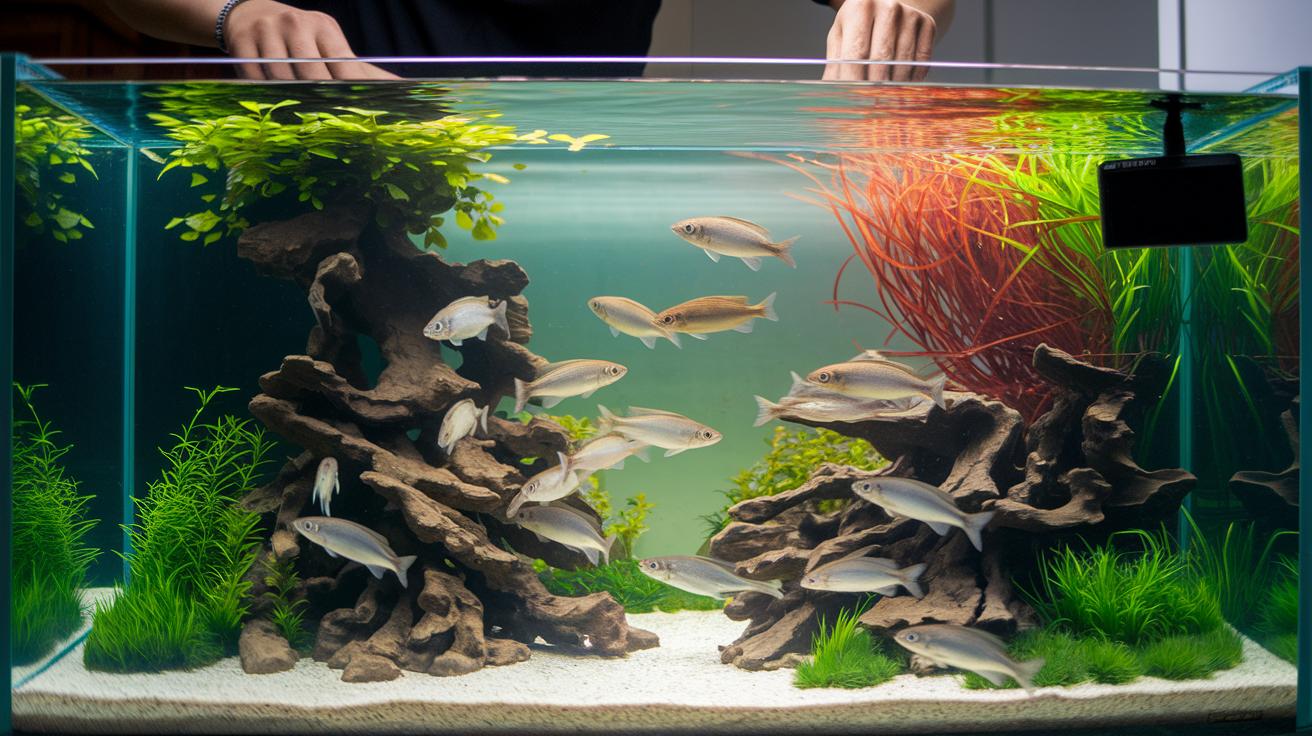
Keeping your aquarium healthy is as smooth as a gentle current when you stick to a routine. Every day, take a little time to admire your tank, check that the water is clear, listen to the soft hum of your filter working, and notice any tiny changes in your fish's behavior or a new tint in the water. Jotting down your observations, like noting that the water sparkled as bright as a fresh mountain spring, can help you keep track of subtle shifts in pH, ammonia, or nitrite levels.
Each week, give your tank a little refresh by replacing 10–20% of the water with dechlorinated water. Use a gentle siphon to remove particles that have settled, keeping your live plants and beneficial bacteria undisturbed. A short checklist can help you remember each step without overlap.
Every month, take a closer look at your equipment. Check for any signs of wear and use eco-friendly tools to clean surfaces. Keep logging your water readings over time so you can easily spot any gradual changes and tweak your routine when needed.
- Daily: Glance at water clarity and filter performance, and note down any small changes.
- Weekly: Replace 10–20% of dechlorinated water using a gentle siphon.
- Monthly: Inspect your equipment, clean with eco-friendly tools, and review your recorded water parameters.
Final Words
In the action, our guide showed simple ways to create a natural aquarium setting using sustainable decor, routine water changes, and energy-saving equipment. The steps covered natural cleaning agents, green filter care, and balanced habitat ideas that work together to keep your tank thriving. All these measures fit perfectly with eco-friendly fish tank maintenance solutions, proving that maintaining a beautiful, healthy tank can be both kind to your fish and the planet. Enjoy watching your underwater world flourish every day.
FAQ
What are some top eco-friendly fish tank maintenance solutions available in the USA, including DIY options and cost considerations?
Eco-friendly fish tank maintenance solutions combine sustainable cleaning practices, energy-efficient equipment, and natural décor. DIY methods often use biodegradable cleaners and routine water changes, keeping expenses low without sacrificing your fish’s health.
What defines a self-cleaning fish tank with plants and how does it work?
A self-cleaning fish tank with plants uses live vegetation to naturally filter water by absorbing waste. This method balances the tank ecosystem, reducing manual cleaning while creating a natural, appealing aquatic environment.
How do you keep your fish tank clean naturally and maintain a low-maintenance aquarium ecosystem?
Keeping your fish tank clean naturally means relying on scheduled water changes, biodegradable cleaning tools, and biological controls like algae-eating creatures or live plants to help balance the ecosystem while minimizing upkeep.
What is the golden rule for tank maintenance?
The golden rule for tank maintenance is consistency. A steady routine of water changes, debris removal, and parameter monitoring with eco-friendly methods helps keep your fish healthy and your ecosystem stable.