

Ever thought about whether your filter might be letting harmful toxins drift into your water? A clean filter is like a gentle current that keeps your tank safe and sparkling.
In this guide, you'll discover some easy tips to check how water moves, look over the seals (the parts that keep water in place), and clear away any debris. These simple tasks help create a cozy home for your fish, free from unwanted buildup.
Let's dive into these maintenance tips and make caring for your tank feel as refreshing as a soft splash on a sunny day.
Essential Steps in Aquarium Filter Maintenance
Keeping your filter in great shape is the secret to a happy, healthy tank. A filter that is well cared for keeps your water clean and full of oxygen, while keeping nasty toxins like ammonia away. This simple routine makes sure your fish and all your aquatic friends live in a safe, comfy home.
Taking care of your filter is just as important as feeding your fish. Every little task, like checking the water's flow rate, is a step toward a clear and lively tank. It’s like feeling a gentle current after a long day, refreshing and essential.
- Check the flow rate by comparing it to the maker’s numbers so you can spot any drop early.
- Look over the seals and fittings to catch any leaks or damage that might slow the water.
- Give the mechanical media a good clean to sweep away trapped waste and debris.
- Swap out or refresh the chemical media, like activated carbon, on schedule. For more ideas, see tips for maintaining and replacing aquarium filter media.
- Examine the biological media carefully to make sure the helpful bacteria are doing fine; be gentle so you don’t disturb them.
- Regularly test your water to check that ammonia, nitrites, and nitrates stick to safe levels.
Following these simple steps keeps your filtration process running smoothly and helps avoid any surprises. Routine checks not only make your filter last longer, but they also keep your underwater world vibrant and safe.
Choosing the Right Filter Type for Your Aquarium Maintenance

Keeping your aquarium healthy is all about choosing the right filter. Different filters work best for different tank sizes and cleaning needs. For a small tank, a sponge filter is a great pick because it is gentle, quiet, and super easy to maintain.
For medium-sized tanks, a hang-on-back (HOB) filter does a fine job. It sits on the outside of your tank, making it easy to check and adjust while still giving your water a good flow. And for larger tanks, canister filters offer strong filtration power, but you’ll need to set aside a bit more time for cleaning every three to four months.
| Filter Type | Recommended Tank Size | Maintenance Frequency |
|---|---|---|
| Sponge | Small | Regular cleaning |
| HOB | Medium | Monthly cleaning |
| Canister | Large | Every 3–4 months |
Sponge filters are perfect for beginners because they’re simple and don’t cost much. HOB filters give you a solid balance between ease of monitoring and cleaning, since you can quickly see what’s going on. Meanwhile, canister filters pack a punch for big aquariums but do need a bit more careful care when cleaning.
Each filter type brings its own benefits and little challenges. So, think about your tank size, how many fish you have, and how comfortable you are with maintenance before you choose the one that’s right for you.
Mastering Mechanical, Chemical, and Biological Filter Care
The filter system uses three different tricks to keep your water clean, each one working like a team to make your tank sparkle. This guide runs you through simple, everyday steps without rehashing the same details.
Mechanical Filtration
Mechanical filtration acts like a net that catches bits like fish waste and leftover food. You can use filter sponges or even floss to trap larger debris. Rinse these parts gently with some old tank water every few weeks to help clear out clogs while keeping the good bacteria safe. It’s a bit like giving your tank a soft, refreshing rinse that keeps everything flowing nicely.
Chemical Filtration
Chemical filtration uses activated carbon, a special kind of material that soaks up dissolved toxins, to clear out unwanted chemicals. To keep it working well, swap out the carbon once a month. By replacing the spent media with fresh material, you help your tank stay clean and healthy, much like giving it a monthly detox.
Biological Filtration
Biological filtration is all about giving a home to beneficial bacteria. Using items like media rings, ceramic rings, or bio-balls, these friendly bacteria transform harmful ammonia into safer nitrates. Gently rinse these pieces with a little old tank water to wash away visible grime but preserve the bacterial colonies. It’s like letting a gentle current clean your tank while leaving behind the tiny helpers that keep your water safe.
| Filter Type | Key Function | Maintenance Tip |
|---|---|---|
| Mechanical | Catches solid debris | Rinse with old tank water every few weeks |
| Chemical | Absorbs dissolved toxins | Replace activated carbon monthly |
| Biological | Houses beneficial bacteria | Gently rinse media with some old tank water |
By tending to each filter type on a regular schedule, you keep your tank balanced and your fish thriving. Happy fishkeeping!
Scheduling Regular Aquarium Filter Inspection and Maintenance Checks
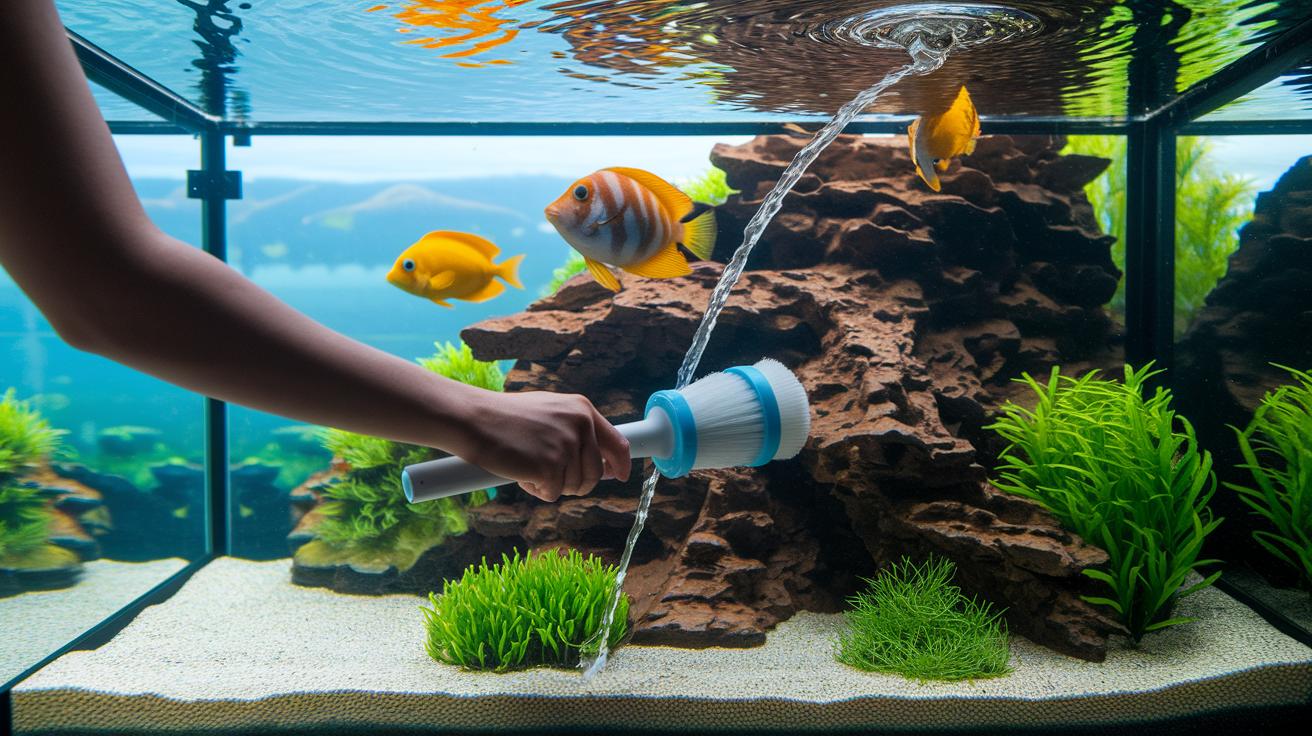
When you keep an eye on your filter regularly, you catch little issues before they turn into big problems. It’s like making sure the water flows smoothly in your favorite pond, clear water means a happy home for your fish. Plus, sticking to a regular check-up routine makes caring for your aquarium feel effortless.
Every day, take a moment to:
- Check the water flow at the filter inlet to see if anything is blocking it.
- Make sure all the pipes and fittings are tightly in place.
- Give the filter a quick look for any debris that might slow things down.
Each week, try these steps:
- Look at the pump’s flow to be sure it’s working like it should.
- Scan the whole filter housing for any leaks or signs that it’s wearing out.
- Watch the impeller to see that it spins smoothly without anything in its way.
Every month, treat your filter to a deeper clean:
- Remove the impeller and rinse it with some aquarium water.
- Run a full media rinse to flush out any built-up waste.
- Test your water to confirm that ammonia, nitrite, and nitrate levels stay safe.
Don’t forget to jot down each maintenance task. Keeping a simple log helps you spot any recurring issues before they turn into major headaches.
Detailed Step-by-Step Cleaning Procedures for Aquarium Filter Components
Before you start cleaning, make sure your filter is completely off. Unplug it from the wall and switch off any UV sterilizers in your setup. Think of it like pausing a gentle stream before you clear out any drifting leaves, keeping both you and your equipment safe.
Next, take apart your filter following the guide from the manufacturer. Remove the impeller, the housing, the inlets, and the outlets with care. Use a soft brush, sponge, or even some gentle floss for each part. When you're cleaning media like sponges or ceramic rings, avoid tap water. Instead, use water from your tank so you don’t wash away the good bacteria that help your tank thrive.
Once everything is taken apart, gently brush off any visible dirt from the impeller and housing. Rinse each piece with your old tank water, letting the water carry away the debris while keeping the helpful bacteria intact. Give extra attention to the inlets and outlets by using a small brush or sponge to get into all the small, hidden spots, just like flipping through your favorite book without damaging its pages.
After you've rinsed all the parts and the stubborn buildup is gone, let them drain and dry for a little while. Then put your filter back together exactly as the guide suggests. Check that every seal and fitting is secure and nothing is out of place.
Finally, turn your filter on again and watch the water flow. Make sure the impeller spins smoothly and the water moves steadily. This final step confirms that your cleaning has been successful, ensuring your aquatic friends enjoy a clear and safe environment.
Best Practices for Aquarium Filter Media Replacement and Bio-Media Care

Changing your filter media on a regular schedule is like keeping a gentle current moving through your tank while safeguarding the helpful bacteria. It gives those little creatures a steady place to live and work, which is essential for a happy, healthy aquarium.
Try swapping one type of media at a time. For example, switch out your sponges one week and the ceramics the next so the bacteria always have a home. When cleaning your media, rinse them gently in a bit of tank water to keep them moist and preserve those beneficial microbes.
Keep an eye on your sponges and ceramics, replacing them only when they start to show signs of wear. Arrange your filter media in layers, with the coarser material at the front and the finer ones at the back, saving the chemical media for last, to help everything work together naturally.
Don’t forget to follow the manufacturer's tips for each type of media. Check your filter’s care guide for things like monthly activated carbon changes. Using a simple, set schedule makes sure your filter does its job in cleaning the water both mechanically and biologically.
Taking good care of your filter media creates a smooth, healthy routine that leads to clearer water and an aquarium where every fish feels right at home.
Troubleshooting Common Aquarium Filter Problems and Solutions
When your tank’s water isn’t as clear as usual or the gentle flow seems to slow down, it might be your filter signaling that something's off. Even small hints like a bit more noise or a tiny drop in water movement are signs that your filter needs a little tune-up. Acting on these clues early can save you from bigger issues later on and help keep your underwater world safe and cozy for your fishy friends.
| Problem | Likely Cause | Quick Fix |
|---|---|---|
| Clogged Filter | Debris buildup on the filter media | Gently rinse or clean the media using tank water |
| Reduced Water Flow | Waste accumulation or a worn out impeller | Check and clean the impeller, replace if it looks worn |
| Unusual Noises | Air trapped or damaged parts | Release the air from the filter and replace any suspect parts |
| Decreased Water Clarity | Exhausted chemical media unable to remove toxins | Swap out the chemical media, like activated carbon |
If these fixes don’t do the trick or you keep noticing problems, it might be time to call in a pro. Especially if leaks keep happening or your filter’s performance stays low even after regular check-ups, a professional might spot those subtle issues that are hard to see on your own.
Optimizing Water Flow for Peak Aquarium Filter Performance
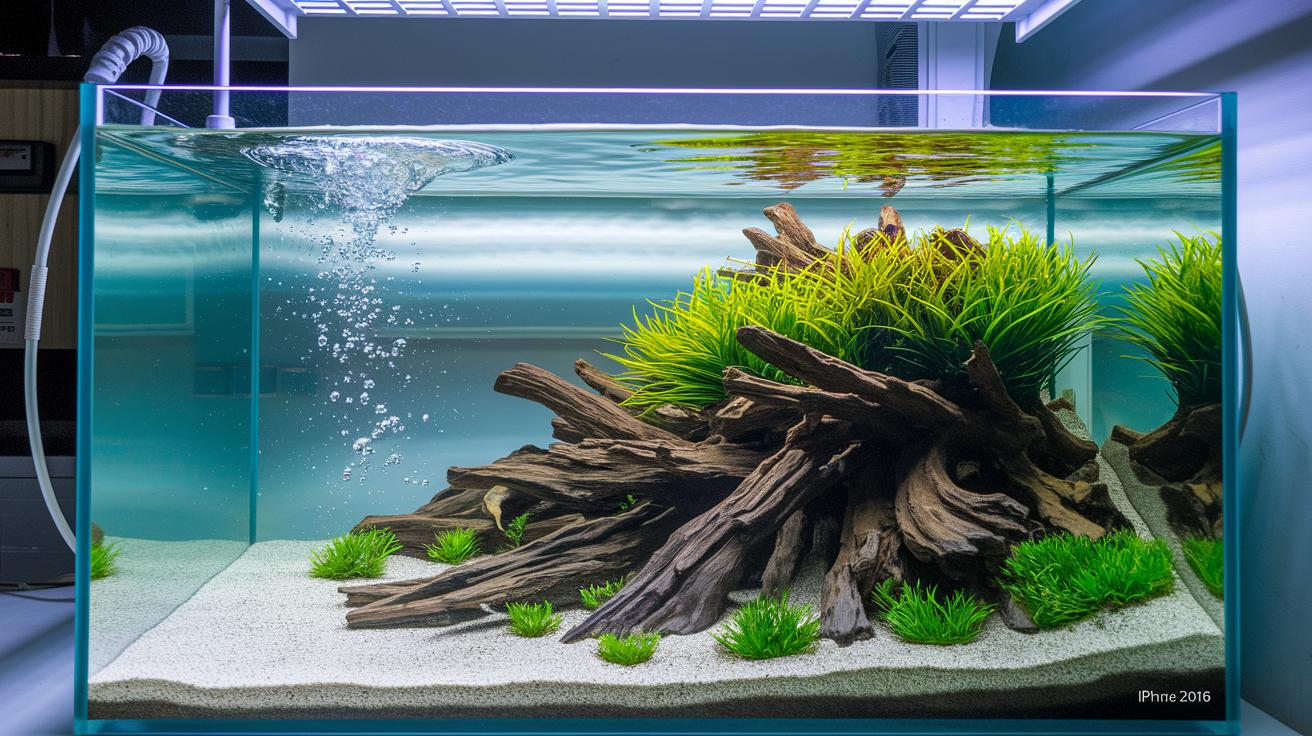
A smooth, steady water flow is key to keeping your aquarium happy and healthy. When water moves evenly, it spreads oxygen all around, helps keep the temperature stable, and stops any harmful build-ups from forming, kind of like the gentle current in your favorite pond.
I like to check my filter’s output every month. By comparing what I see to the manufacturer's guidelines, I can catch little issues before they become big problems. It’s a bit like noticing when a small stream starts to slow down.
Here are a few easy steps to boost your water flow:
- First, do a simple water flow test. If you see a noticeable drop in performance, it might mean the filter is getting blocked or is wearing out.
- Next, adjust any valves or reposition the tubing so water reaches every part of the tank. Even small tweaks can make a big difference by preventing any stagnant spots.
- Keep an eye on the flow over time. Write down any changes and compare them with your maintenance schedule. This way, you can spot trends and fix issues quickly.
- Lastly, check for signs of overheating or the filter running dry, as these can lower its efficiency.
Remember, it’s best to make small, careful adjustments. Too much tweaking can disrupt the balanced flow your tank needs to thrive. Enjoy watching your aquarium bubble with life!
Eco-Friendly and Safe Aquarium Filter Maintenance Practices
Before starting any cleaning, turn off the power and unplug your UV sterilizer. This simple step is like pausing a gentle stream, letting everything settle before you dive in.
Next, rinse your filter media with water taken from your old tank. This trick helps preserve the tiny, friendly bacteria that work hard to keep toxins in check. Think of it as letting nature sprinkle its secret magic over your filter.
Then, add a plant-based, non-toxic cleaning agent to your routine. Be extra careful when disposing of any waste, just like you would take care of a favorite seashell on the shore. Rinse every part slowly so you don't wash away those valuable bacteria.
By following these steps, you're making sure your aquarium stays as lively and healthy as a clear, bubbling stream. Enjoy the process and watch your underwater world thrive just like nature intended.
Final Words
In the action of optimizing our aquarium filter systems, we covered core steps to keep your tank thriving. We explored key tasks from checking water flow to careful media replacement and troubleshooting common hiccups.
Following a complete guide to aquarium filter maintenance helps keep your aquatic home clear, balanced, and visually appealing. Regular care brings confidence and joy to maintaining a lively underwater setting. Enjoy watching your fish flourish in beautifully cared-for water!
FAQ
How to maintain an aquarium filter?
Maintaining your aquarium filter means regularly checking the unit, rinsing media in old tank water, and ensuring all parts are clean. This keeps water flow steady while protecting beneficial bacteria.
How often are you supposed to clean your fish tank filter?
Cleaning your fish tank filter should generally occur every two to four weeks. This regular upkeep helps remove debris and prevent clogging, ensuring healthy water circulation.
How to change an aquarium filter cartridge without losing bacteria?
Changing your filter cartridge without losing bacteria involves rinsing it gently in old tank water. This practice safeguards the beneficial colonies that help break down harmful waste in your tank.
How often should I change the water in a fish tank with a filter after?
Changing water in a filtered tank is best done through partial water changes about once a month. This routine helps keep toxin levels low and maintains balanced water parameters.