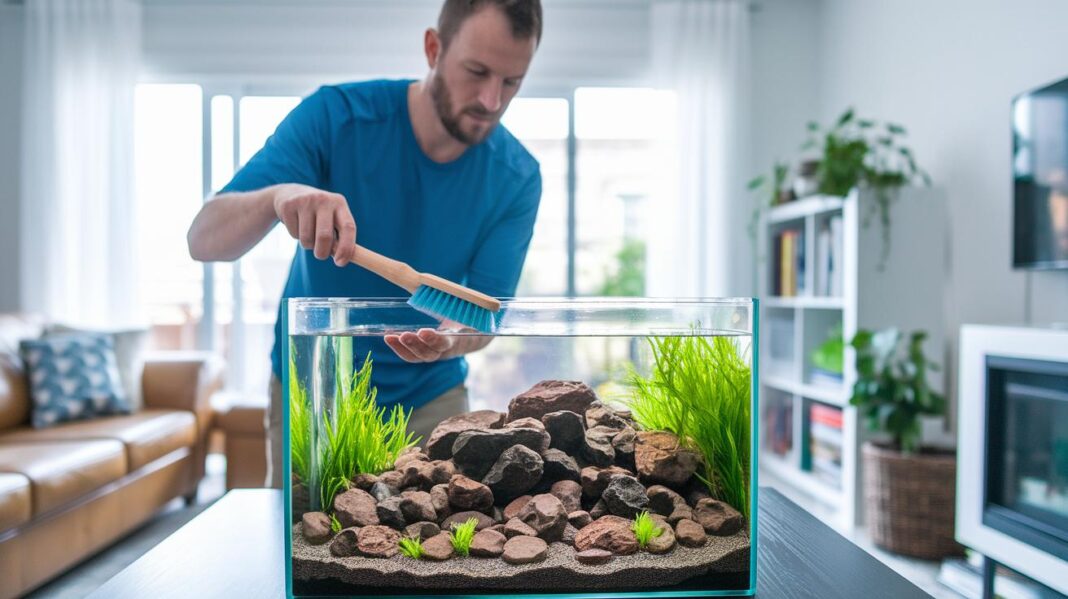

Do you ever get overwhelmed by all the cleaning your tank needs? I used to feel that way too until I discovered some neat tricks to slash my cleaning time.
Imagine spending less time scrubbing and more time enjoying the gentle glow of your vibrant tank. Small changes, like setting up automatic timers and inviting friendly critters such as snails and shrimp, can make your water as clear as a calm pond.
These simple ideas helped me reclaim hours each week. In this post, I'll share practical tips that turn tough tasks into a quick routine, giving you extra moments to relax and enjoy your underwater world.
Key Strategies to Reduce Aquarium Maintenance Time
Using automatic timers for your lights and CO₂ outlets keeps your tank on a set schedule, so you don’t run the risk of over-lighting and getting that green water look. I once struggled with algae blooms until I started running an eight-hour light cycle, now, my tank is as clear as a calm lake.
Swapping out 20-25% of your water every week or two with a high-flow gravel vacuum is like giving your tank a refreshing shower. It helps keep nitrate levels down to less than 50 ppm. And when you’re adding new substrate, give it a quick prewash in a bucket with your garden hose to wash away any tiny particles that might cloud your water.
Adding a friendly crew of critters like snails, shrimp, and plecos can work wonders too. These little helpers nibble on algae and debris, which means less time scrubbing and more time enjoying your aquatic world. Plus, regular nitrate tests and only doing water changes when levels pass 50 ppm mean fewer unnecessary tasks.
Together, these tips create a smooth routine that cuts down maintenance time by about 30%. They not only make caring for your tank simpler but also help create a healthy, thriving environment for both fish and plants, leaving you more time to appreciate the gentle rhythm of tank life.
How Automation Tools Cut Aquarium Maintenance Time
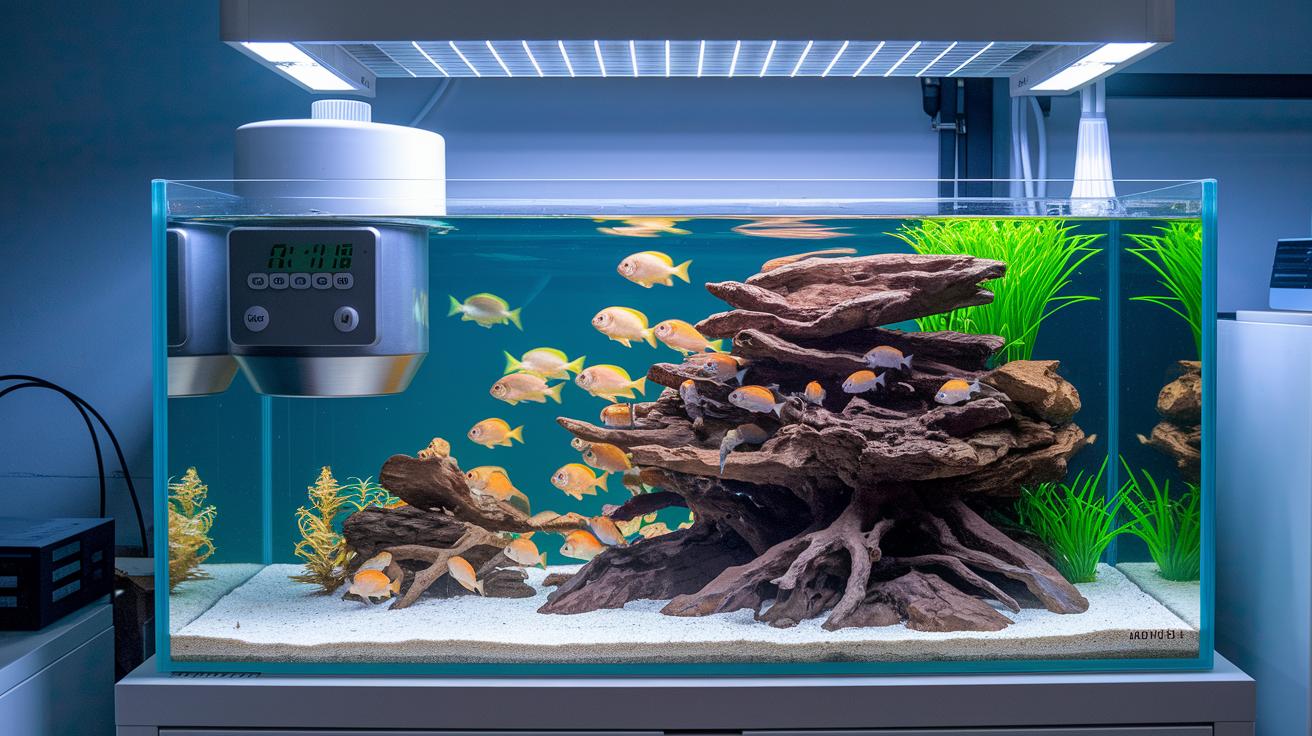
Automatic gadgets can really change the way you care for your tank, cutting out the daily tedium and keeping everything in perfect harmony. For instance, automatic feeders dish out just the right amount of food each time, which means less leftover bits that could cloud your water or call for extra scrubbing. Digital timers for things like your tank lights and CO₂ help maintain a steady schedule, this stops too much light or CO₂ from causing issues like algae blooms. It’s kind of like having your own little underwater helper; you set everything up and then come back to a peaceful, well-kept tank!
Auto top-off systems work their magic too by keeping the water level and minerals just right, so you end up spending less time checking on your tank and more time enjoying your fish. And with smart sensors and remote apps, you get real-time updates on everything from temperature to pH levels. I remember a friend telling me how surprised she was when her sensor pinged her at midnight about a slight drop in pH, it really helped her fix the problem before it got worse. These smart tools not only ease your workload but also give you peace of mind, knowing your aquatic pets are living in a healthy and balanced environment.
Automation really makes everyday tank care feel effortless.
Optimize Water Changes to Reduce Aquarium Maintenance Time
Using a high-flow gravel vacuum to swap out 20–25% of your tank water every 1–2 weeks is like giving your aquarium a refreshing spa day. It helps keep nitrate levels low and your water crystal clear.
Effective Tools for Fast Water Renewal
For a quicker water change, try using wide-bore siphon hoses or gravity-assisted drains. I once timed my water swap with these tools, wow, it nearly cut my cleaning time in half!
Smart Techniques to Cut Refresh Duration
First, warm your replacement water so it matches your tank's temperature and pH. This little step helps keep your fish calm. Then, wait to do a water change until your nitrate tests hit 50 ppm. This smart move stops you from doing extra changes and keeps maintenance simple.
Simplify Aquarium Maintenance Cleaning with Specialized Tools
Keeping your aquarium clean can feel as calming as watching gentle ripples on water when you use the right tools. Specialized cleaning gadgets simplify your routine and let your tank shine like a clear pond. Try a magnetic algae scraper, slide the magnet along the glass like you're smoothing out a mirror, and watch algae vanish before it can settle.
Sponge filters are another smart choice. They combine two jobs in one: catching debris and breaking down waste with the help of friendly bacteria. A gentle squeeze in a bucket of your tank water refreshes the sponge, making cleanup feel as satisfying as a cool dip on a warm day.
Gravel vacuums work like little currents that draw out hidden debris from the gravel. This not only clears up any cloudiness but also cuts down your scrubbing time, leaving more moments of pure enjoyment in your underwater world.
For those with aquatic plants, using an all-in-one liquid fertilizer keeps care simple. A single dose during water changes delivers all the nutrients your plants need, letting you spend less time fussing and more time soaking in the peaceful flow of your tank.
Using these focused tools means fewer cleaning steps and more time to truly appreciate your aquatic haven.
Employ Biological Helpers to Reduce Aquarium Maintenance Time
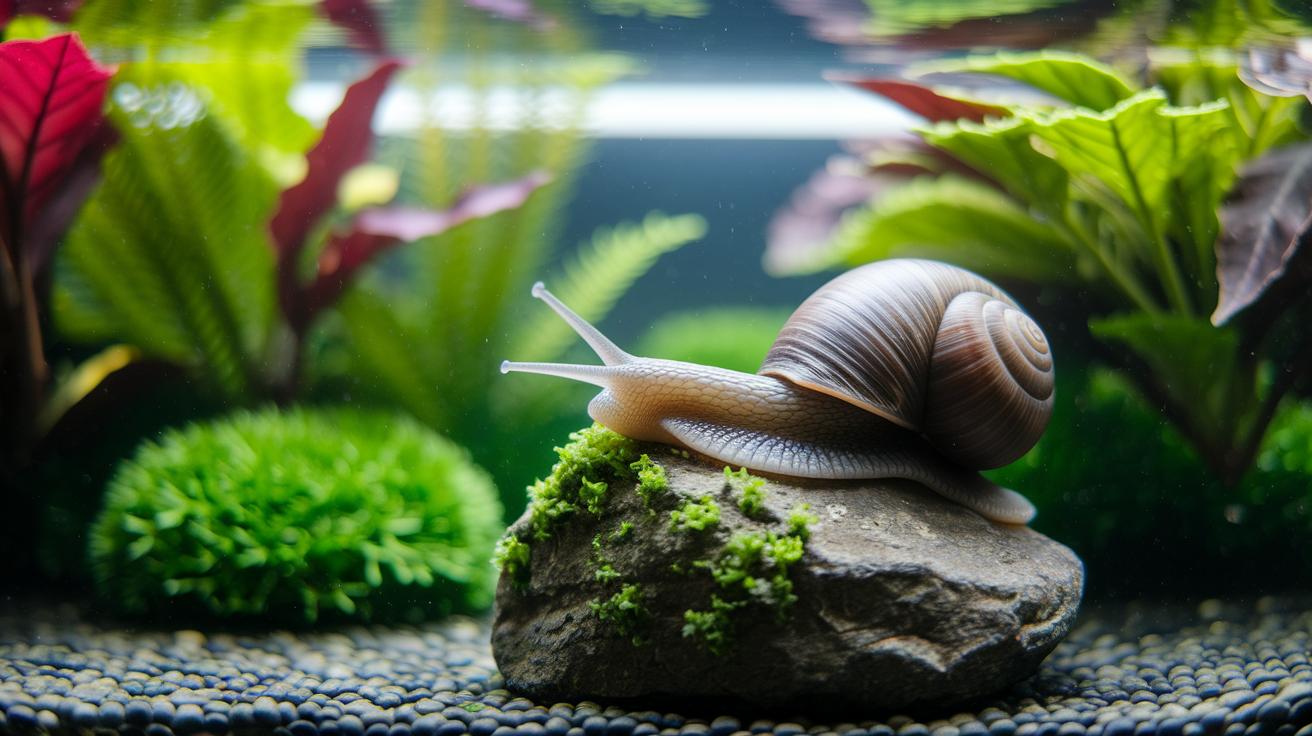
Snails, shrimp, and plecos are like a little cleaning team that munch on algae, biofilm, and leftover food. Picture a snail slowly wiping away a stubborn streak on a rock, every tiny bite helps keep your tank looking fresh while helpful filter bacteria work quietly in the background.
Live plants are nature’s own filters; they soak up extra nitrates from the water, which cuts down on nutrient levels and lessens your cleaning tasks. And if you need a little extra help, UV sterilizers and handy brushes act like a quick power wash that clears away unwanted buildup, giving your tank a refreshing boost without constant scrubbing.
Establish Efficient Scheduling to Reduce Aquarium Maintenance Time
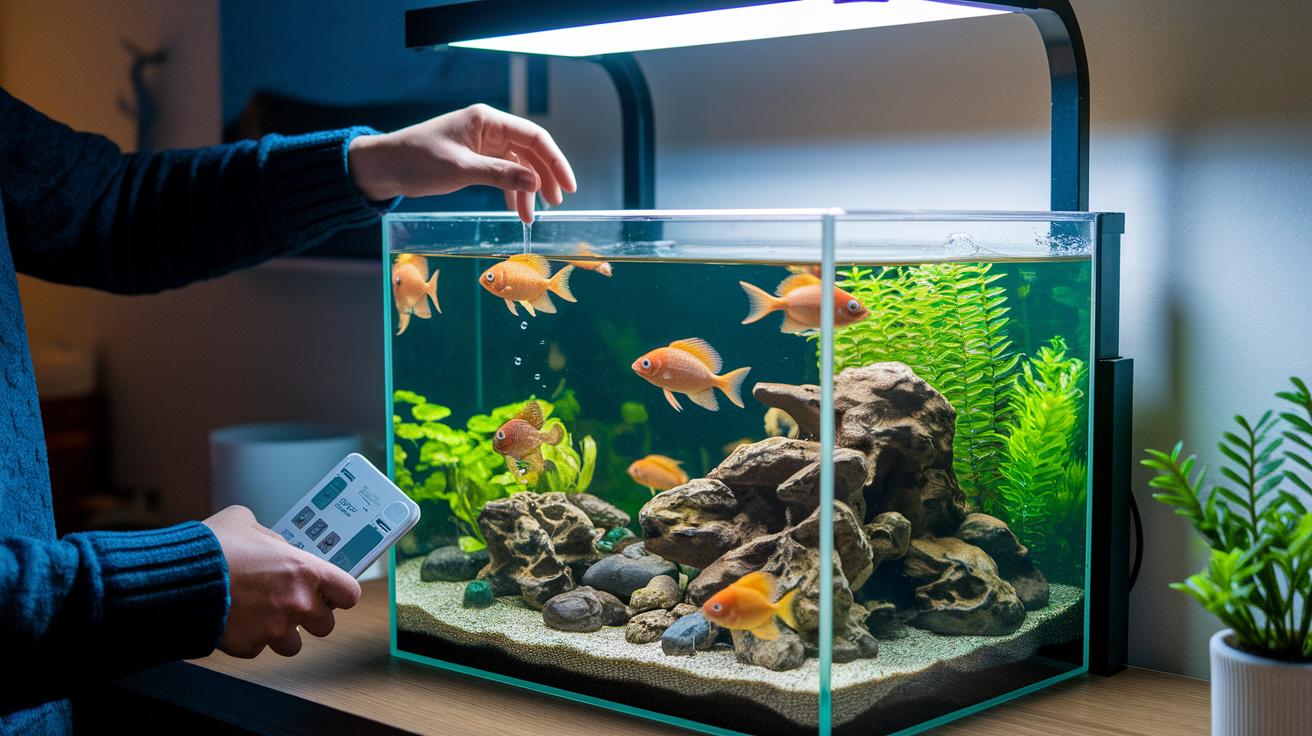
Building a steady routine is like setting the current right in your tank, it keeps everything moving smoothly and your fish happy. Start by mapping out daily, weekly, and monthly tasks, such as feeding, testing the water, and checking equipment. I like to think of it as a mini playlist: one song for water tests, the next for cleaning, and another for feeding, so nothing ever gets left behind.
Using digital calendars or aquarium apps with push notifications can make this even easier. I once set up phone alerts for water tests and filter changes, and those little reminders helped me catch problems early on.
Keeping a simple log of things like pH levels or filter maintenance is a bit like writing a diary for your aquarium. Over time, you begin to notice little changes that can tell you when extra care is needed.
Try to run your tasks in one go, first test, then clean, and finally feed, to save time and avoid having to set up everything again. This sequence not only keeps your routine neat but also makes the whole process feel as refreshing as a gentle stream.
Final Words
In the action, we explored key strategies like automation, optimized water changes, and specialized cleaning tools that help you maintain a healthy and vibrant tank. Smart scheduling and biological helpers also played a big role in cutting down effort and time.
We shared actionable tips and real steps to show you how to reduce maintenance time for your aquarium, making your setup more enjoyable and stress-free. With these ideas in place, caring for your underwater world feels simpler and more rewarding.
FAQ
How to reduce maintenance time for your aquarium?
Reducing maintenance time means using automation tools like digital timers and auto feeders, setting up routine water tests, and enlisting a natural clean-up crew to help keep your tank balanced and clear.
How to keep a fish tank clean without changing water, naturally, or without a filter?
Keeping a tank clean without water changes or filters involves using natural helpers such as snails, shrimp, and live plants, which absorb nutrients and consume debris, thereby lessening manual intervention.
How to clean a fish tank for beginners?
Cleaning a fish tank for beginners starts with a gentle gravel vacuum for partial water changes, rinsing decorations carefully, and checking water parameters to maintain a healthy, balanced environment.
How to keep a fish tank clean of algae?
Keeping a tank algae-free requires regular use of magnetic or scraper tools, limiting excess light exposure, and adding algae-eating creatures like certain fish or shrimp to naturally control buildup.
How does a fish tank cleaner machine work?
A fish tank cleaner machine, such as a magnetic scraper, uses an external magnet to remove algae and grime from the glass surfaces, making cleaning easier and reducing manual scrubbing time.
How can a fish tank cleaning service help you?
A fish tank cleaning service handles in-depth cleaning tasks like debris removal and equipment checks, saving you time while ensuring your aquatic pets enjoy a consistently healthy environment.
What is the golden rule for tank maintenance?
The golden rule for tank upkeep is to stick to a consistent schedule of regular partial water changes, cleaning, and testing, which prevents buildup and keeps your aquarium balanced.
How to keep a fish tank clean for a long time?
Maintaining long-term cleanliness requires a routine schedule, smart automation tools, and natural cleaners that continuously help remove waste, so you spend less time on repetitive chores.
What is a regular maintenance schedule for aquariums?
A typical schedule includes daily feeding and quick cleaning, weekly water tests and partial changes, plus monthly equipment checks. This consistency keeps water parameters stable and fish healthy.
How to make a self-maintaining fish tank?
Creating a self-sustaining tank involves integrating automation like feeders and timers, using natural clean-up crews, and developing a routine schedule that minimizes manual tasks while ensuring steady balance.