

Ever dreamed of turning your aquarium into a window to an underwater wonderland? With our premium low-iron glass, every splash of vibrant color and each gentle ripple lights up your room like the soft dance of sunlight on water.
In this post, I'll walk you through everything you need to know about these glass tanks. We'll cover details like smooth, safe edges and explore different purchase options that can fit any budget.
Ready to see how the perfect tank can transform your fish’s home into a crystal-clear view of nature?
Overview of Aquarium Tanks Glass: Features and Benefits

Have you ever marveled at an aquarium that feels like a clear, endless window into an underwater world? Rimless glass designs make that possible. By removing any distracting borders, these tanks let you enjoy your aquascape to the fullest. It’s like watching every ripple and color shift without any interruptions, a perfect treat for lovers of planted, marine, and reef systems.
The secret behind this crystal-clear view is low-iron premium glass. With about 91% light transmission, this almost pure glass shows off the true colors of your fish and plants, much like how sunlight sparkles on calm water. Many enthusiasts say it feels like stepping into a vivid underwater scene where every detail is crisp and bright.
Moreover, smart cutting and polishing techniques create beautifully neat 45° mitered edges. This precise work not only boosts the tank’s visual charm but also makes it tough and safe. In short, these aquariums offer a blend of style and strength, perfect for anyone who wants both beauty and durability in their fish enclosures.
Types of Glass in Aquarium Tanks Glass: Materials and Construction

When you build an aquarium, the type of glass you choose is a big deal. It not only makes your tank look dazzling but also keeps it safe and solid. Today’s glass tanks are made with modern techniques that give you amazing clarity, toughness, and a perfect view of your underwater world.
There are different types of glass you might see. For example, low-iron glass gives you the clearest, most true-to-life colors. Tempered panels add extra strength for safety. Laminated or layered glass is made of several layers bonded together for extra support. And then there’s standard float glass, which is a friendly option if you are setting up a smaller tank.
Low-iron glass lets nearly all the light pass through, making every color shine like a brilliant coral reef. Tempered panels have been heated to make them strong enough to handle everyday bumps and pressure. Laminated glass, with its layered bonding, gives you a tough tank if you want to push your aquarium design to the limits. And standard float glass is a budget pick that still works well and keeps your fish home safe.
Each panel is joined together using aquarium-grade silicone. This special glue is about five times stronger than regular clear silicone, so it seals your tank tight along every smooth or beveled edge. Because of these perfectly sealed seams, your aquarium holds up over time, keeps the water chemistry stable, and makes sure your fish swim safely, day after day.
Design Styles and Sizes of Aquarium Tanks Glass
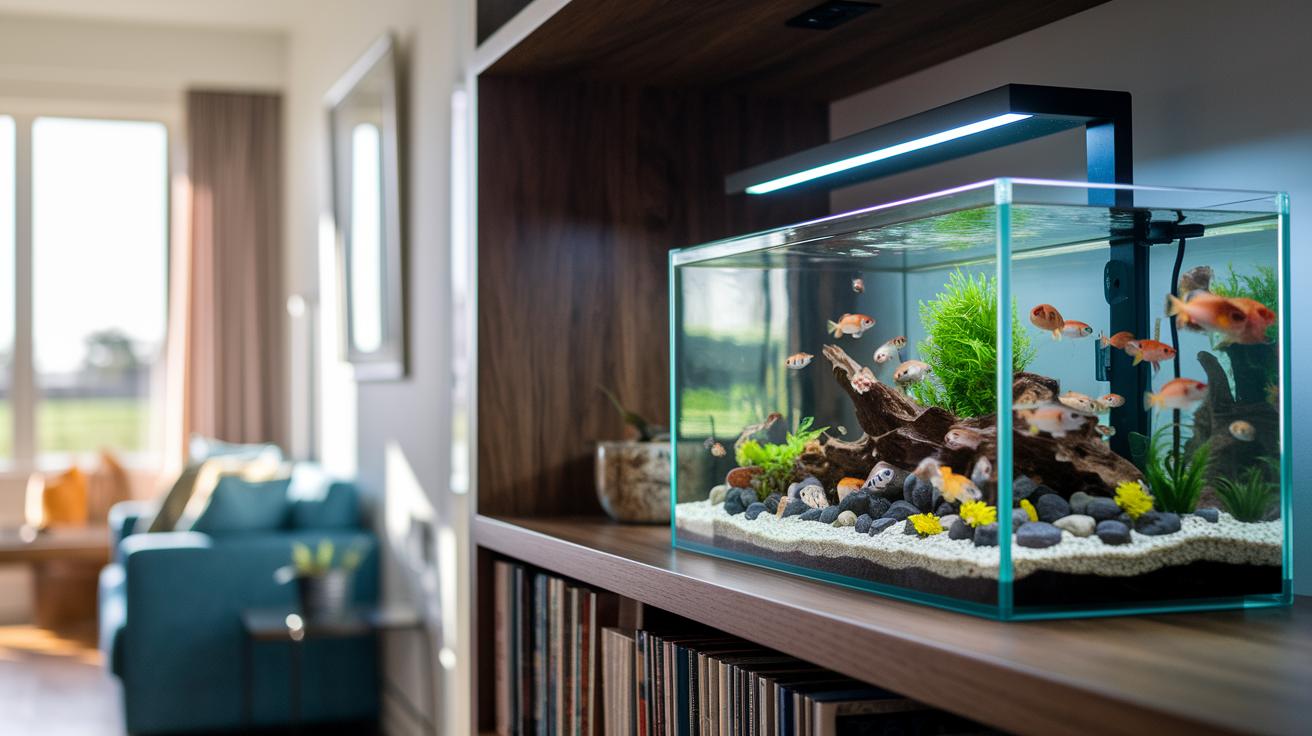
When it comes to choosing a custom glass aquarium, it's all about finding a design that suits your fishy friends and fits the space you have. Every aquarium shape gives a different look to your aquatic scene, while also making sure your fish can swim happily. For instance, cube tanks are perfect when space is tight, and they're great for Betta fish, little shrimp, or neon schools. Nano tanks are charming for tiny spaces like your countertop or bedside, and standard models range from 10 to over 100 gallons, which is ideal for those detailed aquascapes. Then you have long tanks that offer a wide, open view for fish that love to roam, while shallow and tall tanks highlight depth or add a dramatic vertical flair.
| Model | Dimensions (L×W×H) | Volume (gal) |
|---|---|---|
| 16C | 8×8×8 in | 1.0 |
| 20C | 10×10×12 in | 2.0 |
| 25C | 16×8×10 in | 2.6 |
| 30C | 16×8×14 in | 3.9 |
| 45U | 24×12×12 in | 9.0 |
Picking the right tank is like pairing the perfect outfit with your favorite accessory, it’s about matching function and your own creative style. Compact cubes and nano tanks are neat and modern, perfect when every inch counts, while the bigger tanks let you build vibrant underwater worlds. If you love planted displays and bottom dwellers, a shallow tank might be your best bet, and a tall tank can add an eye-catching, dramatic touch. Think about the fish you care for and the layout of your room, then pick the aquarium that brings your underwater vision to life just the way you imagine.
Comparing Aquarium Tanks Glass vs Acrylic: Durability and Clarity

Glass panels are loved by many fish pals because they hardly ever scratch and keep their clear, shiny look for a long time. They’re made from thick, sturdy material that handles routine cleaning and little bumps with ease. Plus, they don’t get discolored from the sun, so your view into the water stays bright and inviting.
Acrylic tanks, on the other hand, are much lighter and easier to move around in your home or office. That makes them a fun choice if you like rearranging your space. But over time, the surface can start to look a bit clouded, and you might find yourself needing to polish them to keep that sparkle.
Choosing glass for your aquarium often means less fuss over cleaning and a clearer view of your fish friends. Acrylic offers a nice balance with good impact resistance, but it might need a bit more tender loving care. In the end, if you value lasting clarity and durability, glass is a trusted option for creating a beautiful home for your aquatic life.
Maintenance and Cleaning Tips for Aquarium Tanks Glass
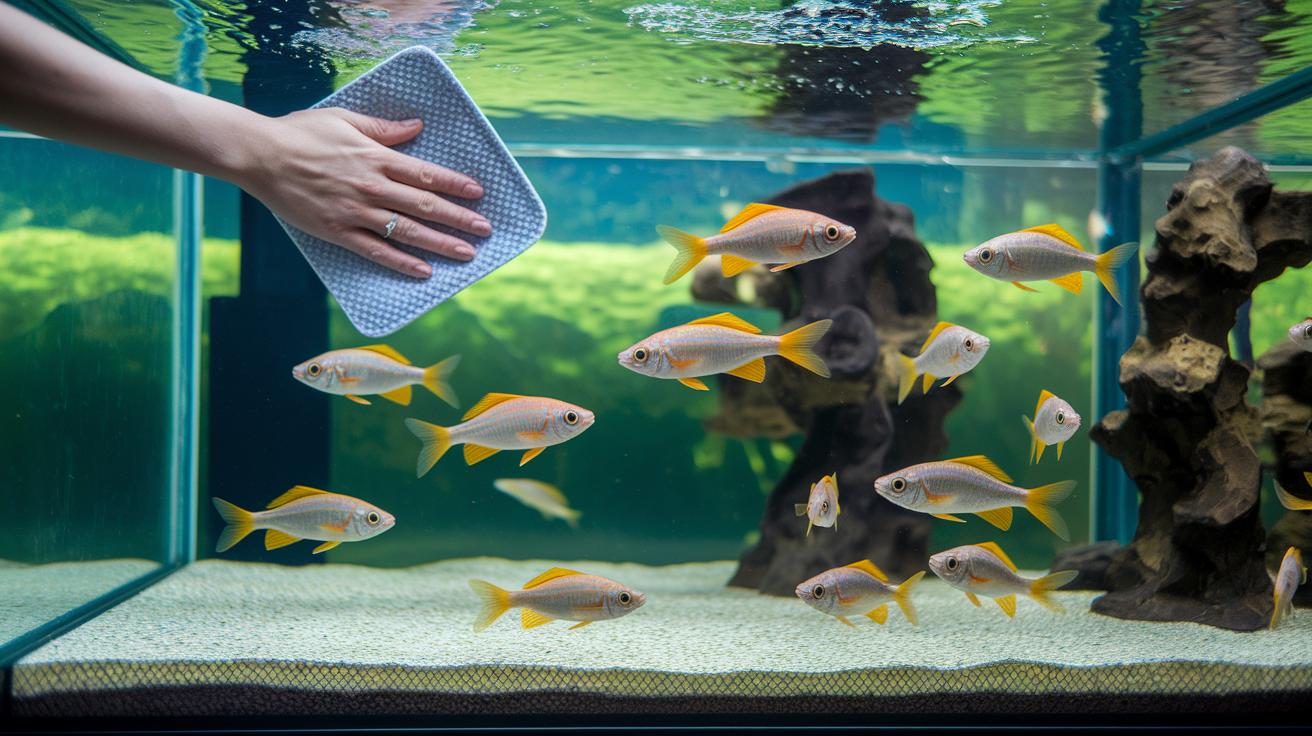
Keeping your aquarium tank clear and your water chemistry balanced is like watching a serene stream. Each week, use a soft, non-abrasive pad and an eco-safe glass cleaner to gently wipe away any film from your low-iron panels. As time goes on, natural buildup can cloud the glass, so a thoughtful cleaning routine helps you enjoy that crystal-clear view of your underwater world. Plus, this careful care stops debris from settling along the silicone seams.
It’s also a good idea to check the silicone seams often. Even a tiny bit of residue can cause small leaks or wear down the seals over time. Every few months, run your fingers along the edges of your tank. If you spot any gaps or signs of wear, apply a high-strength, aquarium-grade silicone to ensure a snug, leak-proof finish. This regular upkeep not only keeps your tank looking lovely but also protects your fish’s safe and happy home.
Safety Standards and Installation Guide for Aquarium Tanks Glass

Start with a solid base for your aquarium. Choose a platform that meets the proper support requirements for your glass panels. Custom anodized aluminum stands are used to hold the full weight of the glass while resisting water damage. Before placing your tank, make sure the surface is as level as hanging a picture frame perfectly on the wall, it keeps every piece safe.
Next, focus on putting the seams together right and adding an overflow system. Every seam should be sealed with aquarium-grade silicone spread evenly across the joints. This process helps meet safety standards and stops leaks before they start. Plus, systems like H2Overflow® and Stealthbox® work like a safety valve, gently guiding extra water away and keeping your setup watertight.
Finally, stick to a regular check-up routine. Each month, inspect the silicone seams closely for signs of wear or little gaps. It’s also smart to have emergency shutoff procedures ready, so you can respond quickly if needed. This careful routine makes sure your tank stays a safe, calm home for your aquatic friends.
Pricing and Purchasing Advice for Aquarium Tanks Glass
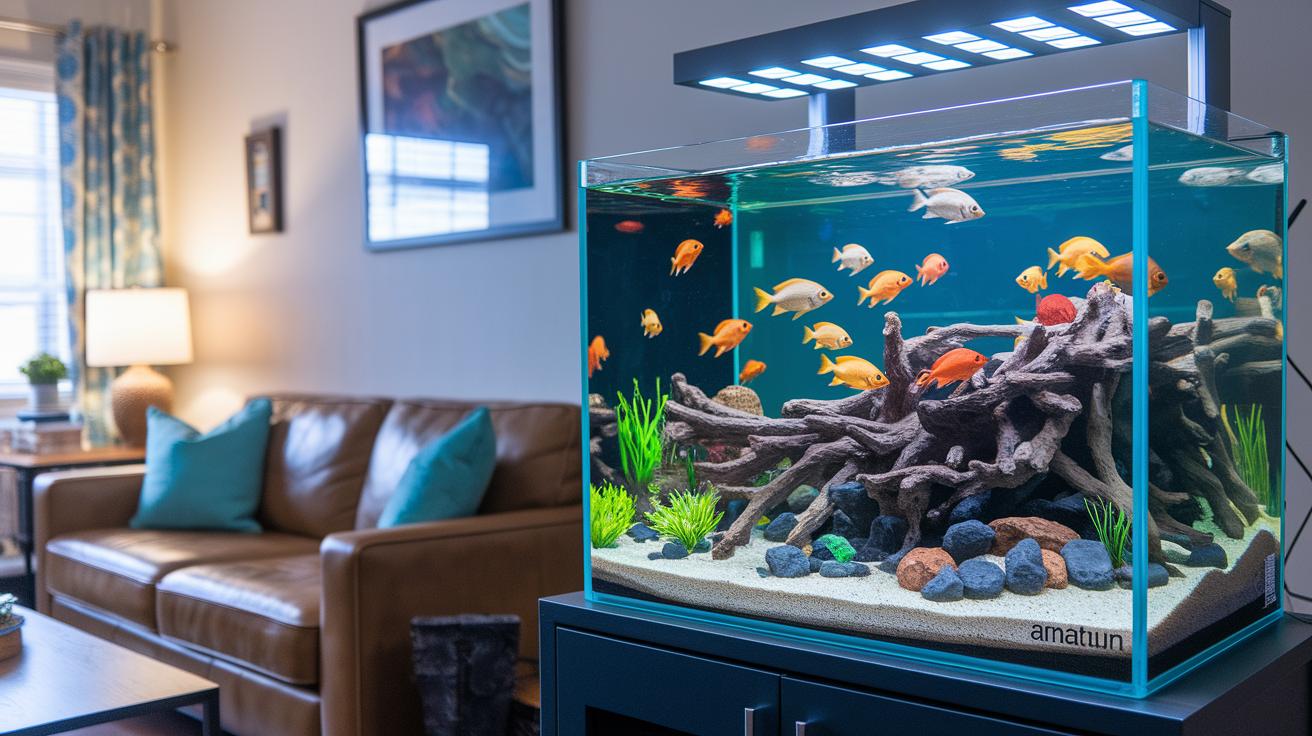
When you’re choosing a glass aquarium, the price can really depend on what you’re looking for. The cost changes with the size of the tank, the kind of glass used, and any extra custom features you might want. For example, a small, everyday tank might be more affordable than a larger, special design that comes with cool extras like a custom anodized stand or a neat canopy. Sometimes, you'll even find a deal that cuts the price by up to 12% on a full aquarium set-up. These price hikes reflect the careful craftsmanship and quality materials behind these beautiful tanks.
Keep in mind, the final price isn't just for the tank. Extras like anodized stands, canopy systems, and optional sump packages (which are handy for keeping your water clean, with flows from 1200 to 4800 GPH) also add up. It’s smart to look at the whole package and think about any custom changes, like unique dimensions or extra reinforcement. This way, you can find an option that not only looks great in your space but also does the job perfectly.
Before you seal the deal, take a moment to check out the warranty and service plans offered by the sellers. This little step helps ensure you’re making a secure investment and gives you peace of mind as you enjoy the gentle shimmer of your new glass aquarium.
In wrapping up, we’ve seen how the best glass panels, from rimless designs to precisely cut edges, create stunning underwater views that brighten your living space. Keeping your setup sparkling and safe is not only about choosing premium materials but also about following simple upkeep and installation tips. When you select aquarium tanks glass with great care, you set the stage for an inviting habitat that both you and your pets can truly enjoy.
FAQ
What sizes and styles of glass aquarium tanks are available?
The sizes and styles range from compact 5-gallon tanks and 10-gallon displays to elegant rimless 40-gallon and 75-gallon models. These choices let you create a setup that fits your space and aquatic vision.
Where can I buy aquarium glass or tank sets for sale?
Purchasing options are available through online retailers, specialty aquatic stores, and manufacturer websites. This makes it easy to find glass tanks in various sizes and designs that meet your aquatic needs.
What type of glass is best for fish tanks?
The best type of glass for fish tanks is low-iron glass, which offers high optical clarity and a neutral color profile. This ensures a bright, clean view for all your aquatic displays.
How long do glass aquarium tanks last?
Glass aquarium tanks last for many years with proper care. Their longevity comes from durable construction and high-quality materials that maintain clarity and strength over time.
Are glass fish tanks better than plastic ones?
Glass fish tanks offer stronger scratch resistance and enduring clarity compared to plastic tanks. They create a lasting, clear display that many fish enthusiasts find appealing despite being slightly heavier.
What happened to all glass aquariums?
Glass aquariums remain popular and have evolved into modern designs. Today, many feature rimless, seamless edges and refined aesthetics that continue to highlight the beauty of underwater life.