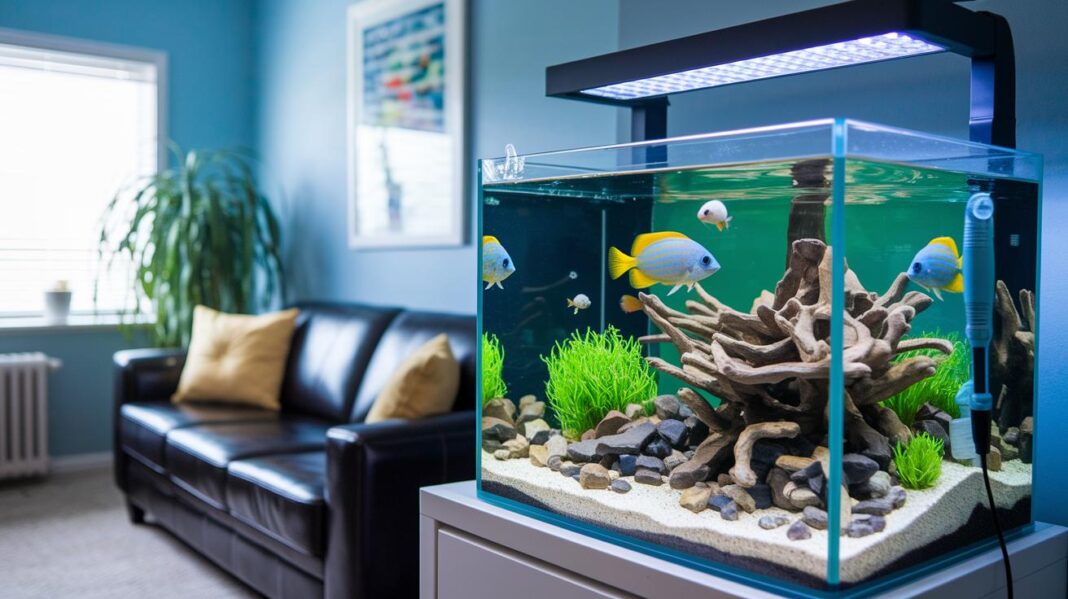

Have you ever noticed your tank looking as cloudy as a foggy morning? Cloudy water isn't just an odd sight; it might be hinting at hidden issues that could affect your fish’s health.
In this guide, I’m sharing easy tips to help you figure out why your water looks murky. You’ll learn how to check your filter (that little helper that cleans your water), test water levels, and adjust your cleaning routine. Stick with these simple steps, and soon your tank will shine clear and calm, just like a peaceful pond.
Diagnostic Guide for Troubleshooting Cloudy Aquarium Water
Cloudy water in your tank can happen for many reasons. Sometimes, tiny food bits or dust in the substrate create little particles that float around. Other times, a milky look means extra nutrients are feeding too many bacteria. A green tint is usually a sign of algae blooms from too much light along with high nitrates and phosphates, and a brown hue often comes from tannins released by driftwood or leaves.
First, check your filter. A weak filter can make everything look like a foggy morning mist, even when life is bustling beneath the surface. Next, test your water using reliable kits to measure ammonia, nitrite, nitrate, phosphate, and pH. Think of it as taking a quick peek at your tank's health.
Then, perform a 25-30% water change. This refreshing step washes away extra nutrients and clears away suspended particles. While you're at it, vacuum your substrate to remove any debris or dust that might have built up during setup.
Also, be careful with how much you feed your fish. Only give them what they can finish in about two minutes so that leftover food doesn't cloud the water. And try adjusting your light cycles to about 8-10 hours daily; this helps prevent algae from finding the perfect environment to grow.
If you notice the water looks milky, it might be a natural bacterial bloom. Sometimes, it's best to give your tank some time to let the bloom settle on its own. After each change, retest your water to see if it’s becoming clearer.
By checking filter flow, water chemistry, and sticking to a sound maintenance routine, you'll soon understand what’s making your water cloudy. Enjoy the process, taking care of your aquarium is like watching the gentle ripple of water on a peaceful pond.
Identifying Types of Cloudy Water in Your Aquarium
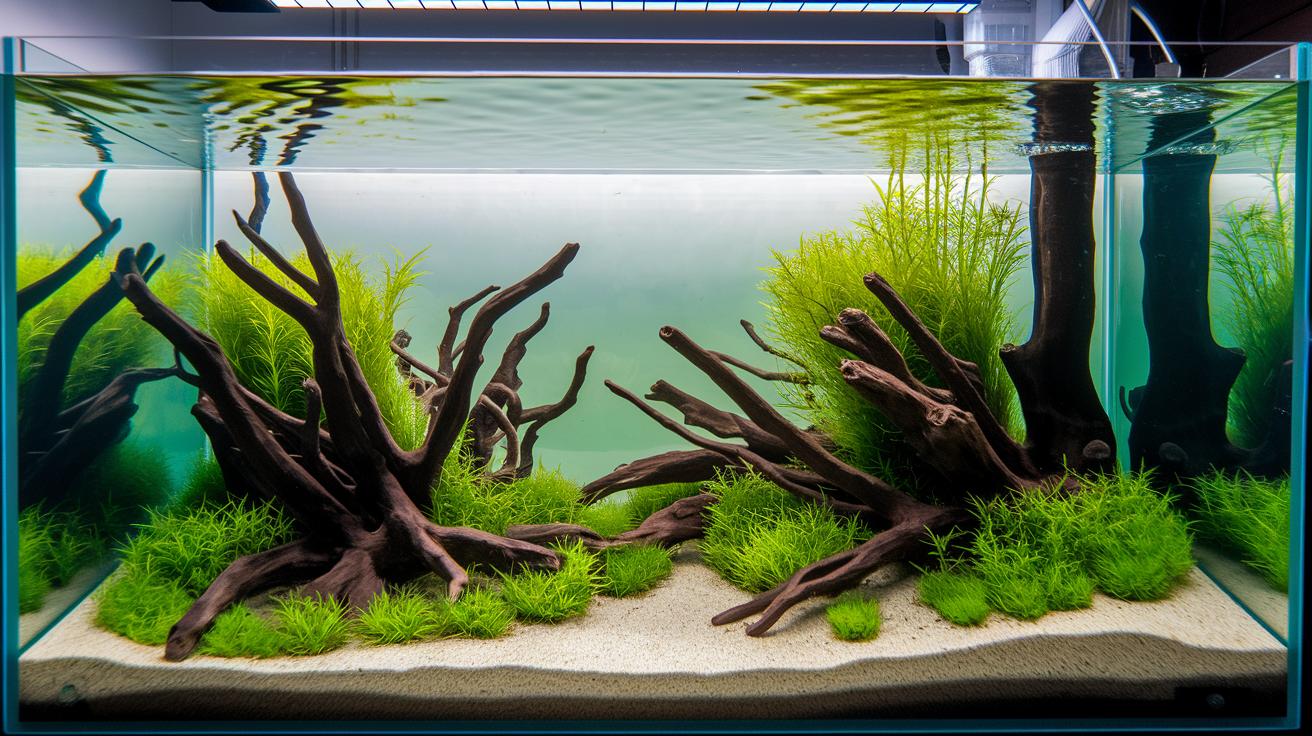
Cloudy water in your tank can look different based on what is causing it. Sometimes, you see a milky haze from a burst of bacteria that usually clears up on its own in a week or two. Other times, your water might show a gentle green tint as free-floating algae grow quickly when there’s too much light and extra nutrients. And then there's brown water, which often comes from natural tannins that driftwood or other botanicals release. Using activated carbon or doing water changes can help make it look clear again.
You might also notice tiny particles floating around. These could be bits of substrate dust or fish waste. Pre-rinsing your substrate and giving your tank a careful vacuum during water changes usually does the trick.
| Type | Appearance | Cause | Basic Remedy |
|---|---|---|---|
| Milky-white | Bacterial bloom | Extra nutrients from food waste | Let it settle for 1–2 weeks; skip extra water changes |
| Green tint | Floating algae | Too much light and nutrients | Cut down feeding and reduce light hours |
| Brown water | Natural tannin hue | Botanical leachates from driftwood | Use activated carbon; do partial water changes |
| Visible particulates | Floating debris | Substrate dust or fish waste | Pre-rinse substrate; vacuum your tank |
Using test kits to check your water’s quality can be a big help. They show you the nutrient and chemical levels, so you know exactly what your tank needs to be its best.
Water Testing and Parameter Monitoring for Aquarium Clarity
Checking your tank's water is a lot like giving it a routine check-up. Start by grabbing a water sample from the middle of your aquarium, where it best shows how things are going. Use a clean cup to keep things fresh.
For ammonia, mix your sample with the test reagent. Your goal is a reading of 0 mg/L. If there's any ammonia present, it might be time for a small water change to keep your fish happy.
Next, dip your sample into the nitrite test kit until the color shifts. You’re aiming to see 0 mg/L here too. Even the slightest color can mean your filter might need a bit more love to handle waste.
When testing for nitrates, add the liquid reagent to a new sample. Look for levels below 20 mg/L. If the color is too strong, it might be a good idea to cut back on feeding or do an extra water change. It’s a bit like checking your car’s oil, simple steps to keep everything running smoothly.
For phosphate, use a digital meter or mix with a liquid reagent. The reading should be less than 0.5 mg/L since higher values can invite unwanted algae blooms. Keeping an eye on this helps protect your tank’s clarity.
A quick pH test should show a balanced range between 6.8 and 7.6, and measuring dissolved oxygen should give you a level above 5 mg/L. Recording these results regularly lets you track changes over time, much like watching the gentle ripple across calm water, keeping your aquatic world bright and healthy.
Filtration Maintenance to Clear Cloudy Aquarium Water

Start with mechanical cleaning. Every month, rinse your filter’s mechanical media in water from the tank. It’s like giving your filter a refreshing shower to wash away debris while keeping the tank’s balance intact. Gently rinse any foam or sponge pieces, as a hard scrub might wash away the tiny particles that help trap waste. A little care here helps keep those particles from drifting around and making your water look cloudy.
Next, treat your biofilter with care. These parts house friendly bacteria that break down harmful compounds, so you don’t want to over-clean them. If you notice they’re a bit dirty, just give them a light rinse with some old tank water instead of tap water, which might have chlorine. Think of it like tending to a secret underwater garden, gentle care lets the natural balance thrive.
Finally, stick to a media-replacement schedule. Replace activated carbon or phosphate-removal media every four weeks to keep them working well. Regularly check your setup, and if the cloudy water persists, it might be time to upgrade to a high-flow canister filter. For those really stubborn issues, adding a UV sterilizer can help clear the haze. For more detailed tips on keeping your filter in top shape, check out tips for maintaining and replacing aquarium filter media.
Regular Water Changes to Prevent Cloudy Aquarium Conditions
Keeping your tank clear is a bit like giving it a gentle bath each week. A partial water change helps wash away extra nutrients, like nitrates and phosphates, much like rinsing off a favorite glass of water. For freshwater aquariums, aim to swap out about 25 to 30% of the water weekly. If you have a marine setup, a 10 to 15% water change should do the trick.
These routine refreshes are crucial whether you're dealing with a minor hiccup or just keeping everything balanced. Instead of doing a big, full-tank clean that might disturb the good bacteria working in your tank, these partial changes create a smooth, stable environment for your aquatic pals.
When you change the water, always make sure the new water is at the same temperature as your tank and free of chlorine. Use pre-conditioned water so your fish don’t get an unwelcome shock.
A handy tip is to use a gravel vacuum during your water change. It gently lifts away debris from the substrate, keeping your plants and little critters safe and undisturbed.
Stick to this simple routine, and you'll enjoy clear water and a thriving, peaceful underwater world.
Lighting and Nutrient Control for Cloudy Aquarium Prevention
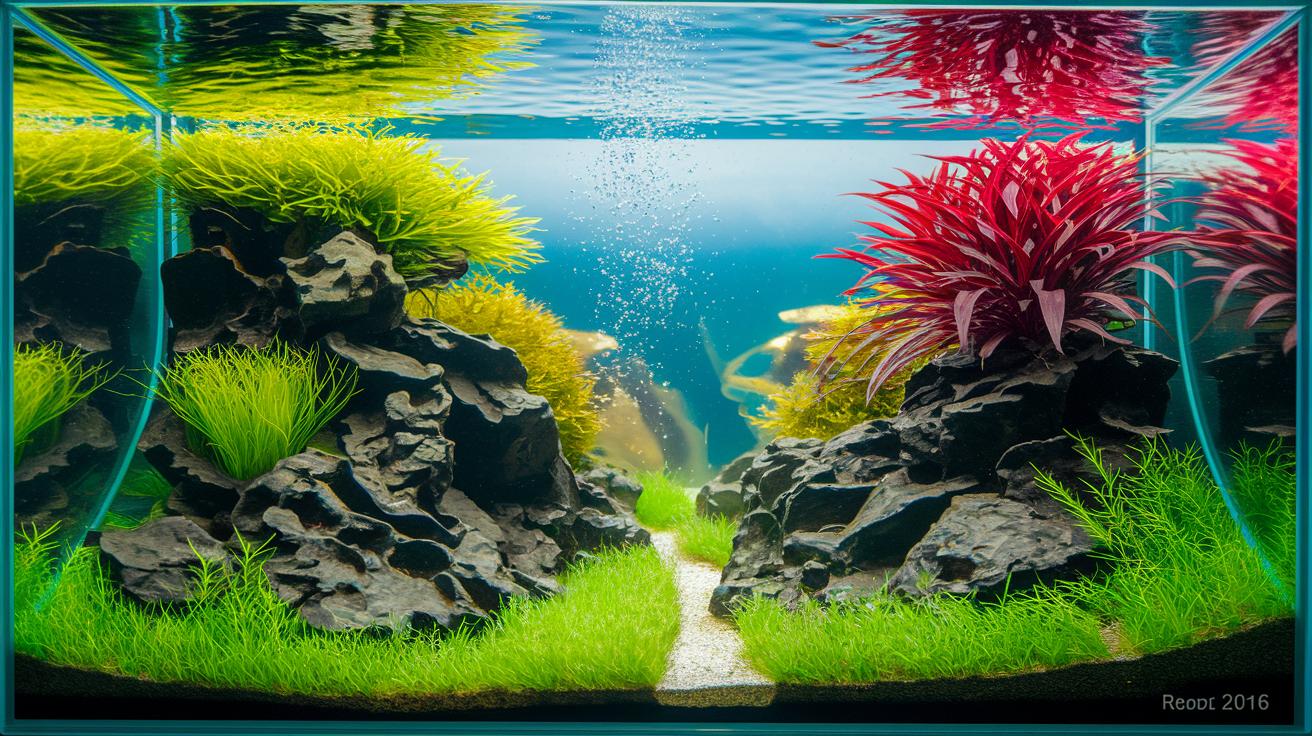
We’ve touched on light cycles and nutrient management before, but let’s dive into how to boost your plants' nutrient uptake with a little CO₂ injection. Instead of rehashing the basics, think of CO₂ as that extra bit of support that helps your aquatic plants thrive, much like a refreshing splash of water on a hot day.
By adding CO₂, your plants get more of the carbon they need for photosynthesis, a process that helps them soak up nutrients quickly and leaves less room for pesky algae. It’s kind of like watching your favorite plant soak in water after a gentle rain, keeping your tank lively and clear.
Substrate and Detritus Removal for Clear Aquarium Water
Before you add fresh sand or gravel to your tank, give it a quick rinse to wash away any dust and tiny particles. Think of it like rinsing veggies before you cook, it's an easy way to start with a clean base. For more tips, you can always check the routine maintenance guide.
When it's time to change the water, gently vacuum just the top 1 to 2 inches of your substrate. This helps clear out built-up detritus without stirring up the layers underneath. If you have nearby plants, stir them lightly to loosen any trapped debris before you siphon off the particles. For a deeper dive into this cleaning method, take another look at the routine maintenance advice.
Advanced Treatments for Cloudy Aquarium Water Persistence

If your tank water stays blurry even after your usual cleaning, you might want to try a UV sterilizer. This smart gadget uses ultraviolet light to zap bacteria, algae, and tiny particles, much like a beam cutting through fog. Pick one that can treat all your water about 1 or 2 times each hour. And don't forget to swap the UV bulbs every 12 months so it keeps shining as brightly as a clear stream. I once added a UV sterilizer to my setup, and within a week, my tank started to sparkle, just like sunlight filtering through calm water.
Chemical clarifiers are another top trick for clearing murky water. These often silica-based helpers latch onto tiny particles, grouping them together so your filter can scoot them out more easily. It’s important to follow the label’s directions, kind of like following a simple recipe, to avoid any mishaps. Plus, topping off with reverse-osmosis water can lower mineral levels and cut down on tannins. This extra step clears up the water even more, especially if natural materials are giving it a yellow or brown tint. I remember hearing someone say, "After using the right dose of clarifier and topping off with reverse-osmosis water, my tank was clear and bright again." With careful handling, these methods can really transform your aquarium into a healthier, shimmering underwater world.
Preventive Maintenance for Clear Aquarium Water
Keep one simple schedule to help you remember the tasks that keep your tank sparkling clean. This plan is like following a recipe: test your water, change part of it, clean the filter, look after the substrate, adjust the lights, and feed your fish just the right amount.
Every week, start by checking your water. Look at levels for ammonia, nitrite, nitrate, phosphate, and pH. It’s much like giving your tank a quick health check, similar to glancing at your car’s tire pressure. Next, do a 25–30% water change, it’s like letting fresh air in your home, but for your fish. You should also spot-clean the glass and any decorations to keep the algae in check.
Each month, take a little more time. Rinse or replace your filter media and check your equipment for clogs or signs of wear. If needed, give your substrate a gentle clean. Also, adjust your lighting timers to match the natural rhythm of your plants.
Remember to keep crowding in check: stick to about one inch of fish per gallon. And feed your fish just enough so that every morsel is gone in about two minutes.
| Task Frequency | Tasks |
|---|---|
| Weekly |
• Check water levels (ammonia, nitrite, nitrate, phosphate, pH) • Change 25–30% of the water • Spot-clean the glass and decorations |
| Monthly |
• Rinse or replace filter media • Inspect all equipment • Clean the substrate if needed • Adjust lighting timers |
Final Words
In the action, we looked at common causes of cloudy water and shared simple steps to fix them. We discussed checking water tests, cleaning filters, and adjusting lighting and feeding routines. Breaking down each diagnostic and maintenance task makes daily care feel almost like a relaxed swim in clear water. Our guide on how to troubleshoot cloudy aquarium water keeps your tank sparkling and your aquatic friends happy. Remember, small, regular steps go a long way toward a healthy, vibrant underwater habitat.