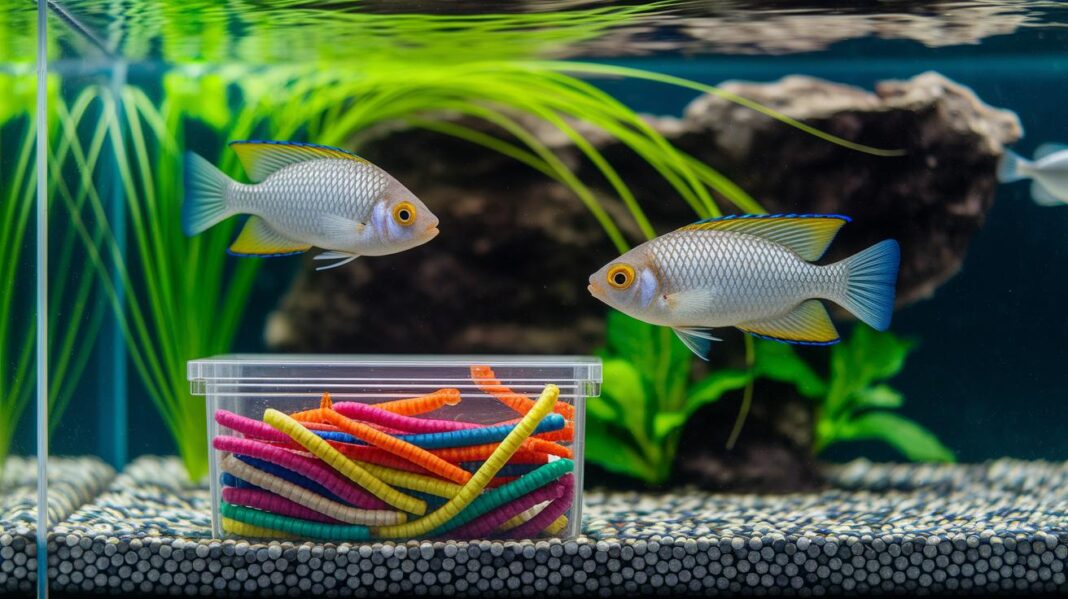

Ever wonder if frozen bloodworms could be your tank’s little secret? Picture your fish nibbling on these tasty treats, their colors lighting up like sunlight on rippling water.
These protein-packed bites do more than just satisfy hunger. They help boost your fish's health and turn a plain tank into a lively, vibrant home. Next feeding, try something new, they might just make a big splash in your aquarium.
Frozen Bloodworms Overview: Nutrition, Varieties & Buying Guide
Frozen bloodworms are the larvae of midge flies, and they naturally glow with a deep red color thanks to the hemoglobin in their bodies. This isn’t a trick of added artificial dyes, it's nature at its best. Just imagine a fish gliding by and spotting these tiny, vibrant treats, much like sunlight dancing on a calm pond.
Compared to ordinary flakes, frozen bloodworms pack a real nutritional punch. While flakes deliver the basics, bloodworms come loaded with proteins, healthy fatty acids, and important vitamins. This makes them a superb high-protein meal for fish, especially those that thrive on meatier fare. It’s like choosing a snack over a hearty, nourishing meal; bloodworms give that extra boost that helps your fish shine.
You can find these bloodworms in different sizes, regular, jumbo, and mini, to suit different types of fish. Bigger bloodworms work great for fish with hearty appetites or those that need to build muscle, while the mini ones are perfect for species with smaller mouths or finicky eaters. Bettas, puffers, and loaches, for example, love these nutritious treats. For anyone exploring aquarium feeding options online or on the hunt for top-notch fish nutrition, frozen bloodworms are a versatile pick that adds both premium nourishment and a splash of natural brilliance.
Preparing & Thawing Frozen Bloodworms for Your Fish
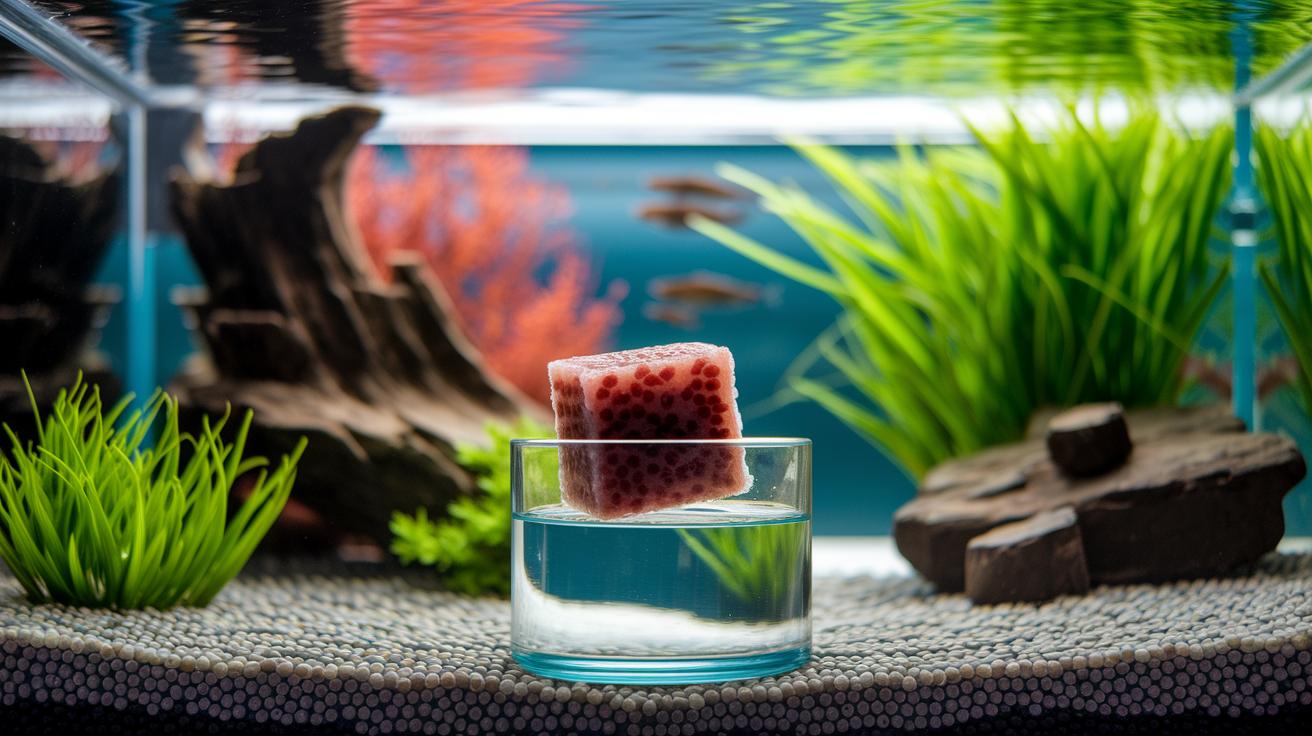
Fill a small container with some of your tank water, just enough to cover a frozen bloodworm cube. Place the cube in the water and let it rest for about a minute. While you wait, gently stir the water so the cube breaks into individual worms. This slow thaw keeps the bloodworms safe and at the same friendly temperature as your tank.
Once thawed, choose one of two ways to feed your fish. You can drop the whole cube into the tank, letting the food naturally spread out for all your fish to enjoy. Or, use a worm feeder cone to slowly release the worms, making sure specific fish or parts of the tank get their share. And remember, never refreeze thawed bloodworms because it can hurt their nutrients and safety.
frozen bloodworms fish food Sparks Aquarium Brilliance
Feeding frozen bloodworms is all about good timing and just the right amounts to keep your tank happy. It helps to set a routine that matches your fish’s needs. Some fish enjoy a weekly treat, but faster eaters like puffers might need frozen food every day. If your fish take longer than about three minutes to eat, any leftovers can quickly spoil your water.
- Measure the food by volume or weight so that your fish finish it in around three minutes.
- Spread the thawed worms evenly throughout the tank so that all your fish get a fair share.
- Use utensils like tongs, a pipette, or a small plastic tube to feed specific fish when needed.
- Start with a small amount and check what’s left over. This trial helps you adjust future servings.
- Change the feeding schedule based on the type of fish, from once a week to every day for high-energy species.
It’s important not to overfeed your fish. Watch how fast they take each morsel and adjust the portion or feeding frequency as needed. With a little care and attention, your feeding routine will keep the water clean and your fish healthy, turning every meal into a little moment of aquarium magic.
Safe Storage Practices for Frozen Bloodworms Fish Food
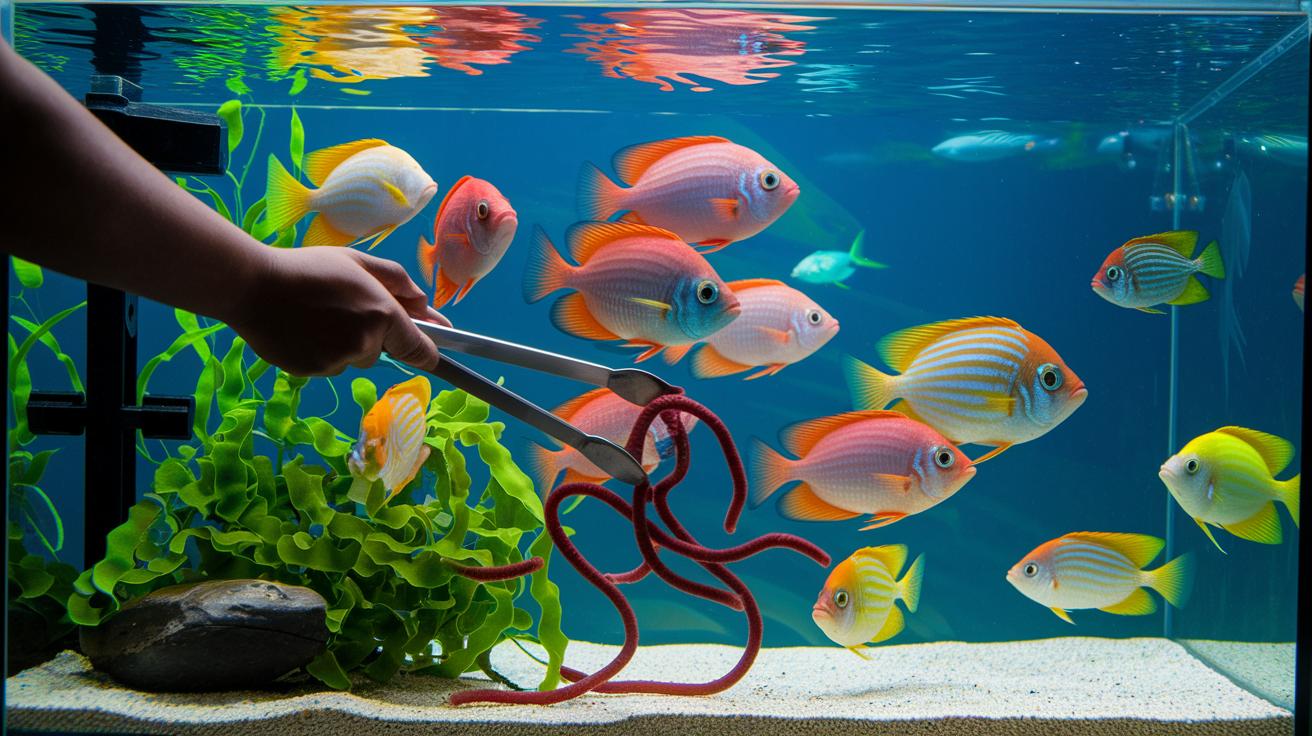
After you feed your fish, grab your tongs or tweezers and remove any leftover bloodworms within five minutes. Leaving these bits in the tank can let bad toxins build up, and we all want our watery home to look and feel fresh, right?
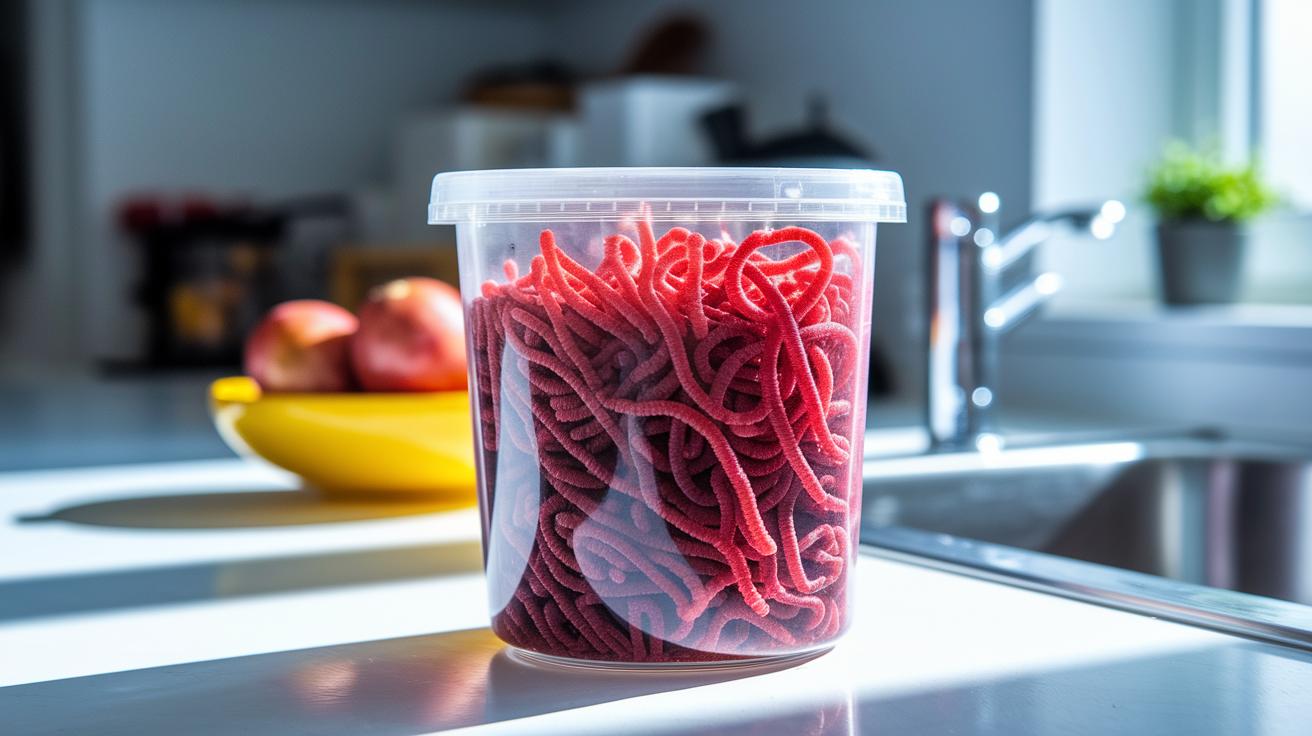
Next, pop any extra cubes into a clearly labeled, airtight container and tuck it into the freezer. Writing down the date and what kind of food it is helps you keep track so nothing spoils. Also, remember to give your utensils and surfaces a good scrub with a pet-safe disinfectant. It's a little extra step that stops any unwanted cross-contamination from ruining your aquarium vibe.
Finally, keep an eye on your freezer. Make sure it stays at or below -18 °C so the nutrients stay intact and your food remains safe for your fish. This simple habit ensures your bloodworms are as fresh as can be whenever your fish are ready for a snack.
Species-Specific Benefits of Frozen Bloodworms
Frozen bloodworms are a tasty, nutrient-rich treat that many freshwater fish really appreciate. They’re packed with protein, which helps many fish flourish. For example, bettas show brighter colors and enjoy more active swimming, while guppies seem to grow their young faster. Discus and cichlids benefit by building lean muscle, and angelfish get the boost they need for bigger, stronger fins. Some hobbyists even find that mixing bloodworms with other foods sparks breeding behavior in species like corydoras. Overall, these treats support each fish's unique needs and help your whole aquarium thrive.
| Species | Recommended Size | Key Benefit |
|---|---|---|
| Betta Fish | Regular | Brighter colors and increased activity |
| Guppies | Mini | Faster fry development |
| Discus & Cichlids | Jumbo | Supports lean muscle growth |
| Angelfish | Regular | Enhanced fin growth |
Taking a closer look at the table, it’s easy to see that using the right size is important. Regular-sized worms work well for bettas and angelfish, giving them vibrant colors and strong fins. Mini worms are ideal for guppies, helping their fry develop quickly, while jumbo worms are perfect for discus and cichlids, aiding in steady muscle building. By matching the food size to each species, your aquarium can truly sparkle with life.
Comparing Frozen Bloodworms to Other Aquarium Proteins
Frozen bloodworms give your fish a tasty, balanced protein boost. They really stand out when you line them up against feeds like tubifex worms, freeze-dried bloodworms, and flakes. Tubifex and freeze-dried options offer protein too, but they can be a bit trickier for your fish to digest and might not have as much fat or vitamins. Frozen bloodworms keep their moisture and natural vitamins, so every bite feels extra nourishing. Plus, freeze-dried feeds often need a quick soak before they’re ready, which can wash away some of those good nutrients. And while flakes are easy to use, they simply don’t deliver the rich, fatty punch frozen bloodworms do.
When picking the best protein for your aquarium, think about your fish’s unique needs and feeding habits. If you want to boost both flavor and nutrition, especially for fish that love a meatier meal, frozen bloodworms are a smart choice. But if you prefer something simple or want to switch things up, try flakes or tubifex worms instead. Every option has its own charm, so choosing the right one depends on what makes your little aquatic world shine.
Buying Frozen Bloodworms: Brands, Reviews & Deals
When you're on the hunt for frozen bloodworms for your aquarium, you'll find many dependable online suppliers ready to help you out. These vendors often use temperature-controlled shipping to make sure your bloodworms stay fresh during their journey. Buying in bulk can help you save some money, and customer reviews give you a clear idea of each brand's quality and packaging. Prices usually sit between $0.50 and $1.20 per ounce. It’s a smart move to pick brands that openly share where their ingredients come from and that use independent lab tests, so you know your fish are enjoying a safe, healthy meal.
- Seek out suppliers that use temperature-controlled shipping so the bloodworms keep their nutrients.
- Check if bulk buying is an option to lower your costs.
- Make sure the brand is clear about its ingredient sources and uses trusted lab testing.
- Read customer ratings to see how steady the quality and packaging are.
- Compare different suppliers to find the best wholesale deals for your aquarium needs.
For those on the lookout for a good deal, focus on what fellow aquarists say and keep an eye on price trends when comparing online stores. A little extra time spent reading customer feedback and looking into supplier policies can really make a difference. When you choose a supplier who is committed to clear ingredient information and reliable service, you can order with confidence and keep your aquarium thriving with top-notch nutrition.
Final Words
In the action we covered how frozen bloodworms offer a tasty boost to your tank’s nutrition. We talked about proper thawing and feeding methods, and even touched on safe storage practices to keep your aquatic friends happy. Your tanks can shine with improved colors and energy when you choose feeds that suit each fish’s needs. Each step in the guide builds a clearer picture of great fish care. Embracing frozen bloodworms fish food helps create a bright and lively home for your aquatic pets.
FAQ
Where can I buy frozen bloodworms fish food, including options like Hikari and bulk purchases?
The query about purchasing frozen bloodworms means you can find them at local pet stores, online aquatic feed retailers, and popular marketplaces like Amazon. Check supplier reviews for quality and pricing.
Is frozen bloodworm good for fish?
The question about frozen bloodworms being good for fish shows that these worms are nutritionally rich, offering high protein, fats, and vitamins that support your fish’s overall health.
How often should I feed my fish frozen bloodworms?
The inquiry into feeding frequency implies that fish should get frozen bloodworms weekly or more, based on species. Stick to small portions that fish can finish in about three minutes.
Is too much bloodworm bad for fish?
The concern about overfeeding bloodworms reveals that excessive amounts can lead to water quality issues and health troubles for fish. Feeding should always match consumption levels.
What are the risks of bloodworms?
The question regarding bloodworm risks highlights potential issues like parasites or bacterial contamination if they are stored and thawed improperly. Always follow proper storage and thawing guidelines.
How do bloodworms compare with other aquatic feeds like brine shrimp and bearded fireworm?
The question comparing aquatic feeds tells us that while bloodworms offer higher protein and richer fats, other options like brine shrimp are milder. Choose based on your fish species’ dietary needs.