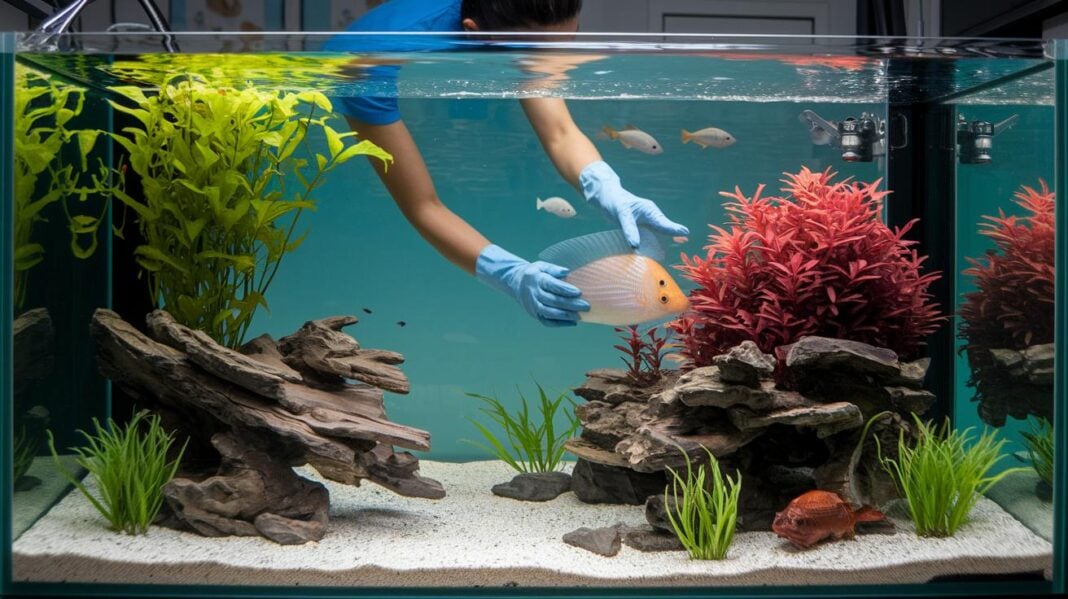

Ever notice how your tank might still have a funny smell after cleaning? It can feel surprising, but a few simple habits go a long way in keeping your water as fresh as a gentle ripple on a sunny day. Just like tidying up after a meal stops lingering odors at home, a weekly deep clean, a little daily water change, and a quick check on your filter are all you need to keep odors at bay. In this guide, we'll share straightforward tips to help you enjoy a clear, fresh aquatic oasis every day.
Essential Steps to Prevent Fish Tank Odors During Maintenance
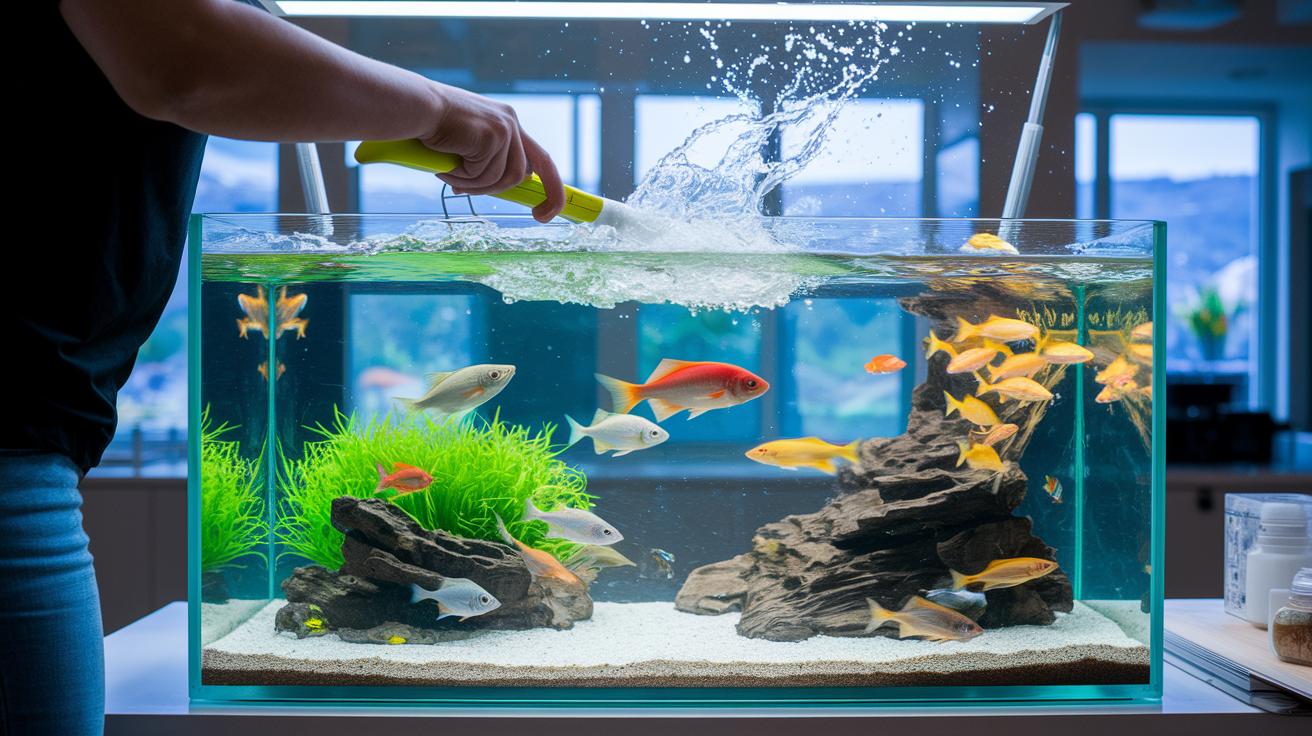
Start by giving your aquarium a good cleaning every week. Removing waste, leftover food, and bits of decaying plants helps keep your water sparkling and stops any funky smells. Think of it like tidying up your kitchen right after dinner so those odors don’t linger.
Then, try doing a little water change every day. By replacing about 10–15% of the water over several days, you slowly dilute any smells with fresh water. It’s a bit like opening a window in a stuffy room. And don’t forget to check your filter! A filter buried in old sludge can quickly start to smell, so cleaning or changing its sponges and cartridges keeps the water neat and clear.
Also, be mindful of the water conditioner you pick. Go for ones that don’t have sulphur, since they can give your tank a rotten-egg scent. If you need an extra boost, adding activated carbon to your filter can help soak up any unwanted odors, much like a natural sponge for smells.
| Step | What to Do |
|---|---|
| 1 | Clean your aquarium weekly to remove organic waste. |
| 2 | Replace 10–15% of water daily over a few days for a steady flow of freshness. |
| 3 | Regularly clean your filter media to stop sludge build-up. |
| 4 | Avoid water conditioners with sulphur to ward off rotten-egg odors. |
| 5 | Consider using activated carbon in your filter for extra odor control. |
Effective Cleaning Methods for Fresh Aquatic Environments
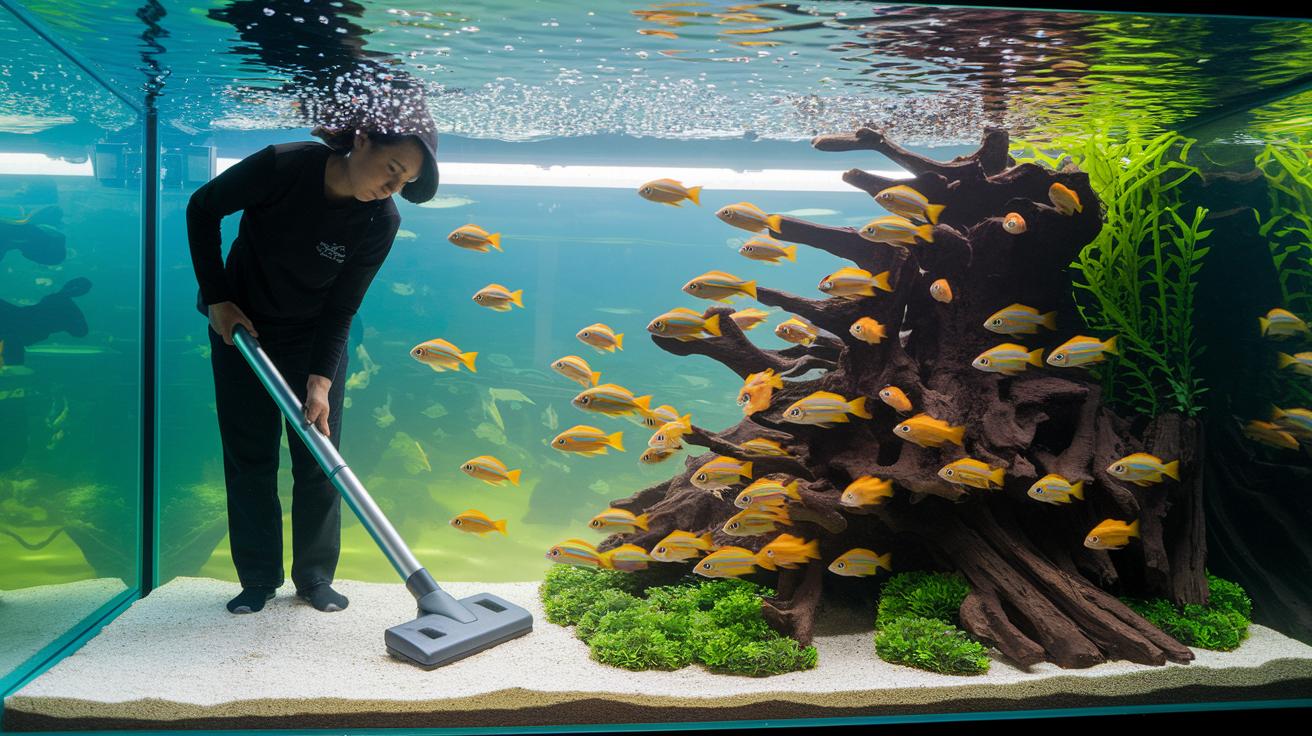
Every week, take a little time to vacuum your aquarium’s substrate. Think of it as gently sweeping the tank’s floor, much like brushing away fallen leaves in your garden, so nothing builds up and clouds the water.
Let’s dive into the steps for keeping your tank sparkling:
- Start by vacuuming the substrate to pull out all those hidden bits and particles.
- Next, scrub the glass or acrylic walls with tools that are safe for your aquarium. Imagine you’re wiping smudges off a window to reveal a clear, bright view.
- Then, rinse your decorations and fake plants in water free of chlorine. This avoids any harmful chemicals from reaching your fish.
- Carefully disassemble and rinse filter parts, like sponges and cartridges, in some of the tank water. This method washes away the gunk while keeping the good bacteria intact.
- Lastly, wipe down hoods, lights, and external surfaces with a mild vinegar-water solution. It’s a bit like cleaning your countertop gently so everything shines.
Using these simple steps over and over creates a fresh, odor-free space that keeps your fish cheerful and your water crystal clear. Ever notice how calming a well-kept tank is?
Filtration and Aeration Practices to Minimize Odors
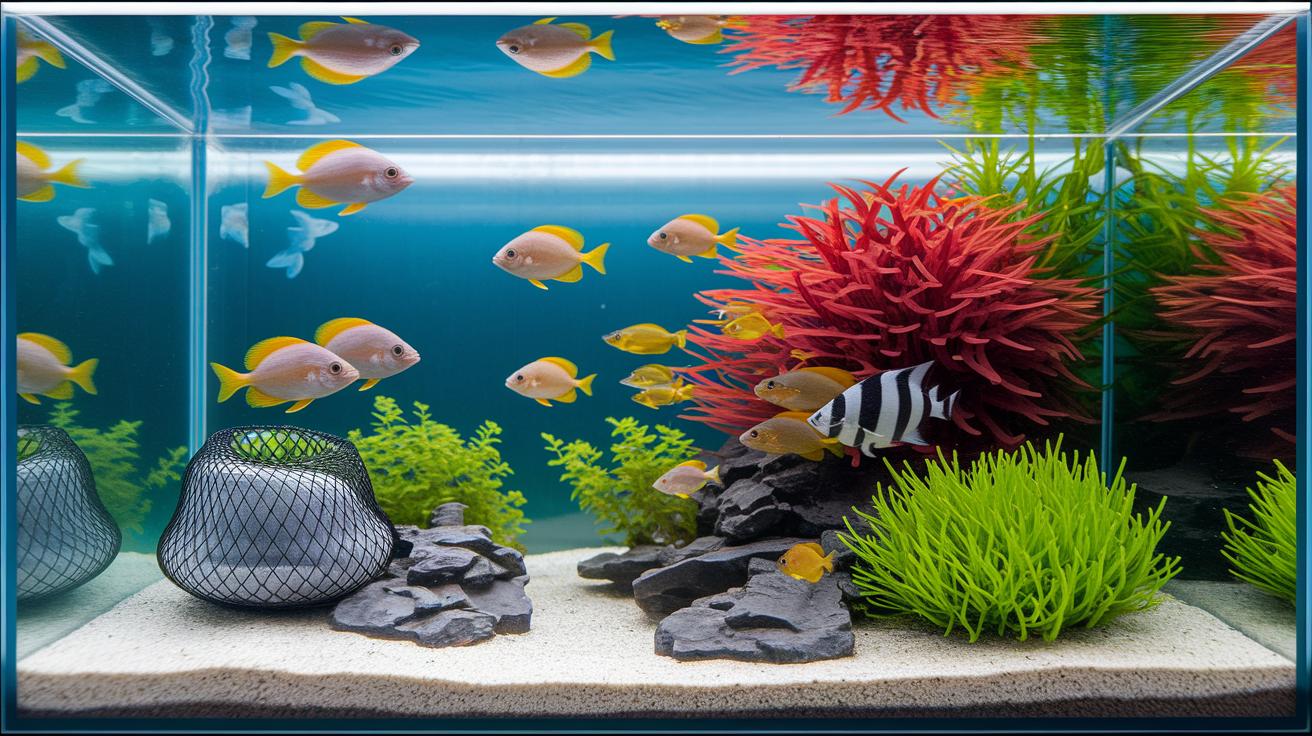
Imagine your aquarium's filter acting like its lungs, taking in the water and expelling all the yucky stuff that makes the tank smell bad. When the filter gets clogged, it can't breathe properly, and that trapped, decaying matter quickly fills the water with unwanted odors. Giving your filter some love with regular cleanings or by swapping out old media keeps everything running smoothly. For more detailed tips, check out our guide on maintaining and replacing aquarium filter media.
Activated carbon is like a secret helper that soaks up smells. Just add a bit to your tank setup, and it works like a sponge, pulling in those odor-causing molecules. This simple trick makes a big difference, especially for tanks that seem to have a stubborn smell.
Don't forget about aeration, which is key to keeping your water fresh. Using air stones or diffusers boosts the oxygen in your tank, helping good bacteria break down harmful compounds. Think of it as giving your water a refreshing breeze that helps keep every corner of your tank clean and vibrant.
By sticking to a routine for filter care and making sure your water gets plenty of oxygen, you're creating a healthy and lively home for your fish. Whether you opt for regular cleaning or add some activated carbon, these steps work hand in hand to cut odors and keep your aquatic world as inviting as a gentle stream on a sunny day.
Managing Feeding and Fish Population to Avoid Smells
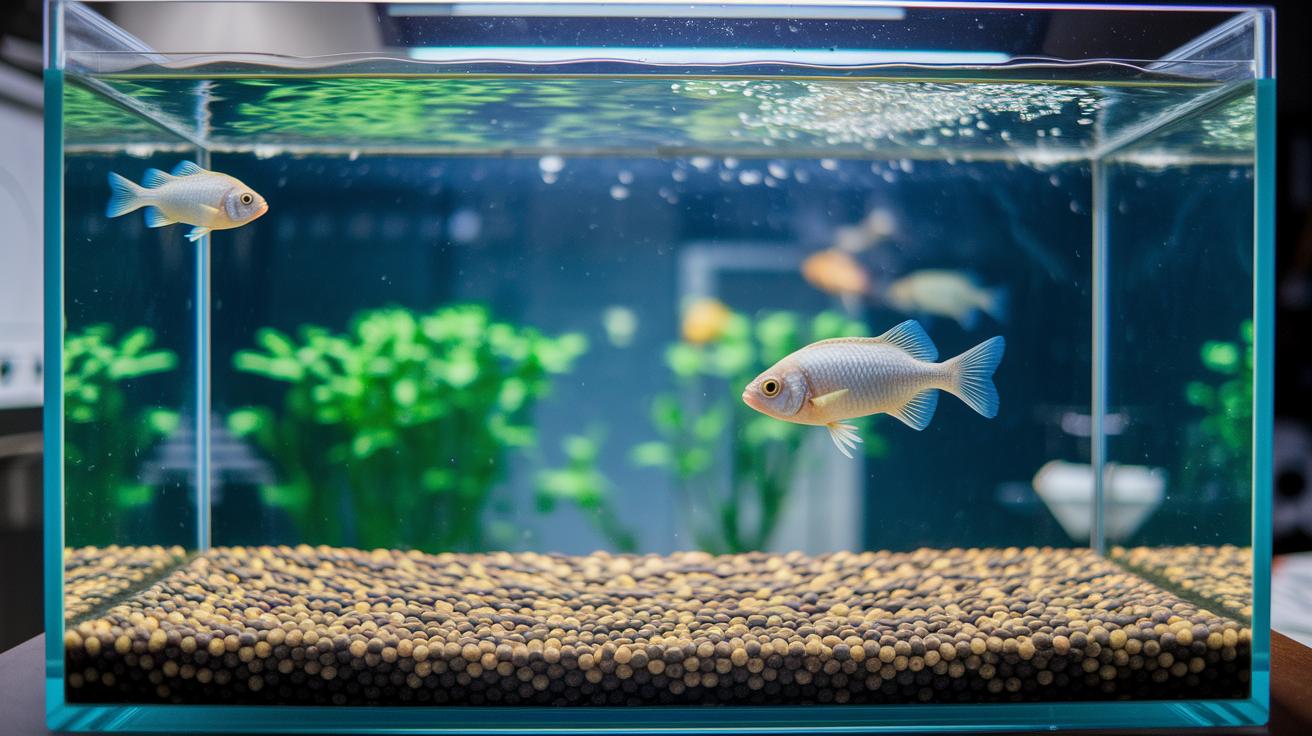
Overfeeding can be a sneaky cause of that stinky tank smell. If your fish don’t gobble up their food within 2 to 3 minutes, the extra bits sink down and start to rot. Rotten food not only creates a messy bottom but also invites unwanted bacteria that leave your tank smelling less than fresh. It’s a bit like when you leave tiny crumbs on your kitchen counter, they might seem small, but they add up fast. So, after feeding, be sure to clear out any leftovers right away.
Keeping your fish population balanced is just as important. When you have too many fish in a tank, the filter struggles with all that excess waste. More waste means higher ammonia levels and a tougher time keeping the water quality nice and clear. By avoiding overcrowding, you help your filter work at its best and prevent a buildup of organic matter. Here are some simple steps to follow:
- Feed only as much as your fish can eat in just a few minutes.
- Remove any uneaten food quickly.
- Maintain a balanced fish population to reduce waste and keep your tank fresh.
Handling Organic Buildup: Dead Fish, Plants, and Waste Removal
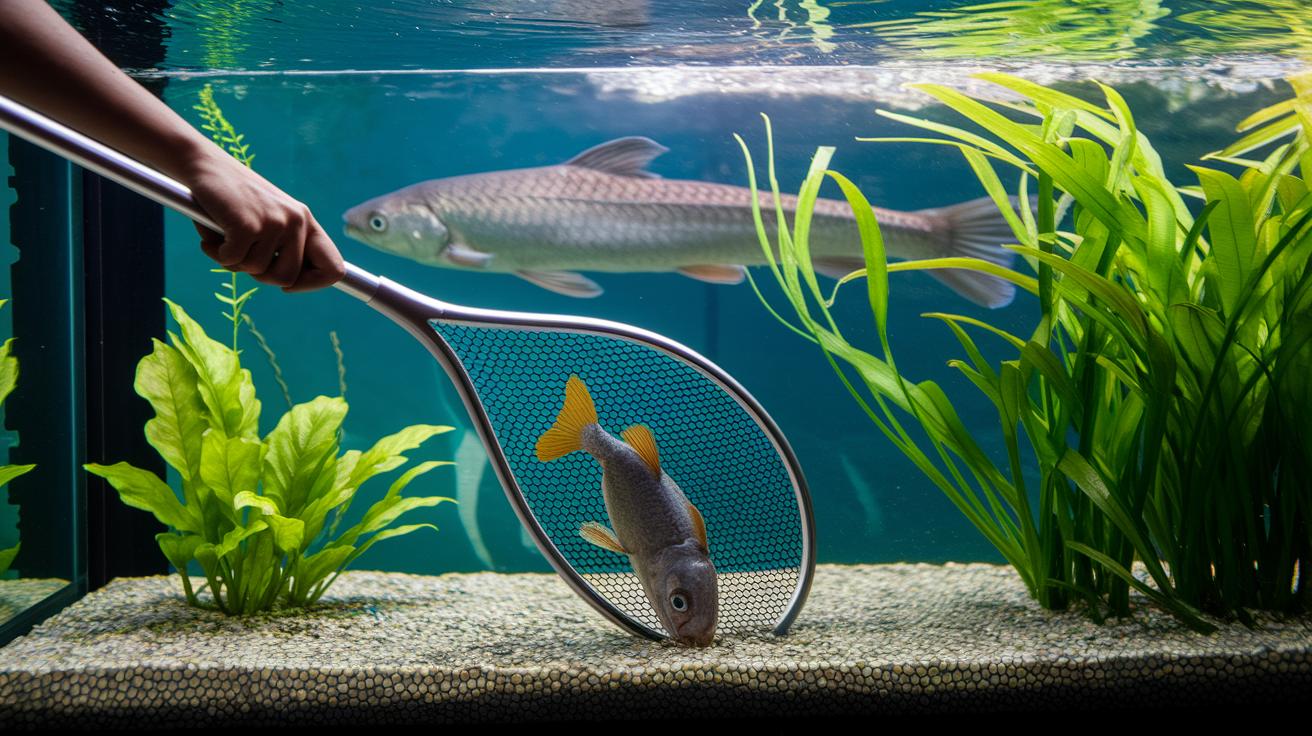
When a fish dies, it can quickly bring along strong smells and raise ammonia levels that hurt your water’s health. If you see a fish floating lifelessly at the bottom, remove it right away, just like you would toss out a bad piece of food from your fridge.
Wilted plants can also spoil your tank’s freshness. When leaves become slimy and change to brown or black, clip or swap them out fast. Think of it like taking out a spoiled apple before it ruins the rest of your snack. Acting quickly helps keep both smells and naughty bacteria in check.
After you’ve cleared away the decaying bits, rinse your nets, siphons, and decorations in water that has no chlorine, it’s like giving your kitchen tools a good wash after dinner. This simple step stops any leftover debris from causing trouble.
- Check your tank often for any dead fish or decaying plant pieces.
- Remove them immediately to avoid sudden ammonia spikes.
- Clean up all your tools and decorations in dechlorinated water.
- You might also try a bio-enzyme product to help break down organic waste and keep your tank smelling fresh.
Balancing Water Chemistry to Prevent Foul Aquarium Smells
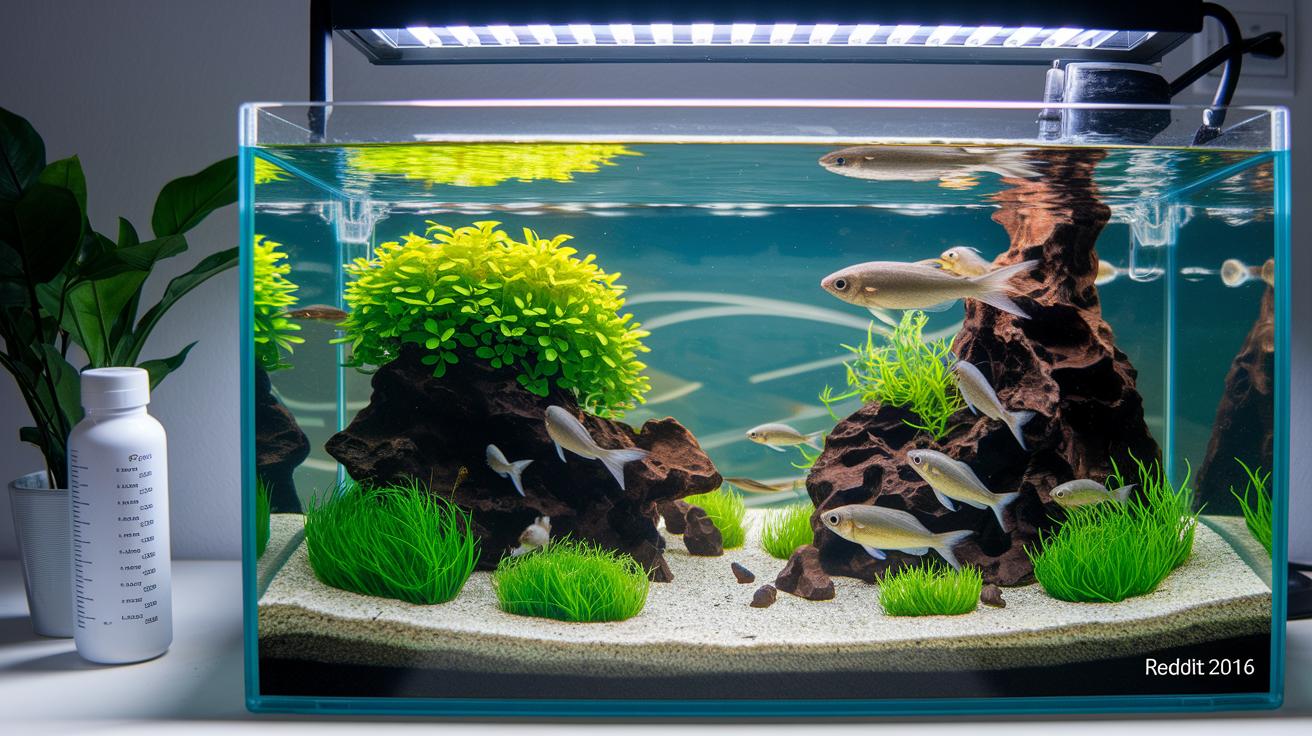
Keeping your aquarium water right is the secret to a tank that smells fresh and inviting. When there’s too much ammonia or nitrite, your fish get stressed and the water can take on an unpleasant odor. I like to check my water about once a week to see how the pH, ammonia, and nitrate levels are doing. It’s just like noticing when a room feels stuffy and needs some fresh air.
Using dechlorinators and water conditioners helps make your water safe and comfy for your fish. These products work to wash away harmful chemicals, kind of like a gentle breeze clearing out old, stale air. If your water readings go above safe levels, it’s time for a partial water change to bring in that much-needed freshness.
Another trick is CO₂ injection. When used carefully, it helps boost plant growth and soak up extra nutrients that might cause odors. Think of it as a soft wave of refreshment passing through your tank, keeping everything balanced without any sudden changes.
If you’re looking to keep track of your water settings, check out our guide on monitoring aquarium water parameters with digital thermometers. It offers clear, steady details for regular adjustments, making sure your aquatic home stays fresh and odor-free.
Stick with your testing routine, and your fish tank will remain a lively, healthy haven where every ripple feels just right.
Natural and Chemical Solutions for Long-Term Odor Control
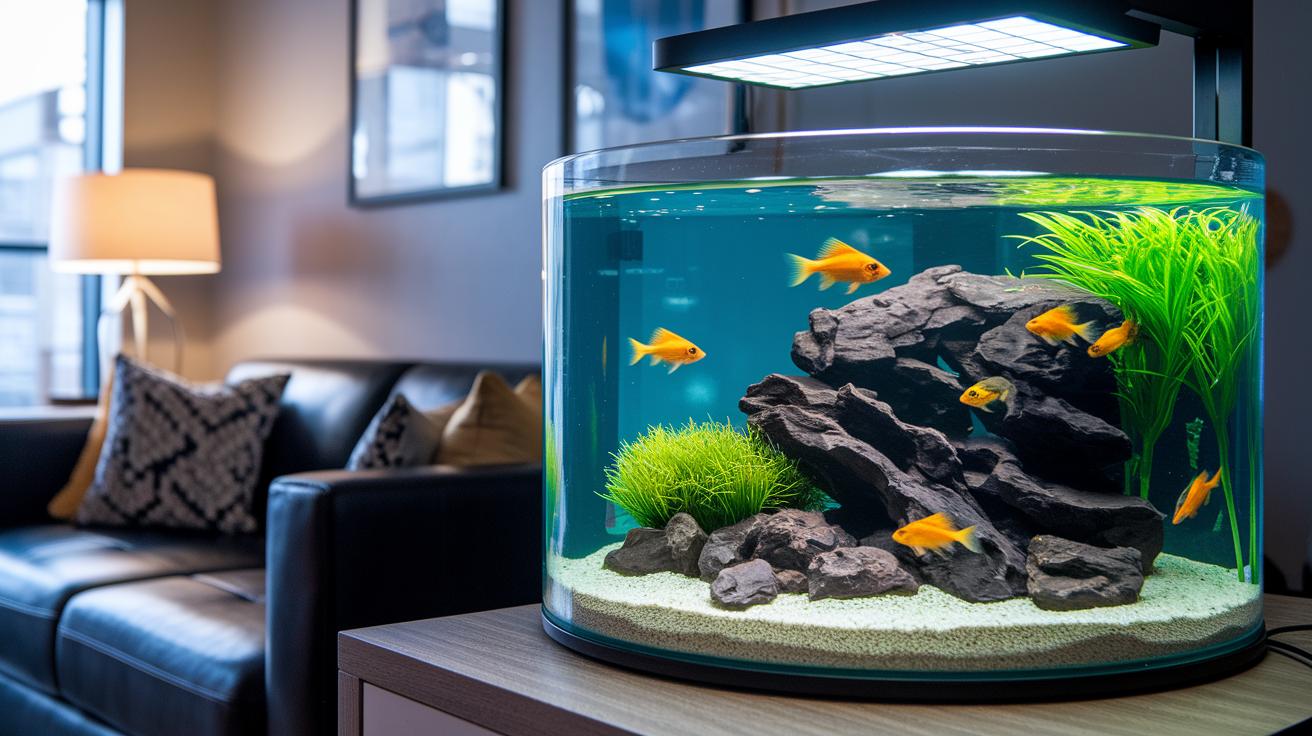
When your tank begins to smell, nature comes to the rescue. Activated charcoal in your filter works like a soft sponge, soaking up those unwanted odor molecules so your water feels fresh and clean. It’s like having a natural deodorizer busy behind the scenes.
Adding zeolite media can really help too. It catches excess ammonia by absorbing extra ions, which brings down smells right from the start. Mix it in with your usual filter media for a steady, long-lasting reduction in odor.
Aquarium-safe enzyme treatments act like tiny cleaners, breaking down waste compounds before they have a chance to build up. They speed up the natural process of decomposition so that organic matter doesn’t stick around to cause unpleasant smells. Give it a week and you might notice your water smells much cleaner, as if nature itself took over the cleaning duty.
A gentle cleaning routine is also key. Using a mild vinegar solution helps remove film from external surfaces without harming your tank water. Just steer clear of water conditioners with sulphur, since they can bring on a rotten-egg smell that ruins the fresh vibe you’ve worked for.
By blending these natural and chemical methods, you get a flexible plan for long-term odor control. A mix of vinegar, charcoal, zeolite, and enzymes creates a balanced, refreshing environment that both you and your fish can enjoy.
Creating a Maintenance Schedule for Odorless Aquaria
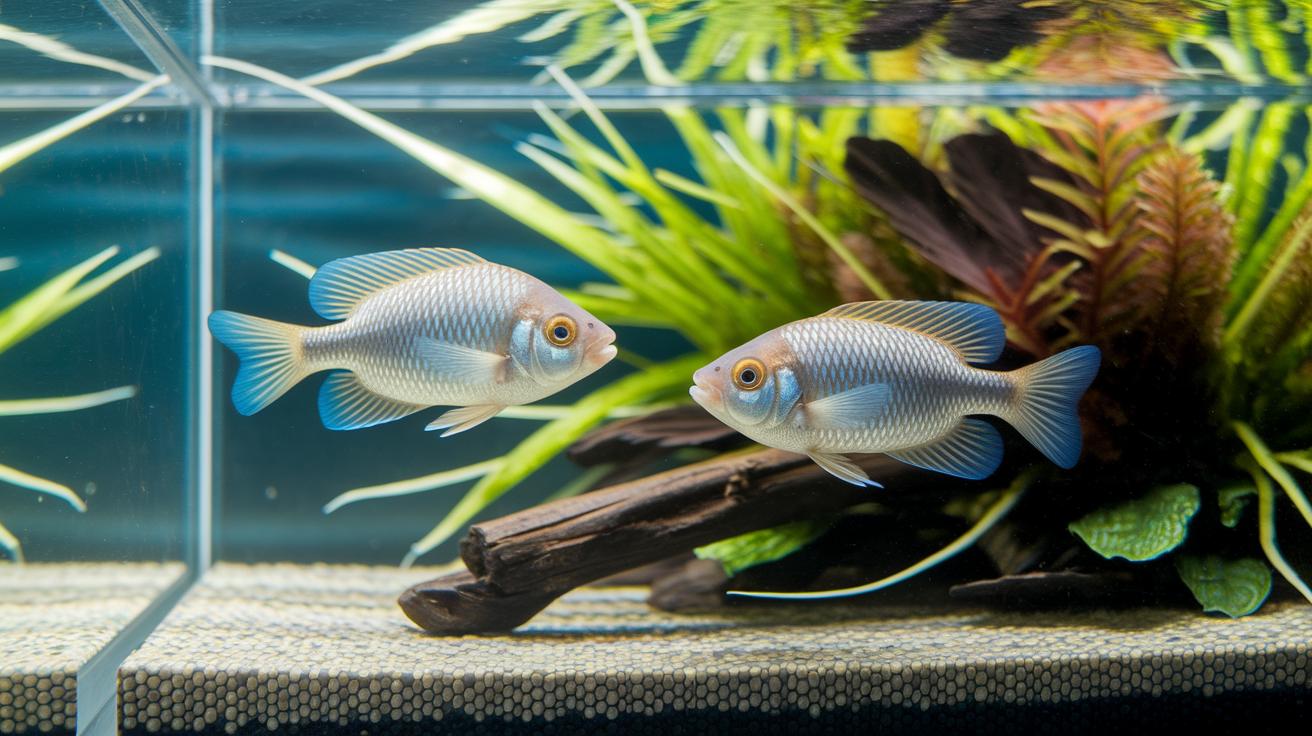
Making a routine for your aquarium is like enjoying the calm ripple of water on a sunny day. A good plan helps you care for your tank and keeps any unwanted smells away.
-
Daily: Each day, take a quick look inside your tank. Check for loose bits of debris, see that your fish are happy and healthy, and test the water (pH and ammonia levels) just like glancing around your room when you wake up.
-
Weekly: Once a week, change out about 10–15% of the water. Vacuum the gravel to find hidden particles and gently rinse the filter media with some tank water to protect the friendly bacteria while washing off debris. Think of it as a little refresh to keep your tank neat.
-
Biweekly: Every couple of weeks, swap out activated carbon or zeolite and give a deep clean to your decorations and hoses. This helps remove stubborn buildup that might not show up in your daily check.
-
Monthly: At the end of the month, look over your equipment carefully and do a full filter overhaul to make sure everything runs smoothly.
It’s a great idea to write down all these tasks and water readings in a checklist or calendar. That way, you can easily spot any changes before they turn into bigger problems.
Final Words
In the action, we covered tank cleaning, routine water changes, filter care, and smart feeding to keep your aquarium fresh. We spoke about removing organic buildup, balancing water chemistry, and using natural additives for long-lasting freshness. Regular upkeep, from vacuuming debris to checking pH and ammonia, keeps your underwater home thriving. Following these steps shows exactly how to prevent fish tank odors during maintenance and creates a cozy setting for your aquatic friends. Enjoy the clear, inviting waters each time you care for your tank!
FAQ
Fish Tank Odor FAQ
How can I prevent my fish tank from smelling bad during maintenance and after cleaning?
Preventing fish tank odors starts with regular cleaning—vacuuming the substrate, doing daily water changes, and cleaning filter media. This routine care removes waste and decaying food that can produce unpleasant smells.
My new fish tank smells off and appears cloudy like sewage. What can I do?
A new tank may smell bad and look cloudy if waste or decaying matter accumulates. Quick water changes, proper filtration setup, and a thorough cleaning routine help clear the cloudiness and neutralize the odor.
How do homemade odor eliminators work to reduce fish smells?
Homemade odor eliminators, such as those using activated carbon, work by absorbing odor-causing molecules. They naturally neutralize fish tank smells while keeping the water environment safe for your aquatic pets.
Why might my fish tank stink even though it appears clean?
A seemingly clean tank can still hold hidden waste in the substrate or filters and suffer from imbalanced water chemistry. Routine maintenance and proper cleaning of all tank parts address these unseen odor sources.
What hygiene practices help in getting rid of fish tank odors effectively?
Effective hygiene practices include regular substrate vacuuming, wiping surfaces with a safe vinegar solution, and routine filter cleaning. These steps remove invisible residues that can produce unwanted fish tank odors.