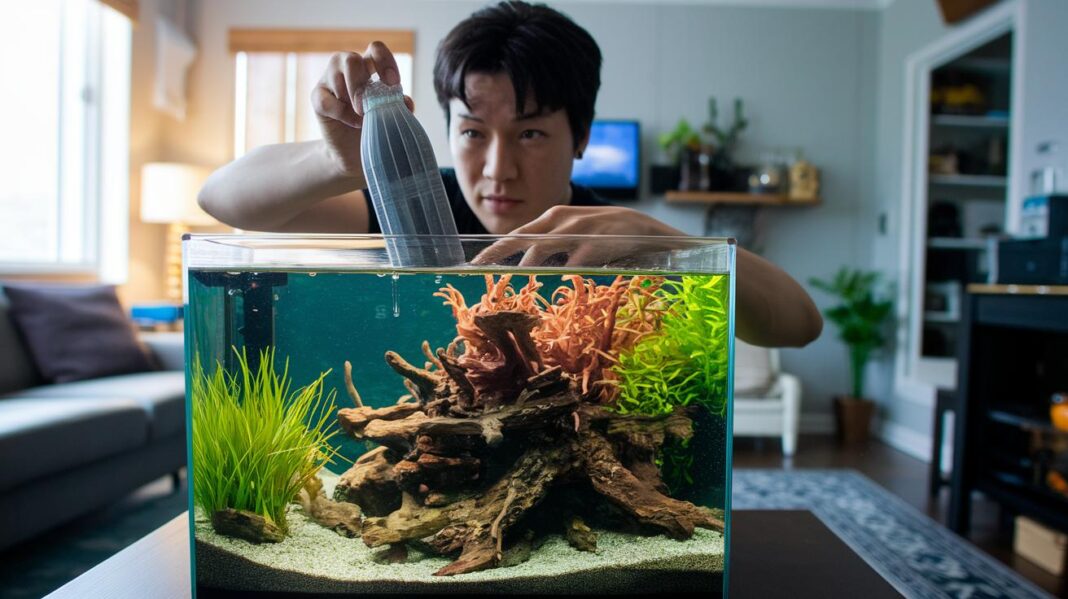

Ever worry about what to do when your aquarium runs into trouble? A sudden shift in your tank can send your fish into a tizzy and stir up their carefully kept home, just like ripples upsetting a calm pond.
Here’s a little help from a fellow fish lover: I've put together some quick fix ideas that can bring things back to normal until your backup systems kick in. Whether it’s adding an extra heater or trying out a simple air pump fix, these steps can ease your fish’s stress and keep things balanced.
Read on for some straightforward advice that helps keep your underwater friends safe and your tank as calm as a peaceful stream.
Immediate Quick Fix Protocols for Emergency Aquarium Maintenance
Keeping your aquarium's water steady and full of oxygen is key to keeping your fish happy. Sudden shifts stress them out and disturb their cozy home. Quick fixes can help shield your aquatic pals until your backup systems kick in. A handy tip is to use a digital thermometer or one with a controller that watches your tank all day and night. This way, you can spot any changes early and jump into action.
Try setting up two heaters to guard against unexpected failures. Keep your main heater at 78°F and have a backup set around 75°F to avoid sudden temperature drops. If your tank's water dips below 68°F, tape approved heat packs along the outside of your tank, about one for every 20 to 30 gallons, until you can get new replacements. This double setup, combined with gentle extra warmth, helps keep your tank’s temperature stable.
Simple standby options to keep the air moving include:
| Option | Description |
|---|---|
| Battery-powered air pumps | Runs on batteries for backup when outlets are down |
| Manual hand-pump bubblers | You can operate these by hand to add bubbles |
| Air stones on UPS-powered pumps | Works with an Uninterruptible Power Supply to offer steady air |
| Surface agitation via tilted filter outflow | Adjusting the filter output to stir up the surface gently |
When the power goes out, try not to feed your fish during the first one or two hours. It’s best to shut down any automatic feeders, too. Leaving extra food in the tank can quickly boost ammonia levels and further upset the water quality. By holding off on feeding, you let your system settle without any additional organic load. With a watchful eye and calm, steady steps, your tank will stay as balanced as possible until everything is back to normal.
Rapid Water Quality Checks and Emergency Chemical Dosing

When something goes wrong in your aquarium, dangerous spikes in ammonia and nitrite can hurt your fish very quickly. That’s why it’s a good idea to test your water within five minutes if you suspect a problem. Quick checks let you act fast by adjusting chemicals and keeping your tank safe. Even small changes in water quality can become risky, so it helps to have your test kits for ammonia, nitrite, nitrate, pH, and salinity ready at hand.
| Parameter | Safe Range | Immediate Action |
|---|---|---|
| Ammonia | 0 ppm | Water change + shock dosing |
| Nitrite | 0 ppm | Add nitrite binder + partial change |
| Nitrate | <40 ppm | Partial water change + bio-media rinse |
| pH | 6.8–7.4 | Dose pH buffer per instructions |
| Salinity | Marine: 1.020–1.025 | Top off with freshwater or salt mix |
Once you notice any of these numbers stepping out of the safe zone, start a careful water change. Begin by removing about 20–30% of the water every 15 minutes, using RO/DI water to nicely dilute any harmful substances. While doing this, add a water conditioner as directed to help bind chlorine and heavy metals, and use a salt mix if needed. If nitrite levels are very high, you might want to add a shock dose, usually about 1 mL per 10 gallons, following the product’s directions. And don’t forget, activated carbon works quickly to clear out organic waste. This steady process of water changes paired with quick chemical adjustments brings your aquarium back to a calm, balanced state.
Quick Equipment Troubleshooting and Backup Solutions for Emergency Aquarium Maintenance
When your pump or filter isn’t working right, fast action is key to keeping your fish happy and healthy. Sometimes, little parts like impellers get clogged with debris, tubing may be pinched, or the filter media gets overloaded. Using simple monitors like flow meters and power monitors helps you spot problems early, so you can jump in and save your underwater friends before things get worse.
Pump & Filter Quick Diagnostics
First, take a moment to check your pump and filter systems as soon as you notice something off. Look at the impellers, those spinning pieces, and see if any gunk or wear is slowing them down. Give the tubing a close look too, making sure nothing is kinked or blocked that would hurt water flow. Then, inspect the filter media and housings for clogs or buildup from dead bacteria and nitrogen waste. This simple visual check can help uncover common issues that might be keeping your equipment from doing its job.
Activating Backup Equipment
Having a backup plan is essential in an emergency. If the main pump fails, swap it with a spare or use a battery-powered air stone to keep the water moving. For a filter that has clogged cartridges, replace them with clean ones or switch to a backup return pump. Once you’ve set things up, check that the water is flowing smoothly and that everything feels stable. Restart your filtration system carefully, and keep an eye on connections and seals for any leaks. Make sure the water returns as it should so you can relax knowing your backup measures are working right.
Fast Leak Detection and Emergency Seal Repairs in Aquariums
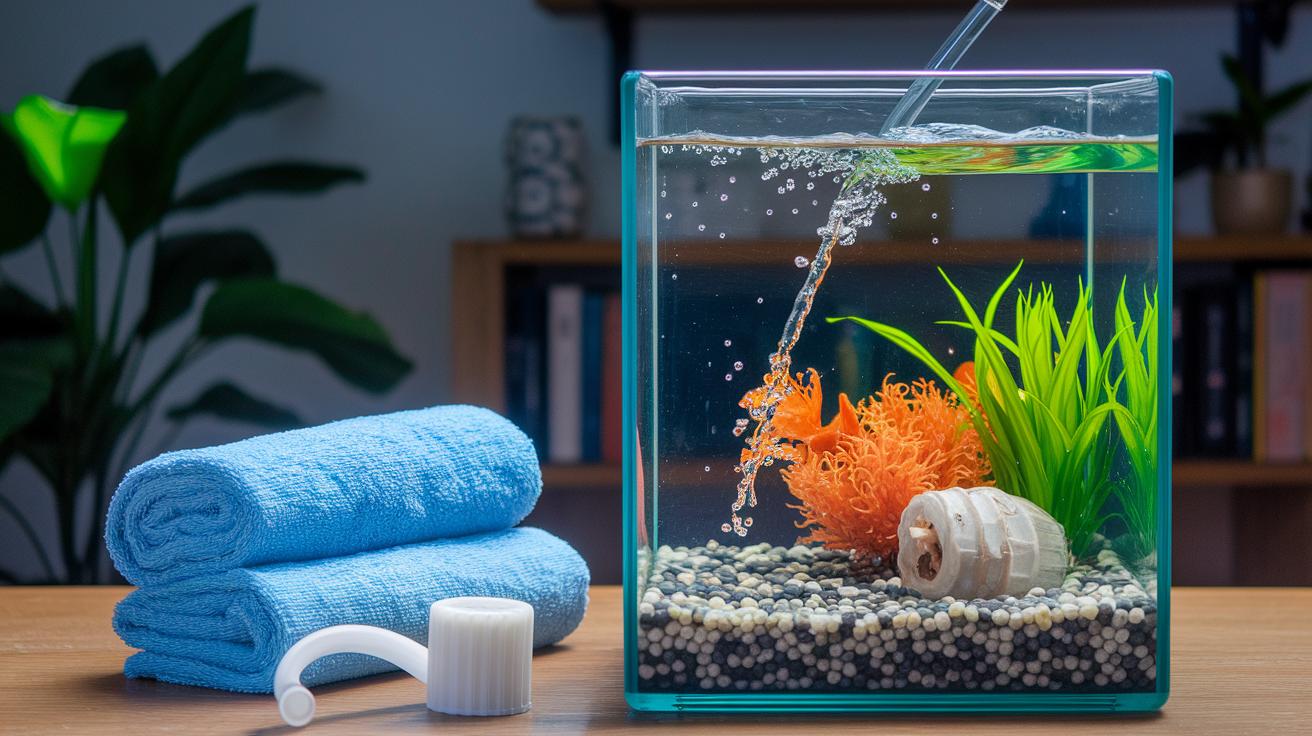
Finding a leak early is like spotting the first ripple before a wave builds up. Using a leak detector or water alarm under your tank can alert you instantly when something seems off. It’s a good idea to check your silicone seams regularly, if you notice even a small, wet patch near a joint, it’s time to take action.
Next, patching the leak quickly can keep everything calm and safe. Start by gently cleaning the area with a soft cloth until it’s completely dry. Then, run a steady bead of aquarium-safe silicone along the crack, and press in some Teflon tape to fill any tiny gaps. If you feel it’s necessary, you can add a little plumber’s putty to create a temporary barrier while you plan a permanent fix.
When you spot a leak, be ready to protect your finned friends. Carefully move your fish into a holding bin or spare tank so they stay safe while you work. After all your aquatic buddies are secure, allow the sealant to dry and cure fully before refilling the tank. This thoughtful process helps reduce stress for your fish and keeps your aquarium healthy.
Speedy Disease Control and Quarantine Procedures for Emergency Aquarium Maintenance
When your fish start acting off, having a backup quarantine tank and rescue kit can really save the day. Keep a small tank ready with dechlorinated water and a heater so you can quickly move ailing fish away from the main group. It’s a straightforward step that helps shield your finned friends when sickness strikes.
Once your fish are safely isolated, it’s time to treat them with medicine. Use copper sulfate at 0.15 ppm and Metronidazole at 25 mg per gallon, following the directions on the label. Let this treatment run for five to seven days to slow down the spread of germs and help your fish rally back to strength.
You can also give your main tank a little boost by running a UV sterilizer on the water for one to two hours. This quick burst of UV light helps break up harmful germs without disturbing the good bacteria, keeping your aquatic world healthy and clear.
Prompt Post-Crisis Recovery and Critical Water Change Guide for Emergency Aquarium Maintenance
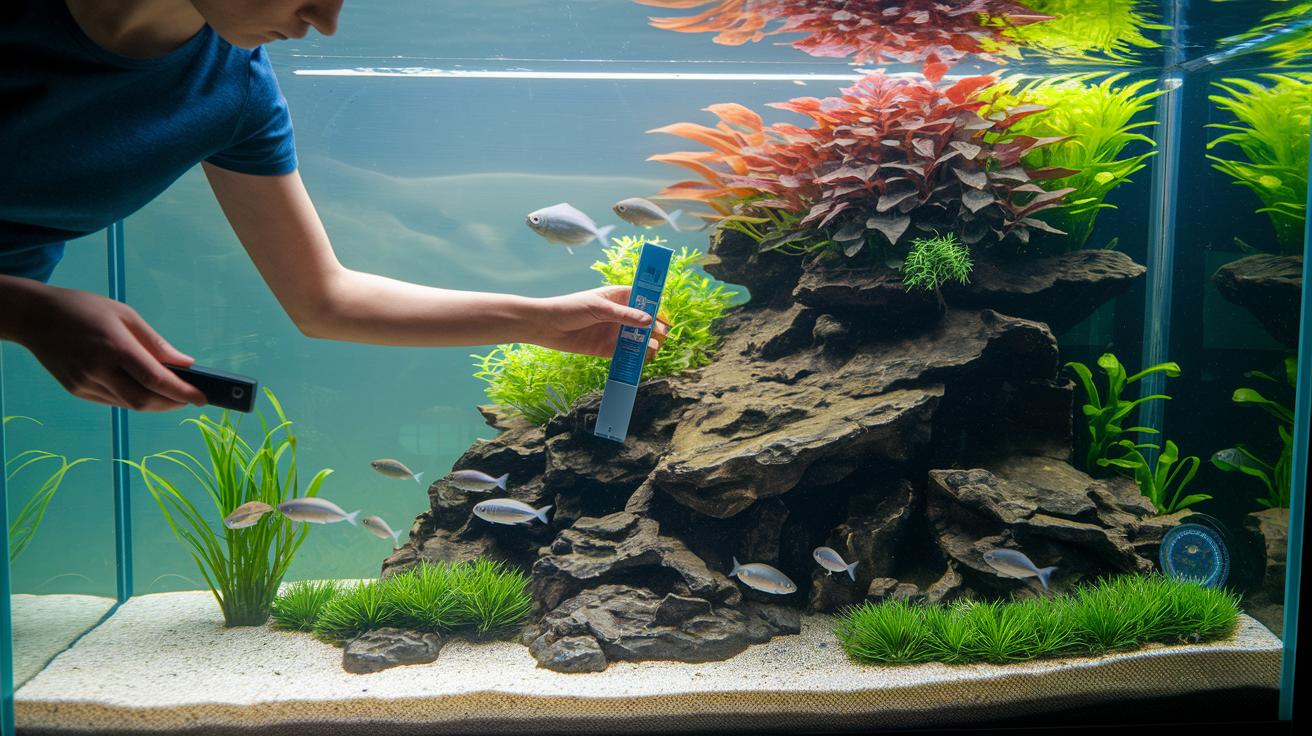
Once power is restored, give it a good 30 minutes before you start checking for ammonia and nitrite levels. Grab your test kit and see how the water is doing. Every half-hour, change out about 30% of the water. This steady schedule gently brings those ammonia and nitrite numbers down to zero. While you’re doing these water changes, add a pH buffer exactly as the bottle tells you, this keeps the water calm, just like a quiet pond, while the good bacteria begin to bounce back. Keep checking the water as you go, so you know if any adjustment is needed.
When you’re ready, take some time to clean your hang-on-back and canister filters really well before turning them back on. This step is like clearing out debris from a stream, it prevents extra nitrogen buildup. Try to skip feeding your fish for about 24 hours so that the bacteria and live plants have some time to work through any remaining nitrogen. During this pause, keep a close eye on your tank’s readings for pH, ammonia, and nitrite over a 48-hour span. Once everything seems steady and balanced, slowly start feeding your fish a little at a time, so you don’t shock their little world. Enjoy watching your tank return to its peaceful rhythm, one gentle step at a time.
Final Words
In the action, you learned practical steps to restore balance. You saw how quick temperature adjustments, oxygen boosts, and equipment checks can protect your aquatic home.
Each section offered ways to test water quality, tackle leaks, and handle fish health emergencies. Remember, these quick fix tips for emergency aquarium maintenance can make a real difference when seconds count.
Keep calm and act fast, and your underwater world will keep shining bright.
FAQ
What are some quick fix tips for emergency aquarium maintenance on YouTube?
The quick-fix tips on YouTube show ways to stabilize your tank’s temperature and oxygen using backup equipment, water changes, and temporary repairs that help keep your aquatic life safe.
What should I do if my fish tank is leaking from the bottom or a bottom corner?
The fish tank leaking from the bottom calls for immediate checks. Inspect for cracks, use aquarium-safe silicone sealant on the leak, and consider consulting local repair services if the problem worsens.
What kind of aquarium silicone sealant should I use?
The aquarium silicone sealant you choose needs to be 100% safe for aquatic life. Use products labeled as aquarium-safe to ensure proper adhesion and water chemistry stability.
Can an aquarium be sealed externally to repair leaks?
The approach to seal an aquarium externally is tricky. External fixes often don’t provide a lasting bond, so internal repairs are generally needed for proper curing and leak prevention.
Where can I find a local fish tank repair service?
The local fish tank repair service can be found by checking online directories, visiting pet store bulletin boards, or asking fellow aquarists for recommendations on trusted repair professionals near you.
What is the golden rule for tank maintenance?
The golden rule for tank maintenance is to keep your water quality and temperature stable through regular checks and preventive actions, ensuring a steady and healthy environment for your fish.
How do I quickly set up a hospital tank for fish?
The quick setup for a hospital tank starts by preparing a separate, filtered, and dechlorinated tank with a heater. This creates a calm space where sick fish can recover with minimal stress.
How should I manage an aquarium during a power outage?
The management of an aquarium during a power outage involves using battery-powered air pumps, pausing feeding, monitoring water temperature, and using external heat packs to keep the environment stable.
Can I use Dawn dish soap to clean my fish tank?
The use of Dawn dish soap for cleaning your fish tank is ill-advised since its chemicals can harm aquatic life and disrupt the delicate water chemistry your fish need to thrive.