

Ever thought about how live food might turn your aquarium into a vibrant underwater wonderland? Watching your fish dart around after these little treats feels as refreshing as a cool ripple on a sunny day. Live food isn’t just a natural snack, it also sparks a fun burst of activity, like a mini underwater party that keeps your fish lively and happy. Next, we'll chat about how mixing in live food can easily refresh your tank and boost your fish's health.
Where to Buy Live Fish Food: Supplier Guide

When you’re looking for live fish food, start by checking out trusted online shops and aquarium specialty stores. These places often have clear rules about shipping live food so your little swimmers arrive fresh and ready. And if you prefer to see what you’re getting, visit your local pet store or aquaculture farm where you can pick out the best quality live feed yourself.
One product that often catches the eye is the “10 Bladder Snails.” Many aquarium enthusiasts love this special treat because it adds a splash of variety and life to their tanks. If you’re new to this, remember that the quality you choose can make a big difference in your fish’s growth and overall health. You might want to read up on fish nutrition and check out some beginner care tips to help guide your choices.
Prices and order sizes can change depending on whether you’re buying wholesale or retail. Wholesale is great if you have a big tank or several aquariums because you get lower prices, though you might need to buy in bulk. Retail orders might cost a bit more, but they’re flexible and usually come with quicker shipping. Plus, buying local can sometimes save you time and ease the stress of shipping delicate live food.
Before you make your purchase, take a moment to compare delivery times, how the food is packaged, and return policies. This way, you can be sure your aquatic friends get the freshest, healthiest meals possible.
Popular Live Fish Food Types for Aquariums

Feeding your fish live food is like inviting a little festival into your tank. Not only does it provide rich nutrition, but it also sparks natural hunting behavior that brings a sparkle to your fish's eyes. Ever watch them dash after a baby brine shrimp or flick their fins as they nibble on microworms? These treats mimic the wild meals your fish would enjoy in nature, all while fitting perfectly into your home aquarium.
Below is an easy-to-read comparison of the top 10 live food types. This table lays out key details side by side so you can choose the best option for your aquatic friends:
| Food Type | Typical Size (mm) | Culture Temp (°F) |
|---|---|---|
| Baby Brine Shrimp | 1 | 72 |
| Vinegar Eels | 1 | 70 |
| Microworms | 0.5 | 72 |
| Daphnia | 5 | 68 |
| Infusoria | 0.5 | 79 |
| Blackworms | 4 | 70 |
| Grindal Worms | 0.5 | 72 |
| White Worms | 1 | 72 |
| Feeder Insects | 3 | 75 |
| Live Feeder Fish | 5 | 70 |
Mixing these live food options lets you create a varied menu that boosts your fish’s health and brings out their brightest colors. For example, daphnia packs a punch of essential nutrients, while vinegar eels are easy to culture and entice even the shyest eaters. Each choice helps keep your tank buzzing with natural energy and a sense of underwater adventure. Enjoy putting together this tropical menu that suits both your fish's needs and your unique care style.
DIY Culturing of Live Fish Food at Home
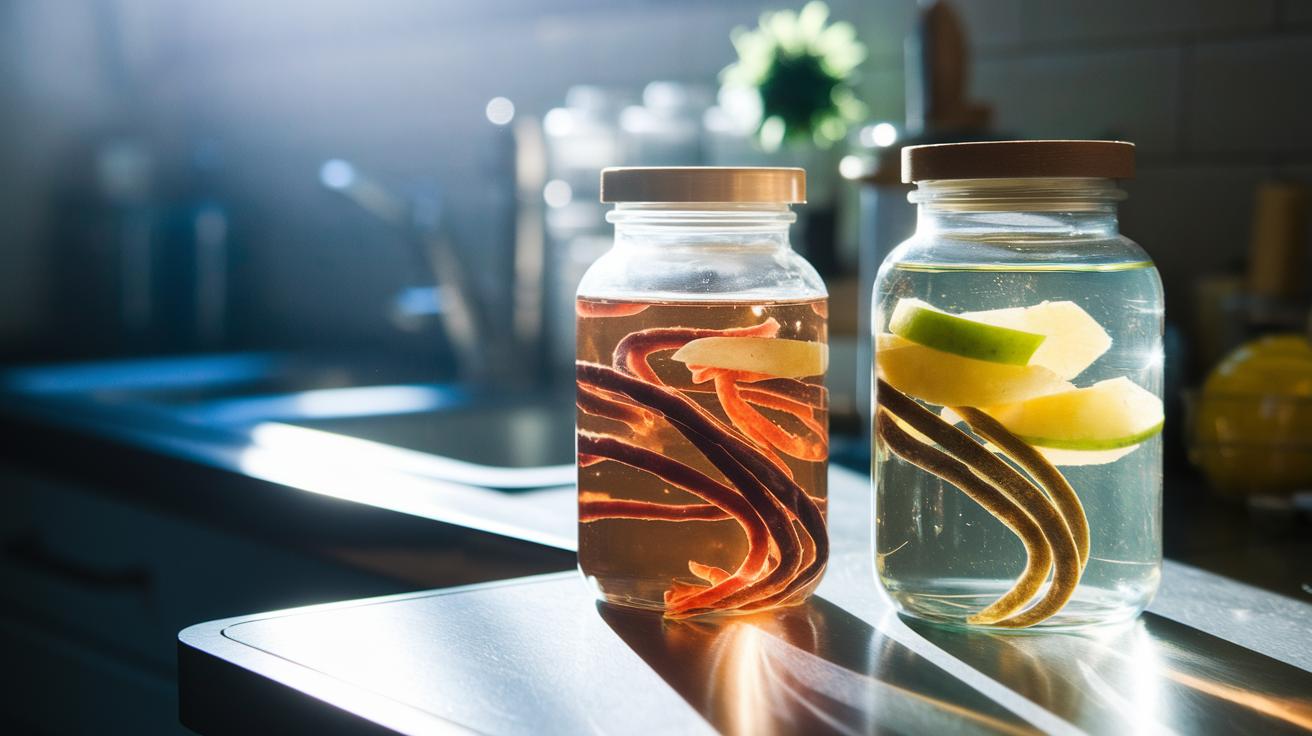
Setting up your own live feed feels as refreshing as watching fish glide through water. First, think about how to arrange your space. You only need a small container (about 1 to 2 gallons), a gentle aeration system like air stones, a heater or thermometer to keep an eye on the water warmth, and dechlorinator mixed with a bit of aquarium salt. Picture a row of simple glass jars on your kitchen counter, each one ready to nurture a tiny aquatic garden.
For vinegar eels, mix equal parts of apple cider vinegar and dechlorinated water in your container. Drop in a few apple slices to feed the eels and stir slowly, like the soft ripple of water on a pond. Watch carefully as the tiny eels start to grow. Once you see a lively group, you can gather them using a filter floss and pipette. It’s amazing how such a simple jar can become a bustling world of vinegar eels!
When you’re culturing daphnia, fill your container with aged dechlorinated water. Keep in mind that daphnia are very small, only 1 to 5 mm, and they love a little sunlight. Place the container where it gets gentle, indirect light, and keep the water around 68°F. In just about a week or so, you’ll see them multiply, much like watching a tiny underwater garden bloom.
For infusoria, add a one-inch piece of banana peel or half a teaspoon of instant yeast to some old tank water. Maintain the water at a steady temperature of 78°F to 80°F for 3 to 5 days, and you’ll have a neat little culture ready to boost your aquarium.
- Clear glass or plastic containers (1–2 gal)
- Air stones or a gentle aeration system
- A heater or aquarium thermometer for temperature control
- Dechlorinator mixed with a pinch of aquarium salt
Set up your live feed station and enjoy watching your aquatic garden flourish, adding a bit of lively magic to your tank.
Nutritional Advantages of Live Fish Food
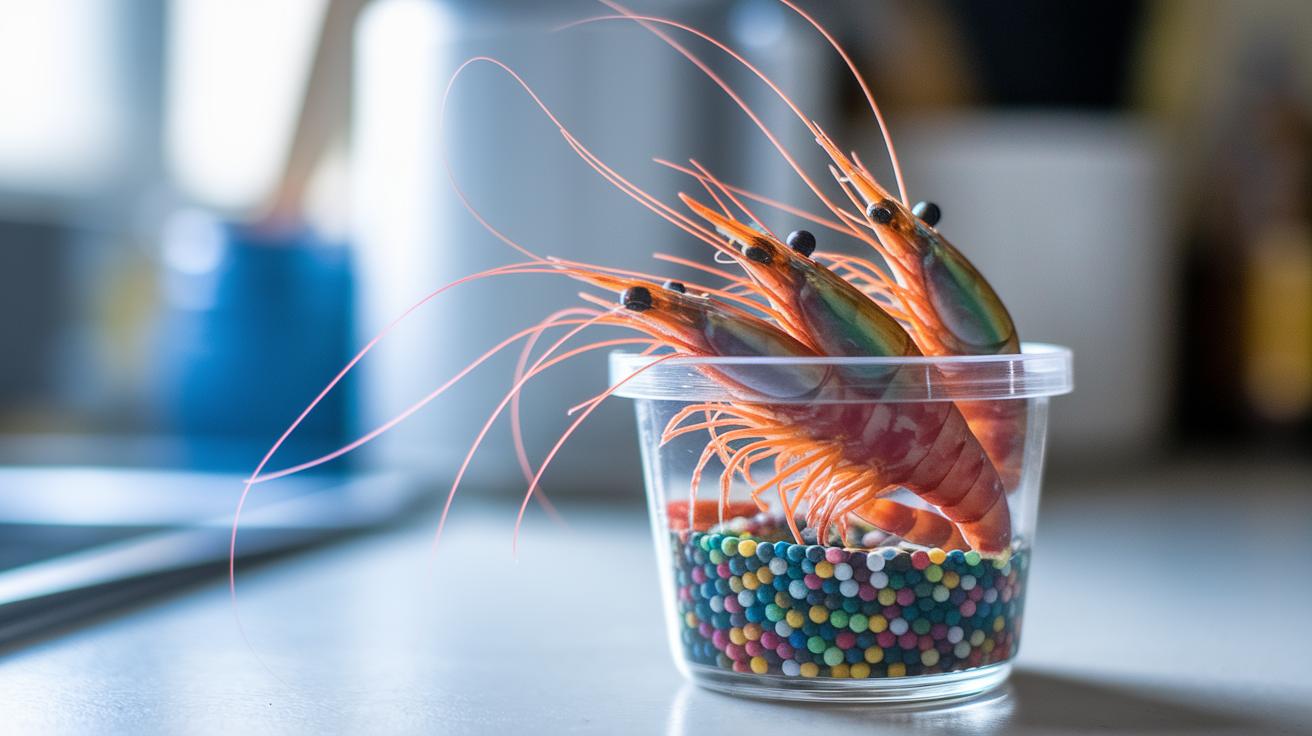
Live foods are like a natural feast for your fish, offering a mix of nutrients that mirror what they’d find in nature. They come packed with quality protein, healthy fats, and those little vitamins and minerals that help build strong muscles and keep your fish feeling good. For example, active brine shrimp burst with carotenoids, natural pigments that not only brighten your tank with a splash of color but also boost your fish’s immune system.
Feeding live food turns mealtime into a mini adventure. When your fish dart after these tiny moving treats, they get to enjoy natural hunting instincts, sparking both physical and mental activity. It’s like watching a small, playful chase that brings life and energy to the tank.
Live foods also offer a well-balanced diet that processed feeds sometimes miss. They provide a perfect blend of proteins, fats, and key micronutrients, helping your fish to grow faster, shine brighter, and remain full of energy. By mimicking the natural diet of wild fish, live foods nurture both physical growth and mental stimulation.
- High protein that builds strong muscles
- Essential fatty acids for healthy skin and scales
- Micronutrients that boost overall body functions
This natural, active feeding routine helps your fish thrive, creating a vibrant and energetic underwater world.
Proper Handling and Storage of Live Fish Food

Taking care of your live fish food is a lot like keeping a mini underwater garden happy. To start, gently rinse your blackworms in dechlorinated water that’s been cooled to around 40 to 55°F. This cool wash helps wash away germs and keeps the worms calm, almost like a cool dip on a sunny day. When you store them, make sure there’s only about 0.5 inches of water in the container. This shallow water helps prevent the worms from getting too crowded and spoiling.
Next, when it comes to daphnia, keeping a nice, steady temperature is the key. Aim for a range between 65 and 72°F to let them thrive and multiply. Changing about 25% of the water each week is a smart move to flush out waste and keep their little pond clean and fresh.
Always remember to use clean containers for each type of live food. Mixing them up without a proper clean can let germs travel from one group to another, which can cause trouble for your fish. Simple habits like these help keep the food lively and your fish feeding time full of energy.
- Rinse blackworms in cool, dechlorinated water.
- Store them with just a shallow layer of water to stop overcrowding.
- Keep daphnia at a steady temperature and refresh their water regularly.
Matching Live Fish Food to Your Fish Species
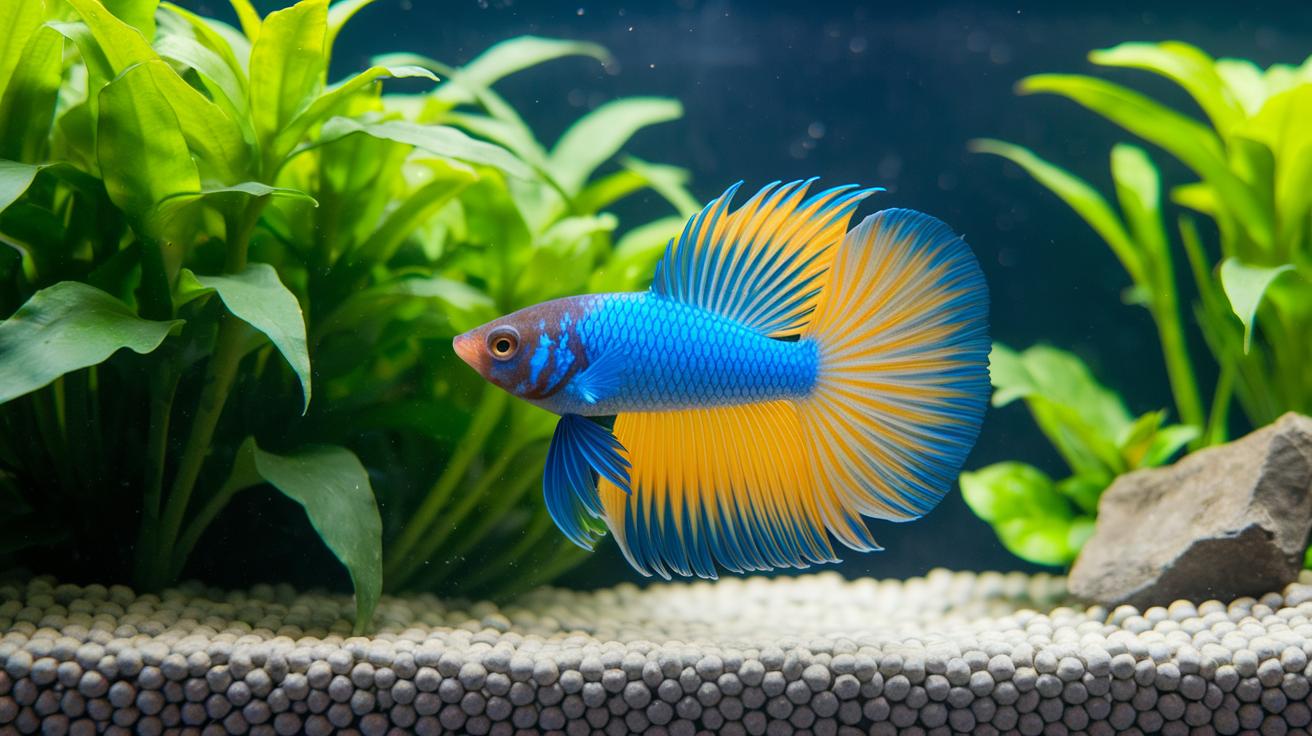
Bettas love to swim energetically and do best when they nibble on small, protein-rich live foods. Baby brine shrimp and microworms are real winners because they match the size of their mouths and pack a nutritional punch. Imagine your betta lighting up with each bite, like treating it to a mini gourmet meal that brightens its colors and keeps it zipping around happily.
Goldfish and koi, on the other hand, need a heartier meal. They prefer larger options like blackworms and bloodworms to fuel their energy and keep their scales shining bright. These bigger foods help them avoid any unwanted issues, like too much thiaminase, an enzyme that can upset their nutrient balance if overfed. It’s like giving them just the right size treat so that nothing goes to waste and they stay steadily content.
Cichlids call for a stronger diet to support both fast growth and healthy breeding. Tough live foods such as daphnia and grindal worms provide the size and nutrition they need. In community tanks, smaller fish like fry and schooling species do better with gentle options such as infusoria and vinegar eels. These foods are easier for tiny mouths to manage, ensuring every fish in the tank gets a nourishing bite without extra leftovers disturbing the water's clarity.
Picking the right live food for each species creates a balanced feeding routine that keeps every aquatic friend vibrant and engaged at mealtime.
Live Fish Food vs. Processed Diets: Cost & Quality Analysis
Live food gives your fish a little burst of natural energy that feels as refreshing as dipping your toes in a cool stream. Setting up this live option isn’t too hard, but it does mean buying small containers, simple aeration tools, and a few extra bits and pieces. Once everything’s running, you’ll usually spend around $5 to $10 each month. Plus, watching your fish enjoy meals that wiggle about with natural enzymes can turn feeding time into a mini underwater show.
On the other hand, processed diets such as premium pellets bring their own kind of ease. They cost around $15 to $20 a month and last for a long time on your shelf. The best part is, you won’t have to fuss over a complicated setup or keep a live culture going. That said, these pellets can’t offer the moving, lively experience of live food, which means your fish might miss out on some physical and mental stimulation.
- Live food takes a bit more time and care to set up and keep going.
- Processed diets offer a simpler, hassle-free choice with steady quality and storage.
At the end of the day, the right choice depends on the time you have, your budget, and the kind of excitement you want to bring into your fish’s world. So, take a moment to think about what works best for you and your underwater buddies.
Final Words
In the action, we explored strategies for sourcing reliable feed, compared popular options, and outlined easy DIY setups to culture your own live fish food. We touched on nutritional boosts for fish, proper handling tips to keep meals fresh, and choosing the right feed based on fish species. Each section offered a clear look at cost and quality so you can maintain a vibrant aquatic habitat. Keep these insights in mind and enjoy creating a lively, healthy environment for your underwater friends.
FAQ
Frequently Asked Questions
Where can you find live fish food nearby?
The answer to finding live fish food nearby is that many local pet stores, aquaculture farms, and aquarium specialty shops offer options like baby brine shrimp and vinegar eels, ensuring freshness and proper handling.
How do live fish food cultures work?
The answer to how live fish food cultures work is that you breed small prey like daphnia in controlled settings using dechlorinated water, balanced temperatures, and gentle aeration for healthy propagation.
Where can you buy live fish food online?
The answer to buying live fish food online is that several aquarium specialty retailers offer live products with clear shipping guidelines, letting you choose from a variety of natural options for your aquarium.
What is considered the best live food for fish?
The answer to what is considered the best live food for fish is that high-protein choices like baby brine shrimp, microworms, and daphnia are popular, providing essential nutrients and stimulating natural feeding behavior.
Is live food better for fish?
The answer to whether live food is better for fish is that live options mimic natural diets by providing active enzymes, essential nutrients, and natural movement that boosts fish vitality and feeding response.
What exactly is live food for fish?
The answer to what exactly is live food for fish is that it includes living organisms like daphnia, vinegar eels, and brine shrimp, which offer natural motion and nutrient profiles similar to what fish would find in the wild.
How can you make live fish food at home?
The answer to making live fish food at home is that you can set up simple cultures using dechlorinated water, basic ingredients like apple or banana slices, and controlled temperatures to breed options like vinegar eels and infusoria.
What about using daphnia as fish food?
The answer regarding daphnia as fish food is that these small crustaceans provide balanced protein and essential micronutrients, making them a nutritious, natural option for many aquarium fish species.