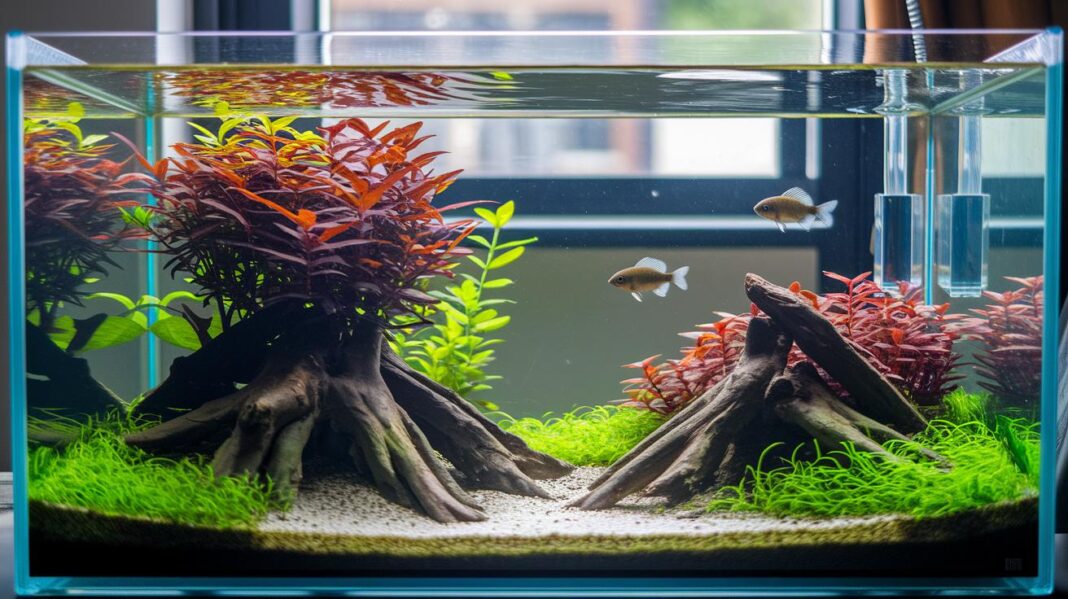

Ever wonder why your new aquarium setup isn’t thriving the way you hoped? Sometimes, aquascaping beginners dive in without enough planning, it's a bit like trying to bake cookies without giving the dough time to settle. Skipping those simple steps can put your fish and plants at risk.
In this guide, you'll find friendly advice on common pitfalls that disrupt your tank's natural balance, along with practical tips to turn it into a vibrant underwater retreat. A little extra planning can help your aquarium come to life, making it a place of calm and wonder.
Top Aquascaping Beginner Mistakes You Need to Recognize
When you’re just starting out with aquascaping, it’s tempting to dive in without taking time to set a solid base. Many hobbyists forget to let their tank cycle properly, that is, giving helpful bacteria a chance to break down harmful compounds. Without this natural process, both fish and plants can suffer sudden spikes in toxins. Imagine baking cookies without waiting for the dough to rest, you might end up with a not-so-great treat.
Here are some common snafus and a few friendly tips to keep your tank thriving:
- Not allowing tank cycling and the growth of good bacteria
- Skipping regular water changes that help keep the water balanced (this can lead to pesky algae)
- Planting too few live plants, which means less oxygen and more areas where algae can pop up
- Using too deep a substrate that forms oxygen-poor pockets, hurting your plant roots
- Overcrowding your tank with fish or plants, which can disrupt natural flows and make the setup look messy
- Dumping too much fertilizer all at once, which gives plants and fish a stressful nutrient spike
- Spacing out plant stems too far so they don’t form a neat, unified carpet over time
- Creating intricate rock displays that may look cool but actually complicate proper tank care
- Picking a filter that’s too small or too big for your setup, making water quality hard to manage
Every one of these errors can slow down your progress. With a bit of patience and good planning, like double-checking your recipe before baking, you can sidestep these roadblocks and enjoy a tank that’s as beautiful as it is healthy.
Planning & Layout Mistakes in Beginner Aquascaping
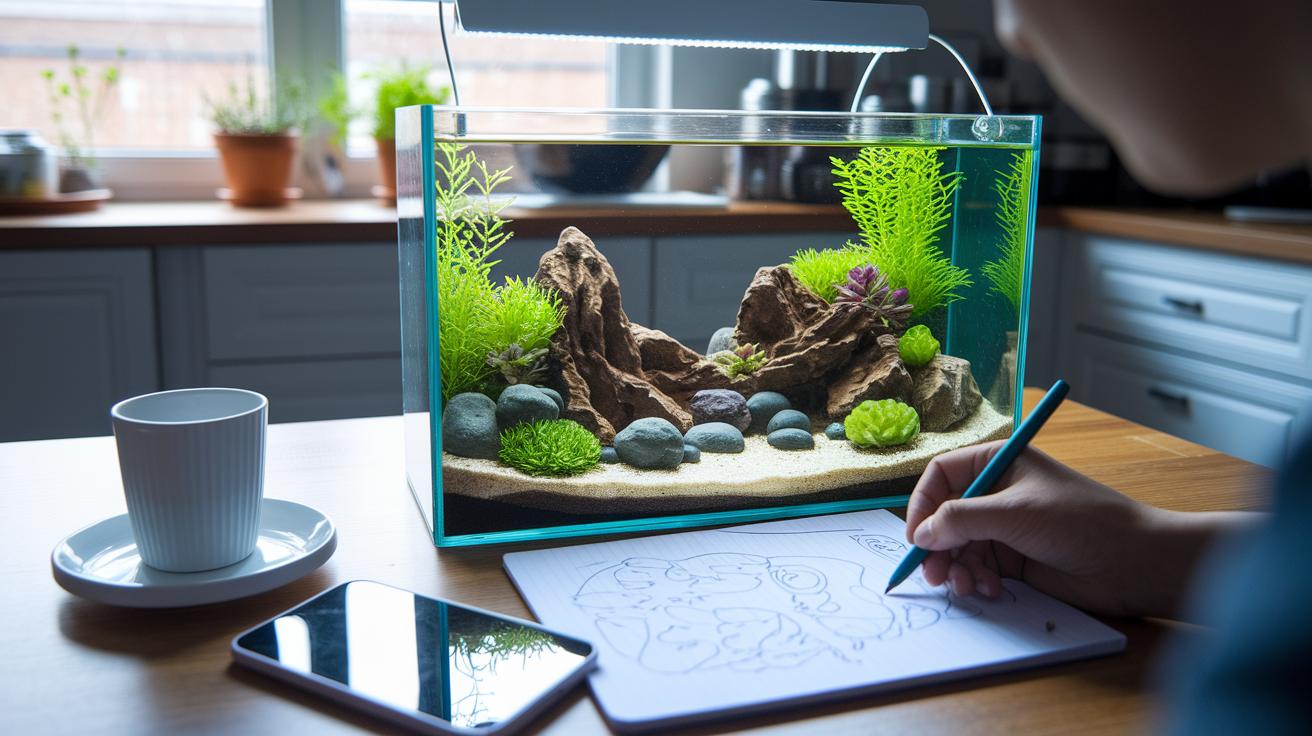
Many beginners jump right in, picking out plants and decorations on a whim without mapping out a plan first. When you rush, it’s like tossing items into a watery mix with no rhyme or reason, suddenly, some spots become too packed while others feel empty. Ignoring the size and shape of your tank can lead to overcrowding in one area while leaving prime space for your active swimmers untouched. For instance, loading one side of the tank with heavy ornaments might block swimming paths or create tricky cleaning spots along the glass.
Taking time to sketch a simple design can feel as refreshing as a calm current. A quick layout helps you see the best spot for a standout feature and plan where each piece will shine. Leaving open areas for your fish is a bit like giving them a playground, and having small gaps between decorations creates secret hideaways for tiny critters. Planning ahead might seem extra, but it saves a lot of heartache later when every element in your tank finds its perfect home.
Hardscape Errors: Rockwork Layout and Decorative Pitfalls
Begin with a clean, dry base rock because it stops hidden decay and unwanted contaminants from stirring up trouble in your tank. It's like setting out to build a beautiful aquarium only to find a sneaky rock quietly breaking down underneath, you definitely don't want that. Always opt for a dry start to avoid later headaches.
Before you toss in any substrate, build your hardscape framework. This step is like laying out the blueprint before you decorate your room; it stops rocks from tumbling around when the sand shifts or when curious fish start burrowing. Instead of placing the big, heavy stones first, use smaller rubble to gently hold them in place. This way, you create a solid base that is ready for heavier coral or other decorations down the road.
Make sure to leave enough space between rocks. These gaps not only help the water ripple and flow freely but also offer snug hiding spots for your small critters. Keeping rocks a few inches away from the glass helps prevent stagnant zones and makes cleaning a breeze. In simple terms, less is often more, each rock should have its own cozy spot without crowding the tank.
A well-organized rock layout can truly transform your tank into a vibrant, easy-to-care-for underwater world.
Substrate Setup Mistakes Beginners Often Make
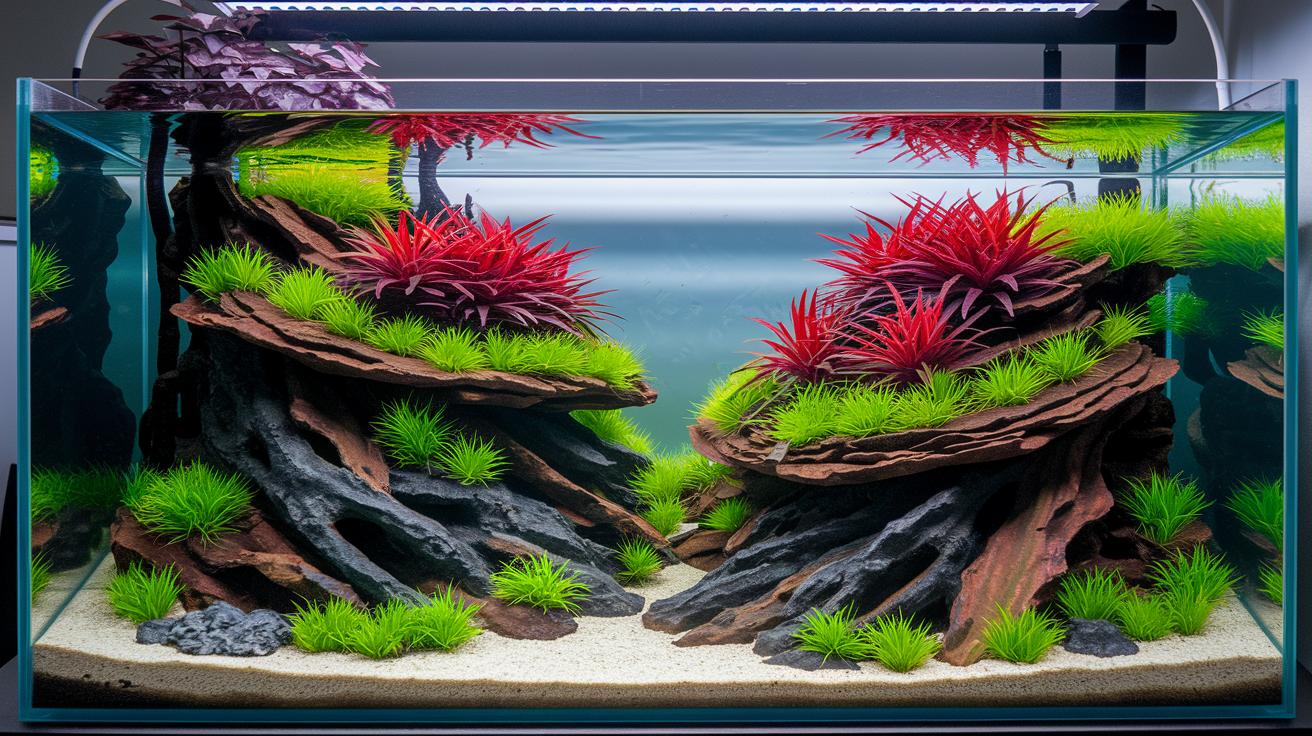
A common slip-up when designing your aquascape is using too much substrate. When you pile it on thick, it can trap extra gunk that eventually causes ammonia levels to spike. Instead, aim for a layer that's about 2 to 3 inches deep, just enough to keep your little underwater world clean and happy.
Picture it like making a tasty layered cake. Start with a nutrient-rich base using aquasoil or enriched substrate to feed your plants, much like the soft sponge at the bottom of a cake. Then add a middle layer of fine gravel or sand that lets plant roots settle in without collecting too much debris. Top it off with a final layer of inert sand or fine gravel to protect the layers below, kind of like a neat icing that keeps everything in place.
Before adding any new materials to your tank, always give them a good rinse. This extra step helps prevent sudden ammonia spikes from unwanted contaminants. And don’t forget to vacuum your substrate regularly; it’s a simple way to remove biofilm and leftover debris. Taking these steps not only keeps your water crystal clear, but it also helps your plants thrive, turning your aquarium into a calm oasis you can truly enjoy.
Plant Selection & Placement Pitfalls in Aquascaping
When you leave too many bare spots in your tank or squeeze in so many plants that they block light and flow, your aquascape can lose its charm. It's like trying to start a lively pond with only a few fish, or packing a school of fish into a tiny bowl. The trick is to find the right balance and place each plant where it can shine.
Mixing plants that grow at very different speeds can also cause trouble. Picture a fast-growing plant pushing out its slower neighbors, suddenly, your tank feels unbalanced and crowded, like a busy reef where some fish have taken over all the good spots. This overcrowding can stifle the flow of nutrients, making it harder for all your green friends to thrive.
Spacing matters too. Think of it like planning a picnic by the water, you wouldn’t have everyone huddled in one corner, right? Each plant needs its own little space to catch sunlight and nutrient-rich water. Giving them room to grow ensures every spot in your tank looks beautiful and feels natural.
And then there's trimming. If you cut too much or too little, it can shock your plants and mess up the look of your setup. A little, regular trimming goes a long way in keeping your plants healthy and your aquascape feeling as natural as a gentle stream.
For more ideas and inspiration, check out freshwater aquarium plants at https://sweetfysh.com?p=2205
Equipment & Water Chemistry Mistakes Impacting Your Aquascape
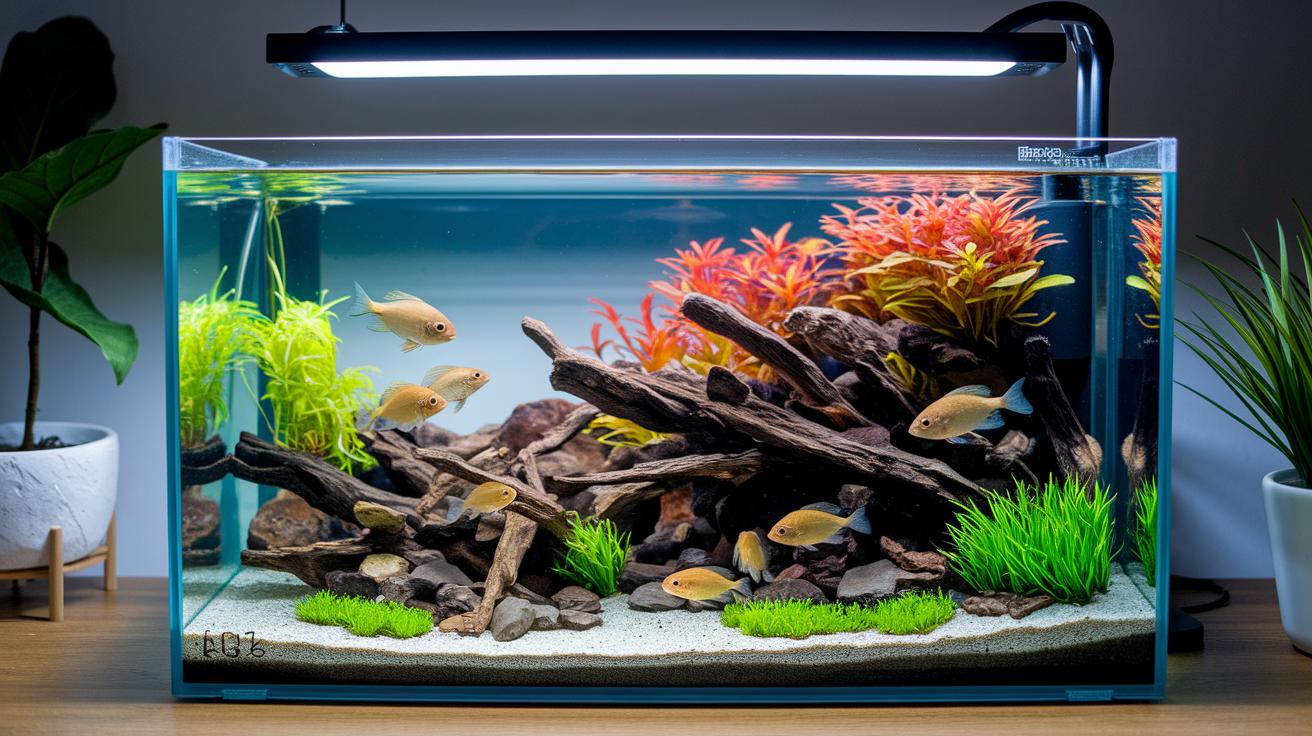
Choosing the right gear is key to making your tank a happy home. A filter that isn’t strong enough can let waste build up fast, which isn’t great for your fish. For tanks up to 40 gallons, a sponge filter might work fine, but larger setups need a beefier canister or power filter. It’s a bit like trying to empty a big pond with a teacup, just not effective and stressful for your aquatic pals.
Changing too much water all at once is another trap. Swapping out more than 40% of your water in one go is like a sudden, chilly splash that shocks both fish and plants. Instead, try doing 10–20% water changes each week. This gentle approach keeps the tank’s temperature and pH steady, making it easier for your fish and plants to settle in.
Many beginners also skip testing for pH, ammonia, nitrite, and nitrate. Without these simple checks, hidden imbalances can sneak up and create big problems. Instead of making rapid changes, use slow and steady methods, like drip acclimation, to ease your fish and plants into any needed adjustments.
Poor water flow can also lead to dead spots and unsightly algae patches. Arrange powerheads to create a smooth, even flow throughout the tank. And don’t forget about lighting: too little light leaves plants straining for brightness, while too much can spark unwanted blooms. Getting your lighting just right ensures your tank’s ecosystem thrives.
For more hands-on advice about keeping your water balanced and your fish happy, check out the guide on maintaining proper water conditions for fish.
Maintenance & Growth Management Mistakes to Avoid
When you skip regular tank care, your aquatic haven can start to struggle. Missing a weekly or biweekly clean-up means biofilm builds up and filters get clogged, almost like a sponge that stops soaking up water. A quick check of your timers and diffusers helps keep the CO2 and light cycles steady, it's like glancing at your watch to stay right on time.
A few common maintenance blunders include:
- Not cleaning often enough, which makes grime build up and slows water flow.
- Overdosing on fertilizer; too much can flood your tank with nutrients and throw plant balance off. Start with a little and adjust as you see how your plants respond.
- Letting CO2 levels get out of hand, leading to big swings in pH. Keep an eye on pH and KH to maintain CO2 levels around 20-30 ppm.
- Overlooking the need for proper trimming. If fast-growing plants overshadow the slower ones, your tank's overall health and look could take a hit.
- Forgetting to check your gear, like timers and diffusers, can throw off the light and CO2 cycles, causing unexpected problems.
Think of your aquarium like a mini garden where every little detail counts. Just like you would trim a favorite houseplant when it gets too bushy, keeping up with routine tasks will help your tank stay balanced and beautiful.
Final Words
In the action, the article shed light on aquascaping beginner mistakes like rushed planning, improper hardscape design, and substrate missteps. It broke down issues related to plant placement, equipment, and water chemistry while emphasizing steady maintenance practices. Each point given paints a clear picture of how to shape a balanced and inviting aquatic space. With this guidance, building an appealing underwater habitat turns into a learning process full of small wins and refreshing moments. Here's to a thriving, clear, and beautifully managed tank.
FAQ
Frequently Asked Questions
What aquascaping beginner mistakes are mentioned on Reddit?
The aquascaping beginner mistakes mentioned on Reddit include skipping tank cycling, using incorrect substrate depths, and overcrowding with fish or plants, all of which can lead to imbalanced water quality and stunted plant growth.
What aquascaping beginner mistakes are highlighted on YouTube?
The aquascaping beginner mistakes highlighted on YouTube focus on rushed layout planning, faulty hardscape setups, and poor water chemistry management, causing unstable aquariums that struggle with plant health and overall balance.
How can I avoid common aquascaping beginner mistakes?
The aquascaping beginner mistakes can be avoided by planning your layout carefully, testing water parameters regularly, layering substrates properly, and balancing plant and fish stocking for a healthy, visually pleasing tank.