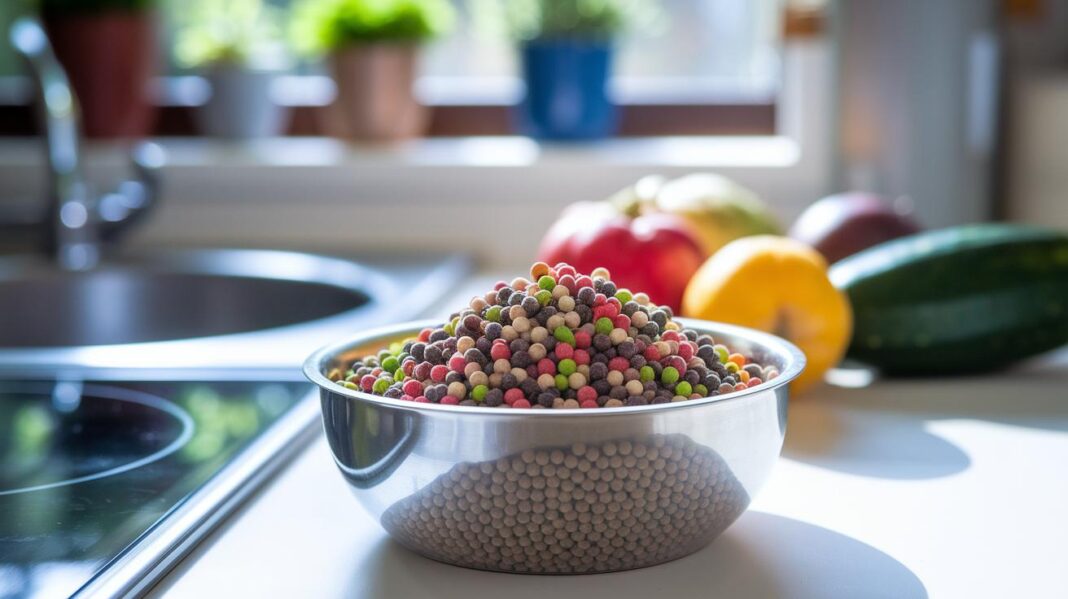

Have you ever thought your goldfish might dig a treat that's both fun and healthy? Homemade fish food could be just the ticket.
Imagine blending fresh veggies and a bit of baby food into a special snack made just for your little swimming buddy. It's like mixing ingredients to create a meal that adds a protein and vitamin boost to their bowl.
Our easy guide shows you how to whip up treats ranging from soft, wobbly gel cubes to sinking pellets that your fish can enjoy at their own pace. It’s all about taking everyday goodies and turning them into a delightful meal that helps keep your aquatic friend happy and thriving.
Complete DIY Recipes for Homemade Goldfish Food
Ready to treat your goldfish to a homemade snack? Start by blending three 4 oz jars of baby food with a mix of green veggies like spinach, sweet potato, and peas, plus one cup of chopped broccoli. This blend gives your little swimmers a healthy mix of protein and vitamins to keep their tummies happy.
For an extra boost, you can mix in 1/3 cup of dried bloodworms or swap it with a tablespoon of liquid fish vitamins (or even half vitamin C and calcium tablets). When you’re ready, stir in a tablespoon of gelatin dissolved in warm water. This helps the mix firm up into a gel that you can later cut into small ½-inch cubes. It’s like making a delightful fish treat!
If you prefer sinking pellets, blend the same ingredients well. Instead of adding gelatin, press the mixture into small molds and let it air-dry for 24 hours (or use a freeze-drying method). This gives you pellets that drop straight to the bottom of the tank, so your goldfish can enjoy a natural feeding experience.
| Ingredient | Amount | Preparation |
|---|---|---|
| Baby Food | 3 x 4 oz jars | Opt for a sweeter mix |
| Spinach | 1/2 cup | Chopped |
| Sweet Potato | 1/2 cup | Cooked and mashed |
| Peas | 1/4 cup | Thawed with skins removed |
| Broccoli | 1 cup | Chopped |
| Dried Bloodworms | 1/3 cup | Optional for extra protein |
| Gelatin | 1 Tbsp | Dissolved in warm water |
| Liquid Fish Vitamins | 1 Tbsp | Alternate option to enhance nutrition |
- Blend the vegetables, baby food, and any optional additions until the mix is smooth.
- For the gel feed, stir in the dissolved gelatin until the mix is even.
- Pour the blend into shallow trays and let it set for about 2 hours.
- Cut the firm gel into ½-inch cubes, or press the blend into molds and let it air-dry for 24 hours to create sinking pellets.
Key Ingredients & Nutritional Requirements for a Homemade Goldfish Diet
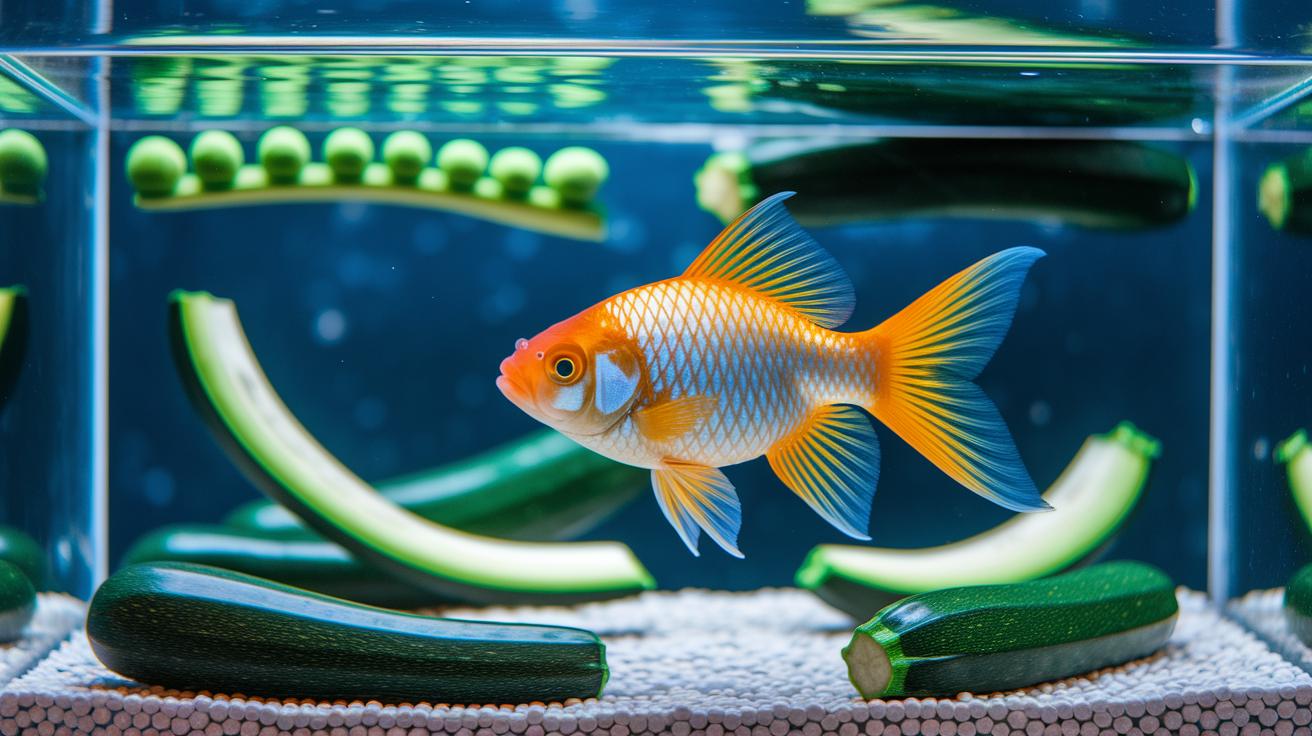
Goldfish need a well-balanced meal to keep up with their lively swimming and bright colors. They thrive on a mix that has about 30–35% protein, just the right amount of fiber, essential vitamins like A, C, and D (which help them stay active and healthy), and a pinch of carbohydrates for energy. If you want more details about the perfect balance and daily portions, you can check out the fish nutrition requirements here.
When it comes to protein, animal sources are a popular pick. Think of tasty options like brine shrimp, bloodworms, and mealworms. For mealworms, chopping them into small bits helps your goldfish digest their food easily so they get all the good stuff without any tummy troubles. Bloodworms add a nice protein boost with a different flavor, while brine shrimp are full of amino acids, keeping their muscles strong and ready for a swim.
Plants also make a big splash in their diet. Peas are great but remember to peel them first to lower the fiber and make digestion easier. Greens like spinach and duckweed offer vitamins and natural antioxidants that make your fish feel their best. And zucchini, once peeled and steamed, serves as a soft, flavorful veggie option. Keeping the portions in check, around 2–3% of each fish’s body weight per day, helps prevent overfeeding and keeps your aquarium balanced.
Mixing these ingredients with care results in a meal plan that not only meets your goldfish’s natural nutritional needs but also gives you a handy guide to keep your finned friends happy and healthy. Enjoy the process and imagine the gentle ripple of a calm pond as your goldfish glide through the water!
Step-by-Step Preparation Guide for DIY Goldfish Feed
Start by getting your ingredients ready. Finely chop or blend everything until the mix is smooth, much like when you’re preparing a light salad with fresh herbs. When you’re ready for a firmer texture, add the gelatin solution right before the feed sets. Think of it like stirring warm water into your blend, creating a supportive base that holds everything together.
For the gel feed, dissolve 1 tablespoon of gelatin in a cup of warmed water until it completely melts. Mix this well with your prepped ingredients and pour the mixture into shallow trays so it sets evenly. If you prefer sinking pellets, press the blended mix into molds and let it air-dry for about 24 hours, or you can try a freeze-drying process for an even firmer result.
- Finely chop or blend all solids until your mix is smooth.
- Dissolve 1 tablespoon of gelatin in a cup of warm water, then stir it into your blend.
- Pour the well-mixed blend into shallow trays for the gel feed option.
- Let the mixture sit undisturbed for 2 hours until it firms up.
- For sinking pellets, press the blend into molds and allow it to air-dry for 24 hours or opt for freeze-drying.
Proper Storage & Shelf-Life of Homemade Goldfish Food
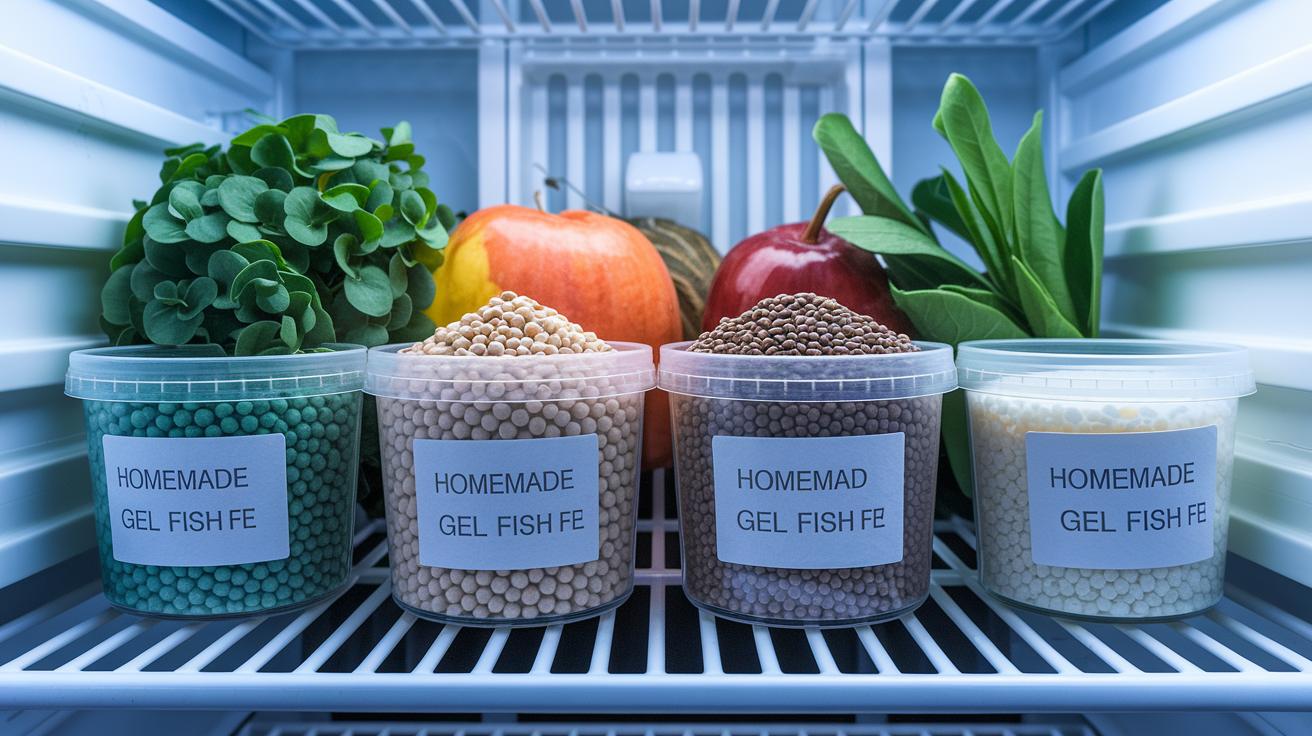
Keep your gel feeds cool in the fridge and use them within 7 days. Store them in clean, sealed containers to keep any unwanted moisture out. Don’t forget to label each container with the date you made them so you can easily tell if they’re still fresh.
Pellets stay at their best when kept in an airtight container at room temperature for 4 to 6 weeks. Placing them in a cool, dry spot helps keep their texture and nutrients intact, so your goldfish get a healthy treat every time.
For a longer option, you can freeze your gel feeds. Just pack them into sealed bags and store them in the freezer for up to 3 months. When it’s time to feed your fish, thaw the gel slowly in the fridge to keep it gentle on their digestion.
No matter which storage method you choose, labeling is always a must. Mark the date clearly to ensure you’re never serving food past its prime, and a quick check for any signs of spoilage will help keep your water crystal clear and your goldfish happy.
Feeding Frequency & Portion Control for Goldfish Health
Feed your goldfish homemade meals two to three times a day. This routine keeps the tank’s nutrition balanced and helps you avoid giving them too much or too little. Aim to drop in just enough food that your fish can eat it all within about two minutes. I remember when I first tried a new batch of feed, I added only a little at a time and watched as every tiny grain vanished quickly, leaving the water clear and the fish happily nibbling away.
Adjust the portion size with the water temperature. When the water is chilly, your goldfish slow down, and they won’t need as much food. On warmer days, they tend to be more active, so you can nudge up the portions a bit. One mild day, I noticed a few extra nibbles and adjusted the serving, it's all about matching the feed to the water’s feel.
Keep a sharp eye on both your fish and the tank. Notice if their shape changes or if the water starts to look cloudy. Bloated fish or a misty tank can be a gentle hint that you might be feeding too much. This easy guide to portion control is all about keeping your goldfish feeling healthy and your aquarium clear, just like watching the soft ripple of water on smooth stones.
Balancing Homemade Feed with Commercial Diets for Optimal Results
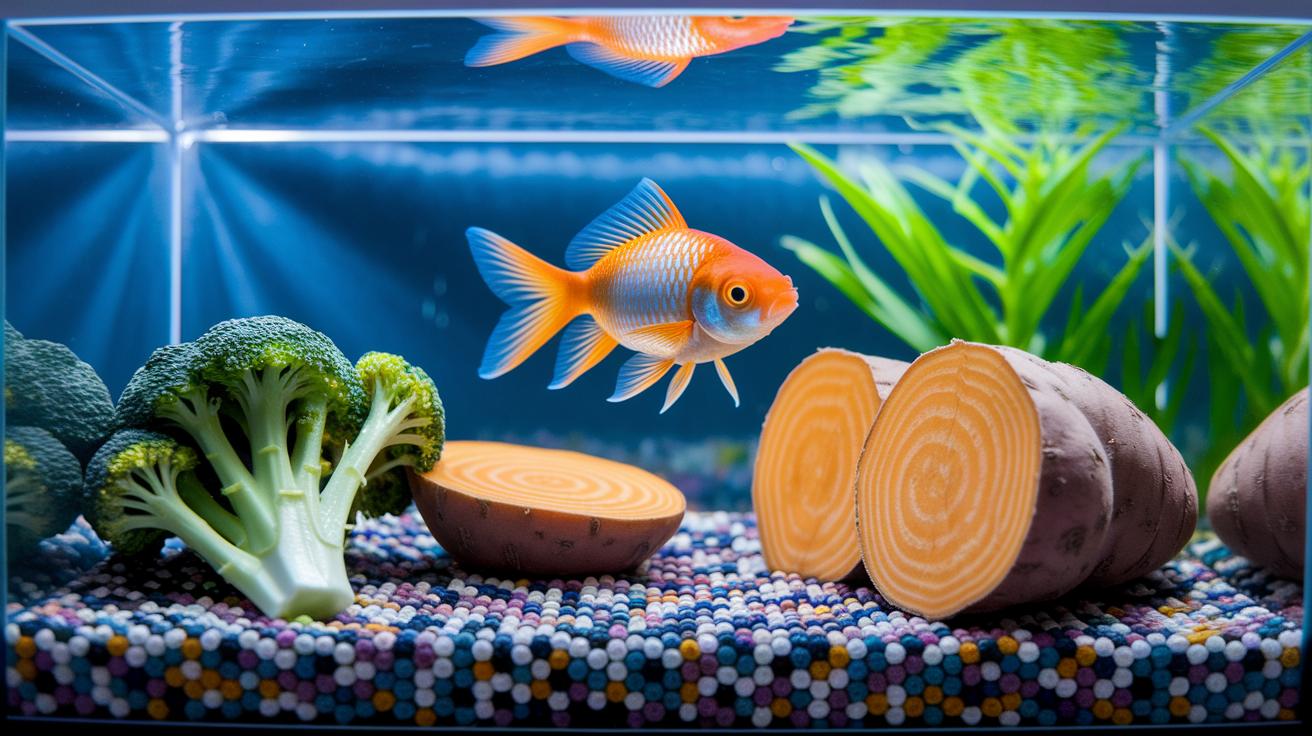
Mixing up your fish's meals by giving them homemade food one day and tasty flakes or pellets the next is a winning strategy. This way, your fish get a burst of fresh nutrients from your kitchen mix and a steady supply of essential vitamins from the commercial food. Imagine adding a colorful mix of broccoli, spinach, and sweet potato to your top-quality pellets, it's like giving your goldfish a mini underwater festival that boosts their shine and energy.
Keeping it at a true 50:50 split means your little swimmers enjoy the best of both worlds. You get the special, home-cooked benefits alongside the reliable goodness of store-bought food. It’s a bit like a duet where both voices blend perfectly. Ever notice how two different notes can create a beautiful melody? That’s the magic of a balanced diet for your fish.
Watch how your goldfish move and look as they try out the new meal routine. If you notice any changes, like brighter colors or more playful energy, then you know you’re on the right track. Adjust the mix slowly over one or two weeks, and soon your feeding schedule will be as smooth as a calm pond, making meal times fun and nourishing for your aquatic friends.
Ensuring Safety & Maintaining Water Quality with DIY Feeds
Before you feed your fish, give any live food, like brine shrimp and worms, a gentle rinse under cool water. This simple step helps wash off debris, unwanted chemicals, and tiny germs so they don't sneak into your tank.
It's a good idea to steam or quickly boil veggies like spinach, zucchini, and peas to kill off any bad bacteria. And while you're at it, peel off any tough skins or stems that your goldfish might find hard to chew.
After you mix up your gel or pellet feeds, strain the mix with a fine mesh strainer. This step gets rid of any extra liquid that could make your aquarium water cloudy.
Keeping the water clear is just as important as feeding your fish. Once you've fed them, check the ammonia and nitrite levels every week. This way, you catch any small changes before they turn into bigger issues for your aquatic pals.
If you notice any shifts, you might need to tweak your feeding routine or do some extra water changes. For more tips on keeping an eye on your water after feeding, take a look at some detailed guidelines on water care. With careful food prep and regular water checks, you're giving your goldfish a healthy, happy home.
homemade fish food for goldfish: Tasty Nutrient Boost
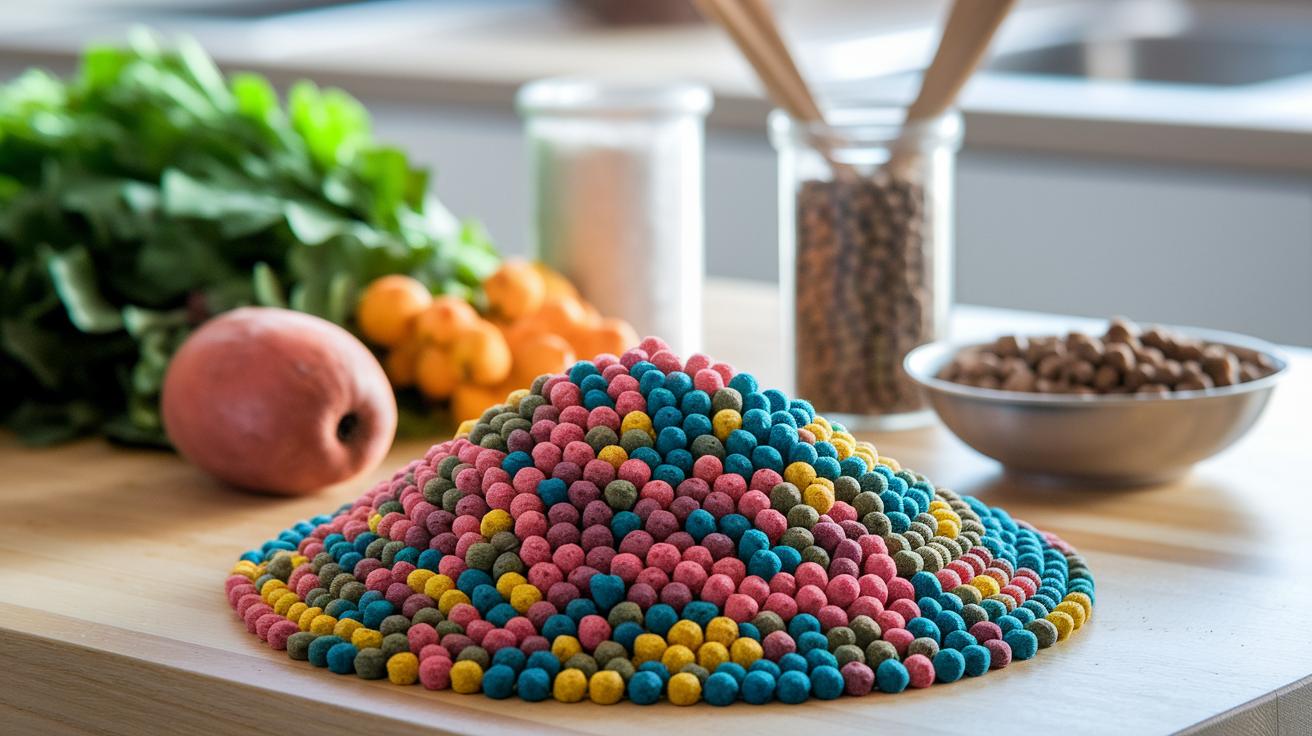
Playing around with your own fish food recipe can really bring out the brightness in your goldfish, like the way sunlight shimmers on water. A little pinch of spirulina or a small dash of paprika powder (up to 1 teaspoon per batch) can add a brilliant color boost without taking away the natural flavor your fish love.
Feel free to mix things up by swapping ingredients. You might try replacing peas with sweet potato or even zucchini to give your food a new texture that keeps your goldfish curious at mealtime. And if your food tends to sink too quickly, simply use a bit less gelatin or whisk the blend to mix in some airy pockets, making your pellets float a bit more.
Keeping your mix clear is key to avoiding cloudy water. So, why not pre-soak and rinse your veggies and legumes before blending? This helps you remove any extra bits and ensures a smooth, consistent mix. Here are a few simple tips to perfect your homemade feed:
- Brighten up the color with up to 1 tsp spirulina or paprika powder per batch.
- Swap peas with sweet potato or zucchini for a fun texture change.
- Reduce the gelatin or whisk the mix if it sinks too quickly.
- Pre-soak and rinse legumes and veggies to keep your water clear.
Final Words
in the action, we explored how to craft homemade fish food for goldfish using easy gel feed and sinking pellet recipes. We shared ingredient lists, step-by-step guides, and storage tips to maintain a clean, balanced, and healthy aquatic environment.
Refreshing ideas for portion control, water quality monitoring, and troubleshooting bring you closer to a thriving aquatic habitat. Every batch is a chance for your goldfish to enjoy a truly nutritious meal.
FAQ
What is the best homemade fish food for goldfish in an aquarium?
The best homemade fish food for goldfish in an aquarium combines blended greens like spinach, peas, and broccoli with a baby food base and optional protein sources for balanced nutrition and growth.
What should I feed my goldfish when I’m out of fish food?
When you run out of commercial fish food, a simple DIY mix of blended vegetables and a safe protein like baby food can temporarily sustain your goldfish until you restock their usual diet.
What foods help support goldfish growth and make a good snack?
Foods that support goldfish growth include nutrient-rich blends with lean proteins, greens, and a few carbohydrates, which offer essential vitamins while serving as a healthy snack during feeding times.
Can goldfish eat bread?
Goldfish should not eat bread because it can disrupt their digestion and impact tank water quality, making nutrient-focused homemade recipes a far better feeding choice.
How can I make a homemade goldfish food recipe as a substitute for commercial foods?
You can make a homemade goldfish recipe by blending baby food with green veggies and optional dried protein, adding dissolved gelatin, then setting the mix into cubes or pellets for an easy-to-digest substitute.