

Have you ever wondered if your fish might not be getting all the good stuff they need in their food? When choosing a meal for your freshwater pals, every ingredient matters.
Some fish feeds lose important nutrients during processing, leaving your fish without the proteins and vitamins they need to thrive.
In this guide, we break down the key parts of a balanced diet so your fish can grow strong and happy. Next, we dive into how the right mix of ingredients can keep your aquatic buddies shimmering like the gentle ripples on a quiet pond.
Freshwater Fish Food Overview: Key Nutritional Components and Ingredients
When you’re choosing food for your freshwater fish, it’s a bit like reading a recipe for a healthy aquatic treat. You want to know the numbers and ingredients on the label to create a balanced diet that helps your fish grow strong and stay healthy. Think of it as a gentle reminder that a good blend of proteins, fats, vitamins, and minerals is key to their well-being.
Often, processors use fish meal as the main protein source in these feeds. Because they use a high-temperature method that heats everything to around 100 to 120°C, some sensitive proteins get a bit damaged, and your fish may not get all the omega fats they need. Fun fact: Many feeds lose nearly one-fifth of their essential nutrients during processing, much like baking without that secret spice you love. Knowing this can help you pick a feed that holds onto its important nutrients despite the processing.
Moisture is another important part of the mix. Freeze-dried snacks, for example, have very low moisture (under 5%), which helps keep the natural ingredients intact and supports muscle-building amino acids. In contrast, frozen feeds generally contain about 80% water, so you might need to give a bit more volume to get the same nutrient punch. And if you see an ash content above 12-15%, it might be a sign that the food has too many non-nutritive bits, lowering its overall value.
Also, keep an eye out for any extra vitamins or minerals that might be added to your fish’s meal. These extras can turn an ordinary meal into a nutrient-rich feast. And if you have slow feeders in your tank, gel foods that stay stable underwater for up to 24 hours might be just the trick. By focusing on these details, you can choose feeds that truly nourish your fish and help keep your aquarium a thriving, bubbly home.
Feeding Frequency and Proper Schedules for Freshwater Fish Food
Try giving your fish only as much as they can finish in about 2 to 3 minutes. This little trick keeps extra food from messing up the water and makes sure your finned friends get just the right nutrition. Most fish do well with one or two feedings a day. Ever notice how quickly they gobble a pinch of flakes? It’s like watching a mini show at your favorite pond!
For herbivores like plecos and goldfish, it's great to serve two or three small meals throughout the day. They love to nibble slowly during their day. But if you have carnivorous types like cichlids or angelfish, they usually do best with one protein-packed meal daily. And for the omnivorous community, such as guppies, two feedings of good quality flakes or pellets work just fine since they like a mix of plant and animal proteins.
It’s a smart move to switch between different types of food, like pellets, flakes, frozen, live, and tablet forms. This mix makes sure all their nutritional needs are met and stops them from getting used to only one type of meal. Setting up a routine like this not only keeps your freshwater friends healthy but also adds a fun variety to your fish care routine. For more tips, check out these fish care tips for beginners at Sweetfysh.
Comparing Freshwater Fish Food Types: Dry, Frozen, Live, and Gel
Dry fish food, like flakes and pellets, is a favorite among many fish lovers. Flakes quickly break apart in the water, almost like little confetti, making them perfect for fish that nibble at the top or swim in the middle. Pellets can float or sink, so different fish get just what they need. It’s like giving your fish a quick burst of energy during a fun feeding time!
Frozen food keeps almost all the natural goodness intact. Think of it as a cool treat straight from nature. Because it holds around 80% water, you’ll need to serve a bit more, about 30% extra, to match the nutrients your fish need.
Live food, such as brine shrimp and daphnia, brings out your fish’s natural hunting style. Watching your fish chase these tiny morsels is like enjoying a mini nature show right in your own tank. It sparks playful energy and a sense of adventure.
Gel food is made by mixing a special powder with warm water, creating a jello-like cube that stays firm under water for up to 24 hours. This slow-release treat works well for fish that nibble gently, mimicking the natural textures they might find in the wild.
| Feed Type | Moisture Content | Key Benefit | Feeding Consideration |
|---|---|---|---|
| Dry (Flakes/Pellets) | Low (varies) | Versatile for different feeders | Flakes break apart quickly |
| Frozen | ~80% | Keeps natural nutrients | Need ~30% more volume |
| Live | Varies | Encourages natural hunting | Not always easy to source |
| Gel | Stable | Lasts under water for a long time | Best for gentle, slow eaters |
Each type has its own charm and challenges. Choose the one that best fits your fish’s habits and nutritional needs, it’s a bit like picking the perfect current for your underwater adventure!
Species-Specific Freshwater Fish Food Recommendations
Cichlid Nutrition Guidelines
Cichlids love meals that pack a protein punch, which helps build strong muscles. You can feed them protein-rich pellets, freeze-dried brine shrimp (a real treat!), or even tubifex worms to give them the nutrients they need without cluttering your tank. One handy tip is to serve just enough food so they finish in about 2 minutes. This quick feast keeps extra food from polluting the water and leaves your fish feeling energetic.
Goldfish Specialized Feeding
Goldfish and other plant-loving fish, like plecos, do best with veggie flakes and wafers rich in fiber. They prefer several small meals spread throughout the day, just like natural nibblers. Serving tiny portions not only helps their digestion but also mirrors their way of feeding in the wild. You can even add ingredients that help control algae blooms to keep your aquarium clear and sparkling.
Guppy Nutrient Flakes
Guppies are playful, colorful swimmers who need micro-flakes loaded with nutrients. Their ideal food mixes both plant and animal proteins with a touch of beta-carotene to make their colors pop. Feeding them in two short sessions ensures that every guppy gets its fair share, keeping them healthy and their hues bright without any fuss.
Angelfish Premium Diets
Angelfish shine best with a diet rich in amino acids and omega fats, which support growth and enhance their stunning colors. High-quality pellets made specifically for angelfish offer a balanced blend of essential nutrients in a form that's easy for them to eat and digest. This approach helps your angelfish stay strong and naturally charming.
Community Tank Blends
For tanks with a mix of species, choose an omnivorous blend that can float for midwater feeders and sink for those that like the bottom. This versatile food meets the varied needs of all your fish without favoring one group over another. A balanced blend keeps the feeding process smooth and ensures every fish gets noticed and well-nourished.
Bottom Feeder and Algae Eater Foods
Fish that stick to the bottom, like catfish and plecos, do best with food that sinks, such as algae wafers or stable gel diets. Gel foods that hold their form underwater for up to 24 hours are great for slow grazers. These options deliver nutrients right where they're needed and help maintain a healthy tank without adding extra waste.
freshwater fish food: Nutritious Picks That Shine
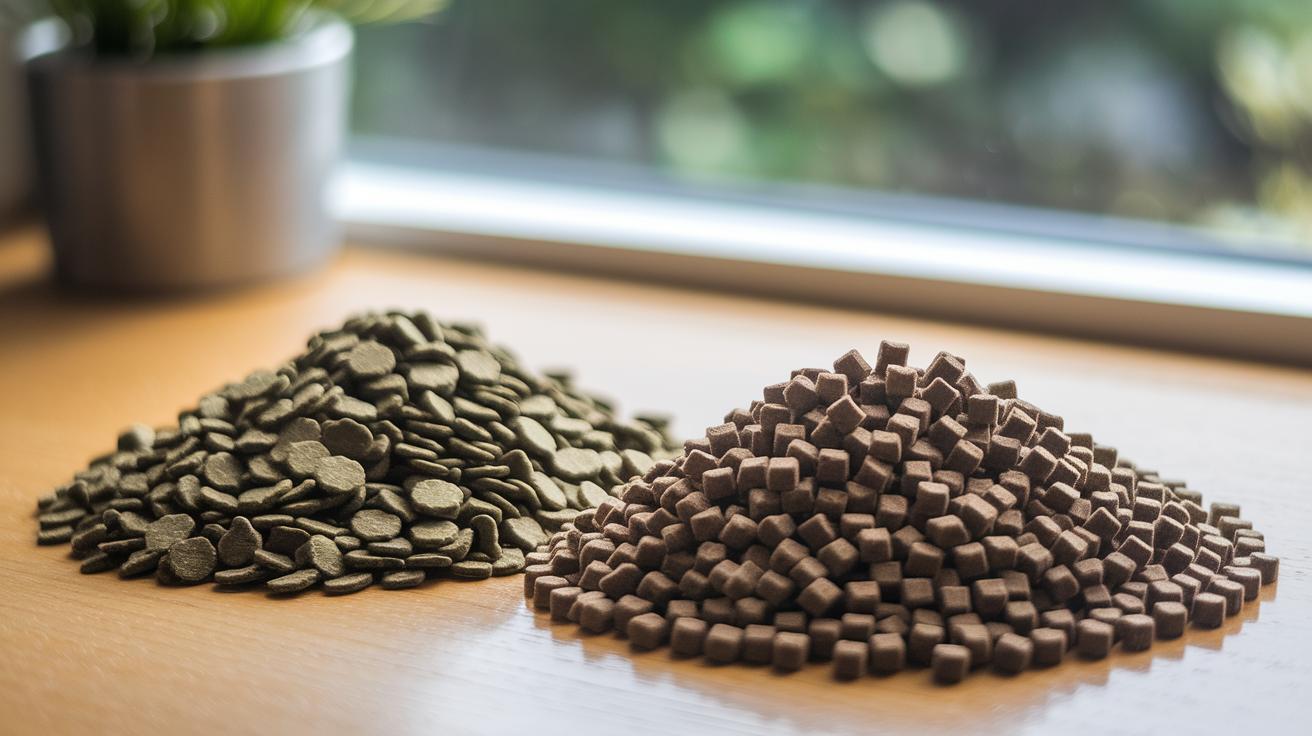
Choosing the right food for your fish is a bit like picking the perfect stone for your aquarium, it's all about keeping things natural and clear. You want to know that the food is made with good ingredients and that it holds onto its nutrients. For example, Fluval Bug Bites use sustainable black soldier fly larvae to give a protein boost without relying on fish meals. And if you're looking to save a bit, Xtreme Flake Food offers good protein and quality at a friendly price.
One really smart option is LEGIT Community Fish Food, which uses a gentle low-temperature process to hold in proteins and healthy fats. It’s like keeping the sparkle in your favorite water ripple. Hikari Frozen Daphnia cubes, with about 80% water and almost no extra fillers, might need a little tweak in serving sizes. Then there’s freeze-dried brine shrimp, a popular treat that comes in a large container for around $10, offering great protein value. Tubifex worms also make a nice treat for boosting protein in your fish’s diet.
Here’s a quick side-by-side look at some brands, focusing on how they process their food, the key ingredients used, and the value they offer:
| Brand | Processing | Key Ingredient | Value Point |
|---|---|---|---|
| Fluval Bug Bites | Sustainable process | Black soldier fly larvae | High protein, eco-friendly |
| Xtreme Flake Food | Standard flake making | Moderate protein flakes | Budget-friendly under $30/lb |
| LEGIT Community Fish Food | Low-temperature process | Preserved nutrients | Better nutrient retention |
| Hikari Frozen Daphnia | Frozen process | Daphnia cubes | Minimal fillers, high moisture |
By checking out how each food is made and looking at the ingredients, you can choose a feed that works just right for your tank. It’s all about keeping your fish thriving and getting great value with every meal.
Homemade and Natural Freshwater Fish Food Recipes
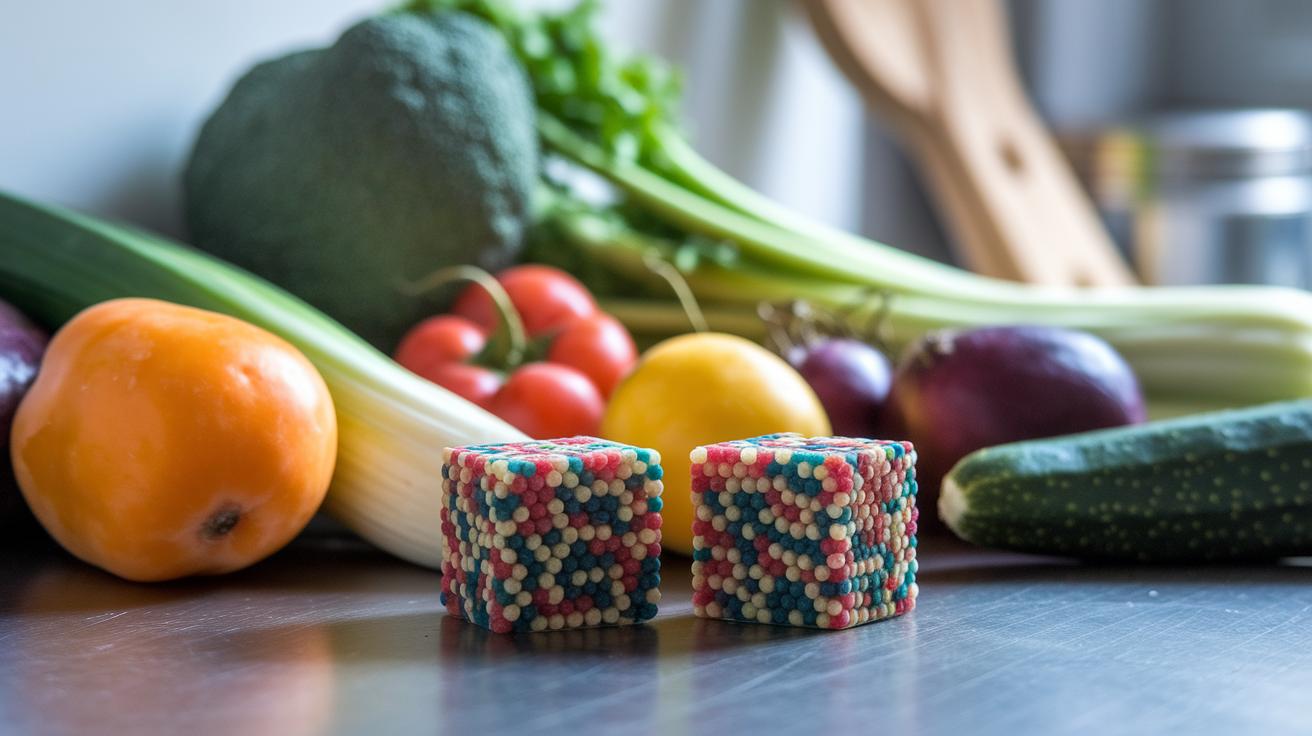
Imagine whipping up your very own fish food like you would a favorite home-cooked meal. One fun idea is to make gel treats. You blend soft veggies like zucchini, green beans, and carrots into a smooth puree. Then stir in gelatin (or agar, think of it as nature’s way to thicken things) along with fish meal or shrimp puree. Pour this mix into small molds and chill until it sets. The result? Little nutrient-packed cubes that hang on underwater for about a day, perfect for slow feeders like plecos or algae grazers.
You can also try hatching live tiny creatures at home, such as brine shrimp or daphnia. These live treats not only give your fish a taste of the wild but also encourage them to hunt naturally. It’s a bit like offering them a mini adventure every time they eat!
Another cool option is to use freeze-dried fish food pellets. These pellets keep nearly all of their vitamins because they hold less than 5% moisture. They can be tossed in as a quick snack or mixed with other foods for a variety of tastes. And if you’re really looking to boost protein, consider raising black soldier fly maggots. These little larvae are a sustainable way to add home-grown protein to your fish’s diet.
For a balanced meal, try mixing your ingredients in a rough ratio of 40% protein, 30% veggies, and 10% healthy fats. This mix gives your fish a well-rounded, nutrient-rich treat that works nicely alongside store-bought diets without straining your wallet.
Best Practices for Portion Control, Storage, and Cost-Efficient Freshwater Fish Food
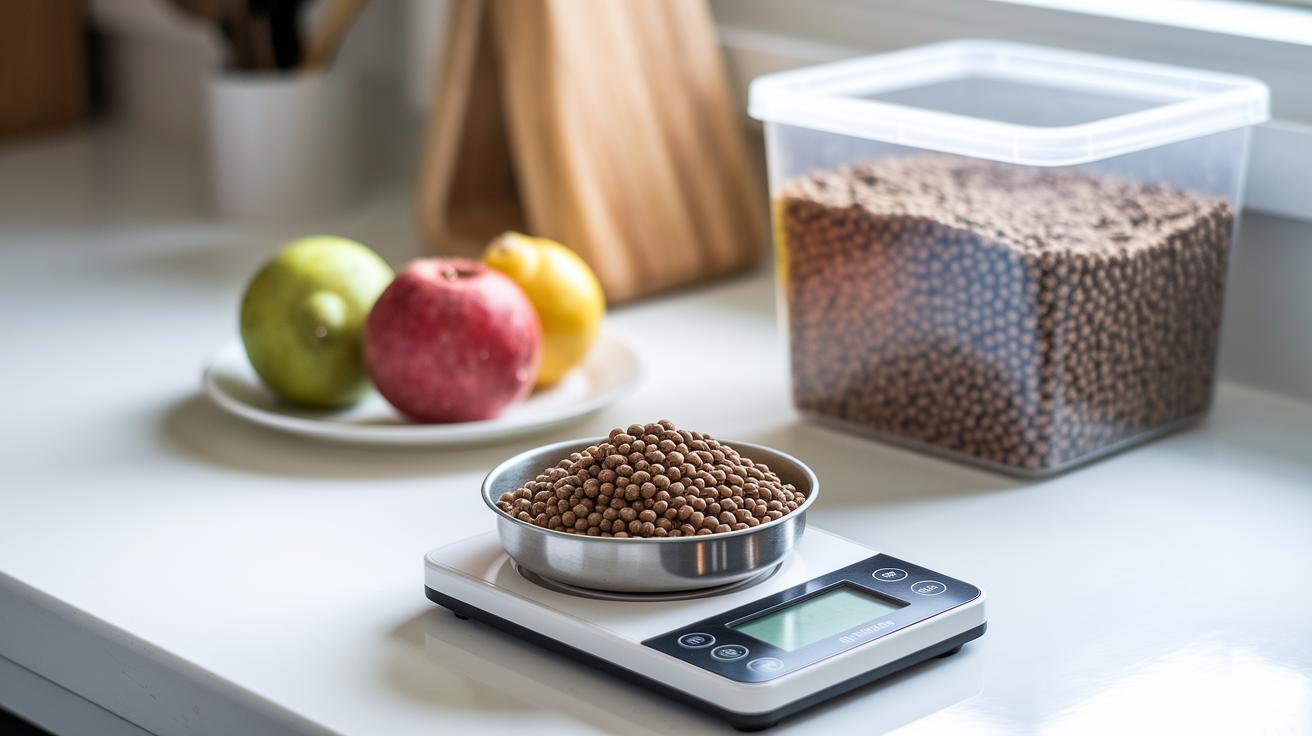
Measuring your fish food is like following a simple recipe for a happy, healthy tank. It’s best to use a measuring spoon or a digital scale so you know exactly how much to feed. A handy tip is the 2-3 minute rule: if your fish eat everything in that time, you’ve got just the right amount.
Storing your feed properly is just as important. Keep dry food in a sealed container and store it in a cool spot under 25°C to keep it fresh. If you’re using frozen food, try to use it within 4 weeks, and remember that freeze-dried snacks work best if used within 12 months. Buying in bulk for freshwater ponds or commercial fish farms can even cut your cost per ounce by about 30%.
- Use a calibrated measuring spoon or digital scale.
- Store dry feeds in airtight containers below 25°C.
- Use frozen diets within 4 weeks.
Good portion control and smart storage keep your fish healthy, your tank clear, and your wallet happy.
Final Words
In the action, we explored how understanding nutritional details and feeding schedules supports a vibrant underwater home. We touched on various food types, from dry to homemade recipes, and practical tips for portion control and storage. This guide shows that with careful attention, your aquarium can thrive on balanced freshwater fish food and thoughtful care. Enjoy applying these insights for a healthy, lively habitat that lets your aquatic pets flourish.
FAQ
Q: What is the best food for freshwater fish?
A: The best food for freshwater fish is a balanced diet that covers protein, vitamins, and minerals. It supports healthy growth and vibrant colors while meeting the nutritional needs of species ranging from tropical fish to community tanks.
Q: How often should I feed freshwater aquarium fish?
A: Feeding freshwater aquarium fish should involve offering only what they can eat in 2–3 minutes. Generally, one to two feedings per day work well, with adjustments made for specific species and their dietary habits.
Q: Do all freshwater fish eat the same food?
A: Freshwater fish do not all eat the same food. Different species, whether herbivores, carnivores, or omnivores, need diets adjusted to their natural feeding habits and nutritional requirements.
Q: What should I put in my freshwater fish tank?
A: In your freshwater fish tank, start with a balanced diet plus a mix of tank decorations, live or silk plants, and proper water conditioners. This setup creates a healthy, vibrant environment for your fish.
Q: Which types of freshwater fish food are available?
A: Freshwater fish food comes in many forms like dry flakes, pellets, gel foods, freeze-dried snacks, and live diets. Options include premium brands such as Hikari, each designed to meet different feeding needs, including fast growth and balanced nutrition.
Q: What makes Hikari fish food special?
A: Hikari fish food is recognized for its nutrient-rich blend that supports healthy growth and bright colors. Its formula targets the dietary needs of both tropical and community tank fish, ensuring sustained vitality.