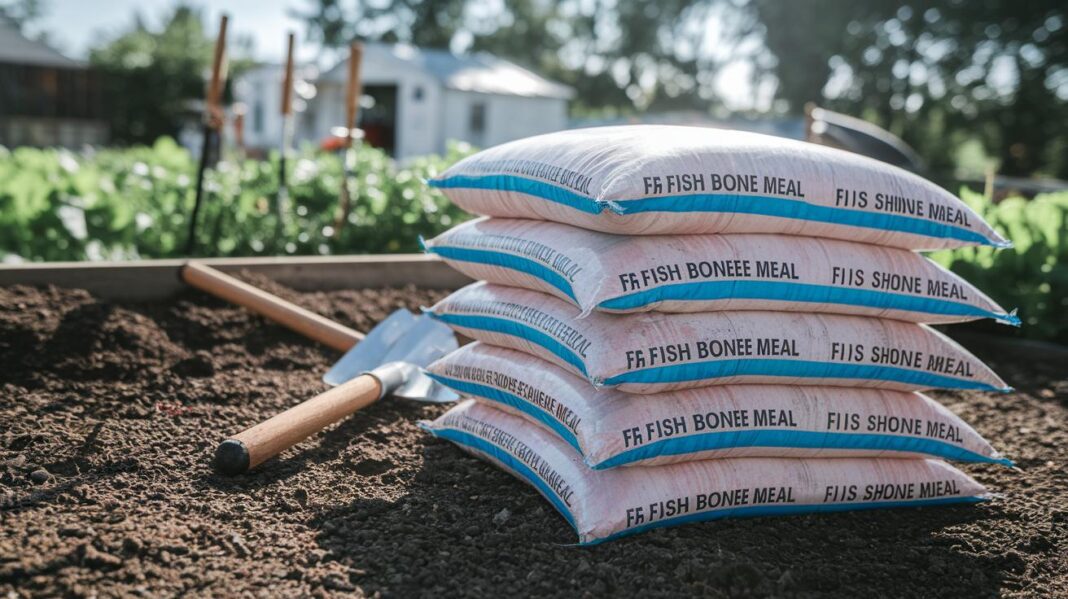

Ever feel like your garden could use a little extra magic? Fish bone meal might just be the secret treat your soil needs. It's made from fish bones that turn into a natural snack for your plants, a slow and steady boost of key goodies like phosphorus and calcium that help build strong roots and bright blooms. Today, we're diving into how these little ocean treasures work to make your garden flourish like a sunlit tide.
How Fish Bone Meal Delivers Organic Fertilizer Benefits
Fish bone meal is a natural fertilizer made from fish bones that are processed to be turned into an organic boost for your garden. It works like a slow-release snack for plants, gently enriching your soil with the minerals they need to grow strong and healthy. Imagine sprinkling a bit of well-thought-out seasoning into your favorite stew, the nutrients slowly build up, giving your plants a steady meal over time.
This fertilizer kicks off as a byproduct from fish processing, which means it's made from parts that might otherwise be discarded. Just like a resourceful lighthouse keeper reusing old tools, fish bone meal turns marine leftovers into a handy, eco-friendly option for gardeners who care about nature and sustainability.
Key benefits include its rich phosphorus and calcium content. Phosphorus is like a secret ingredient for strong roots and lovely blooms, while calcium helps maintain a sturdy plant structure. The gradual release of these nutrients means you don’t have to worry about overfeeding your plants, keeping your garden thriving without any sudden nutrient overload. It’s an organic, marine-based solution crafted to nourish your garden gently, just as nature intended.
Fish Bone Meal Nutrient Composition and Key Minerals
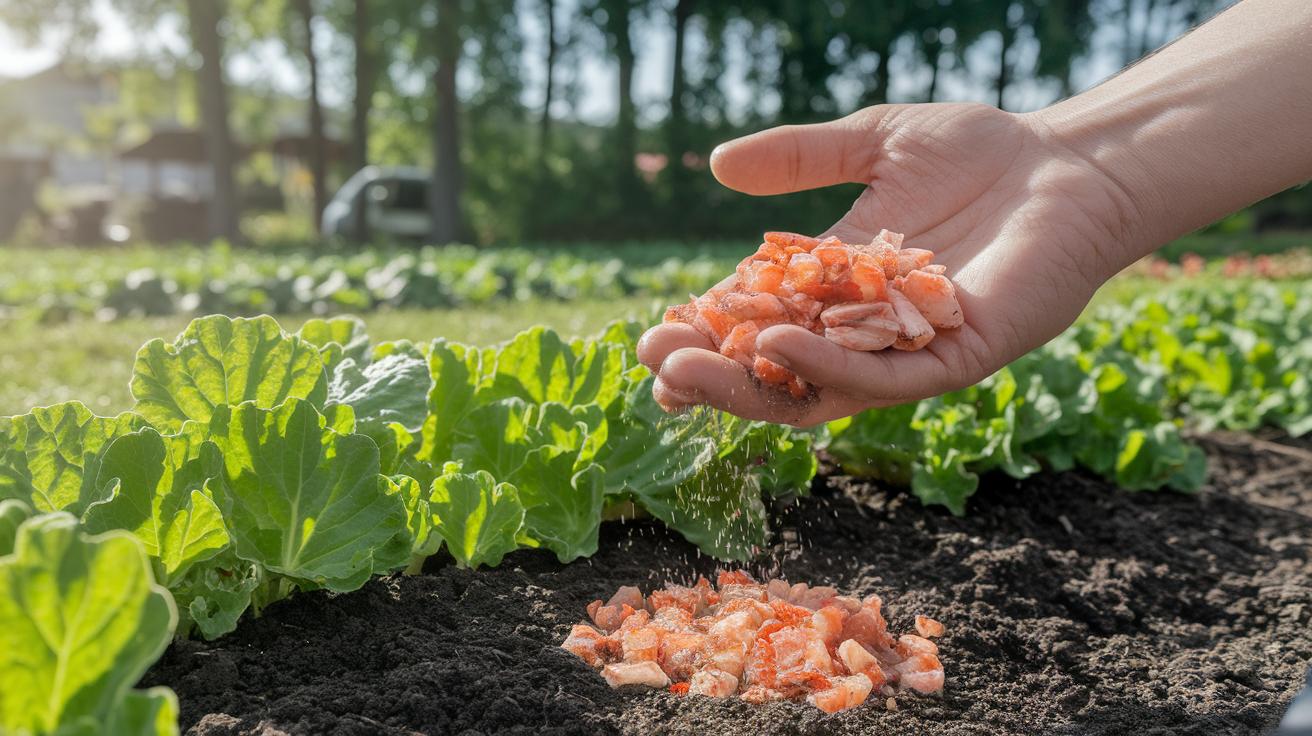
Fish bone meal is like nature’s secret boost for your garden. It brings handy nutrients such as nitrogen, phosphorus, and calcium, which all work together to help your plants grow strong and healthy. These vital ingredients support everything from the lush green leaves to the deep, sturdy roots.
| Nutrient | Role |
|---|---|
| Nitrogen | Helps leaves and stems grow lively |
| Phosphorus | Helps energy flow for vibrant blossoms |
| Calcium | Builds strong cell walls for a sturdy plant |
| Trace Minerals | Acts like little helpers for overall nutrient use |
These nutrients team up like a school of fish working together, giving your plants the building blocks they need for strong roots and bright blooms. Nitrogen fills your plants with healthy green leaves, phosphorus prepares them for a burst of color during flowering, and calcium keeps the structure firm during the busy growing season. Even the trace minerals, though small in amount, lend a gentle boost to help every part of the plant work in perfect harmony. Fish bone meal is a natural, marine-based fertilizer that can really make your garden thrive.
Fish Bone Meal Application Methods for Garden Soil
When it comes to using fish bone meal in your garden, timing is like catching the perfect wave. You want to add it at just the right moment to help your plants really thrive. There are two cool ways to use this natural treat: mix it into your soil before planting or sprinkle it around plants that are already growing. Mixing it in early gives the nutrients time to work their magic on the soil, which helps your plants build strong roots right off the bat. Sprinkling it later lets your plants enjoy a steady snack of nourishment throughout the growing season, keeping them healthy and happy.
Pre-Planting Soil Incorporation
Try adding the fish bone meal to your garden soil a couple of weeks, around 2 to 4, before you start planting. Think about it like making a tasty smoothie, all the ingredients need time to mix together. This early blend helps the meal break down and mingle with your soil, setting the stage for robust root growth as your new plants settle in.
Post-Planting Top Dressing
After your plants are in the ground, you can still feed them some extra love. Just sprinkle a bit of fish bone meal around the base of your established plants. This top dressing method gives the plants a gentle, ongoing boost, sort of like offering them a nutritious snack throughout the season. It’s a simple way to keep your garden vibrant and full of life.
| Step | Description |
|---|---|
| 1 | Measure the recommended amount per square foot. |
| 2 | Spread evenly over the soil surface. |
| 3 | Work the meal into the top 2–3 inches of soil. |
| 4 | Water thoroughly after applying. |
| 5 | Reapply mid-season if needed. |
Garden Advantages of Using Fish Bone Meal
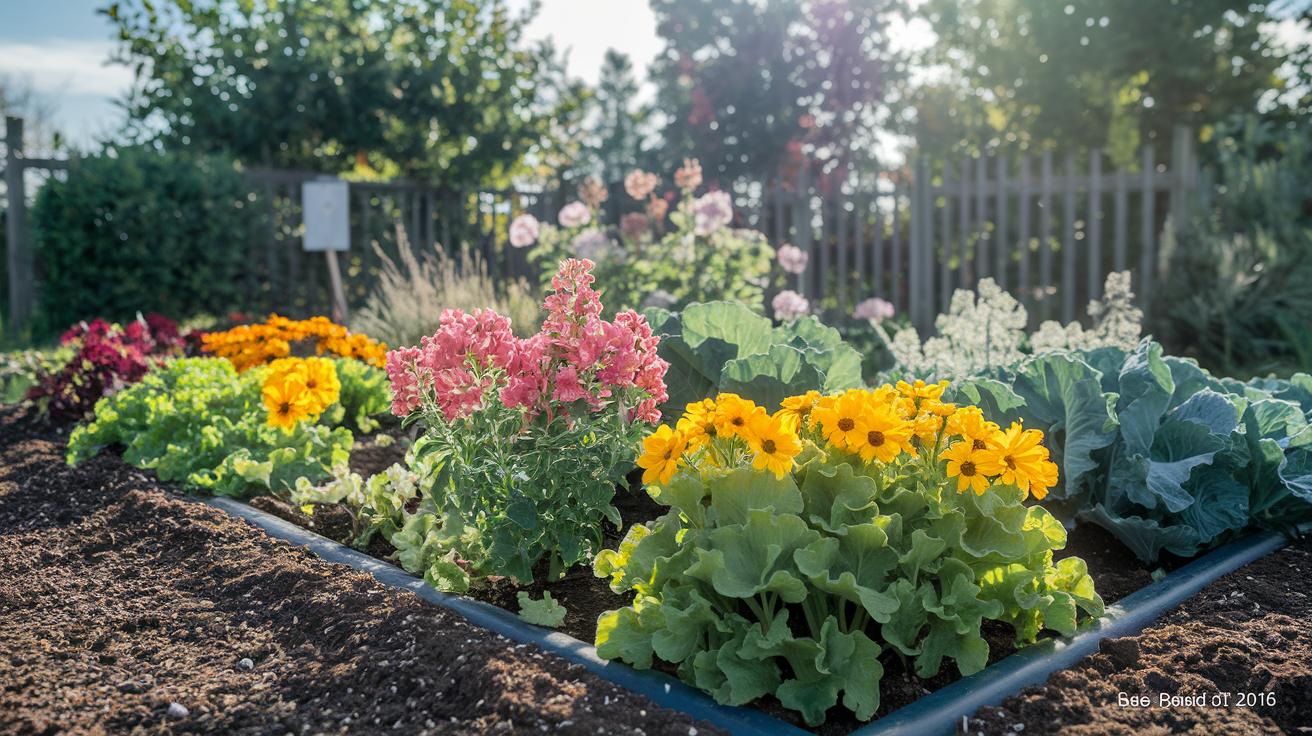
Fish bone meal comes straight from the ocean and serves as a natural garden helper. It takes leftover fish parts and turns them into a rich, eco-friendly fertilizer. This process not only feeds your garden but also supports a healthy planet by recycling natural resources.
- Enhanced root strength
- Balanced flowering
- Prevention of calcium loss
- Slow-release phosphorus for steady feeding
- Better soil structure for water and air flow
- A boost for the tiny microbes that help your soil
Think of it like giving your plants a daily dose of vitamins. Enhanced root strength lets your plants anchor themselves firmly, while balanced flowering means more beautiful blooms for you to enjoy. Preventing calcium loss helps the plants build strong, healthy tissues. The slow-release phosphorus spreads out gradually, giving your plants a reliable source of food over time. A better soil structure means your garden can hold water and air better, just like a well-organized fish tank keeps its water clean. And when the tiny, helpful microbes get a boost, your soil becomes a lively, thriving underwater world right under your feet.
Many gardeners notice a change when they add fish bone meal to their soil. Vegetables grow evenly and richer in color, and the overall garden seems to thrive quietly, much like the gentle ripple of water on a calm pond. Next time you head out to tend your garden, consider this naturally nourishing supplement, it might just be the secret to a more vibrant and productive space.
Using Fish Bone Meal as an Aquatic Nutrient Supplement
Finely ground fish bone meal is a protein-packed, organic boost that mixes right into your fish feed. It brings along essential proteins and minerals, much like a tasty treat that helps your fish grow big and strong. When you add it to your fish diets, you're treating them to a balanced mix of nutrients, especially calcium and phosphorus, which work together to keep them thriving. Many aquarists appreciate this eco-friendly supplement because it’s gentle on fish yet delivers the vital benefits they need.
Feeding both ornamental and food fish means paying close attention to the dose. Getting the particle size just right and measuring accurately per kilogram of feed makes all the difference. Here are a few simple tips to help you make the most of your fish bone meal:
- Use a fine particle size for easier digestion.
- Measure the dose carefully for each kilogram of feed.
- Mix thoroughly so the nutrients are spread evenly.
- Store it in a cool, dry place to keep it fresh.
Fish Bone Meal Product Comparison and Shipping Details
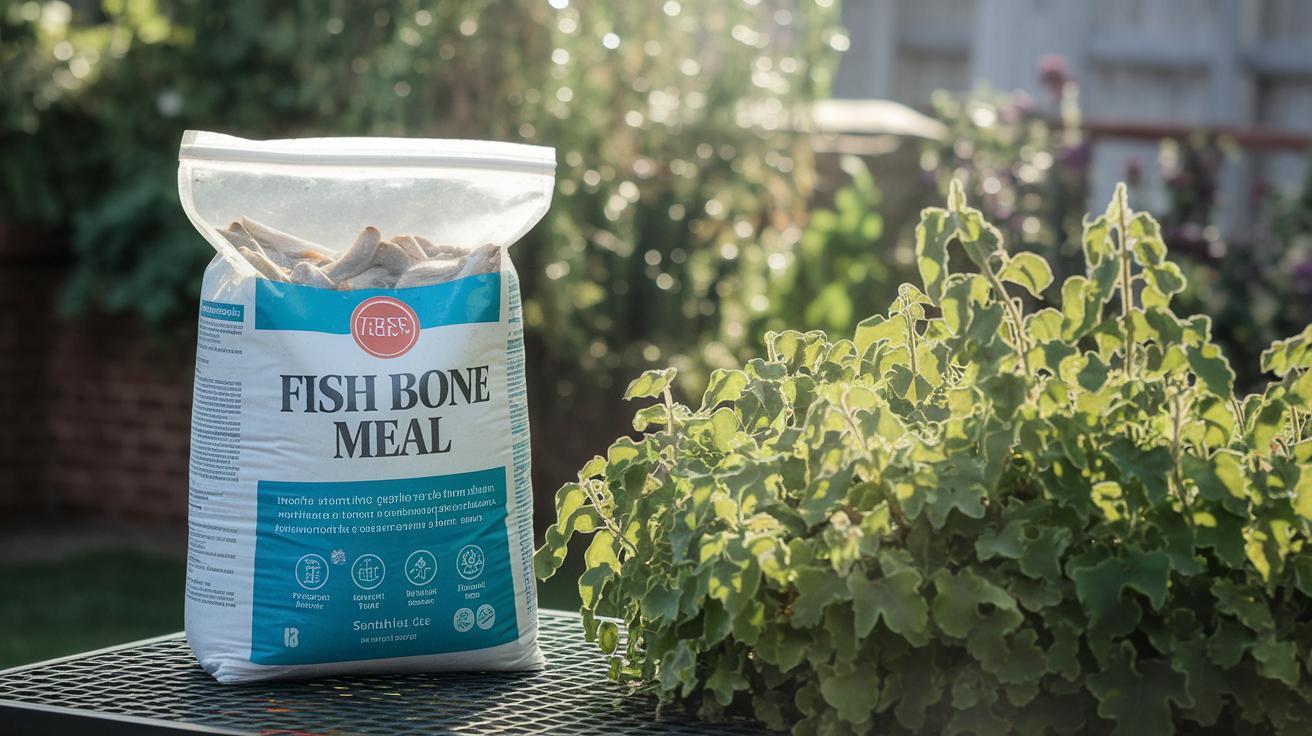
Shopping for fish bone meal is a bit like setting up your favorite aquarium, a little knowledge goes a long way. When you check out a product, you want to know about its nutrient mix, the ideal blend for your garden, and how well it performs. And let’s not forget the bonus of fast, free shipping or same-day dispatch if you order before 5 pm, it’s like getting a surprise splash of freshness in your gardening routine.
| Brand | NPK Profile | Price per lb | Shipping Terms |
|---|---|---|---|
| Dr. Earth | 4-3-2 | $1.50 | Free, same-day before 17:00 |
| Down to Earth | 5-4-1 | $1.40 | Free shipping available |
| Espoma | 3-2-3 | $1.60 | Orders by 17:00 ship same day |
| Westland | 4-2-4 | $1.55 | Free shipping, quick dispatch |
When weighing your options, take a close look at both the nutrient strengths and the shipping benefits. A lower price might catch your eye, but a richer blend may help your plants bloom like the vibrant coral in a tropical reef. Quick and free shipping is a real gem, especially if you’re on a tight schedule or want to kick off a garden project soon. By knowing the specifics, you can find that perfect mix that balances value and quality, keeping both your garden and your budget happily swimming along.
Purchasing Fish Bone Meal: Supplier and Delivery Tips
When you're on the hunt for fish bone meal, it's a smart move to find a supplier who cares about nature. Look for a company that not only delivers top-quality products but also takes steps to protect our environment. This means they use green methods and support responsible fishing practices, which helps make the planet a bit healthier while giving your garden the ocean-inspired boost it needs.
Here are a few friendly pointers to keep in mind:
- Compare unit pricing
- Check shipping deadlines
- Confirm organic certification
- Read customer reviews
If you're thinking about buying a lot at once, check out bulk or wholesale options. Many suppliers offer great prices and even speedy shipping, sometimes sending your order out the same day if you place it early. These budget-friendly deals ensure you get excellent value while your garden soaks up all those natural, ocean-derived nutrients.
Final Words
In the action of exploring fish bone meal benefits, we saw how this natural supplement boosts soil health and supports vibrant plant and aquatic life. The article shared detailed ways to mix, apply, and compare its use as an organic fertilizer. It also touched on its role in enhancing plant growth, enriching root strength, and even supporting fish diets. Embrace these ideas to create a healthy, beautiful underwater and garden habitat while feeling confident in your smart, eco-friendly choices.
FAQ
Q: What is the difference between fish bone meal and bone meal?
A: The fish bone meal is made from fish bones, while bone meal comes from land animals’ bones. Both work as organic fertilizers, but fish bone meal is especially rich in phosphorus and calcium for soil enrichment.
Q: What is fish bone meal used for?
A: The fish bone meal is used for adding essential nutrients like phosphorus and calcium to soil, which boosts root growth and flowering, providing your garden with natural, slow-release nourishment.
Q: Is fish bone meal good for all plants?
A: The fish bone meal can boost many plants by improving nutrient levels, yet acid-loving plants may not benefit as much. It is best to check each plant’s needs before applying it widely.
Q: What are the nutrient ratios in fish bone meal 4-12-0?
A: The fish bone meal with a 4-12-0 ratio means it contains low nitrogen, high phosphorus, and no potassium. This blend helps promote flowering and fruiting with a steady nutrient release to your soil.
Q: How is fish bone meal sold in 50 lb bags?
A: The fish bone meal provided in 50 lb bags is tailored for larger gardens and farms. This packaging is ideal for bulk use and offers cost-effective, extensive soil enrichment for bigger projects.
Q: Where can I find fish bone meal near me?
A: The fish bone meal near you can be located at local garden centers or through online retailers. Local listings and supplier reviews are good resources for finding a reputable source close by.
Q: How do I make fish bone meal at home?
A: The process of making fish bone meal involves cleaning and drying fish bones thoroughly, then grinding them into a fine powder. This homemade approach creates a natural fertilizer that enriches your garden soil.
Q: What is the typical price of fish bone meal?
A: The fish bone meal price varies with supplier, quantity, and location. To get the best deal, compare unit pricing online and check customer reviews and shipping terms from local and digital retailers.
Q: What plants should I avoid using bone meal on?
A: The bone meal should be avoided on acid-loving plants, as the high phosphorus content can alter soil pH. Checking the specific needs of your plants will keep them in their best growing condition.