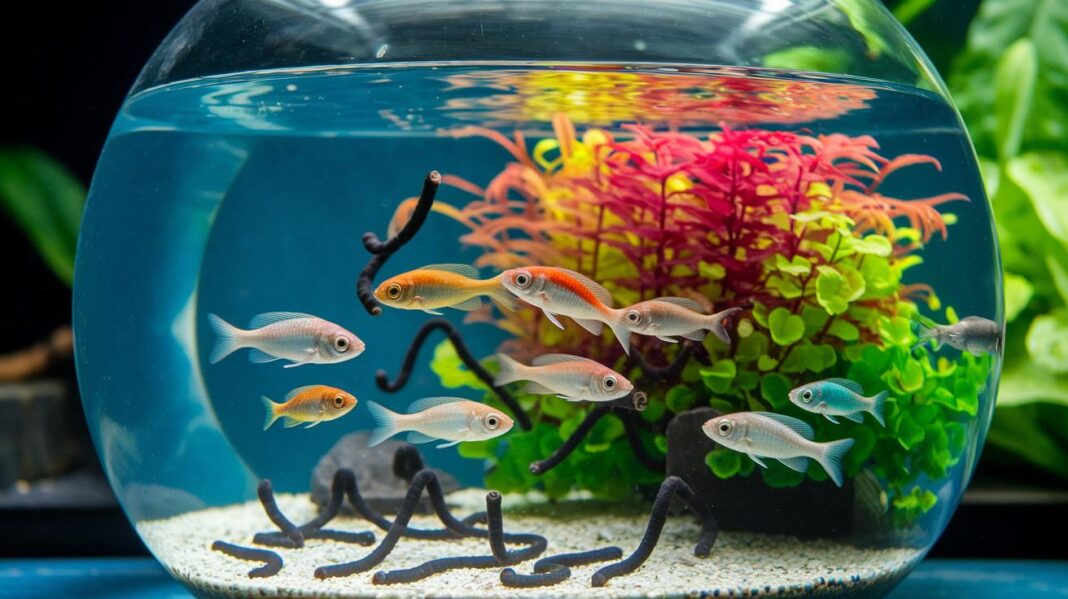

Ever thought about how a wriggling treat might brighten your fish’s day? I once watched my Betta’s colors come alive after just a few blackworms, and it felt like magic.
More folks are moving away from plain flakes and trying these lively bites. Blackworms pack a protein punch and give essential nutrients that spark your fish’s natural hunting instincts, almost like the gentle ripple that stirs up hidden energy in your tank.
It’s amazing how a little tweak in feeding can lead to happier, more energetic fish swimming around, lighting up your world with every flicker of their fins.
Benefits and Nutritional Profile of Black Worms Fish Food
Blackworms fish food packs a punch with plenty of protein and key amino acids. These live, wriggly worms give fish the building blocks they need to develop strong muscles and stay energized. In fact, many aquarists have found that switching from plain flake food to blackworms brings a richer taste and better nutrition to their tanks.
Fish like Betta splendens love the natural wiggle of blackworms. That lively movement stirs up their hunting instincts, making mealtime exciting and encouraging them to feed more eagerly. This boost in activity often shows up as brighter colors and more natural behavior, which is a treat to watch.
Even little Dwarf Puffers benefit from the nutrient-packed goodness of blackworms. Regular meals help them maintain a healthy weight and enjoy steady growth thanks to the quality protein, vitamins, and minerals these worms offer. Every feeding becomes a balanced feast that keeps your fish thriving.
By adding blackworms to your fish’s diet, you're giving them a meal that feels just like catching natural prey. This not only supports their overall health but also brings out more vibrant colors, making every meal a lively and nutritious experience.
Preparing and Feeding Black Worms Fish Food Safely
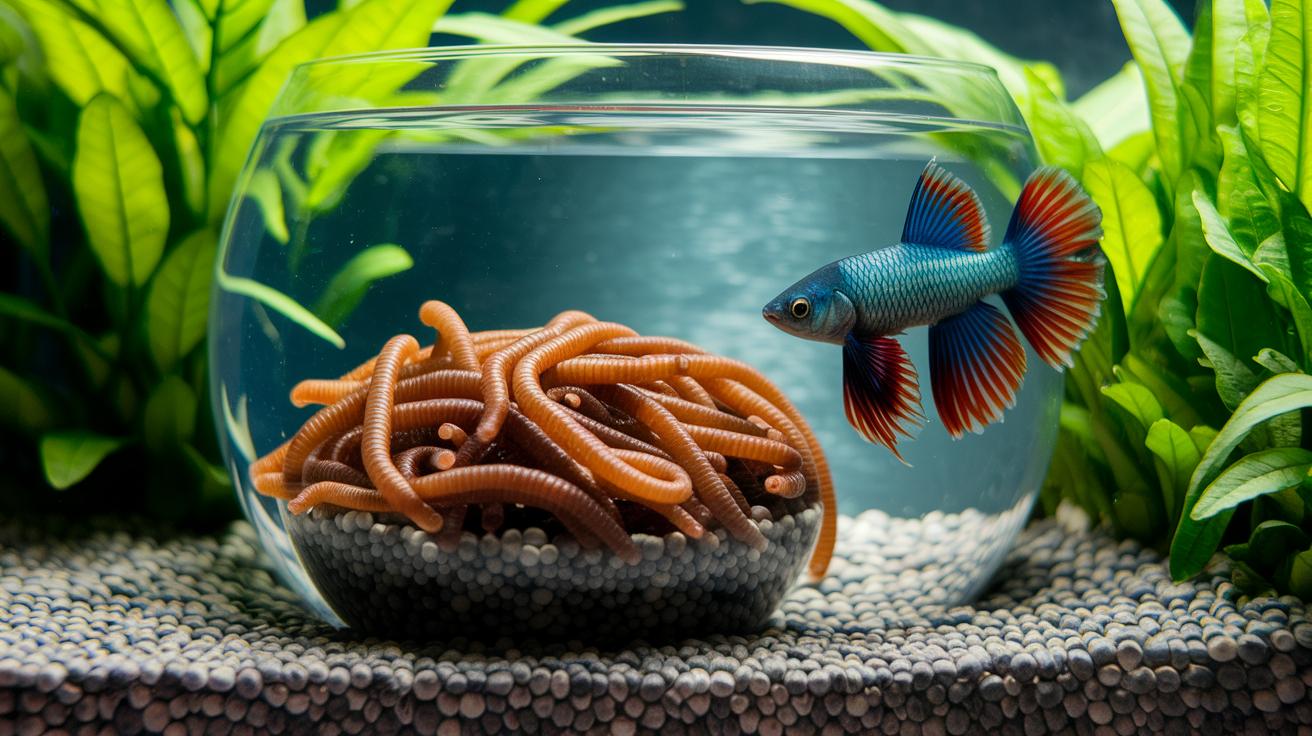
Start by putting your live blackworms into a bowl filled with the coldest tap water you have. This cool water gently lowers their body temperature, so they don't get shocked by a sudden change. I remember doing this and watching them calm down immediately.
If you’re using frozen worms, let them thaw slowly in water kept at about 4–6 °C. Once they’ve thawed, give them a quick rinse before adding them to your tank. This careful method keeps the worms healthy and keeps their natural wiggle, which is great for exciting your fish.
There’s something really special about watching your fish chase after the wriggling worms instead of plain pellets. The lively movement makes them dart around with excitement, turning mealtime into a fun, natural event for them.
When it’s time to feed, try to do it once a day or every other day, using about 10–15 worms per small fish. This way, your fish get just the right mix of nutrients without being overfed.
Which Aquarium Fish Benefit Most from Black Worms Fish Food
Betta splendens absolutely love the lively dance of blackworms. When these wriggly treats appear, it's as if a burst of energy lights up their fins. Watching them chase after the moving worm feels like witnessing a mini underwater fireworks show. This fun snack not only boosts their energy but also makes their colors pop.
Dwarf Puffers enjoy blackworms as well. When their regular flakes are swapped out for these worms, they seem to balance their weight better and even calm down a bit. The natural protein in the blackworms helps build strong muscles, keeping these tiny carnivores happy and healthy.
Discus fish also get a lot from adding blackworms to their diet. For young discus, these treats support steady growth and add a little extra nutrition. It feels like a mini hunt in a small underwater jungle, which their natural instincts love.
Even axolotls, which aren’t fish in the usual sense, find blackworms to be a great snack. They need lots of protein, and these live treats help them stay active and full of vitality.
Other meat-eating species, like some cichlids, show signs of improved well-being when blackworms appear on the menu. With these worms, the fish show more natural feeding behaviors and become noticeably more energetic.
| Species | Key Benefits |
|---|---|
| Betta splendens | Boosts fin coloration and energy |
| Dwarf Puffers | Helps maintain lean body and calm temperament |
| Discus | Supports steady growth and healthy habits |
| Axolotls | Provides high protein for overall strength |
Sourcing and Storage Options for Black Worms Fish Food
Choosing between live and frozen worms is an important step when adding these treats to your fish’s diet. Live worms have that natural wiggle that really gets your fish excited to eat, but you need to use them right away. Many online sellers ship these worms in temperature-controlled packages so they stay lively until they reach you. Keep your live worm cultures between 18 to 22 °C and change the water weekly to keep everything clean and healthy.
Frozen worms are a great option if you're after convenience and a longer shelf life. They’re stored at -18 °C, which helps lock in their nutrients. When you’re ready to feed your fish, thaw the worms slowly, you can’t refreeze them once they’re thawed, so you always get the best nutritional value.
Which option works best really depends on your tank’s needs and your feeding routine. Live worms are ideal when you want to create that natural hunting feel immediately, while frozen worms give you the flexibility of a longer storage life.
| Option | Benefits |
|---|---|
| Live Worms | Natural movement and activity; use them right away; great for simulating a natural feeding experience |
| Frozen Worms | Longer shelf life with steady -18 °C storage; very convenient; keep nutrients intact if thawed correctly |
By choosing the right feed and storing it properly, you'll help keep your fish's meals fresh and lively.
Culturing Black Worms Fish Food at Home for Sustainable Feed
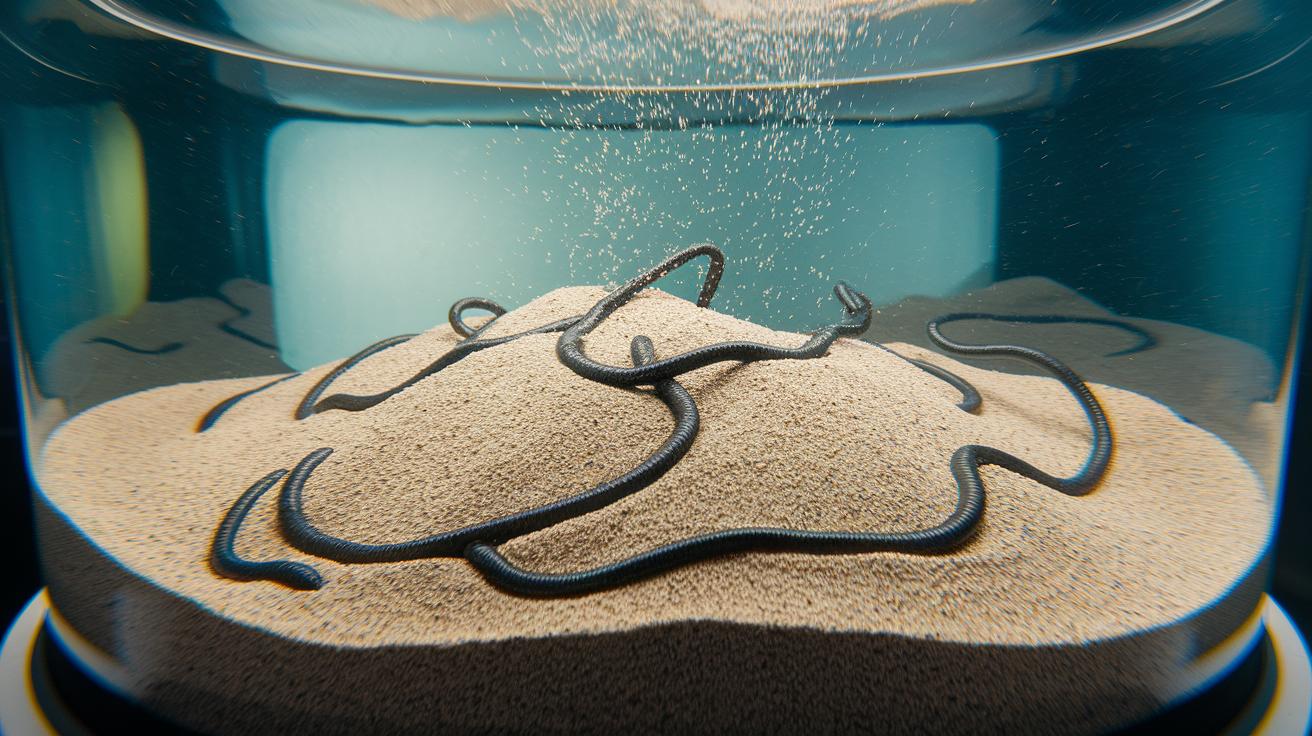
Starting your own blackworm setup is a hands-on way to ensure your fish always have a fresh, live treat. Begin with a 20-liter container and add about 10 centimeters of fine sand. This simple base gives the worms a comfy bed in which they can burrow and thrive. Keep the water temperature steady between 18 and 22°C so the worms stay healthy and happy.
Culture System Components
Pick a container that's easy to clean and has a secure lid to keep the little critters in place. The fine sand provides a soft landing for the worms and even helps boost good bacteria in the water. Add a gentle aerator or bubbler to keep the water moving and spread oxygen evenly, much like a gentle current in a quiet stream. Place your tank in a spot where the temperature remains steady to avoid sudden changes. Twice a week, mix in a little nutrient boost, about 1 gram per liter of wheat bran or a sprinkle of spirulina powder, to keep the worms fed and energetic.
Harvesting Methods
When it's time to collect your worms, try a light trick. Slowly shine a light on your tank to encourage the worms to come toward the surface. Once they gather at the top, gently siphon off that layer of water without stirring up too much sand. This way, you'll end up with only the lively, nourished worms that will keep your fish zipping around happily. Don't forget to do regular care like a 25% water change each week and keep an eye on the pH (aim for 7.0 to 7.5) and ammonia levels (below 0.02 mg/L). This routine care will ensure your little worm colony stays vibrant and thriving.
Ensuring Quality and Fish Health with Black Worms Fish Food
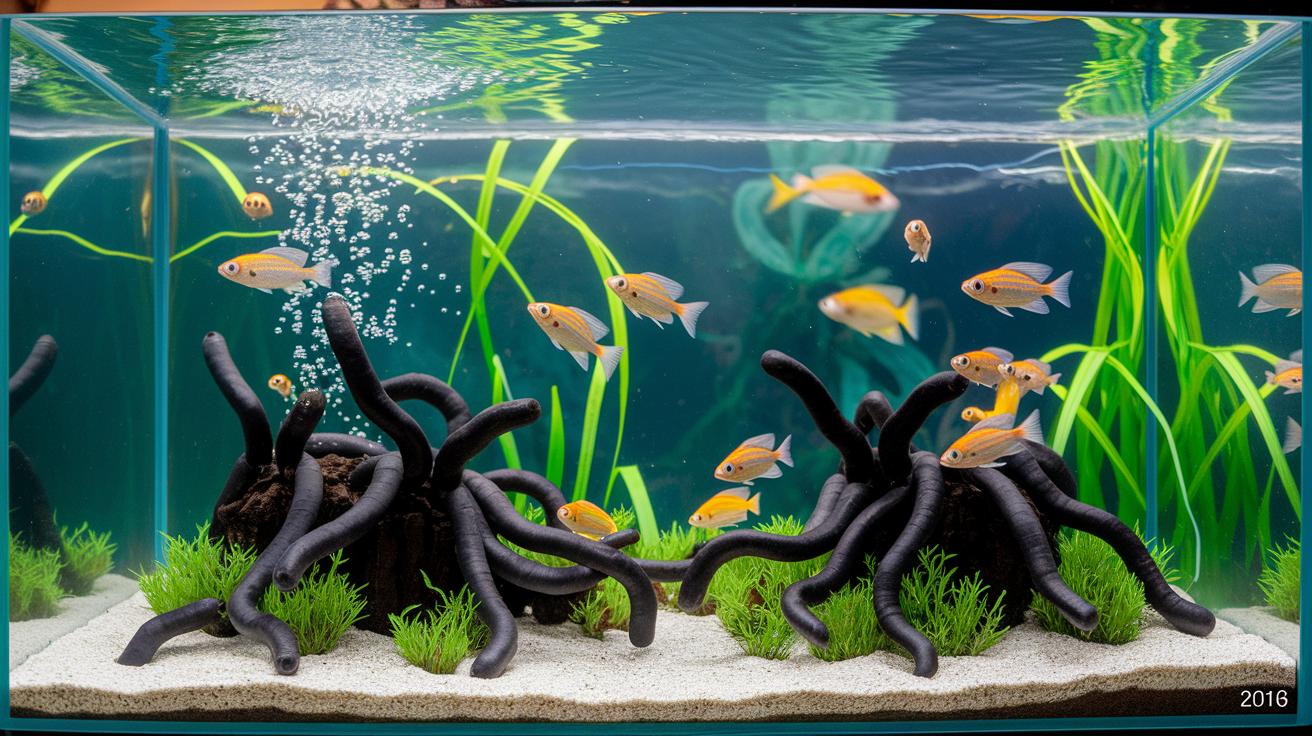
Taking care of your blackworms and keeping your fish happy is a bit like setting up a perfect little aquarium scene. First, make sure the water where you grow your worms is well-aerated. When you see a steady stream of tiny bubbles, you know there’s enough oxygen in the water to keep both the worms and your fish safe from harmful bacteria.
Before you add these wiggly treats to your fish’s diet, it's a wise idea to test the water from the worm culture. Use a simple test kit to check ammonia and nitrite levels. You want both to read zero because even a little bit can be a warning sign for your fish. Some fishkeepers even say that double-checking these numbers helps them feel confident every time they feed their fish.
After your fish have enjoyed their meal, take a moment to observe them. Look around for any uneaten worms, signs of bloating, or unusual behavior like erratic swimming. A good feeding session is when all the worms are eaten and the fish keep gliding calmly. If something seems off, it might be time to review your feeding routine or give the water quality another check.
Final Words
In the action, we explored how black worms fish food fuels vibrant fish health by offering high protein, vitamins, and natural feeding behavior triggers. We touched on safe preparation, precise feeding routines, and selecting the best storage options for both live and frozen choices.
We also showed how setting up your own black worm culture can provide a steady, sustainable feed. Every tip shared hopes to help you build a clean, balanced underwater world with black worms fish food, so your aquatic pets can thrive with joy and sparkle.
FAQ
Where can I buy black worms fish food?
The query on purchasing black worms fish food covers where to find both live and frozen options. Black worms are available online, at local pet stores like Petco, and from specialized vendors in regions such as California.
Are blackworms good fish food and suitable for aquariums, including for axolotls?
The inquiry about blackworms being good fish food highlights their high protein and essential amino acids, which boost vibrant colors for tropical fish, while occasional feeds also meet axolotls’ high protein needs.
How often do you feed black worms?
The question about feeding frequency indicates feeding once daily or every other day is ideal. Typically, small fish benefit from about 10–15 worms per feeding to stimulate natural hunting behaviors.
Are blackworms the same as bloodworms?
The question comparing blackworms to bloodworms clarifies that they are different types of live feed. Blackworms, known as Lumbriculus variegatus, differ in appearance and nutrition from midge larvae commonly called bloodworms.