

Have you ever thought that a simple floating pellet could change mealtime for your fish? Picture food resting just on the water's surface, catching your fish’s eye before they happily gobble it up. When the food floats just right, it turns feeding time into a fun little show and helps cut down on wasted bits. In this post, we’ll dive into how choosing the perfect floating fish food can keep your tank neat and your fish lively and cheerful. Stick with me to see how one small tweak can make a world of difference.
Floating fish food for happy aquariums
When picking the right floating fish food, we focus on a few simple things like how long it stays afloat, the size of the pellets, and what size package you get. We love pellets that drift on the surface just long enough for your fish to see and gobble them up. Most pellets are around 2 to 5 mm in size, so they work well for both small and larger fish. You can usually choose packages from 500 g up to 5 kg, which is handy whether you have a small tank or a big pond. I once noticed one product that floated for almost three minutes, which really showed its quality.
Next, we also think about the price. It’s cool to see options that don’t break the bank and others that are a bit more high-end, so every fish enthusiast, whether just starting out or an old pro, can find something that fits. We check out each brand by how well it performs, if the floating time is consistent, and if the price feels fair. When your feed hangs around at just the right time, it not only makes meal time more fun for your fish but also cuts down on wasted food. Ever see a fish light up at a perfectly timed floating pellet? It really can make a difference.
| Brand | Pellet Size | Price Range | Key Pros & Cons |
|---|---|---|---|
| AquaElite | 3–4 mm | $15–$25 | Long buoyancy; high acceptance; a bit pricey |
| FishFloater | 2–3 mm | $10–$20 | Great for small fish; affordable; dissolves faster in warm water |
| KoiKick | 4–5 mm | $20–$30 | Premium nutrition for koi; limited availability |
| PondPal | 2.5–4 mm | $12–$22 | Balanced nutrition; consistent buoyancy; less vitamin fortification |
Nutritional Benefits of Floating Fish Food
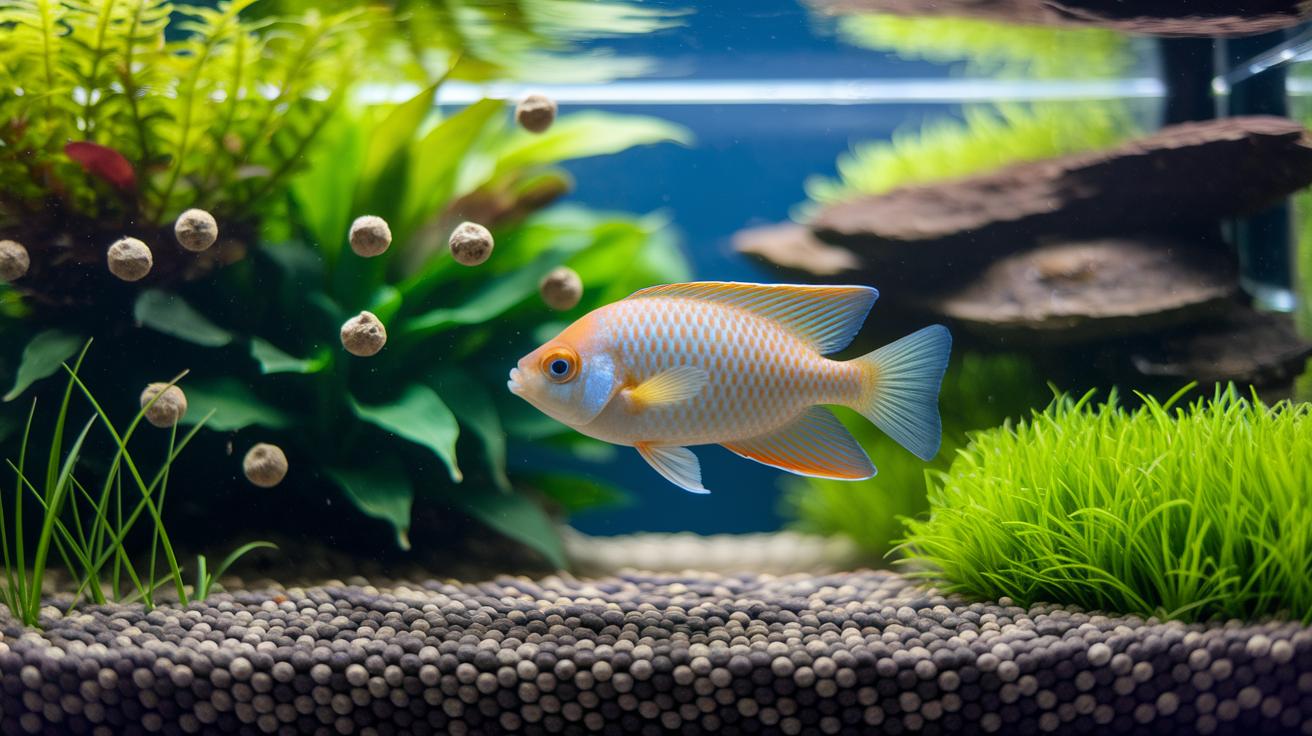
Feeding your fish quality floating food is much like giving them a hearty, balanced meal. The mix of proteins, vitamins, and minerals acts as the building blocks that keep them strong, active, and beautifully colored. Floating food usually has about 30–40% protein along with vitamins A, D, and E, plus minerals like calcium and phosphorus. This blend not only helps your fish use energy more efficiently but also supports cell growth and keeps their scales shining.
Most fish food makers design their blends to mirror the wild fish diet, rich in protein and a variety of nutrients, to give young and old fish the best chance at thriving. It’s a bit like nature’s secret recipe for swimming happily.
- High protein for growth
- A mix of vitamins for stronger immunity
- Minerals to support healthy bones
- Essential fatty acids to enhance color and energy
- Tasty enhancers that make the food irresistible
These ingredients work together like a well-organized school of fish. They help convert food into energy, boost natural colors, and strengthen defenses against common ailments. In truth, this careful balance not only fills bellies but also helps every aquatic friend enjoy a longer, healthier life.
Feeding Guidelines for Floating Fish Food
When you feed your fish, start by measuring the food carefully based on the total weight of your fish. A good rule is to offer about 2 to 4% of their body weight each day. Using a small scale or a measuring spoon can make sure every meal is just right, kind of like portioning out a favorite snack.
Try spreading the feedings over two or three times a day to keep their energy levels steady. This little trick not only helps keep the water clear but also makes sure your fish act happily throughout the day. Ever notice how even a small change can make the tank feel just right?
Take a close look at the floating pellets when you feed them. Ideally, the food will start to break apart or be eaten within 2 to 3 minutes. If you see the pellets sticking around for longer, it might be a sign to offer a bit less food next time.
Finally, adjust the portions based on your fish’s appetite, the water temperature, and how active they are. Keep a watchful eye on any extra food left behind, as it can affect the water quality. With little tweaks here and there, you’ll keep both your fish and your tank in top shape.
Ideal Aquarium Species for Floating Fish Food
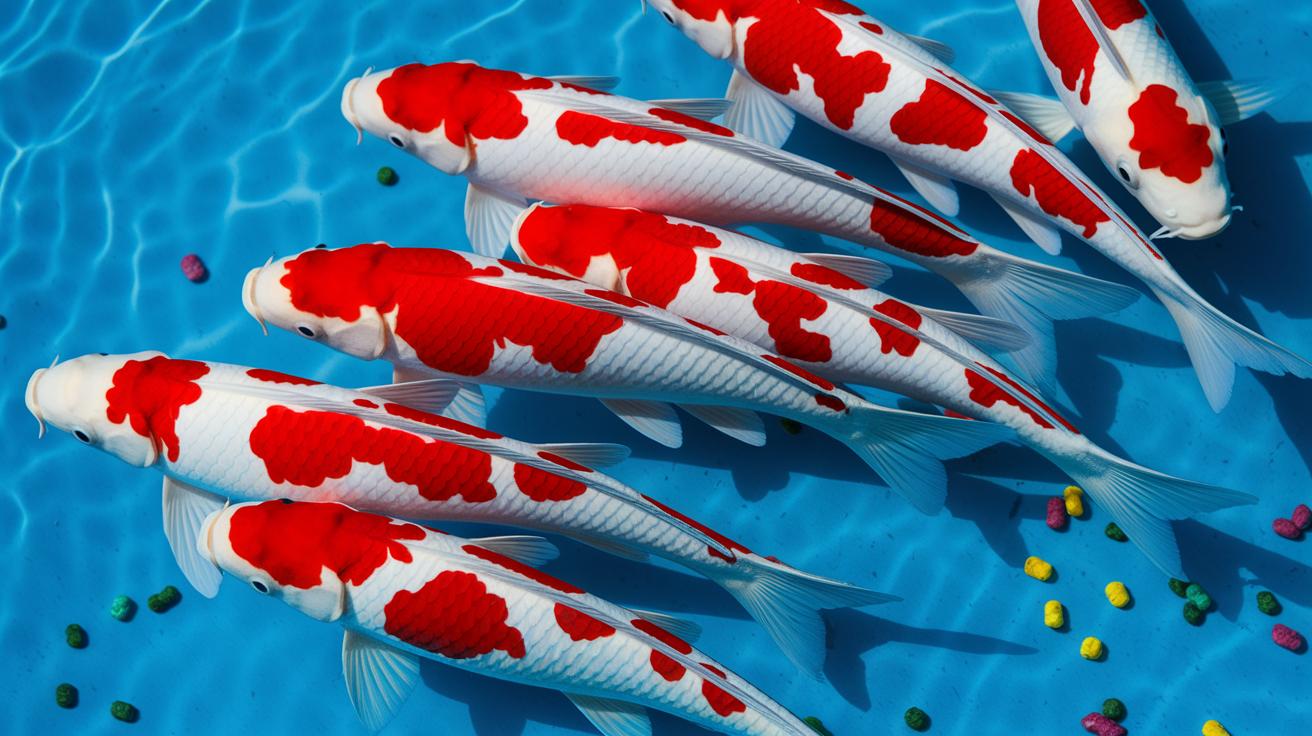
Herbivorous fish like koi and goldfish really thrive on floating food because it lets them feed right where they feel most at home, at the water’s surface. These fish usually do best with pellets sized about 4–5 mm. This size helps the pellets stay afloat and easy to see, making it simple for them to grab a bite. You can fine-tune how much you feed them so they get enough nutrients without the food sinking too fast.
For active swimmers like barbs and tetras, a slightly smaller pellet works wonders. Pellets around 2–3 mm let these omnivores take quick, easy bites to match their varied diet. They often benefit from having more frequent, smaller meals to keep their energy up. For more details on what your fish need, check out the fish nutrition requirements here: fish nutrition requirements.
Carnivorous fish such as bettas and gouramis prefer micro-pellets that are packed with nutrition specially made for their diets. Although these pellets are tiny, they deliver a concentrated boost of energy and help keep their metabolism humming. These fish might eat less overall but need every meal to be perfectly balanced. So, it’s a good idea to adjust feeding times based on how active your fish are and how much they enjoy their meals.
Floating vs Sinking Fish Food: Pros and Cons
Floating feed is a smart choice because it holds onto its nutrients better and turns them into energy more efficiently. Floating pellets digest at about 90%, while sinking ones manage around 85%. This means your fish get more from every bite, and less undigested food drifts to the bottom. Fewer leftovers lead to less waste decomposing in the tank, keeping the water clearer and your aquatic buddies healthier. It’s like giving your fish food that works as hard as they do when they splash around.
Choosing between floating and sinking food really comes down to how your fish like to eat. Surface feeders, such as koi or goldfish, enjoy meals that hang out on top so they can easily spot and nibble on them. On the other hand, bottom dwellers need food that sinks fast to reach their feeding zone. Plus, when food floats, there’s less fallen feed to spark algae blooms. In short, floating feed caters to specific fish habits while helping maintain a bright, balanced, and inviting aquatic space.
Cost & Availability of Floating Fish Food
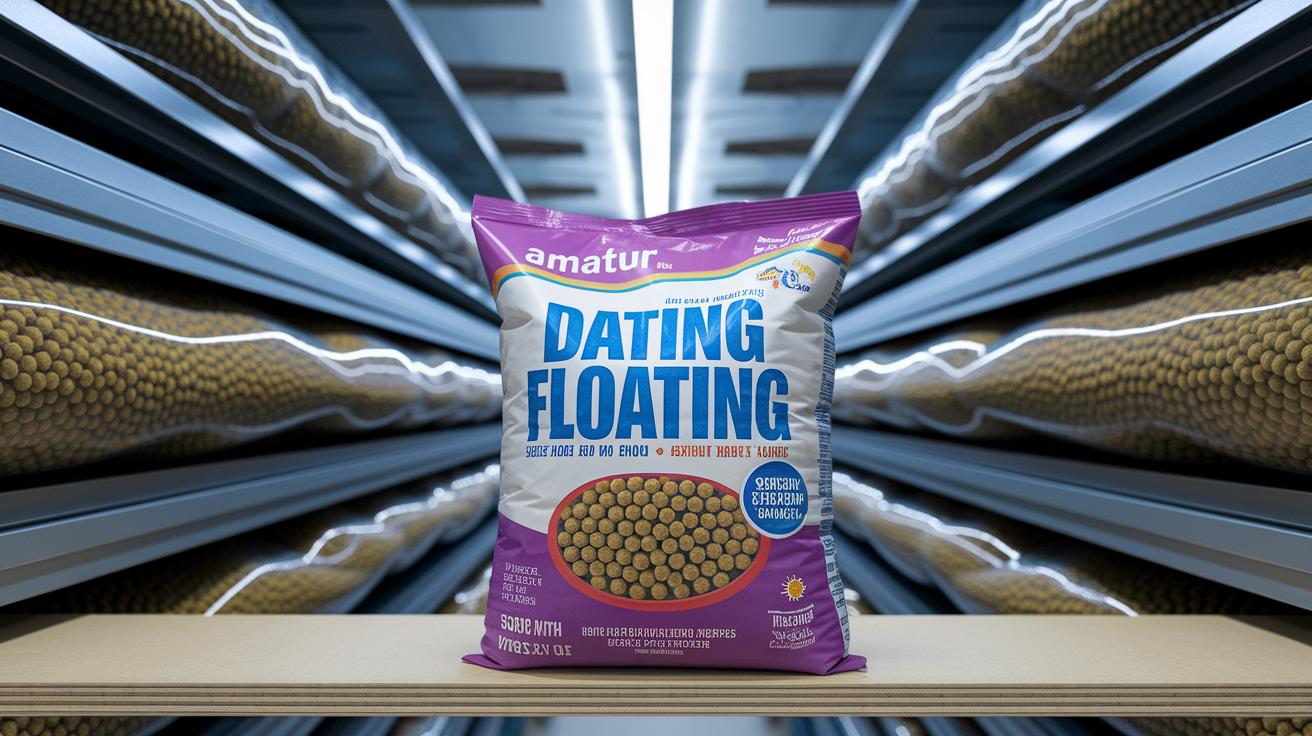
When you're on the hunt for floating fish food, you'll see it's sold through lots of different spots, from online shops to your neighborhood pet store. You might notice prices hover between $10 and $20 for a 5-pound bag. Prices can change with the package size and where it's coming from. Online stores usually offer a big variety and great deals, while local shops let you chat with someone who knows their stuff and get your food right away.
If you have a big tank or even a pond, buying in bulk could be just right. Wholesale options often have discounts that make buying a lot more affordable. Some subscription services even deliver your fish food on the regular, occasionally tossing in seasonal savings too. This makes it easier to handle your aquarium budget while keeping your fish well-fed and happy.
Storage & Shelf Life of Floating Fish Food
For the best care of your fish food, keep it in a sealed bag or an airtight container. This simple step helps lock in freshness, just like the gentle ripple of water in your favorite tank. An air-tight home prevents unwanted smells and moisture from getting in, so your food stays tasty and effective for 6–12 months.
Store your container in a cool, dry spot where the temperature stays between 50 and 70 °F and the humidity is under 60%. Avoid letting it bask in direct sunlight or dwell in damp areas. Keeping it like this stops the pellets from clumping together or spoiling too soon.
Make it a habit to rotate your stock and look for any signs of trouble, like mold or soft pellets. A quick check now and then ensures you catch any problems early, keeping your aquarium water clear and your fish happy.
Final Words
In the action, we explored top brands, nutritional benefits, feeding guidelines, species matchups, and even compared floating versus sinking options. Each section provided clear insights on establishing a balanced, visually pleasing aquatic home. We also touched on cost, availability, and proper storage techniques to keep your supplies fresh. With practical advice on choosing the right floating fish food, every step helps boost your pet care game. Enjoy setting up and maintaining your vibrant underwater haven, and keep swimming forward with confidence.
FAQ
Where can I find floating fish food locally and in bulk?
The query about floating fish food near you and in bulk means checking nearby pet shops or online aquatic retailers. They often offer various bag sizes suited for ponds and other water features.
What options are available for 50 lb floating fish food orders?
The mention of 50 lb floating fish food highlights a high-volume option ideal for pond enthusiasts. These bulk sizes work well for extensive feeding needs, including catfish, offering cost-effective, consistent supply.
Which brands offer the best floating fish food for ponds and bass?
Asking about the best floating fish food points to products like Rancher’s Choice that offer balanced nutrition and buoyancy. Such brands are popular among pond keepers and bass enthusiasts for their quality and reliability.
How do I make floating feed for fish at home?
The question on making floating feed at home suggests mixing ingredients like fish meal, binders, water, and vitamins to form pellets. These are then air-dried until they achieve the right buoyancy for surface feeding.
How does floating fish feed differ from sinking feed and why does it float?
The inquiry about floating versus sinking feed explains that floating fish feed is designed with buoyant components, so it stays on the surface for easy access by top feeders. This design also helps maintain water clarity and reduce waste.