
Ever notice your fish seem a little slow during meal time? It might be because you're giving them the same food every day. Changing it up with live, frozen, plant-based, or even homemade treats could be just what they need.
Imagine your fish zipping through the water like they're enjoying a cool dip in a favorite stream. This guide explores new food choices that add extra vitamins and protein to their diet, making meal time feel like a little underwater celebration.
Fish Food Alternative: Top Choices for Aquarium and Pond Diets
Switching up your fish’s meals can be as refreshing as a cool dip in your favorite stream. By mixing live, frozen, plant-based, insect-based, and even homemade food options, you give your fish a real treat that suits different tastes. This variety can work wonders for goldfish, bettas, koi, and many other species, keeping their diet as lively as a school of fish.
- Bloodworms: These vibrant red larvae are full of protein. They help keep active fish strong and energetic.
- Daphnia ("water fleas"): These tiny, clear critters float and dance in the water, giving smaller fish just the extra nutrients they need.
- Brine shrimp: Old favorites in the aquatic world, these protein-packed shrimp help build muscle power for fish that love to swim.
- Tubifex ("sludge worms"): Raised for aquarium life, these live worms bring a fun, natural feeding experience that lets fish forage just like they would in nature.
- Spirulina: This blue-green algae comes in powder or tablet form and is a powerful boost with about 60% protein to lift overall vitality.
- Duckweed: A fast-growing little plant that floats on the surface, duckweed is a neat source of 25% protein, along with fiber and vitamins for balanced nutrition.
- Black Soldier Fly Larvae & Mealworms: These insect-based treats are a protein-rich alternative, especially great for fish that thrive on meaty foods.
- Kitchen scraps (peas, spinach): Sometimes the simplest options are best. Chopped veggies like peas or spinach can pack in natural fiber and the vitamins herbivorous fish need.
Alternative Fish Food: Nutritional Profile Comparison

When you're picking out new meals for your fish, consider options like whole critters or plant-based feeds instead of everyday flakes. These choices often pack a richer mix of vitamins and minerals. For example, many live foods boast about 50 to 65% protein and just 5 to 15% fat, perfect for keeping your fish lively and active. On the flip side, plant feeds tend to offer between 25 and 60% protein with a lighter 3 to 7% fat, making them ideal for fish that prefer a gentler, herb-based diet.
Below is a quick, friendly comparison table of six popular food alternatives that can help guide you in choosing the best option for your aquarium or pond. These figures align with the daily protein and fat levels fish need to stay healthy.
| Alternative | Protein (%) | Fat (%) | Ideal For |
|---|---|---|---|
| Bloodworms | 50-65 | 5-15 | High-energy carnivores |
| Daphnia | 50-65 | 5-15 | Small fish and fry |
| Brine Shrimp | 50-65 | 5-15 | Active swimmers |
| Tubifex | 50-65 | 5-15 | Bottom feeders |
| Spirulina | 25-60 | 3-7 | Herbivores |
| Duckweed | 25-60 | 3-7 | Plant-eaters |
DIY Fish Food Alternative Recipes

If you're looking for a fun way to give your herbivorous fish a nutritious treat, try mixing up a fresh blend of cucumber, spinach, and green peas. The natural fiber and vitamins in these ingredients, 136 g of cucumber, 68 g of spinach, and 34 g of green peas, come together like a gentle stream nourishing your fish.
Start by chopping the cucumber into small pieces, roughly tear up the spinach, and blend the green peas until they are smooth. Then, stir everything together until you get a smooth paste that's easy for your fish to enjoy. Serve a tiny portion at each regular feeding time, and if you have any leftovers, tuck them away in an airtight container in your fridge for up to two days.
For your carnivorous friends, there’s a protein-packed recipe that mixes 136 g of shrimp, 34 g of mealworms, and 10 g of garlic. This blend not only delivers hearty protein but also essential amino acids, making it both tasty and nutritious.
Dice the shrimp into bite-sized bits, finely chop the mealworms, and mince the garlic. Mix them all well until your blend looks consistent and smooth, like a perfect current in a quiet stream. Offer this treat a few times a week, and remember, any extras should be kept in a sealed container in the fridge and used within 48 hours to preserve all those tasty flavors.
For omnivorous fish, a balanced mix made from 136 g of mixed vegetables, 68 g of algae powder, and 20 g of insect meal covers a wide range of nutrients. This recipe is like a well-rounded underwater garden, offering essential micronutrients that help your fish thrive.
Dice the vegetables and mix them with the algae powder and insect meal. Then, press the mixture into small patties that are just the right size for your fish to nibble on. Feed a little portion of these patties during each meal throughout the week, and store any extra in a cool, airtight container. Be sure to use up any leftovers within two days to keep the nutritional magic intact.
Fish Food Alternative: Pros and Cons

If you're looking to save a few bucks while making sure your fish get just the right meal, alternative fish feeds might be the way to go. These feeds are usually cheaper and let you pick the ingredients, so you can whip up meals that match your fish's needs perfectly. It’s like making your own recipe, one that suits your aquarium or pond and even helps recycle organic waste back into the system. Cool, right?
But, there are a few things to watch out for. Sometimes the nutritional value can change from one batch to another. And while live foods might seem exciting, they can sometimes bring unwanted germs if they’re not handled carefully. Plus, gathering and prepping these ingredients might take more time than just grabbing a bag of commercial feed. It's a balancing act, so you have to decide if this custom approach is the right fit for your setup.
Fish Food Alternative: Sourcing and Sustainability Insights

Local shops and specialty stores often offer insect-based feeds that are kinder to our planet. These feeds can cut resource use by up to 80% compared to traditional wild-harvested fishmeal. Many come ready-to-use with live cultures, making it a breeze to pick a green and sustainable diet for your tank or pond. Plus, you might notice a drop in overall costs with these eco-friendly options!
Another neat idea is to grow your own feed. Home cultivation of plants like duckweed and spirulina is simple, using very little water and space. It’s like nurturing a tiny underwater garden that provides your fish with steady, nutritious food without putting extra strain on the environment. It’s a fun way to dive into a mini farming adventure right in your pond setup.
And if you’re feeling crafty, try making your own fish food from kitchen scraps. Blending leftover veggies or fruits into balanced meals not only supports a circular economy but also adds a creative twist to fish care. There are even DIY kits available online that help you experiment with different recipes. This way, your fish enjoy fresh, tailor-made meals that keep both your wallet and the planet smiling.
Fish food alternative: Nutritious Options for Fish
Goldfish really enjoy meals filled with plant goodies. They are happiest with foods like finely chopped peas, spinach, or even a little dash of duckweed tossed into their bowl. This plant-based approach helps their digestion work smoothly, much like a well-balanced salad helps you feel energized every day.
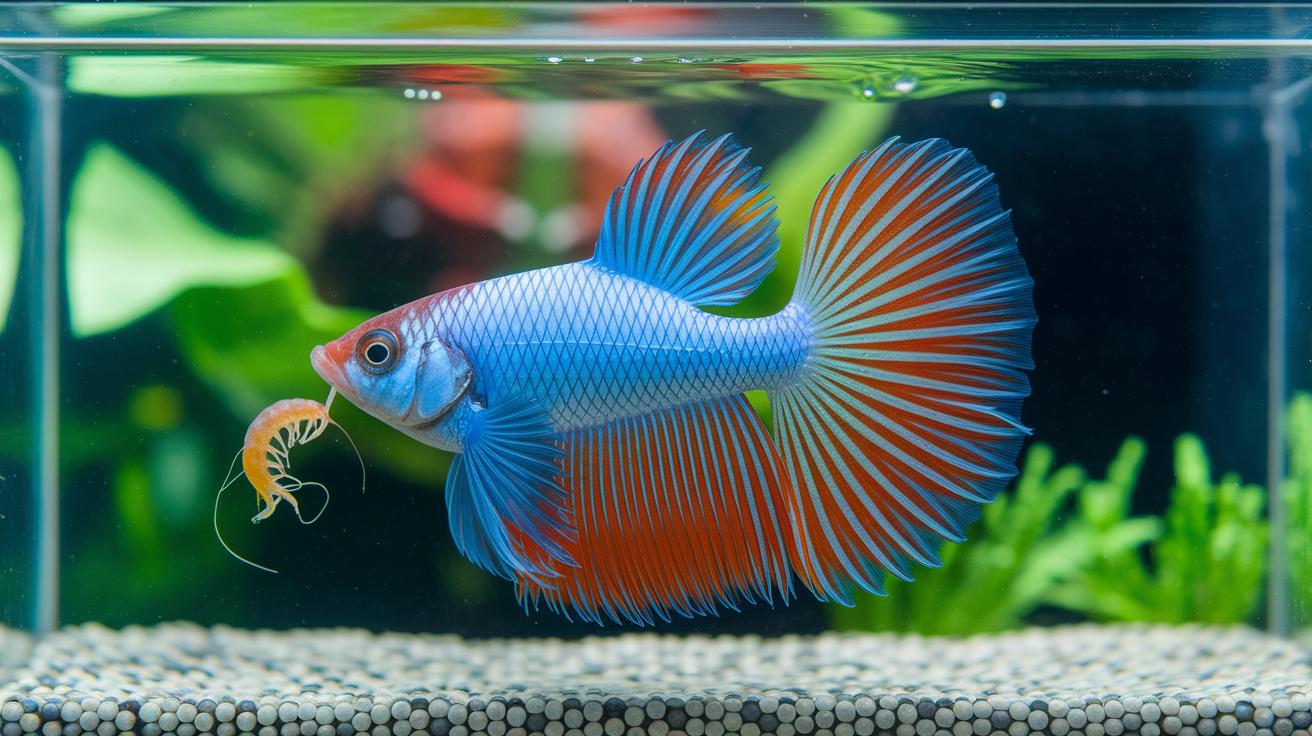
Bettas, on the other hand, need a good boost of protein, about 40-50% of their diet should come from animal sources. Instead of just plain flakes, try giving them live treats like brine shrimp or the occasional mealworm. Picture a betta nibbling on a tiny shrimp snack, its sleek body darting around with a burst of energy, ready for another playful swim.
Koi and guppies prefer a varied, balanced diet that fits their omnivorous nature. Koi do well with feeds that contain around 20-30% protein along with some plant matter during the warmer months. Guppies love a mix that includes micro-organisms, algae, and a few bits of live prey. This balanced menu not only helps them grow strong but also keeps their colors vibrant, making every tank feel like a little underwater paradise.
Fish Food Alternative: Monitoring Fish Health Post-Diet Switch

After you switch your fish to a new kind of food, watch for clear eyes, bright colors, and smooth, lively swimming. When your fish show these signs, it’s like seeing a gentle sparkle on the water that says all is well. If you need more hints on what to look for, check out these signs of healthy fish.
During this change, it’s a good idea to test your tank’s water often, especially in the first few weeks. Watch how your fish grow and how they react to see if the new food is a good fit. Simple water tests that check for ammonia spikes can help you catch problems early. Taking a few quick notes each time can show you any small changes before they turn into big troubles.
Final Words
In the action, we dove right into a spectrum of substitute feeds, from protein-packed bloodworms to clear, dancing daphnia. We explored easy homemade recipes, compared nutritional profiles, weighed pros and cons, and even touched on sustainable sourcing. Quick tips on adjusting feeds for different fish types and monitoring fish health wrapped things up neatly. Every piece of advice is meant to help create a cleaner, balanced aquatic home using a reliable fish food alternative. Here's to happy, thriving tanks!
FAQ
What are some alternatives for feeding goldfish?
The fish food alternative for goldfish means trying vegetable options like duckweed or homemade mixes, which help balance carbohydrates and support digestive health.
What fish food alternatives do people discuss on Reddit?
The fish food alternative ideas on Reddit often include DIY recipes using live feeds, plant-based options, and simple ingredients to create nutrient-rich meals for your fish.
What is considered the best fish food alternative?
The best fish food alternative brings together live feeds, plant matter, and insect proteins, offering a balanced mix of nutrients that support a range of aquatic species.
How can I make a DIY or homemade fish food alternative?
The DIY fish food alternative involves combining ingredients like shrimp, mealworms, and vegetables, then blending and shaping them into pellets to create a balanced, protein-packed meal.
What can I feed my koi if I run out of food?
The fish food alternative for koi includes options like duckweed, live sludge worms, or quickly prepared homemade mixes, giving your koi the essential nutrients they need during a shortage.
What should I feed small fish at home as an alternative?
The alternative for feeding small fish at home means using live options like daphnia or brine shrimp, mixed with vegetable scraps, to provide these little swimmers with balanced nutrition.
What is a good substitute for commercial fish feed?
The substitute for fish food involves natural ingredients such as bloodworms, spirulina, and kitchen scraps, which combine to deliver the protein and vitamins your fish need without relying on processed feeds.