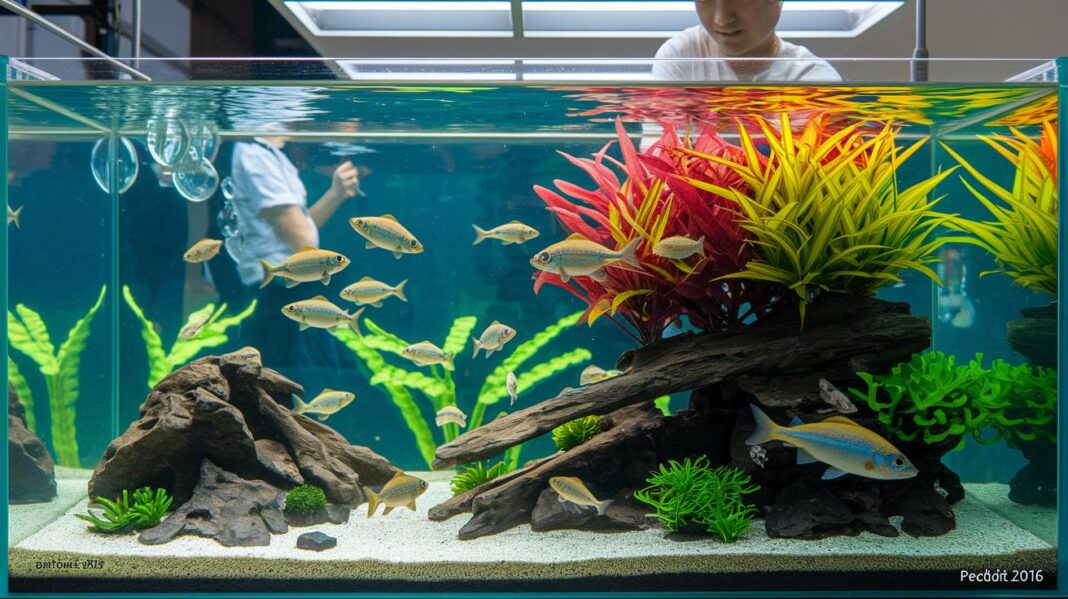

Ever notice how some aquariums shimmer with life while others feel a bit dreary? Regular water changes might be the trick to turning your tank into a vibrant, fish-friendly home. When you swap out a little of the old water for some fresh, treated water, you're washing away the buildup that dulls the sparkle. It’s a simple step that lets the true colors of your aquatic world shine through and keeps your fish swimming happily and energetically.
Aquarium water changes spark clear, thriving tanks
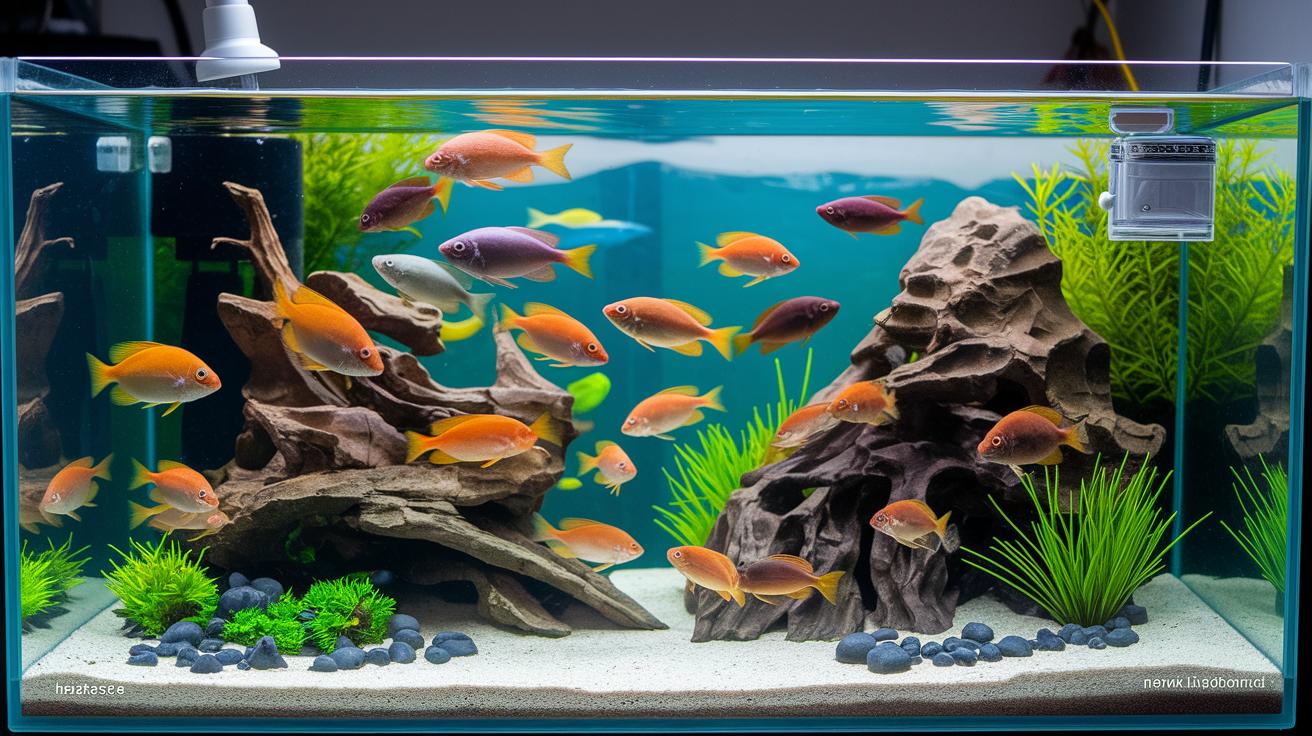
Regular water changes are like giving your fish a refreshing reset. Fresh water washes away waste and chemicals that can stress your fish, helping them stay happy and healthy. And when the water is crystal clear, it beautifully highlights your tank while keeping algae in check.
Routine water refreshes hit a perfect balance between easy upkeep and serious care. Keeping the water quality high means your fish show off brighter colors, swim more smoothly, and the tank sparkles with clarity.
- Start by turning off all electrical parts in your aquarium, like the heater, filter, and lights, to keep everything safe and sound.
- Next, gently wipe off any algae from the glass and flip your decorative rocks to uncover hidden spots where algae might be hiding.
- Then, use a siphon by placing its head about 1 inch into the gravel so you can gently draw out water and any debris from the bottom.
- Remove about 30–50% of the water. If your tank looks really grimy, you might even take out 75%.
- Afterwards, refill with slightly warmer water that has been treated with conditioners such as AquaPlus, Seachem Prime, Nutrafin Cycle, or Seachem Stability.
- Check the pH level and adjust it to match the needs of your fish, ensuring they feel right at home.
- Finally, add a water conditioner tailored for the specific type of fish in your tank, whether that’s South American Cichlids, African Cichlids, or Discus.
Be extra careful when you remove a large amount of water. Sudden changes in temperature can stress your fish, kind of like an unexpected current in calm water. By matching the water temperature and using the proper conditioners, you help avoid shock and keep your tank balanced, ensuring your fish truly thrive in their fresh, inviting home.
Ideal Frequency for Aquarium Water Changes
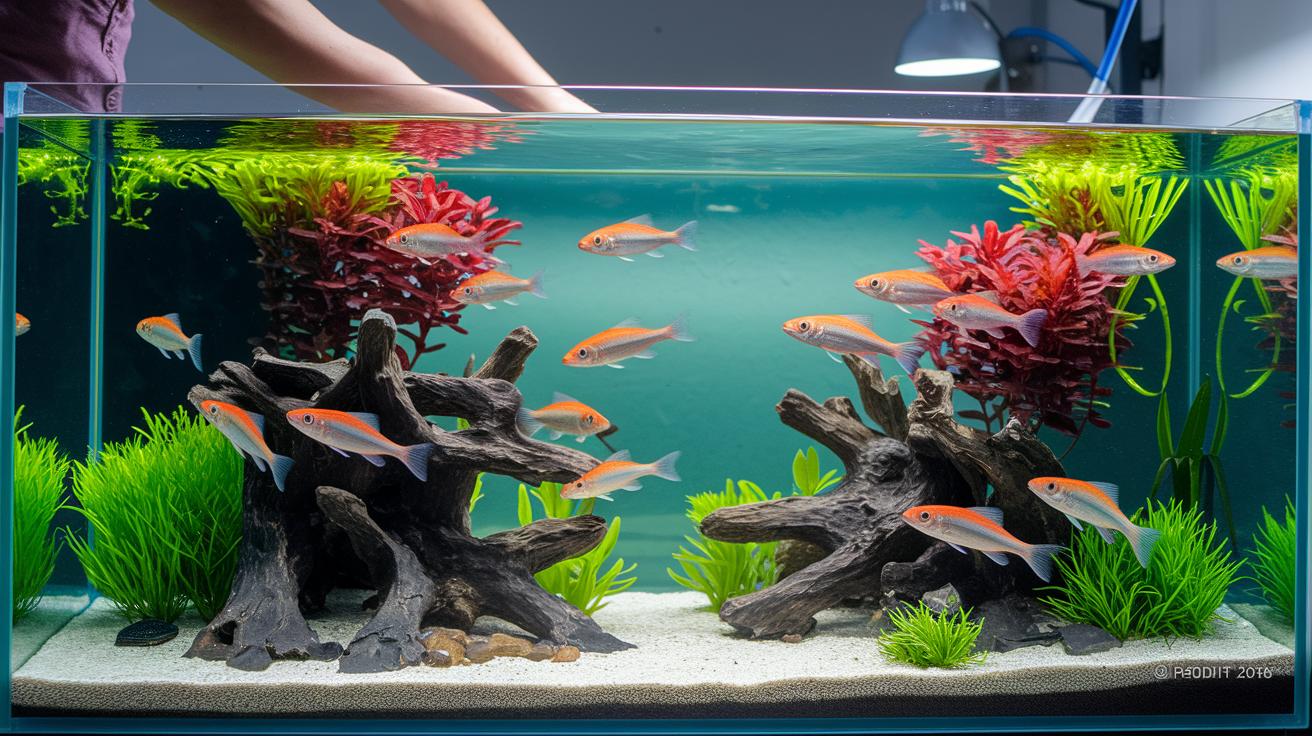
Most freshwater tanks do best with a weekly change of about 10 to 20% of their water. This small refresh keeps waste low and water clear, giving your fish a cheerful home. If your tank is extra crowded, consider swapping out 20 to 30% every other week to handle the extra fish and food load.
Saltwater and reef tanks usually need about a 10% change each week or a larger 20% change every two weeks. This routine helps manage nitrate levels and keeps delicate corals safe. In tanks where feeding is heavy or there’s a high bioload, you might even need a monthly water change of up to 50%. In those really troubled scenarios, you might have to remove as much as 75%, but that’s reserved for special cases.
Regular water tests are like little guides for your routine. Check for things like pH, ammonia, nitrates, and temperature. If you notice your nitrate levels rising, a more frequent partial water change might be needed to bring things back into balance. Listening to your tank’s signals lets you adjust each change to fit your aquarium’s unique needs, keeping things fresh and your fish happy and healthy.
Step-by-Step Techniques for Aquarium Water Replacement
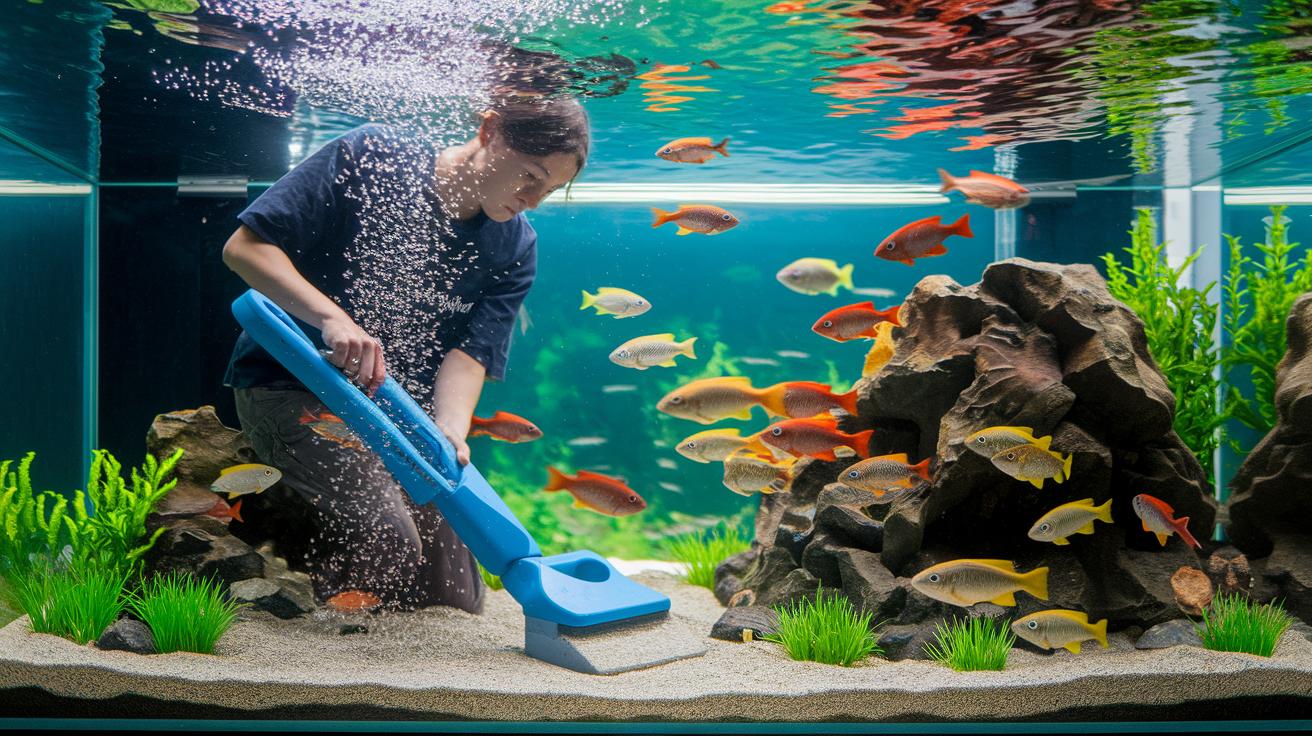
Changing the water in your tank might sound like a big job, but by breaking it down step by step, you can keep your aquarium sparkling just like the soft shimmer of sunlight on water. Here are three easy methods that are sure to make maintaining your aquatic haven less stressful.
Manual Siphoning Method
Using a simple gravel vacuum is a classic and reliable way to do it. Just drop the siphon head about an inch into the gravel so it gently lifts away debris as gravity does its work. This method is ideal for small to medium tanks and gives you plenty of control over the water removal. Imagine using a gentle straw to clear away the tiny bits that cloud your tank, it's hands-on but rewarding. Though you might need a bit of extra time and care, the results are worth it.
Pump-Assisted Water Removal
If you have a larger tank, a pump-assisted system with a pump that moves 300 to 400 gallons per hour can really speed things up. This method is all about quick and efficient water changes without the hassle of buckets. Its steady flow makes it easy to remove water smoothly, especially if your tank is more than 25 gallons. The perk here is speed, though you do have to manage a bit more equipment. It's like having a trusty motorboat clearing a river, fast and reliable.
Automated Cleaning Systems with Python Adapter
For those who love convenience, automated systems using a Python adapter to hook onto your faucet might be the best pick. This approach sets up a constant flow of water, letting you forget about the manual buckets entirely. It’s great for aquarists who appreciate a set-it-and-forget-it method while ensuring your water is always fresh. While it does require some initial setup and a proper faucet connection, the steady water flow makes it a smart choice for busy fish lovers like you.
Maintaining Water Quality During Aquarium Changes
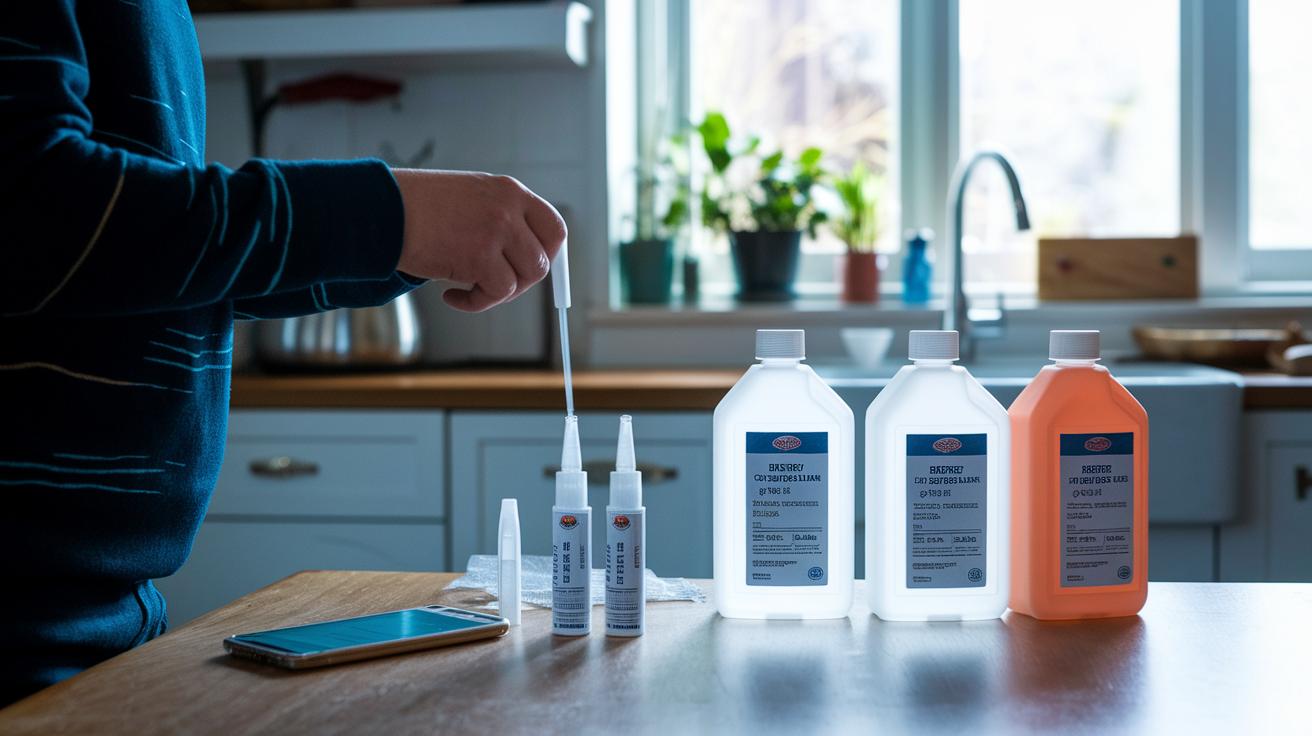
Changing your tank's water takes a few careful steps to keep your little underwater friends safe and comfortable. Many fish keepers use dechlorinators like Seachem Prime to get rid of chlorine, chloramine, and even heavy metals. These treatments start working immediately, so your new water gently settles into your fish's home. It’s always a good idea to test the water with a reliable kit before and after each change. You can check parameters like pH, ammonia, nitrite, and nitrate to see how balanced the tank is and what might need fixing.
Keeping the replacement water within about 2°F of your tank's temperature is really important to avoid stressing your fish, much like giving them a consistent, familiar environment. If you find that your tap water’s pH isn’t quite right, a buffer solution can help adjust the chemistry. A neat tip is to treat the water and let it sit for a little bit before adding it to your aquarium. This pause gives the chemicals time to work properly. Matching both the temperature and pH levels helps protect your fish and invertebrates from sudden changes, creating a stable, thriving aquatic home.
Preparing Replacement Water for Aquarium Water Changes
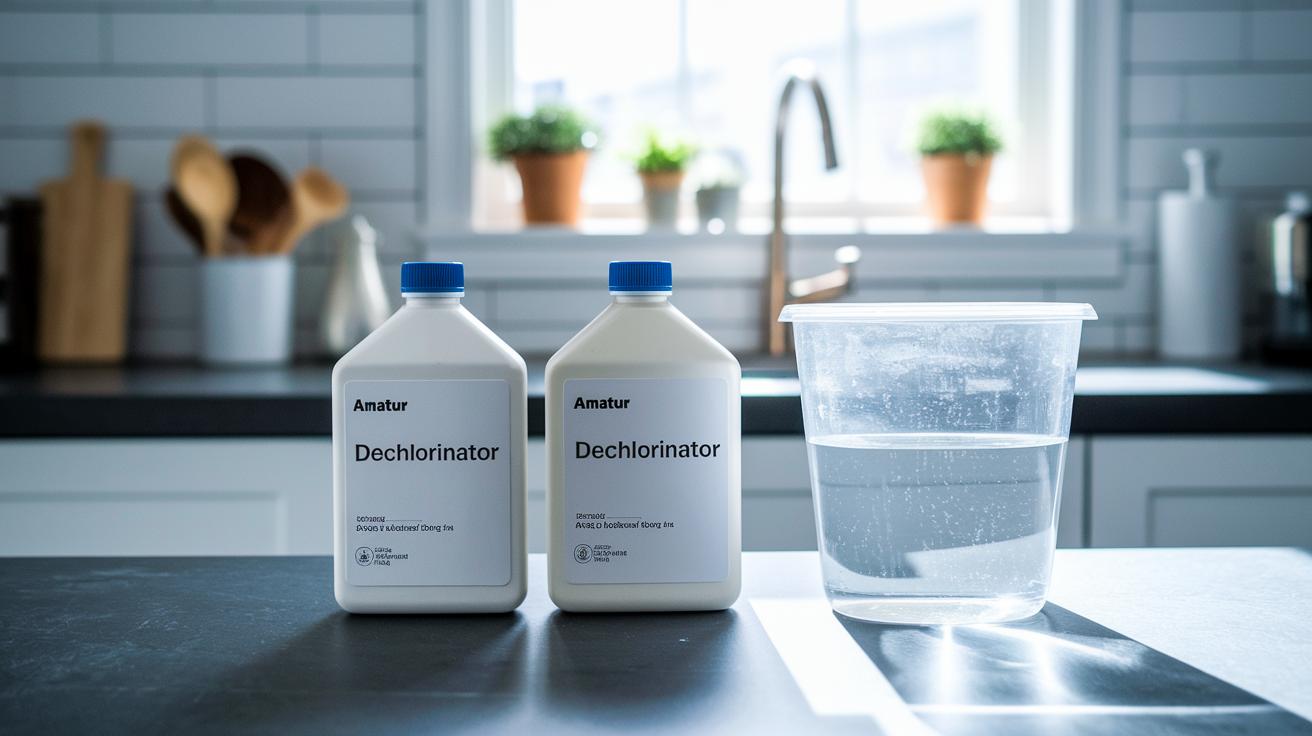
Start by filling a clean container with the amount of tap water you need for your tank. First, add a dechlorinator like Seachem Prime at the recommended dose per gallon to get rid of chlorine and chloramine. Then, mix in a conditioner such as Nutrafin Cycle or Seachem Stability to help the good bacteria in your aquarium thrive. For example, if the label says 1 mL per gallon, measure it carefully and stir until it’s mixed evenly.
Next, aerate the water by stirring or using an air pump for about 15 minutes. This step helps release any unwanted gases and makes sure the treatment blends evenly with the water. Before adding this pre-treated water to your aquarium, let it warm up so it’s within 2°F of your tank’s current temperature to avoid shocking your fish. If you have a planted tank, you might even mix RO/DI water with tap water to soften it, creating a more balanced setting for sensitive plants.
A DIY water refresh kit can make the process a breeze. Look for a set that includes a container, a reliable dechlorinator, a biological conditioner, and a tool for aeration. This way, you’re all set to safely pre-treat your water every time you change your aquarium.
Essential Tools for Aquarium Water Changes Efficiency
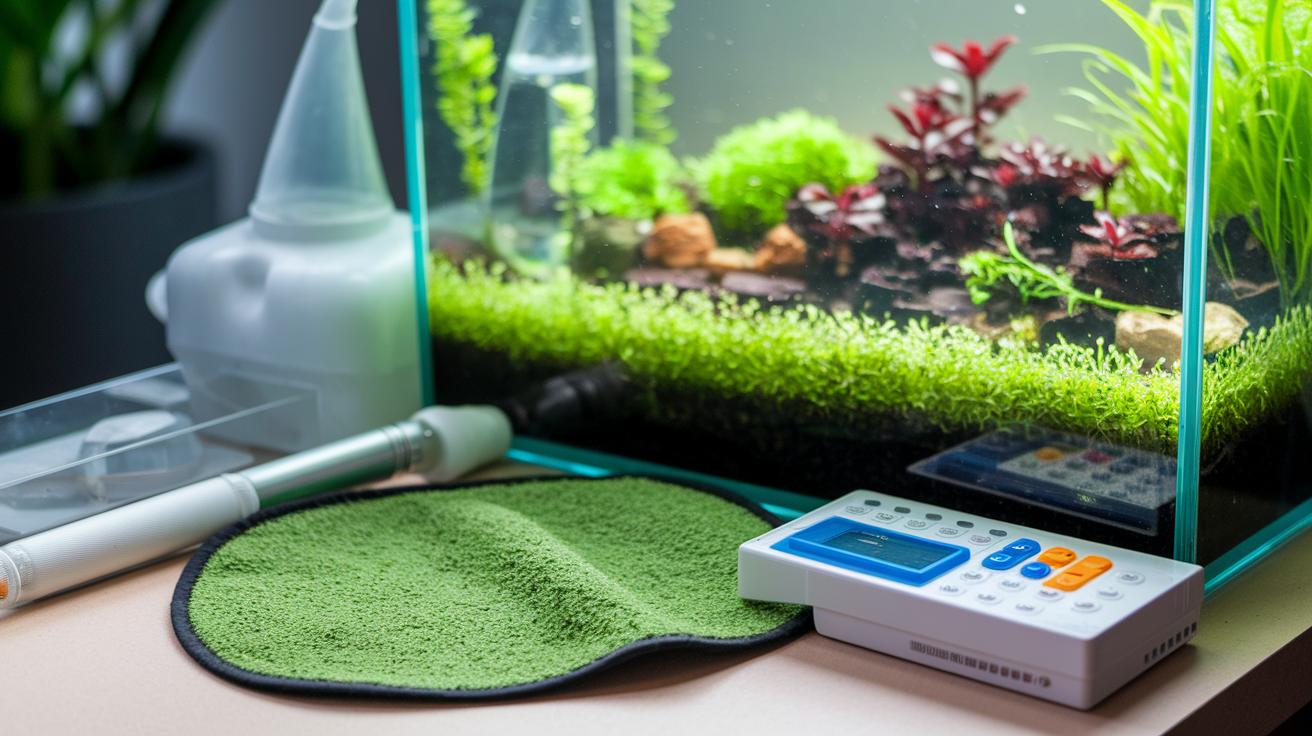
Having the right gear makes switching your tank water quicker and safer. A full tool kit helps you work with ease while keeping your aquarium bright and healthy. Each piece works its own magic to clear up the water and keep everything stable.
- Algae pad for glass cleaning – a handy tool to gently wipe off any film that builds up on your tank walls.
- Gravel vacuum or siphon – this helps you pull out debris from the gravel without upsetting your tank too much.
- Sturdy buckets labeled "clean" and "dirty" – these make sure you never mix fresh water with used water or chemicals, keeping things neat.
- Marina Aqua Vac or a similar extraction pump – great for tanks over 25 gallons, it speeds up the process like a strong current.
- Python adapter for faucet hookup – this connects straight to your faucet, letting water flow in continuously during your setup.
- Digital thermometer and heater controller – these tools let you check and control the water temperature, keeping it just right.
- Comprehensive test kit for pH, ammonia, nitrite, nitrate – this kit makes sure your water stays safe for your fish, checking that every measure is in the good range.
For more details on each tool and simple tips to put your refresh kit together, check out our detailed guide on essential tools for aquarium upkeep at our website (https://sweetfysh.com?p=2360).
Troubleshooting Aquarium Water Change Issues
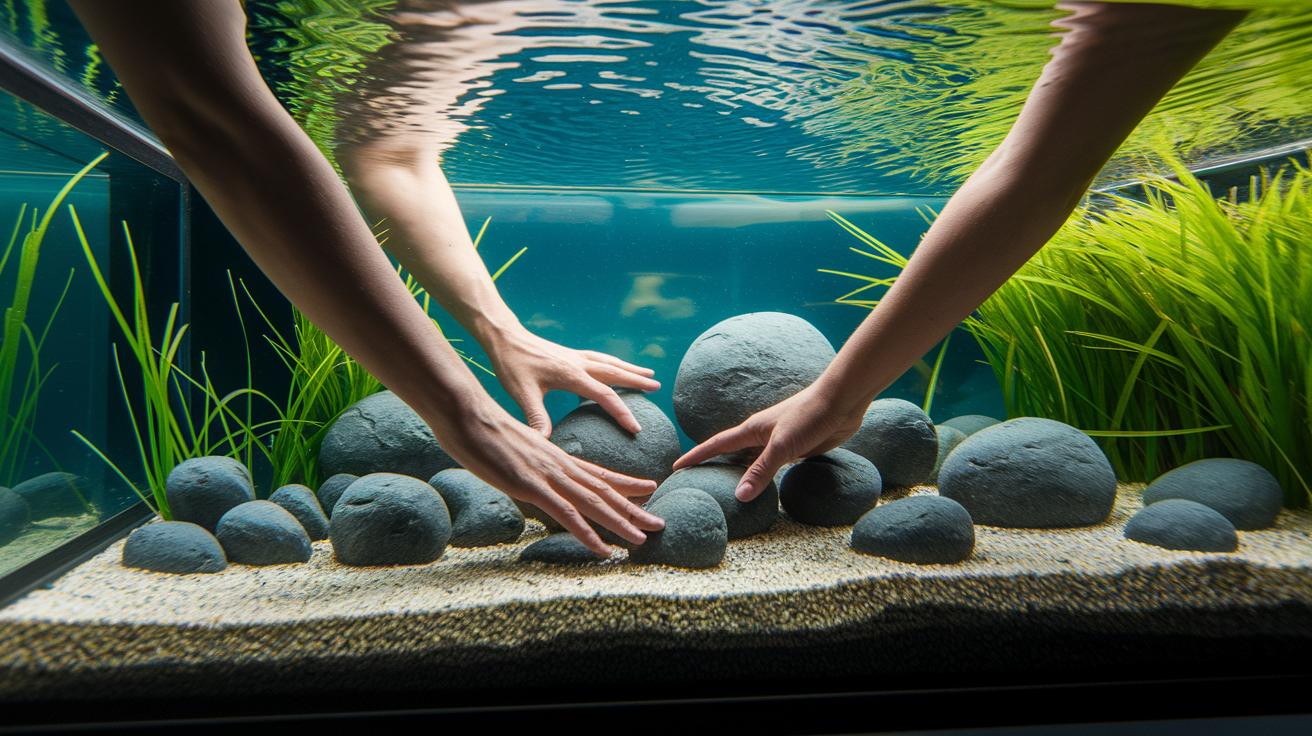
Sometimes a water change doesn’t go as smoothly as we plan, and little issues can cloud the water and upset your fish. It might feel like you’re disturbing a calm pond when the substrate gets tossed around. If the water turns cloudy, try refilling slowly so the sediment can settle and bring back that clear, peaceful look.
When decor gets knocked over, it can release algae spores into your tank. In these moments, gently remove those rocks, give them a quick clean and a short dip outside the tank, and then put them back in. It’s like giving your tank a mini spa day!
Sudden shifts in water pH or temperature can be really stressful for your fish. Keep a close eye on these numbers as you work, making small adjustments along the way to help your aquatic friends feel safe and comfortable.
Before you start a water change, always remember to unplug your equipment. This little step can save your pump or heater from damage, keeping everything running smoothly.
- Cloudy water from disturbed substrate: Slow down your refill process so the sediment can settle like gentle ripples on a calm pond.
- Flipped decor releasing algae spores: Remove and gently clean those rocks outside the tank, then return them once they’re refreshed.
- Fish stress from sudden water changes: Keep checking and adjusting the pH and temperature to help your fish feel safe.
- Equipment mishaps: Always unplug electrical gear before you start to avoid any damage to your pump or heater.
Remember, a little care and attention go a long way in keeping your tank a vibrant, stress-free home for your fish. Enjoy the process and happy fish-keeping!
Optimizing Aquarium Water Change Maintenance Workflow
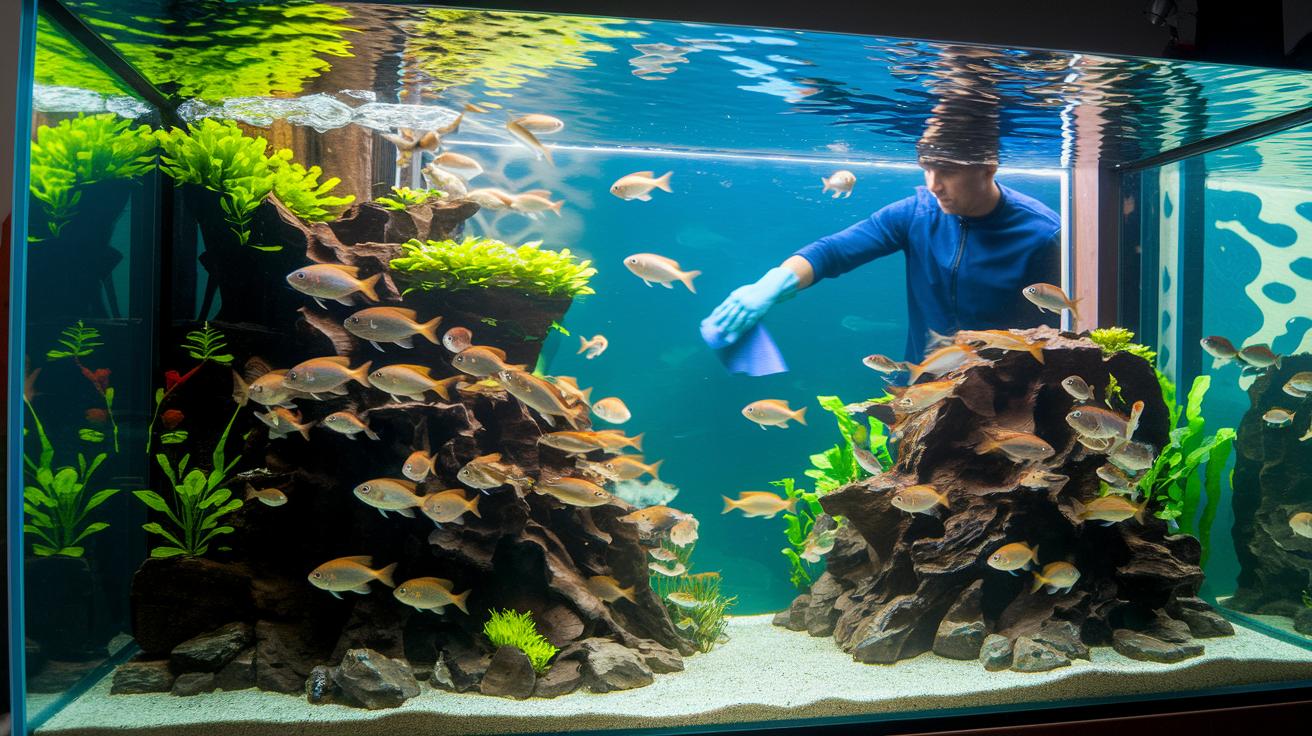
Imagine setting up your aquarium care routine like planning a fun day at the beach. Break your tasks into daily, weekly, and monthly bits so you never miss a spot. For example, each week you might clean the glass, use a gravel vacuum for a gentle 10–20% water change, and test the water’s basic levels. These easy steps help cut down on extra nitrates and keep your tank shining, just like a well-tended garden stays free of weeds.
Every week, take a moment to admire your tank’s clear water and watch for any changes in your fish’s behavior. Put together a short checklist: wipe down the glass, siphon away any debris, and run a quick test for pH, ammonia, nitrite, and nitrate levels. In time, you’ll see how simple care can help maintain a natural balance where good bacteria flourish and nitrates remain in check.
Once a month, add a few extra checks like rinsing or swapping out your filter media and doing a full inspection of all your equipment. This little extra effort makes sure your filters, heaters, and lights work nicely together. To keep you on track, try setting up reminders or marking your digital calendar. When your maintenance routine feels as smooth as a gentle current, you'll enjoy clear water and a healthy aquarium, all while keeping stress at bay for you and your fish.
Final Words
In the action, we walked through safe steps for performing aquarium water changes and keeping your tank healthy. We talked about using siphons, preparing water, and timing your refresh perfectly. Each step, from setting up your tools to troubleshooting common issues, helps maintain a clear and vibrant underwater space. Regular care makes it easier to keep your fish happy and your environment balanced. Enjoy every moment as your aquatic home becomes a true haven of calm and beauty!
FAQ
What do freshwater aquarium water changes involve?
The freshwater aquarium water changes involve routine partial water exchanges that clear out waste and debris. This makes your tank water clearer and supports the overall well-being of your fish.
How can I do a partial water change in my fish tank safely?
The method to perform a partial water change safely means siphoning 30–50% of the water, carefully cleaning any algae or debris, and refilling with water that’s been conditioned to match your tank’s temperature and pH.
How do I easily change water in a fish tank with a filter without harming my fish?
The process to change water in a tank with a filter means unplugging electrical components, gently removing water and debris with a siphon or pump-assisted tool, then refilling with slightly warmer, conditioned water to protect your fish.
How often should I change my aquarium water, especially with a filter?
The frequency to change your aquarium water typically means a 10–20% exchange weekly for most setups, though biweekly or monthly changes might work better depending on your tank’s size, stocking levels, and feeding habits.
How do I prepare replacement water for a fish tank water change?
The steps to prepare replacement water include filling a clean container, adding conditioners to neutralize chlorine, allowing it to aerate for about 15 minutes, and ensuring the temperature is within 2°F of your tank’s water.
Are water changes beneficial for an aquarium?
The benefits of water changes include enhanced water clarity, reduced waste buildup, and more stable water chemistry—all of which lead to a healthier environment for your fish.
How can I tell if my fish tank needs a water change?
The signs that your tank needs a water change include cloudy water, visible algae growth on glass and decorations, or rising nitrate levels indicated by your test kit, all pointing to compromised water quality.
What do online communities like Reddit say about aquarium water changes?
The shared advice on online forums usually stresses regular maintenance, using water change charts for guidance, and following proper conditioning techniques to consistently support a thriving and balanced aquarium.