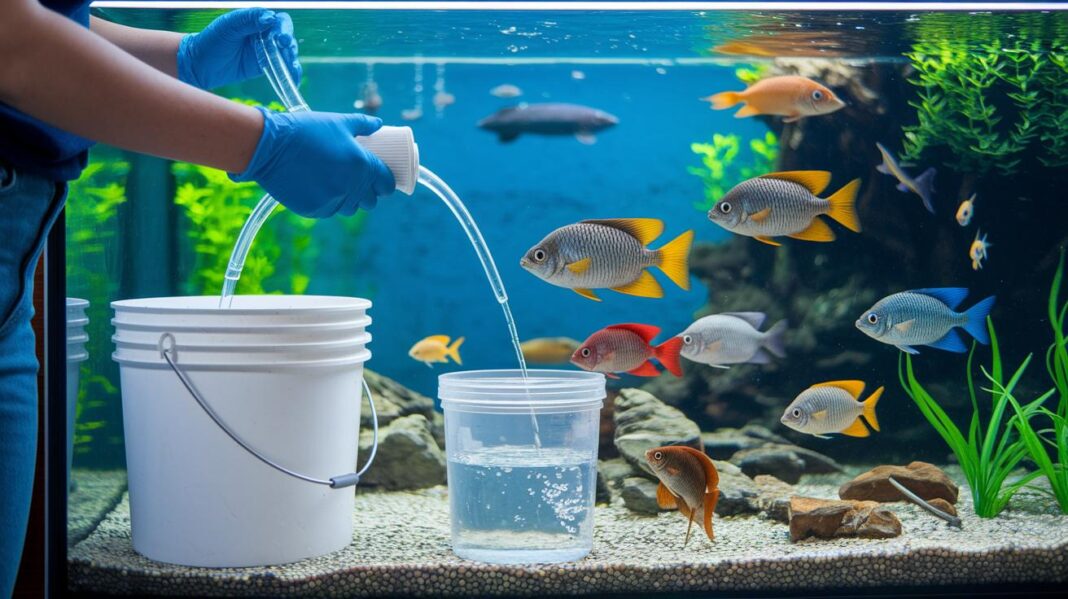

Ever thought that swapping out your tank water might be simpler than you expect? It’s a bit like giving your fish a mini spa day. When you gently replace the old water with fresh, well-temperatured water, your fish and plants feel safe and calm. In this guide, I share easy-to-follow steps that make water changes smooth and stress-free. Dive in and see how small adjustments can make your aquarium feel as vibrant as a crystal-clear pond.
Aquarium Water Changes: Complete Step-by-Step Procedure
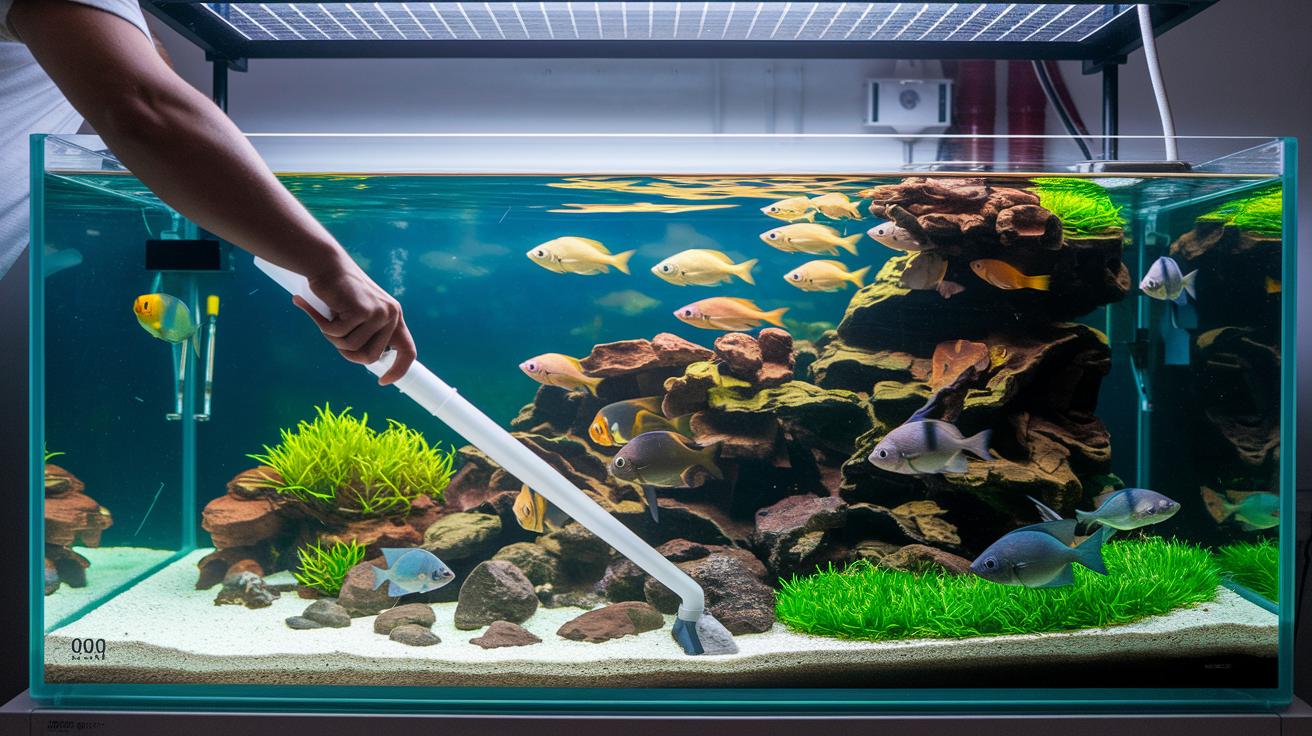
Keeping your tank water fresh is like giving your fish and plants a gentle spa treatment. Routine water changes help clear out harmful chemicals, unwanted algae, and extra waste that can cloud your tank. Fun fact: many aquarists find that a small temperature difference, about 5°F, between old and new water can really stress delicate fish. Matching the temperature keeps your aquatic pals comfy and safe.
Before you start, it's a good idea to be extra careful with all your tank equipment. Turn off your heater, filter, and lights so nothing gets damaged while you work. Use a siphon with a gravel cleaner to pull out debris hidden in the substrate, and gently scrub your tank walls and decorations with an algae pad. This not only tidies up your setup, but also gives you a chance to check that everything is running smoothly. Then, prep your new water by treating it with a dechlorinator and letting it warm up to your tank’s temperature. This simple step ensures a stress-free transition for your fish.
Here are five friendly steps to follow for a safe water change:
- Unplug your heater, filter, and lights.
- Clean the tank walls and decorations with an algae pad.
- Use a siphon to remove old water and debris from the gravel.
- Remove about 30-50% of the tank water.
- Refill with the pre-conditioned water and adjust the pH if needed.
By following these steps, you keep your underwater world balanced and thriving, making sure your fish and plants feel right at home.
Equipment and Tools for Aquarium Water Changes
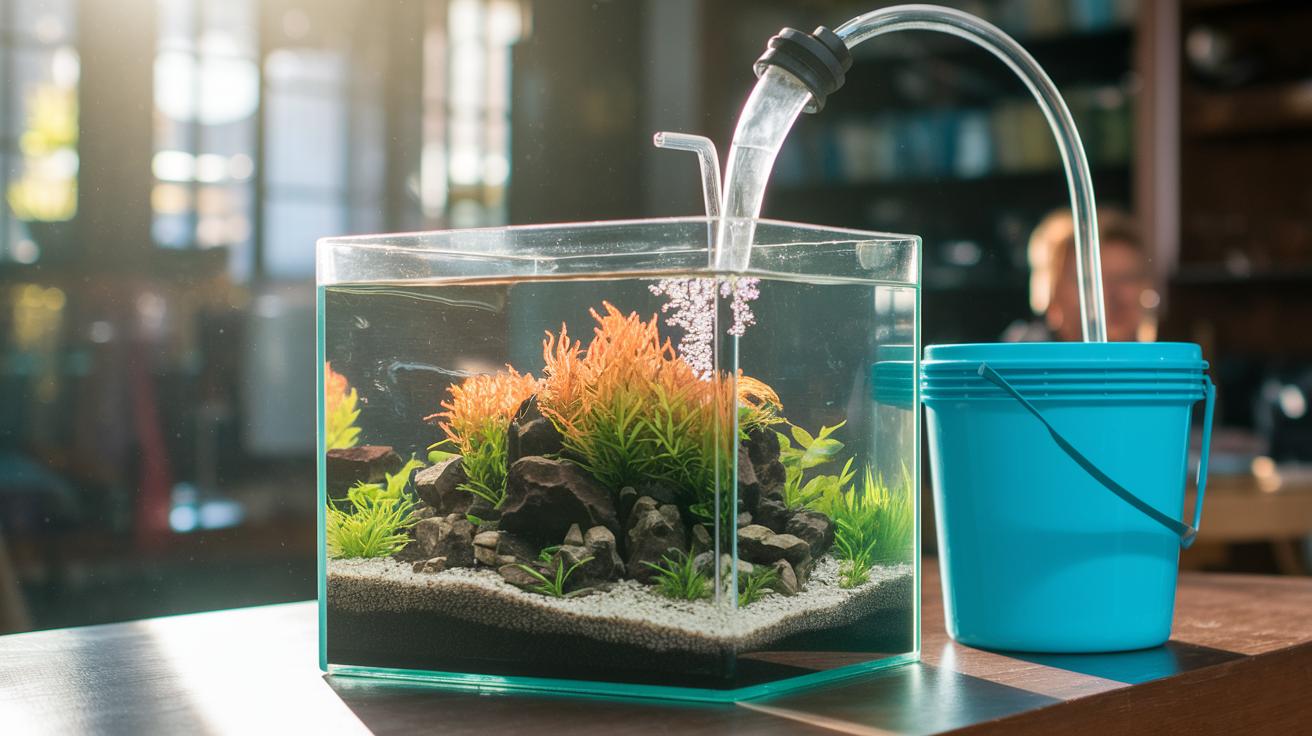
Refreshing your tank water is like giving your aquatic world a little spa day. When you have the right gear, the process feels as smooth as watching gentle ripples on a pond. Using a quality siphon tube helps you remove old water and sediment easily, while a sturdy bucket lets you collect and measure fresh water with care.
Next, keeping the water at the perfect temperature is crucial. A good heater teamed with a simple thermometer makes sure the new water matches your tank’s cozy climate. This helps your fish and plants stay calm and happy. An algae pad works wonders on tank glass and decorations by scrubbing away any buildup, keeping your underwater home sparkling.
Also, a reliable water conditioner is a must. It treats the new water by getting rid of chlorine and any other harsh chemicals that could disturb your live friends. When all these tools work in harmony, your water change routine feels almost relaxing, even if you’re new to aquarium care.
| Tool | Purpose |
|---|---|
| Siphon tube | Clears out old water and debris gently |
| Bucket | Holds water for easy measuring and disposal |
| Heater/thermometer | Keeps the water temperature just right |
| Algae pad | Scrubs away algae from the tank and decorations |
| Water conditioner | Removes chlorine and harmful chemicals from the new water |
For a deeper dive into all the tools you might need, check out this link: "essential tools for comprehensive aquarium maintenance" – https://sweetfysh.com?p=2360
Conditioning and Preparing Water for Aquarium Water Changes
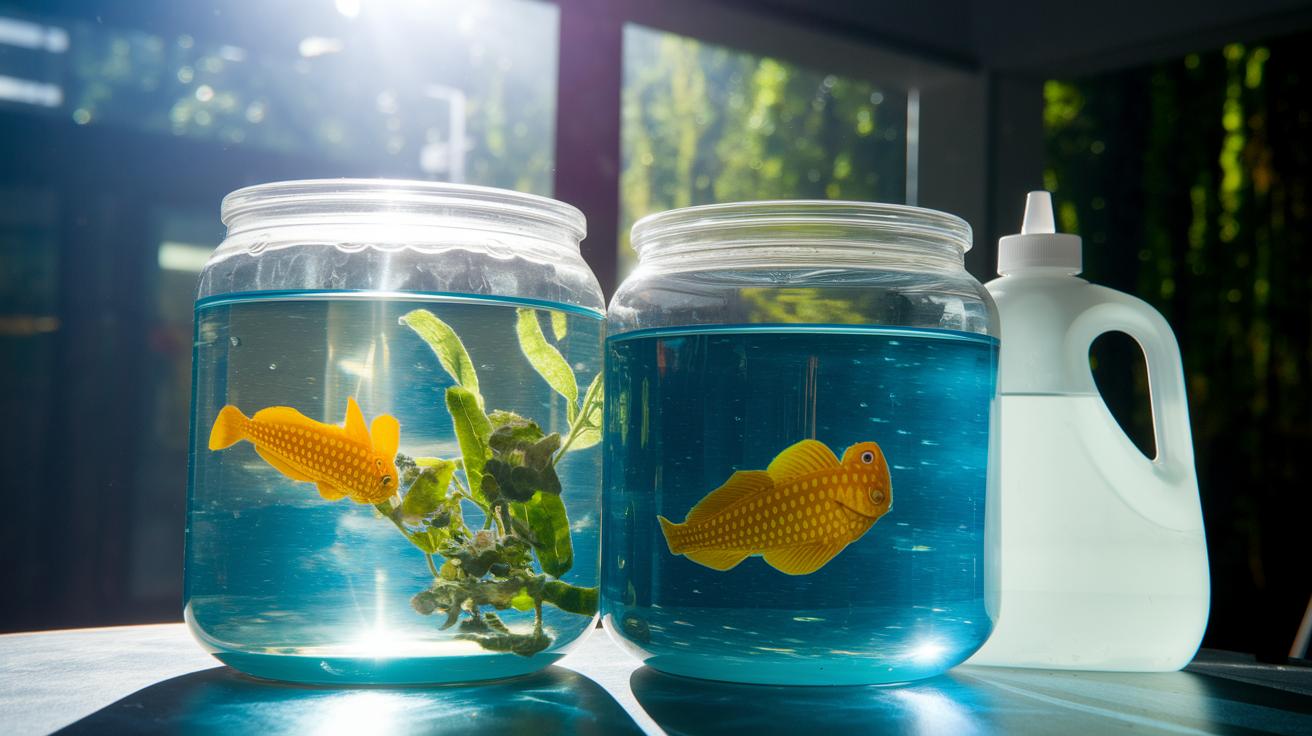
When you add new water to your aquarium, treat it with a tap-safe dechlorinator to remove chlorine, chloramines, and other harmful chemicals. It’s a lot like rinsing off a dish to wash away leftover soap.
Slowly warm the new water until its temperature matches your tank’s water. If you’re using reverse osmosis water, which has been filtered to remove minerals, be sure to add remineralization buffers to bring back those important minerals. Warming the water gradually, so the temperature difference stays below 5°F, helps keep your sensitive fish happy.
Pick a water conditioner that matches your tank’s needs and follow the dosing instructions carefully based on your tank volume. For instance, products like Aqua Plus, Seachem Prime, Nutrafin Cycle, or Seachem Stability can work well when measured precisely to keep your aquatic home balanced.
Optimal Frequency and Scheduling for Aquarium Water Changes
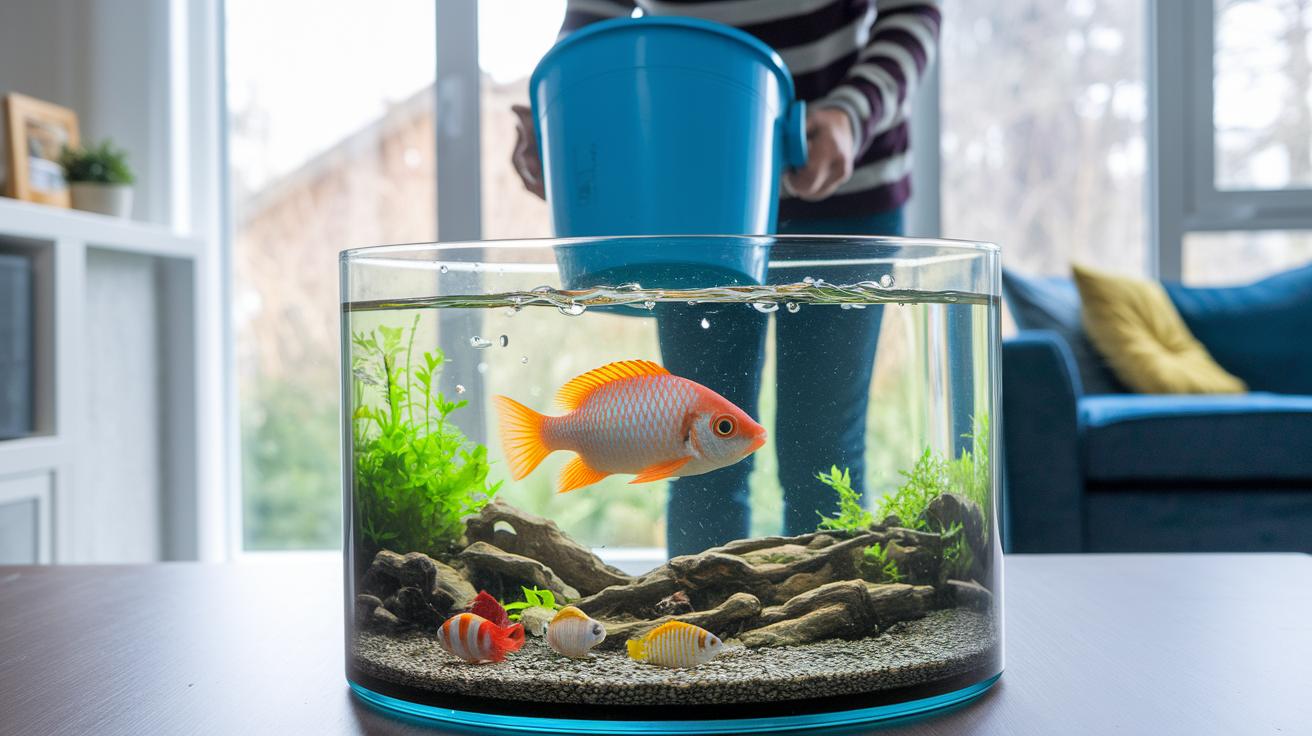
A steady routine for changing your aquarium water is key to keeping the tank lively and healthy. The size of your tank, how many fish you have, and the number of plants all play a role in deciding when to do a water change. For small tanks or those with lots of fish, doing a water change every week or two helps remove extra nutrients and pesky algae. For larger tanks with fewer fish, a monthly change might work just fine if you keep an eye on the water quality.
Using a simple schedule or even a water change calculator can make it easy to stick to a routine that works for your setup. I remember a friend who started using a little chart and soon saw fewer issues with cloudy water and algae when she switched to regular water changes.
Many fish keepers often choose partial water changes over full ones, because they freshen up the water without shocking the fish or stressing the plants. With a partial change, you usually replace about 30-50% of the water, which also helps with water that evaporates over time and makes topping up easy when needed. On the other hand, a full water change is best when there’s a lot of buildup or unwanted chemicals, so it’s done less often but can be really important for cleaning up a tricky situation.
Troubleshooting Aquarium Water Changes: Common Issues
When you're swapping out tank water, things can sometimes get a little off track. Maybe the new water feels too cold or too warm, and that sudden change can stress out your fish. Extra nutrients can make the water look cloudy or even cause algae to spike. Plus, quick shifts in pH or nitrogen levels might leave your finned friends feeling uneasy. So, if you notice a small change in water clarity or fish behavior, it could be time to take another look at your water change routine.
Handling Temperature Differences
Making sure your new water is close in temperature to what's already in the tank is a must. Think of it like not wanting your tea too hot or too cold when you're ready to sip. Using a reliable heater and a good thermometer helps ensure the temperatures match up nicely. Fun fact: some aquarists have found that even a 5°F difference can unsettle tiny species like dwarf shrimp. Taking a few extra minutes to check the water’s warmth means less stress and a smoother transition for your aquatic pals.
Preventing Algae and Cloudy Water
Keeping your tank water crystal clear means managing the nutrients that feed algae growth. Regular partial water changes help dilute those extra nutrients, much like cleaning a window to see the view better. You can also limit the light exposure a bit and sometimes use algae-safe treatments to keep everything in balance. A little consistent upkeep goes a long way in keeping your tank as vibrant and clear as a sparkling pond.
Automation and Advanced Techniques for Aquarium Water Changes
Tech tools these days are like a friendly helper that makes water changes easier and smoother than ever. Automated systems work hand in hand with clever water exchange methods to keep your tank thriving. Picture a setup that precisely adds chemicals or conditioners as it refills your aquarium, it's like watching little ripples align perfectly. With smart sensors checking things like pH and temperature, you know your water stays balanced. These intuitive systems let you set a routine so you have more time to enjoy your underwater friends instead of worrying about maintenance.
At the same time, it's good to think about the cost and setup of these tools. High-end pumps and exact water measurement tricks deliver top-notch performance but might call for a bit more investment and know-how. Finding the right balance for your tank's needs is key to smooth sailing without any unwelcome surprises. If you're ready to upgrade your aquatic world, check out upgrading to smart aquarium equipment: a complete guide for more tips and insights.
Final Words
In the action, we walked through every step of maintaining a lively tank, from unplugging gear and cleaning surfaces to careful water replacement and conditioning. We explored the right tools for a refreshing clean and shared scheduling tips to keep your water pristine. We also touched on solving common issues and even looked at tech-savvy ideas for a smoother process. All these clear tips show you how to do aquarium water changes while keeping your underwater home vibrant and healthy. Enjoy caring for your aquatic world!
FAQ
How do I safely perform a partial water change in my fish tank?
Safely performing a partial water change means removing 30–50% of old water after unplugging your equipment, gently siphoning water, and refilling with pre-conditioned water at a matching temperature.
How do I change water in my fish tank without harming fish?
Changing water without harming fish involves carefully removing a portion of the tank water, using a siphon to clear debris, and adding dechlorinated water that matches the tank’s temperature to avoid shock.
How do beginners easily perform aquarium water changes?
Beginners can easily manage water changes by unplugging gear, cleaning surfaces, siphoning old water, and replacing 30–50% of the water with dechlorinated, temperature-matched water.
How should I change water for my goldfish aquarium?
Goldfish tanks thrive with regular partial water changes; remove 30–50% of the water and replenish with clean, dechlorinated water to reduce toxins and keep them healthy.
How do I prepare new water for a tank water change?
Preparing new water means treating tap water with a water conditioner to remove chlorine and matching its temperature closely with your tank’s water for a smooth transition.
How often should I perform water changes in my aquarium?
Most aquariums benefit from partial water changes on a weekly to biweekly basis, though adjustments may be needed based on tank size, fish load, and plant density.
Do I need to remove fish during a water change?
Generally, you don’t need to remove your fish when performing a standard water change, as long as you follow proper procedures that minimize stress and maintain consistent water conditions.