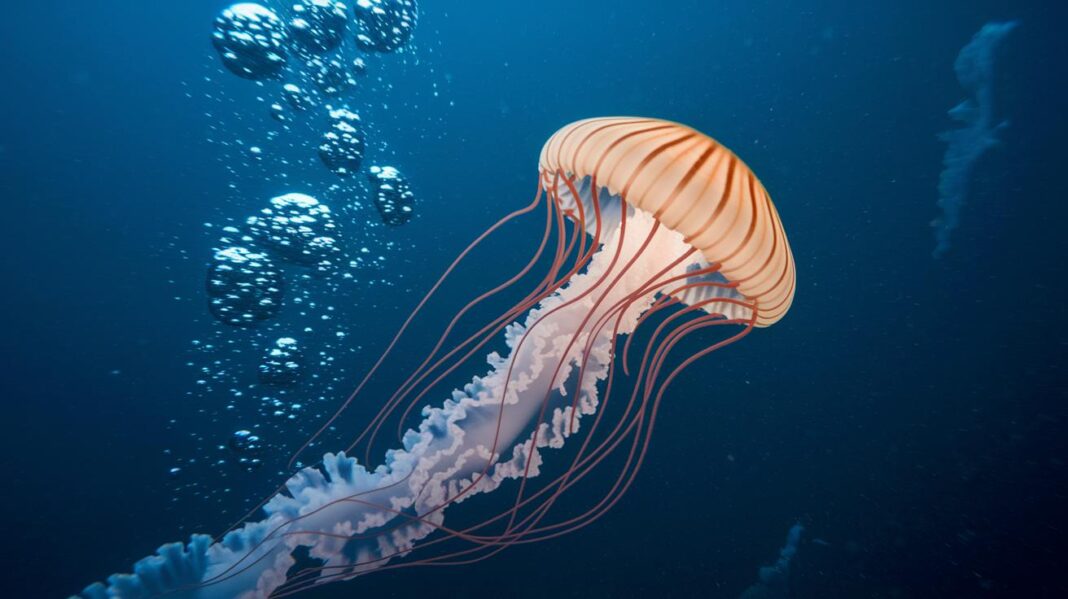

Have you ever thought that darkness might hide a secret light show? Deep beneath the waves, some sea creatures create a gentle glow, reminding us of tiny stars sparkling on a dark night.
These creatures mix special chemicals inside them to light up their surroundings. They use their soft, natural light to help find food, call a mate, and even avoid danger. It’s amazing how this glow isn’t just for looks, it’s a smart trick they use to survive in the deep, mysterious ocean.
Deep Sea Bioluminescence: Mesmerizing Underwater Brilliance
Deep sea bioluminescence is like nature's own underwater light show. It happens when chemicals in sea creatures mix together to create a soft, magical glow. The key players here are luciferin and luciferase. Think of luciferin as the light-maker and luciferase as the helper enzyme that speeds up the glow, with a little help from oxygen. This gentle light isn't just for show, it helps these creatures find mates, search for food, and hide in the deep, dark water. It's a survival trick as essential as your favorite nightlight.
Marine researcher Edith Widder has dug deep into this glowing mystery. She’s shown us that even in the pitch-black ocean, living creatures use these little light bursts to chat with each other and hunt for dinner. Imagine if, before the ocean sprawled with vibrant colors, deep sea life had only these cool blue-green flashes to stay in touch. Her findings remind us that bioluminescence is more than just beautiful, it’s a life-saving signal in an almost alien world.
This gentle glow acts as a guide, turning the dark ocean floor into a shimmering, living world. The chemical dance that powers this light is as amazing as it is complex, proving that even where sunlight quivers out, nature still finds a way to shine.
| Key Component | Description |
|---|---|
| Luciferin | A molecule that gives off light when it reacts |
| Luciferase | An enzyme that helps speed up the glowing reaction |
| Oxygen | The element that kicks the chemical process into gear |
Mechanisms of Marine Bioluminescence in the Abyss
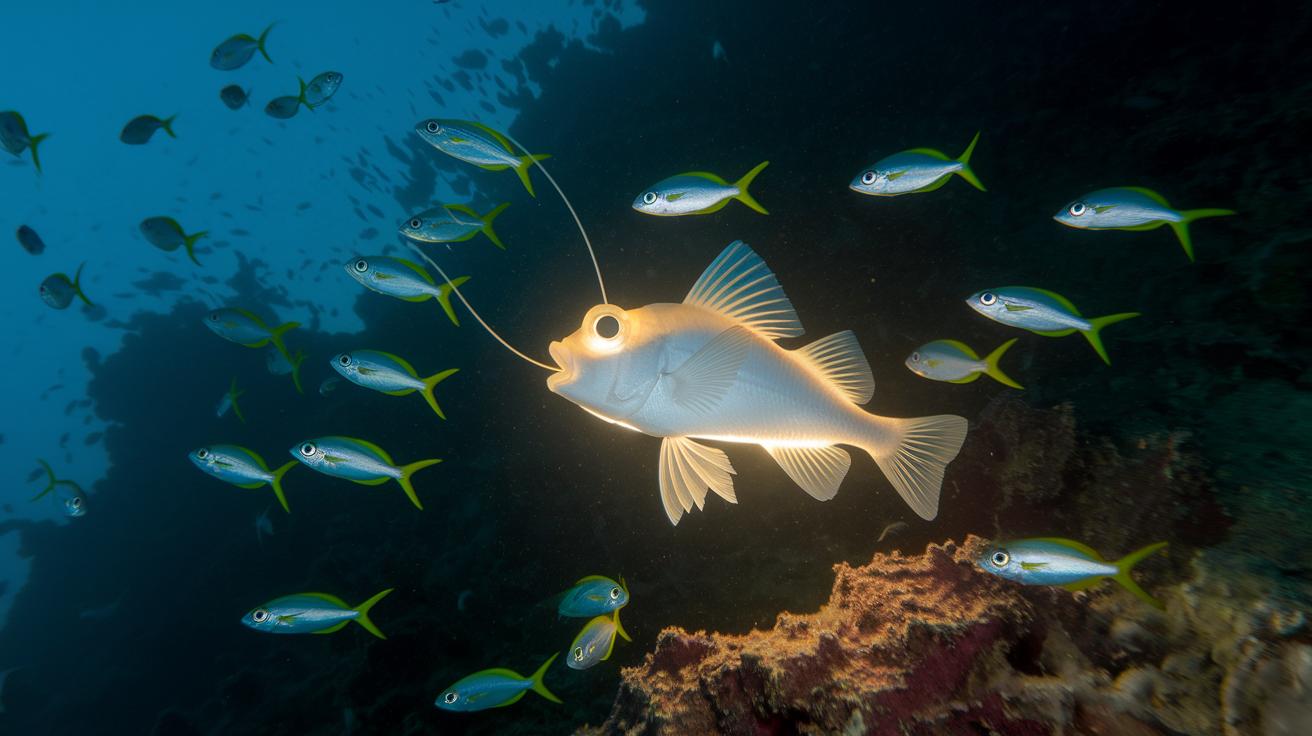
Down in the deep ocean, many creatures use a unique chemical trick to light up the dark. They rely on two special chemicals: luciferin, which creates light when it touches oxygen, and luciferase, which speeds up this glow. Imagine it like flicking a tiny light switch each time these ingredients mix – a small burst of magic that brightens up the deep.
Some creatures use extra proteins that act like little timers to control just how long that flash lasts. Their nerve signals work like tiny conductors, directing exactly when the light should burst forth. Sometimes, the light is so quick you barely notice it, while other times it glows a bit longer to help call a mate or confuse a would-be predator.
The color of these flashes is another neat detail. Most of the light comes out in blue or green hues, because those colors travel the furthest in water. Red, on the other hand, fades almost instantly deep below the waves, so blue and green really stand out in the vast darkness.
This delicate balance helps these creatures chat, find a partner, or even hide when danger is near. Each flash is a perfectly timed and clever tool, turning the deep sea into a world of wonder, where even a simple glow can make a big difference.
Oceanic Luminous Creatures: Key Bioluminescent Species of the Deep
Deep in the watery world between 1,000 and 3,000 meters, wonderful creatures light up the dark like tiny underwater stars. One cool example is a shrimp that sprays out glowing chemicals when it feels threatened. This special flash can blind its enemy for a few moments, almost like a mini fireworks show that gives the shrimp a chance to swim away safely.
Another fascinating friend of the deep is the anglerfish. It has a glowing lure that hangs in front of its face, almost like a little fishing light. The static glow invites smaller fish over, and before they know it, they get caught. Imagine a dim, steady light floating in the dark water, drawing in curious prey like a warm invitation.
Then, there are the comb jellies that add a beautiful array of colors deep below. Their bodies shimmer with blue, green, and soft pink lights, created by tiny organs along their comb-like rows. As they glide through the water, their gentle pulses of light look like a natural dance, soothing and mesmerizing, much like watching sunlight ripple on the water.
Every one of these creatures has its own unique way to produce light. The shrimp uses a burst of glowing chemicals, the anglerfish carries a built-in light lure, and the comb jellies display a graceful stream of colors. These clever adaptations not only make the deep ocean a magical place but also help them survive in the endless night.
Predator-Prey Glow Interactions in Deep Sea Environments
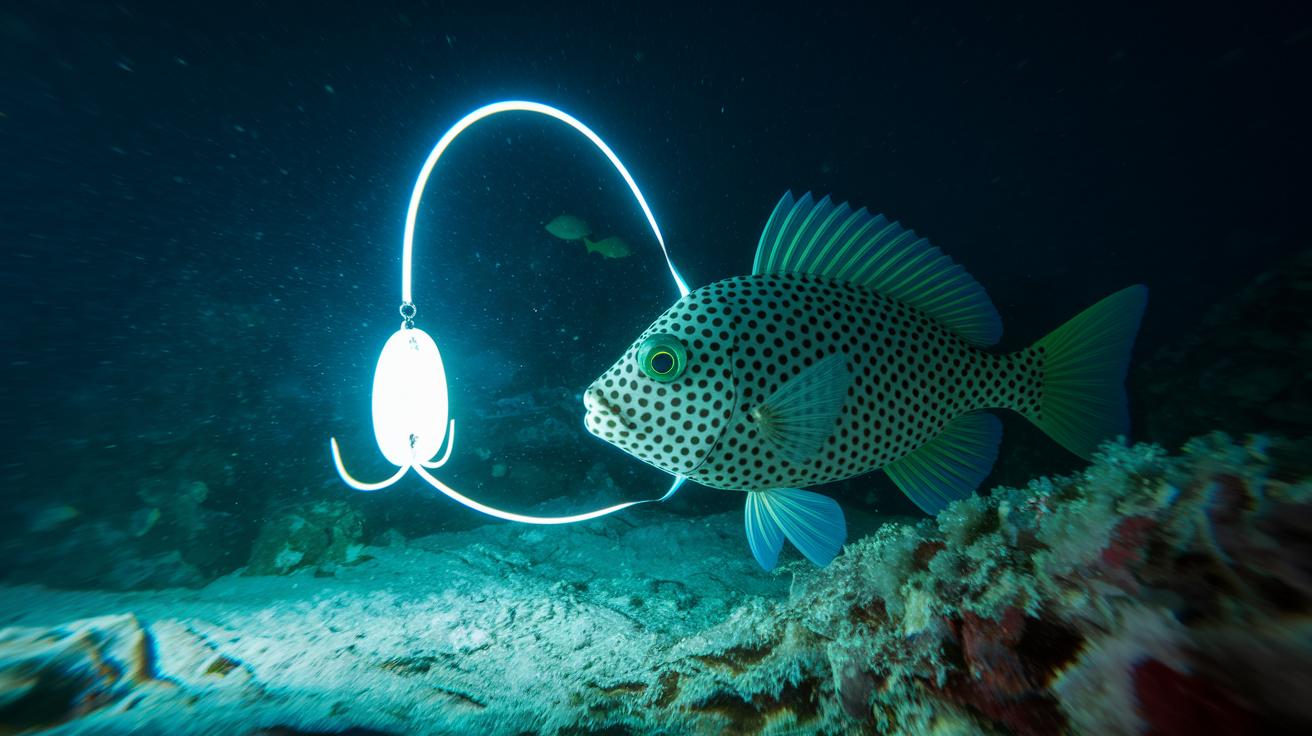
Deep in the inky depths, life has learned to use light like a secret language. Creatures here turn a tiny glow into a clever tool for finding dinner and evading danger, like a playful dart that dances in the dark waters.
Consider the anglerfish. Its glowing lure works like a little neon sign in a pitch-black alley, drawing in unsuspecting prey. I’ve always been amazed at how this gentle light not only attracts food but also lets the anglerfish sneak up silently, almost like nature’s own magic trick.
Then there are squids and certain fish that use a neat trick called counter-illumination. They have tiny light spots on their bellies, called photophores, that mimic the glow from above. Picture a squid blending into the shimmer of the water, almost vanishing and leaving predators totally confused.
And let’s not forget some shrimp. When they sense danger, they release a quick burst of light, a flash that looks like an instant screen. It blinds would-be attackers for just a moment, giving these little shrimp a chance to dart away to safety.
Every one of these glowing strategies shows how deep sea creatures use their own light to survive. Even in the darkest waters, a little sparkle can be a lifesaver.
Evolutionary Adaptations and Bioluminescent Features in Deepwater Life
Deep in the ocean’s dark zones, life finds clever ways to light up its world. Creatures have mastered the art of glowing by placing tiny light organs, called photophores, so they can blend in, signal to friends, or even lure in a meal. It’s like watching nature set up a gentle underwater light show, where every flash or steady glow is carefully planned for survival.
Research shows that many of these deep-sea animals share similar light-producing enzymes even when they aren’t closely related. It’s nature’s way of saying, “If it works, stick with it,” leading to what we call convergent evolution. Think of it as different musicians using the same melody to create a beautiful underwater symphony.
Here are some of the cool ways these creatures shine:
| Feature | Description |
|---|---|
| Light Intensity | They use just the right brightness to beat the dark. |
| Photophore Arrangement | Clever placement helps with secret signals and attracting prey. |
| Lighting Mode | Switching from quick flashes to a continuous glow to keep sending messages. |
Every glowing trait is a small win in the regular battle for survival. It’s fascinating to see how life in the deep not only adapts to its dark surroundings but also turns them into a stage for nature’s own light display.
Research Advances and Environmental Threats to Deep Sea Bioluminescence

Recently, ocean explorers have been uncovering the magic hidden deep below the surface. Guided by marine enthusiasts like Edith Widder, researchers have sent out remote-controlled vehicles to capture the brief, twinkling lights of deep sea life. One unforgettable moment came when a robot’s camera caught a flash that reminded everyone of a firefly’s sparkle in a quiet, moonlit forest.
These journeys have helped scientists map out special glowing areas where light-making creatures gather, much like a cluster of stars in the night sky. They carefully note every detail, from the exact spot of a flash to its timing. Even small shifts in water temperature or changes in chemicals can alter these brilliant displays, hinting at bigger changes happening in the underwater world.
Yet, as our knowledge of these wonders grows, human activities are dimming the light. Practices like trawling and oil drilling are damaging these gentle underwater neighborhoods. Picture your favorite peaceful fishing spot suddenly overwhelmed by noisy, heavy machinery, that’s the kind of disruption deep sea habitats are facing. Losing these safe havens could mean that the natural light shows, perfected over thousands of years, start to fade away.
Scientists are urging us to protect these underwater marvels. They remind us that when the delicate balance of an ecosystem is upset, it’s not just one creature that loses its sparkle, it’s the whole interconnected tapestry of life that is affected.
| Key Observation | Detail |
|---|---|
| Deep-sea Expeditions | Using remote vehicles to capture fleeting, magical glows |
| Hotspot Mapping | Finding places where light-making creatures gather in vibrant clusters |
| Habitat Damage | Trawling and oil drilling disturbing these delicate, glowing communities |
Final Words
In the action of deep sea bioluminescence, we covered how natural light comes from a chemical dance that helps fish with mating, hunting, and hiding in dark waters. We looked at how unique creatures, from anglerfish to comb jellies, use these flashes to survive and connect with their world.
We also talked about the smart changes and current studies that shed light on these underwater displays. It's clear that deep sea bioluminescence keeps our underwater home fascinating and full of wonder.
FAQ
What are some deep-sea bioluminescent animals and facts?
Deep sea bioluminescence includes fish like anglerfish, shrimp that eject glowing clouds, and comb jellies. These animals use a light-producing chemical reaction to help catch food, hide from predators, and attract mates.
What are examples of bioluminescent plankton, algae, and jellyfish?
Bioluminescent plankton, algae, and jellyfish are shining examples of nature’s glow. They create natural light shows in ocean waters, sometimes helping species hide or lure prey.
Is there bioluminescence in the deep sea?
Deep sea bioluminescence is seen in many organisms living in total darkness. They produce light to aid in mating, foraging, and defending against threats where sunlight cannot reach.
Where can I see bioluminescence in the USA?
You can see bioluminescence in spots like Puerto Rico, Florida, and Texas where glowing bays are common. Local tours on clear, calm nights let you witness this natural light show.
Can you swim in bioluminescence?
Swimming in bioluminescence means entering waters lined with glowing organisms. Many guided tours offer safe experiences in bioluminescent bays where you can enjoy the delightful natural glow.
How rare is it to see bioluminescence?
The rarity of witnessing bioluminescence depends on the location and conditions. It is common in special bays but less frequent in the open ocean, making each encounter a special gift from nature.