Ever noticed how the sea hides surprises behind its beautiful face? Beneath the gentle ripples, the ocean shelters creatures that are both stunning and a little dangerous. From jellyfish that can deliver a sting in an instant to clever sharks that move with a quiet power, these animals can change your day before you know it.
I find it fascinating how nature mixes beauty with a hint of risk. Sometimes, a glimpse of these creatures leaves you in awe, yet a bit cautious too. So, why not dive into the fascinating, dual world beneath the waves with me?
Definitive Ranked List of the Top 10 Most Dangerous Sea Creatures
We've all heard tales of the deep, mysterious sea, but some creatures are dangerous in ways that go beyond just looking fierce. This list mixes science with real stories of encounters, showing you which underwater hunters deserve our extra caution.
We start with critters whose venom can hit fast, sometimes stopping your heart or pinching you into paralysis, all while inspiring a mix of wonder and wariness.
-
Australian box jellyfish
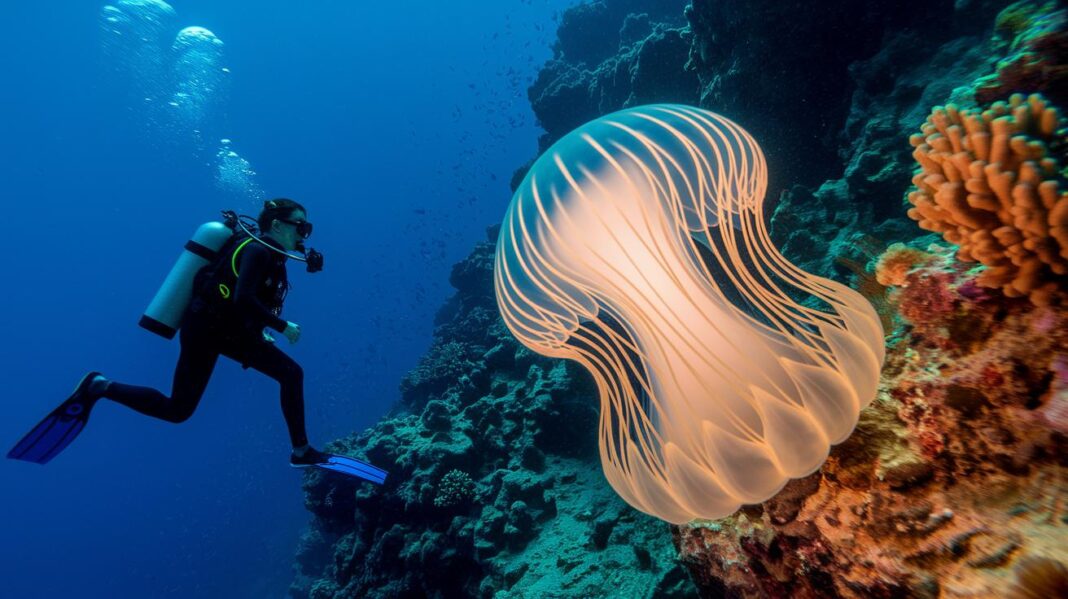
Imagine tentacles stretching up to 3 meters. This jellyfish packs a neurotoxic venom that can shut down a heart in minutes. It’s a real threat in Northern Australia and Southeast Asia, with more than 60 lives lost. -
Blue-ringed octopus
Don’t let its small size fool you. This little octopus carries a poison called tetrodotoxin that can numb your body and make it hard to breathe, with no known cure for its bite. -
Stonefish
Often hidden among the shallow reefs of the Indo-Pacific, this creature hides 13 venomous spines on its back. A sting from one can bring on severe pain, tissue damage, and even heart problems. -
Geography cone snail
This tiny shell is far from harmless. It has a sharp, harpoon-like tongue that shoots out deadly poisons called conotoxins. A sting might start with a tingling numbness that quickly turns to paralysis. -
Dubois sea snake
Although bites from this snake are rare, when they happen the poison can be very strong. A delayed treatment could mean severe trouble. -
Lionfish
Originally from the Indo-Pacific and now also roaming the Caribbean, lionfish sport spines loaded with venom. A sting from one can cause extreme pain and even short-term paralysis. -
Great white shark
Roaming temperate coastal waters, these sharks have powerful jaws. Historians note around 300 unprovoked encounters since 1580, reminding us why they keep our respect from afar. -
Tiger shark
A curious feeder in tropical waters, this shark adds up to about five fatal encounters each year. Their interest in almost anything makes every encounter unpredictable. -
Bull shark
Living in both freshwater and saltwater, bull sharks are known for their unpredictable behavior near shorelines. Their adaptability makes them a top threat in the water. -
Saltwater crocodile
These stealthy hunters can grow as long as 7 meters. Their deadly ambush tactics lead to more than 100 human deaths every year, making them a constant reminder to be careful.
Always keep an eye out and follow local safety tips when you find yourself near these powerful ocean dwellers. Stay alert and enjoy the beauty of the sea safely.
Behavior, Conservation, And Risk Prevention For The Top 10 Sea Creatures

We’ve taken a deep dive into the wild world of these sea creatures by looking at how they act, where they call home, and smart tips to keep you safe when you’re near them. It’s like watching the gentle ripple of water on smooth stones, we get to admire their beauty while learning how to coexist safely. Below is a neat table that sums up each creature’s typical behavior or habitat, their conservation status, and a friendly tip to help reduce any risk when you’re around.
| Species | Key Behavior/Habitat | Conservation Status | Risk Prevention Tip | |||||||||||||||||||||
|---|---|---|---|---|---|---|---|---|---|---|---|---|---|---|---|---|---|---|---|---|---|---|---|---|
| Australian box jellyfish | They float along with long tentacles in the shallow coastal and nearshore waters of Northern Australia and Southeast Asia. | Generally stable, though water quality changes can affect them. | Stay out of the water during
Venom and Toxin Mechanisms in Perilous Waterborne HazardsMany sea creatures release toxins that work quickly through chemical processes. Their venom latches onto nerve cells or blocks pathways that let signals pass, much like a broken bridge stops cars from crossing. For example, the box jellyfish sends out toxins that block sodium channels on cell walls, which can cause a sudden stop in the heart. The blue-ringed octopus even makes a poison called tetrodotoxin that attaches to those channels and stops nerve signals. In simple terms, think of it like a door locking in a busy hallway. The stonefish hides its venom in its spines. When this venom is released, it interferes with nerve signals, bringing on severe pain and damaging the tissue. Similarly, the geography cone snail produces toxins that block calcium channels, which can cause numbness and fast paralysis. The Dubois sea snake has powerful toxins that attack nerve receptors directly, weakening muscles so quickly that immediate care is vital. And then there is the lionfish, whose venom from its fin spines turns on pain receptors and disrupts nerve messages, causing sharp pain and temporary paralysis.
Getting medical help right away is very important if you suspect any exposure. Quick treatment can make a big difference in preventing serious harm. Behavior and Habitat of Notorious Deepwater Hunters
Great white sharks are still famous for their sneaky ambushes near the water’s surface in cool coastal spots. Recent observations show they might be timing their attacks with the changing light each season. Imagine a quiet dawn when a great white glides silently towards a sunlit seal, taking full advantage of the low light. Tiger sharks, found in tropical waters, continue to be curious and versatile feeders. New insights suggest they might turn to scavenging a bit more when the waters warm up. This extra food opportunity gives them a fresh way to explore their surroundings. Bull sharks are impressively adaptable. They live in everything from brackish estuaries to the open sea and show some unpredictable, territorial behavior. New field notes reveal that even small shifts in water temperature can change how they move throughout the year, adding even more detail to their reputation for strength. Saltwater crocodiles, known for their stealth in estuarine areas, are also changing their ways. In places with more human activity, recent data shows these reptiles might adjust their ambush tactics when water clarity or local disturbances shift. This reminds us to be extra careful when their habitats overlap with busy human areas. Fatal Encounter Records of Deadly Underwater BeastsRecords of deadly underwater encounters show how different regions and times have handled threats from the deep. In cooler coastal waters, great white shark attacks have been noted since the 1500s, while warm tropical seas still report fatal encounters with tiger and bull sharks. In Australia and Southeast Asia, people continue to face dangerous runs-ins with box jellyfish, and many coastal estuaries see repeated problems with saltwater crocodiles. Looking at the data, it’s clear that it’s not just the numbers that tell the story, factors like water clarity and human activity also play a big role. Looking back at history helps us understand these trends even more. For instance, the 1985 incident at a popular beach in Northern Australia, where a quick toxin release from a jellyfish caused several deaths, and an early-20th century great white shark attack both led locals to change their safety practices. Really, the differences between regions show us how the environment and human behavior have always been closely linked. Coexisting with Menacing Saltwater Fauna: Conservation and Safety Considerations
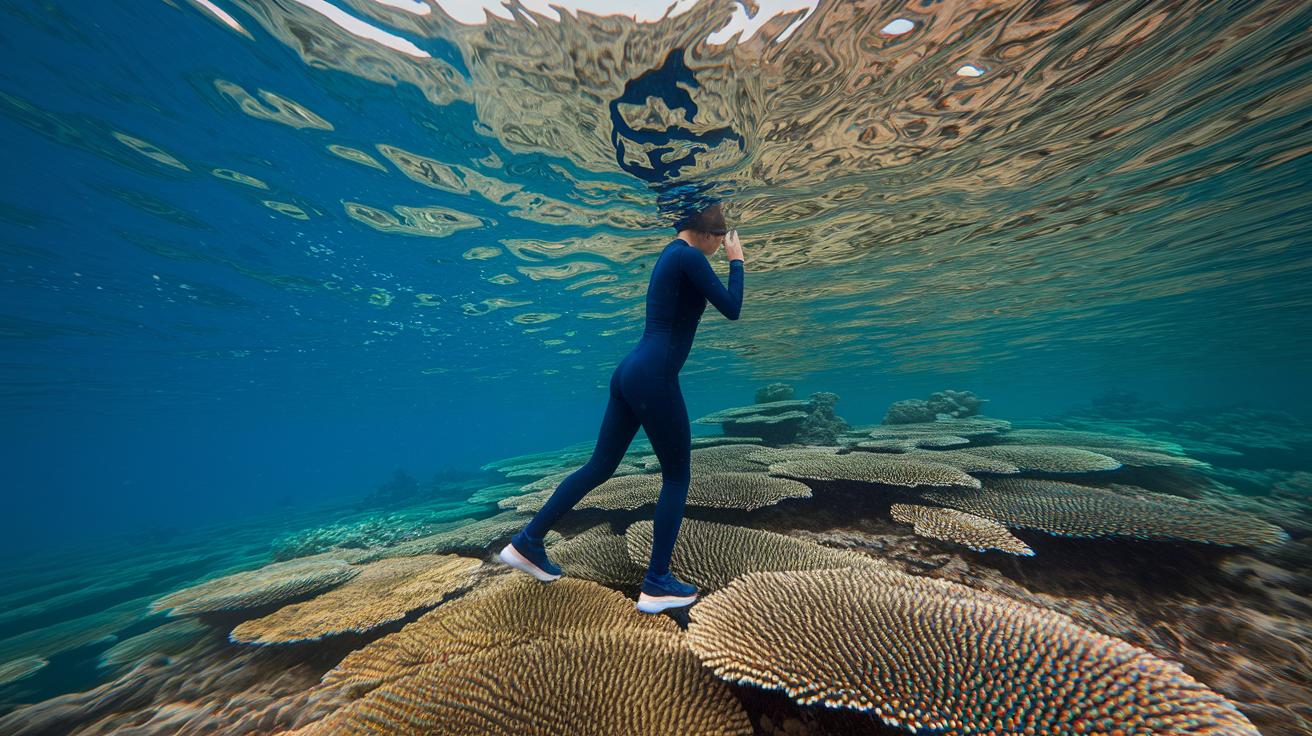
High-risk creatures like box jellyfish, sea snakes, and reef predators are under threat from habitat loss, pollution, and changing climates. Local coastal programs work hard to protect spots like coral reefs and even set aside special areas for sea snake breeding. In some places, community groups have come up with gear suggestions, think water shoes and long-sleeved swimwear, to keep visitors safe. For example, one site even offers kits with mesh netting to help prevent accidental contact when swimming near sea snake zones. Being safe isn’t just about staying at a distance or reading a sign. It means using the right gear for the specific area and paying attention to local safety advice. In spots where box jellyfish are a concern, people now sometimes wear special clothing that cuts down the risk of stings. Simple steps like these not only protect us, but they also help keep marine life safe and support sustainable conservation efforts. Final WordsIn the action, this post took you through a close look at ranking and understanding underwater hazards, from venomous spines to stealthy strikes. We shared clear details about behavior, water care, and safe practices while highlighting key facts about the most dangerous sea creatures. The discussion mixed careful tips with vivid marine snapshots, showing how even risky species can teach us to respect and safeguard their watery world. Keep your passion alive and your tank pristine, enjoying the vibrant life hidden under the waves. FAQWhat are the top dangerous sea creatures?The top dangerous sea creatures include species like the box jellyfish, stonefish, blue‐ringed octopus, tiger shark, bull shark, great white shark, and saltwater crocodile. They are ranked by venom strength, attack records, and natural defense. What is the deadliest sea creature?The box jellyfish holds the title as one of the deadliest sea creatures, with potent neurotoxic venom that can trigger cardiac arrest within minutes, making it extremely dangerous in shallow coastal waters. What is known as the strongest sea creature?The great white shark is celebrated as one of the strongest sea creatures due to its powerful jaws, impressive size, and a history of unprovoked attacks that underscore its dominance in the ocean. What are some extinct dangerous sea animals?Some extinct dangerous sea animals are known from fossil records and include species that once displayed formidable defenses and lethal characteristics, relying on paleontological research for insights into their impact. What makes some sea creatures both beautiful and deadly?Some sea creatures, like the box jellyfish and lionfish, display attractive colors and intricate patterns while packing potent venom. Their beauty belies the hidden risks they carry in underwater habitats. What are examples of dangerous species like the box jellyfish and stonefish?Dangerous species such as the box jellyfish, stonefish, and blue‐ringed octopus use powerful toxins and stealthy defense tactics to deter threats, making them formidable in their underwater environments. How does the saltwater crocodile compare to other marine predators?The saltwater crocodile stands out among marine predators with its massive size and ambush tactics. Its presence along shorelines and aggressive nature make it one of the ocean’s most feared hunters. What is the significance of toxins in dangerous sea creatures?Toxins in dangerous sea creatures, such as tetrodotoxin in the blue‐ringed octopus or conotoxins in cone snails, rapidly interfere with nerve signals, causing paralysis or worse while serving as a strong natural defense. What safety tips should be considered when encountering dangerous sea creatures?Basic safety tips include heeding local warnings, avoiding areas with high creature activity, and using protective gear when wading near coastal waters. Respecting these animals and their habitats can reduce overall risks. |