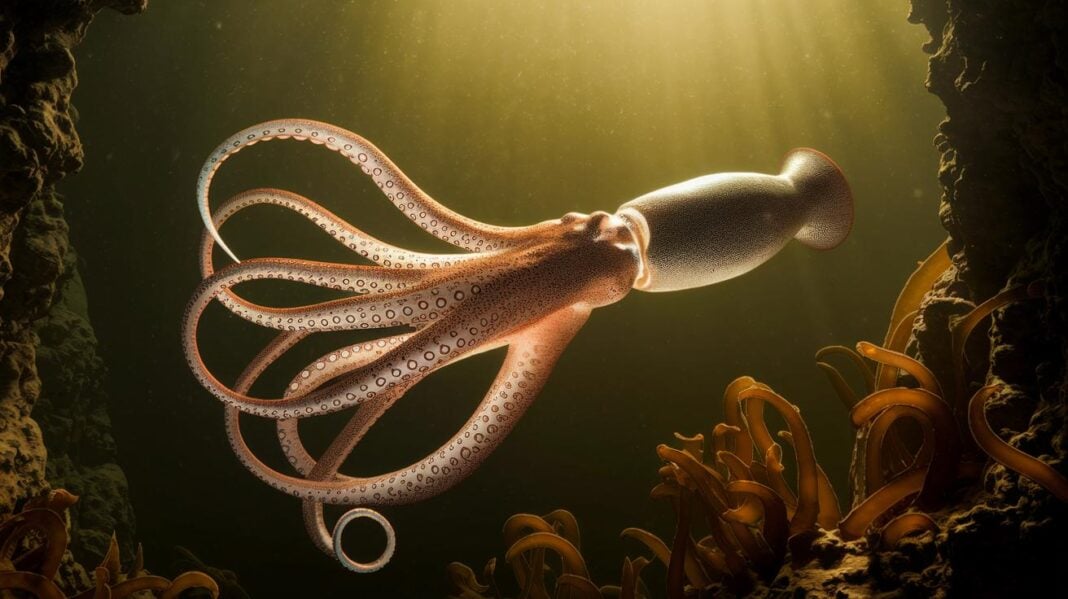

Have you ever wondered if mysterious giants really swim in our deep oceans? Recently, new footage captured a 30 cm colossal squid at a depth of 600 meters, and it has everyone buzzing with curiosity. Scientists and nature lovers alike were surprised to see this little creature gliding through chilly, oxygen-rich waters, much like a gentle current in a quiet stream.
This rare sight challenges old ideas about the deep sea and hints that there are still many secrets hidden beneath the waves. It makes you pause and rethink what we know about life far below the surface. Isn’t it amazing how even the smallest glimpse of nature can invite us to explore a whole new underwater world?
Breakthrough Footage Captures a Deep Sea Colossal Squid
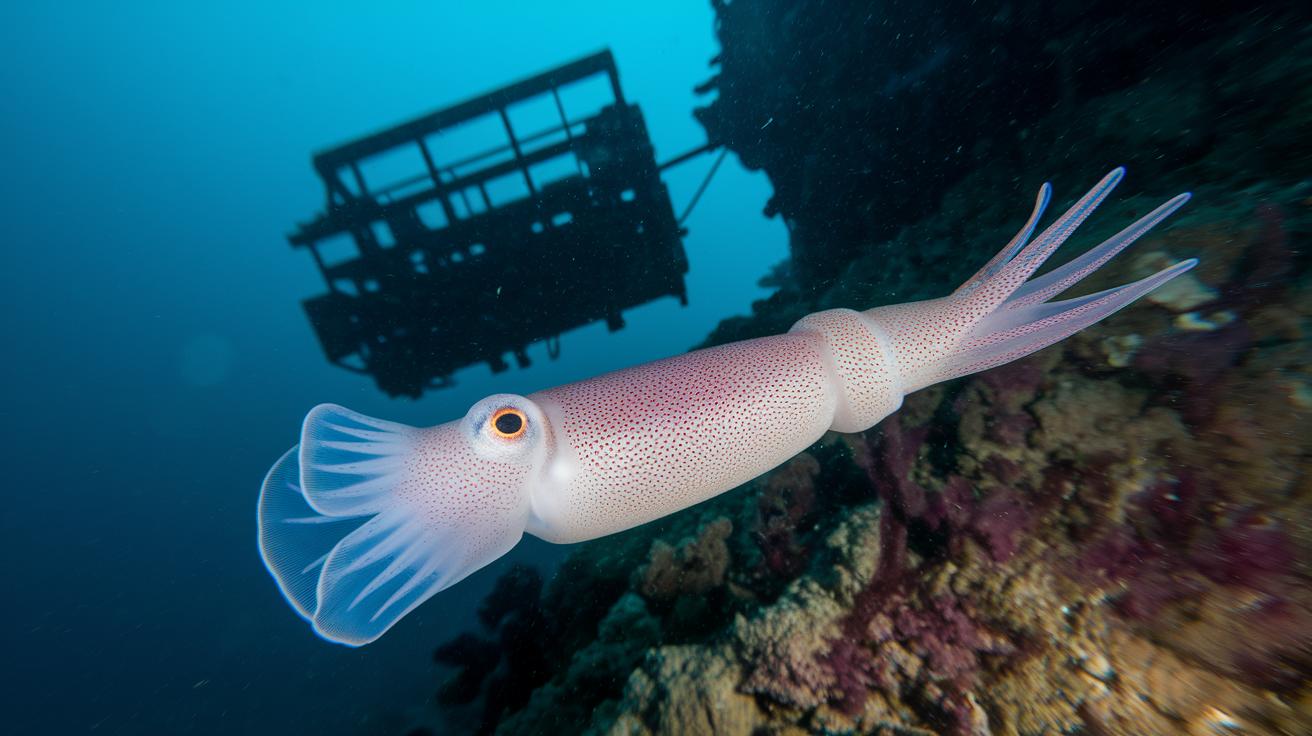
This video is a real game-changer for deep ocean studies. Seeing a rarely spotted creature swim by in its home deep down in the water sparks our imagination and gives scientists a special peek into a world most of us never see. It shows a young squid in clear detail, opening a new chapter in our underwater adventures. Did you know that the footage features a 30 cm juvenile squid, proving that even the little ones offer huge insights?
The niblet-sized squid was spotted 600 meters deep, near the chilly, oxygen-rich waters by the South Sandwich Islands. It was filmed on the research vessel R/V Falkor, a remarkable step forward, considering this species was first noted in 1925. Capturing this little squid in its own environment ties together old science with modern tech, much like using a new camera to snap a hidden treasure beneath the waves.
Here’s a simple breakdown of the team that made it all happen:
| Group | Role |
|---|---|
| Schmidt Ocean Institute | Led the expedition |
| Nippon Foundation-NEKTON | Provided key support |
| GoSouth Project | Collaborated from multiple institutions |
| R/V Falkor | Brought advanced research tools |
| Remote Cameras & Sensors | Helped gather deep sea data |
This live view isn’t just a pretty picture. It gives us useful clues about how deep-sea squid grow, behave, and survive in their hidden, underwater world. And it reminds us that nature is full of surprises, each little ripple in the deep sea holds a secret waiting to be discovered.
Anatomy of the Deep Sea Colossal Squid
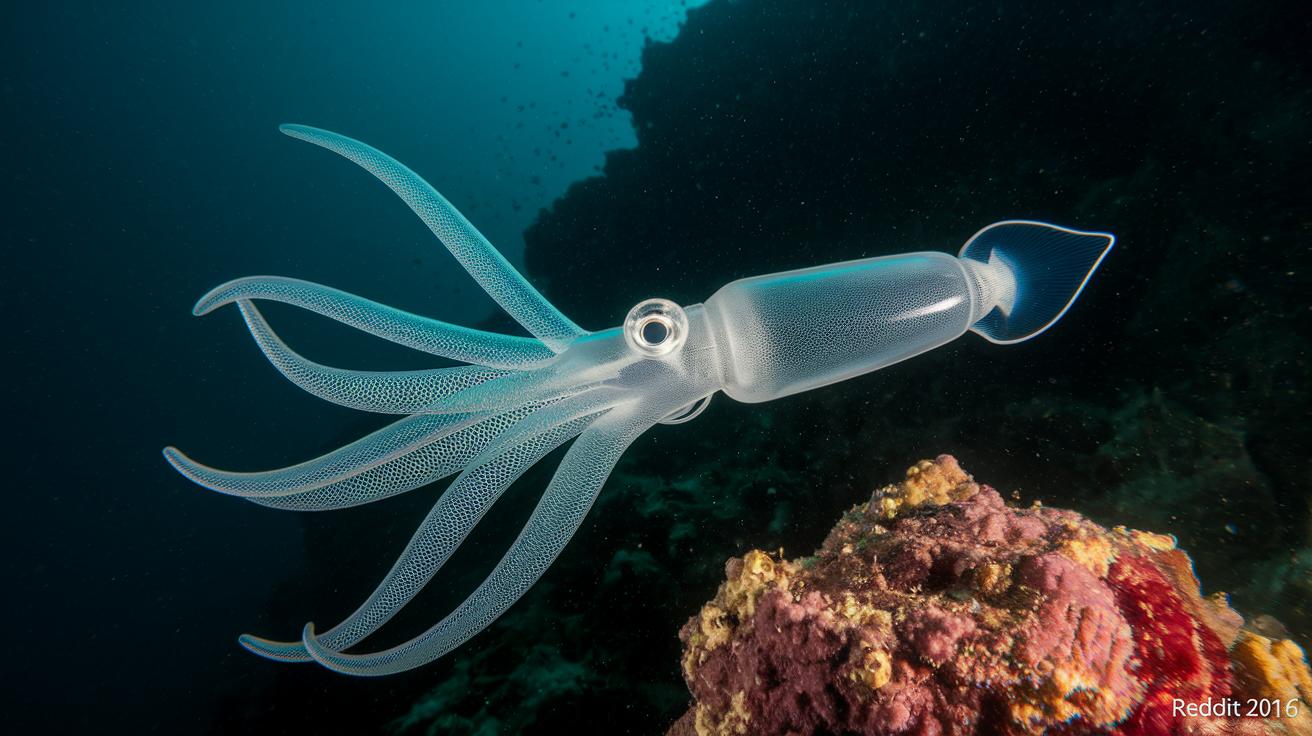
This fascinating squid is part of the glass squid family. It has a nearly see-through body and fins that flutter like delicate wings. In fact, many Antarctic squids look similar, making it hard to tell them apart in videos.
Its whole design is made for the dark ocean depths where pressure is high and light is rare. Every feature, from the mantle to the eyes, helps it survive in these challenging conditions.
Mantle and Fins
The broad mantle acts like a sturdy shield and a powerful engine all at once. Its thin, wing-like fins help keep the squid balanced and allow it to glide smoothly through the deep waters, almost like it's riding a gentle current.
Tentacles and Hooks
It sports two long tentacles lined with neat rows of hooks. These enable the squid to snap quickly at passing prey, even in near darkness, giving it a smart edge in its shadowy home.
Beak and Jaw
A strong, sharp beak pairs up with powerful jaws to tear apart and crush prey. This tough feeding setup is essential for breaking down meals in the harsh deep-sea environment, ensuring the squid gets the energy it needs.
Eyes and Vision
The squid has enormous eyes that gather every bit of light available in the abyss. These big eyes are excellent at picking up subtle movements, which is a huge bonus for hunting in the dark.
Altogether, each anatomical feature works in harmony to make the squid an effective hunter in the deep sea. Its amazing design shows just how brilliantly nature can shape life for even the most extreme conditions.
Habitat and Distribution of the Deep Sea Colossal Squid
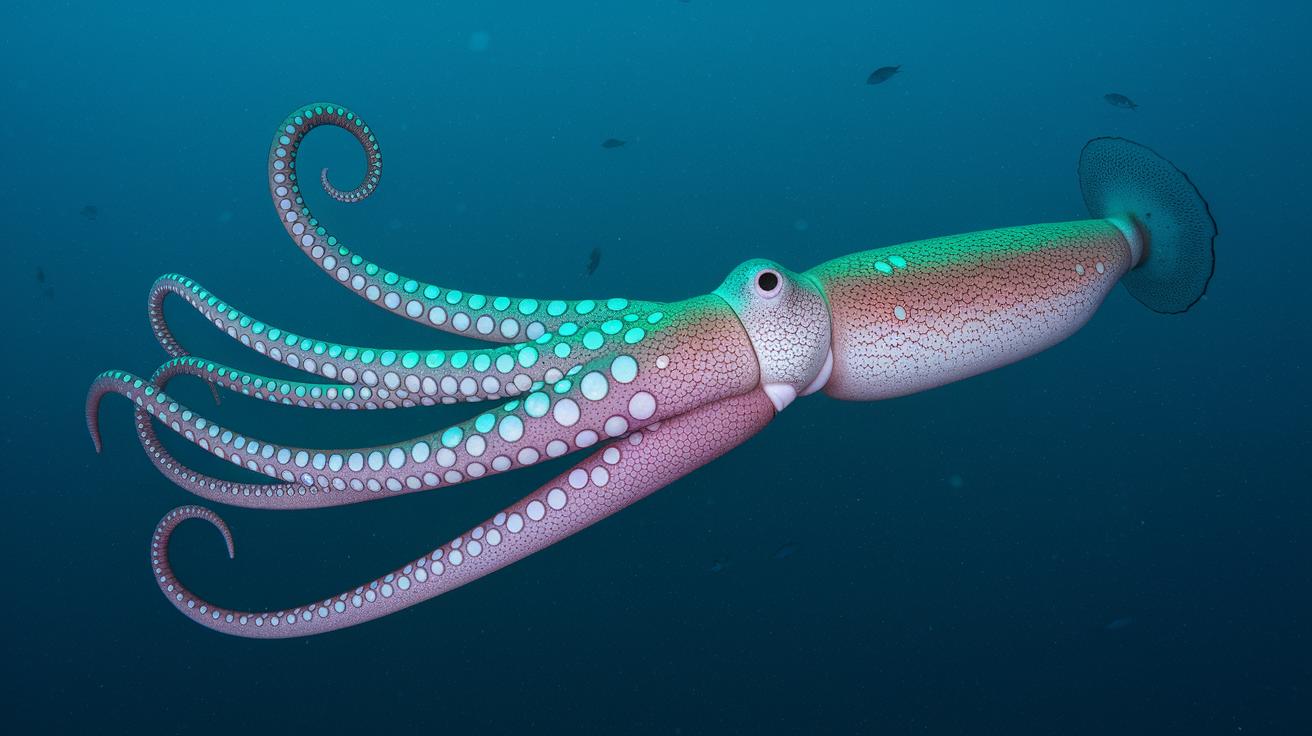
Deep in the icy, oxygen-rich waters of the Antarctic, the scene is set for a special deep-sea squid. The ocean floors near the South Sandwich Islands, with their steep slopes and unique underwater landscapes, offer a home where many sea creatures mingle. The cool temperature here lets the colossal squid adapt and thrive in ways that other animals just can’t.
- Temperature – The water feels like a refreshing chill, perfect for unusual marine life.
- Depth – This habitat sits around 600 meters below the surface, deep within the abyss.
- Oxygen – The sea holds high levels of oxygen that fuel the energy needs of these deep-sea dwellers.
- Substrate – The ocean floor mixes rocky slopes and soft sediments, creating lots of different nooks and crannies.
Researchers face big challenges mapping out these remote areas. The harsh, isolated conditions make it tough to capture the full picture of the squid’s home. Many parts of the Southern Ocean still whisper secrets, with limited access and a maze of terrain leaving much to discover. Every deep dive not only boosts our scientific know-how but also deepens our love for the extraordinary life in these extreme underwater worlds.
Size, Growth, and Longevity of Colossal Deep Sea Squid
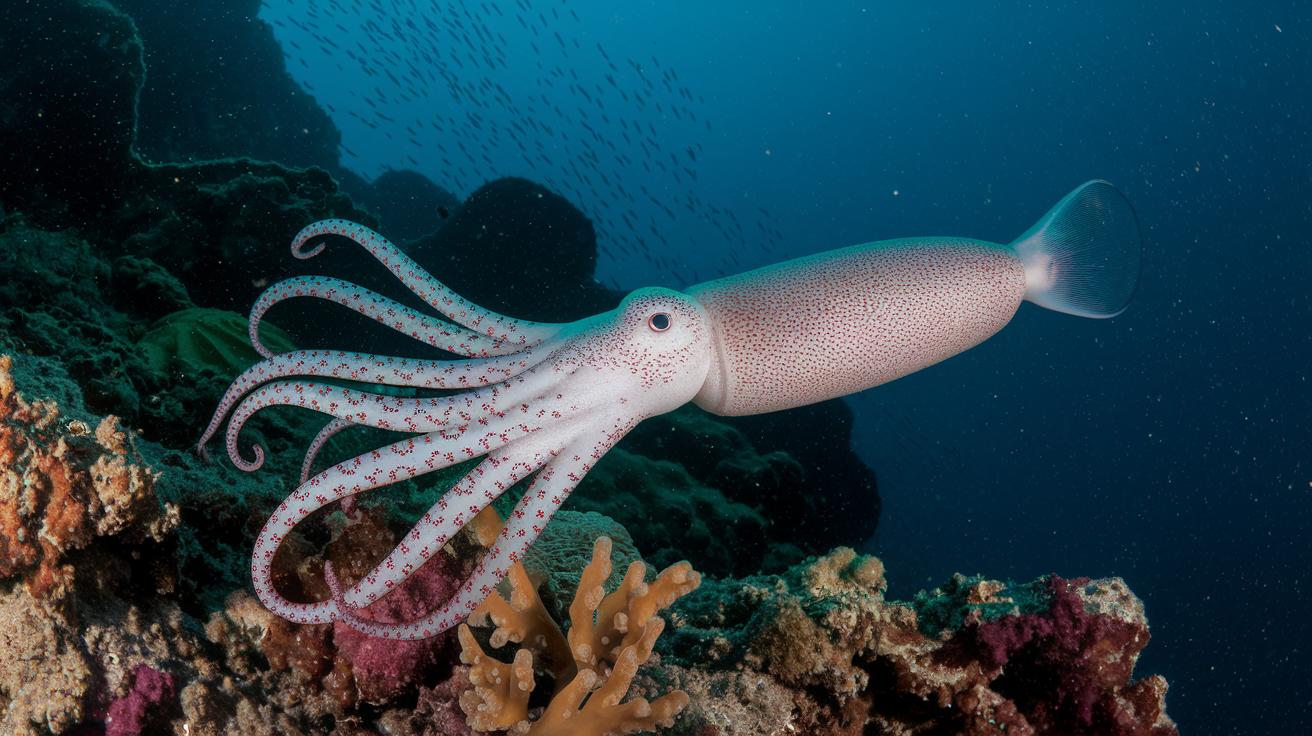
This fascinating squid has many secrets, especially when it comes to its size at different stages of life. Researchers captured footage of a young squid with a 30 cm mantle, which reminds us that the original numbers from 1925 only tell part of the story. As these squids grow, their true size becomes a blend of real measurements and smart guesses that spark many lively chats among marine scientists.
- Juvenile Mantle: Measured at 30 cm; this is our starting point.
- Adult Mantle: Some estimate that a grown squid's mantle could reach up to 2 meters.
- Total Length: When you include those long, flowing tentacles, they might stretch out to around 8 meters.
- Weight Estimates: Some squids could even weigh over 200 kg.
- Size Variability: Environmental conditions and growth spurts can change these numbers quite a bit.
New models show that these squids grow very quickly at first, like a burst of energy in a swirling current, and then slow down as they adjust to life in the deep sea. Despite their massive size, scientists believe they only live about 5 to 10 years. It’s a curious mix of fast early growth and a short lifespan that keeps the mystery alive in the world of deep-sea wonders.
Feeding Strategies of the Deep Sea Colossal Squid
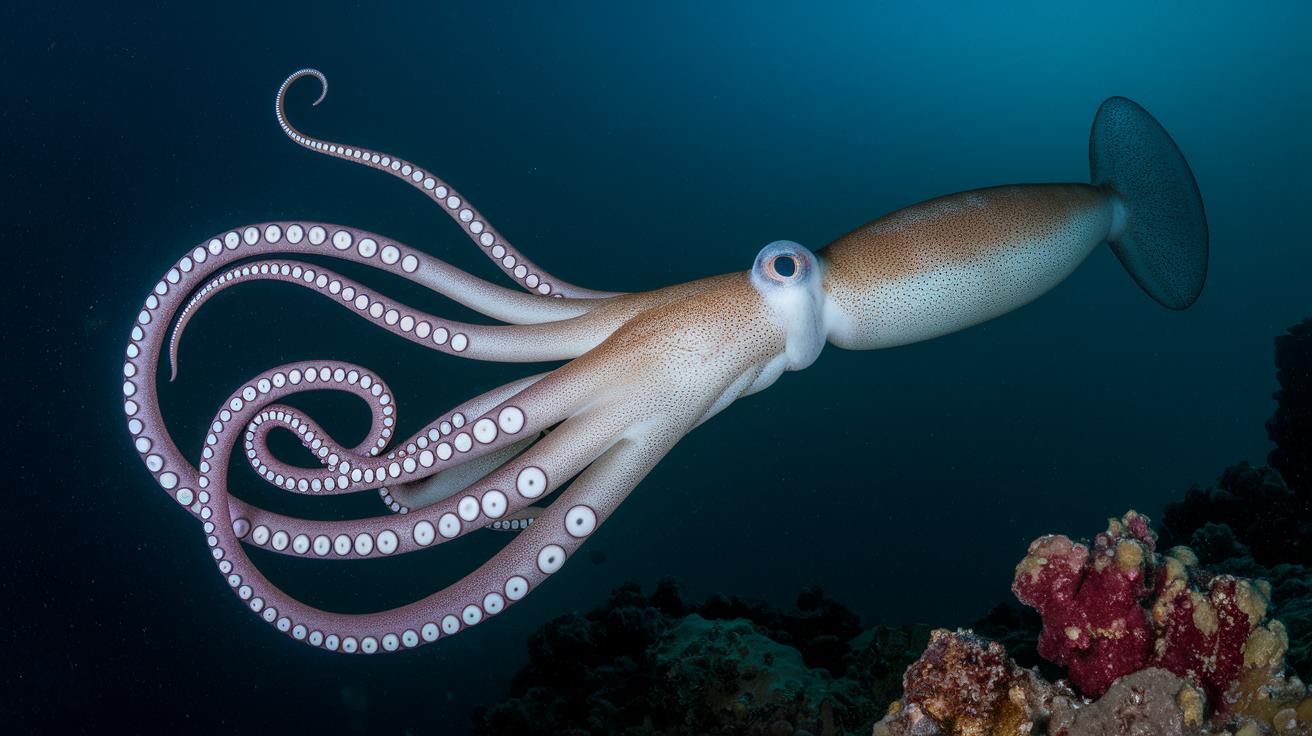
Deep in the quiet, shadowy depths, this colossal squid uses smart, surprise tactics to catch its dinner. It sits calmly in the dark, sometimes using bursts of natural light like a signal to lure in prey. Its hunting is a mix of silent waiting and quick, decisive moves, just enough to tip the scales in its favor when a meal drifts by.
This squid enjoys a varied menu, including:
- Fish that drift near the dark waters
- Other squid sharing its deep-sea home
- Crustaceans scuttling along the ocean floor
- A rapid tentacle strike to catch a moving target
- A strong, hook-like grip that locks in its catch
- Using any glimmer of light to its advantage
Living down there is all about balancing energy. Hunting in near darkness means this squid goes for quick bursts of movement, then conserves its strength in the cold, quiet waters. Ever notice how a calm, steady approach can sometimes beat constant frantic action? That's the secret of thriving in a deep, mysterious ocean.
Expeditions and Technology Behind Deep Sea Colossal Squid Research
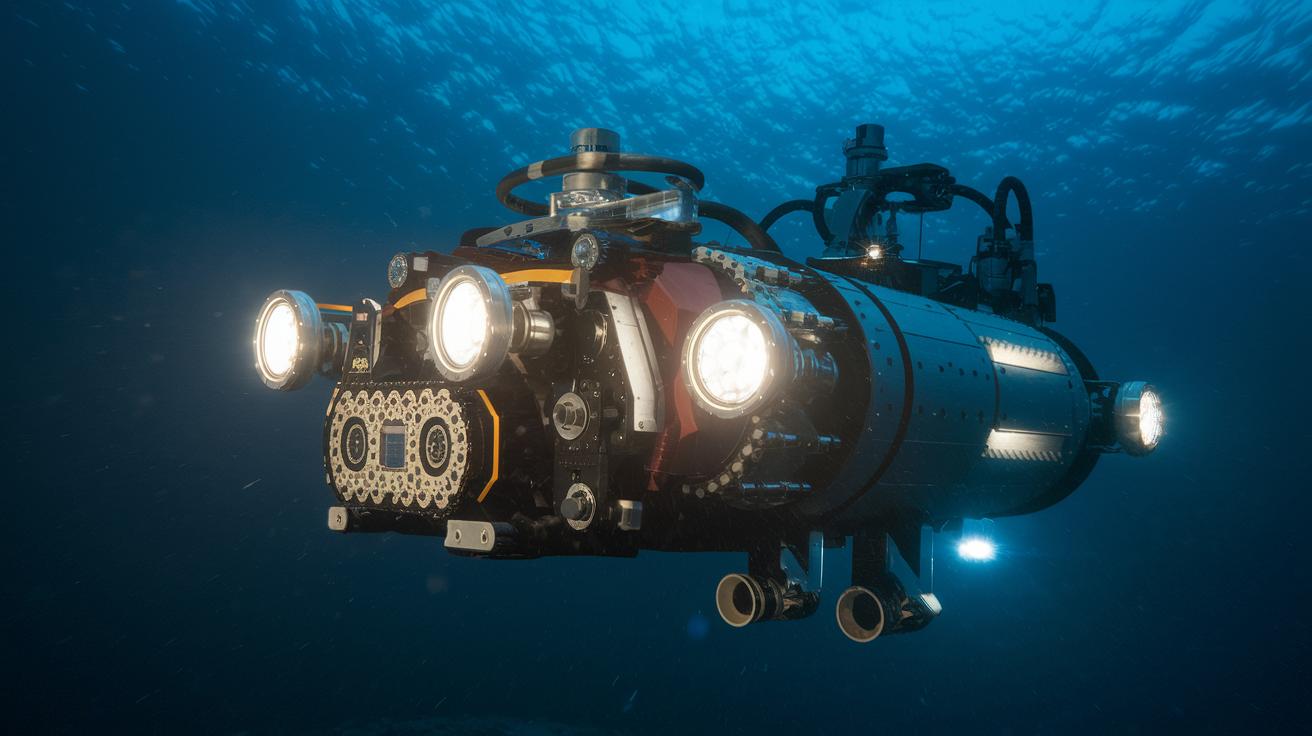
Researchers are diving into the ocean’s most challenging corners, where water pressure is fierce, temperatures drop near freezing, and the darkness is almost complete. They use equipment built to handle these extreme conditions, much like a sturdy boat facing stormy seas. Smart sensor setups and custom submersibles now come with clever features that help capture clear data from deep beneath the surface.
- Our advanced sensor packs include onboard AI that sorts through marine data even when visibility is very low.
- New submersible designs use tougher hull materials and energy-saving systems to brave crushing depths.
- Remote camera systems now add special lighting and adjust exposure settings, ensuring clear images even in pitch-black waters.
- Data relay systems have been fine-tuned to send real-time information from the ocean floor straight to onboard processors.
- Recent miniaturization breakthroughs have produced compact, low-drag sensors that glide smoothly through the water.
Scientists now blend hands-on field tests with computer simulations to fine-tune their instruments during missions. For instance, modern sensor packages come with built-in temperature controls that adjust in real time, keeping data clear even in near-freezing water.
Separating Myth from Reality Around the Deep Sea Colossal Squid
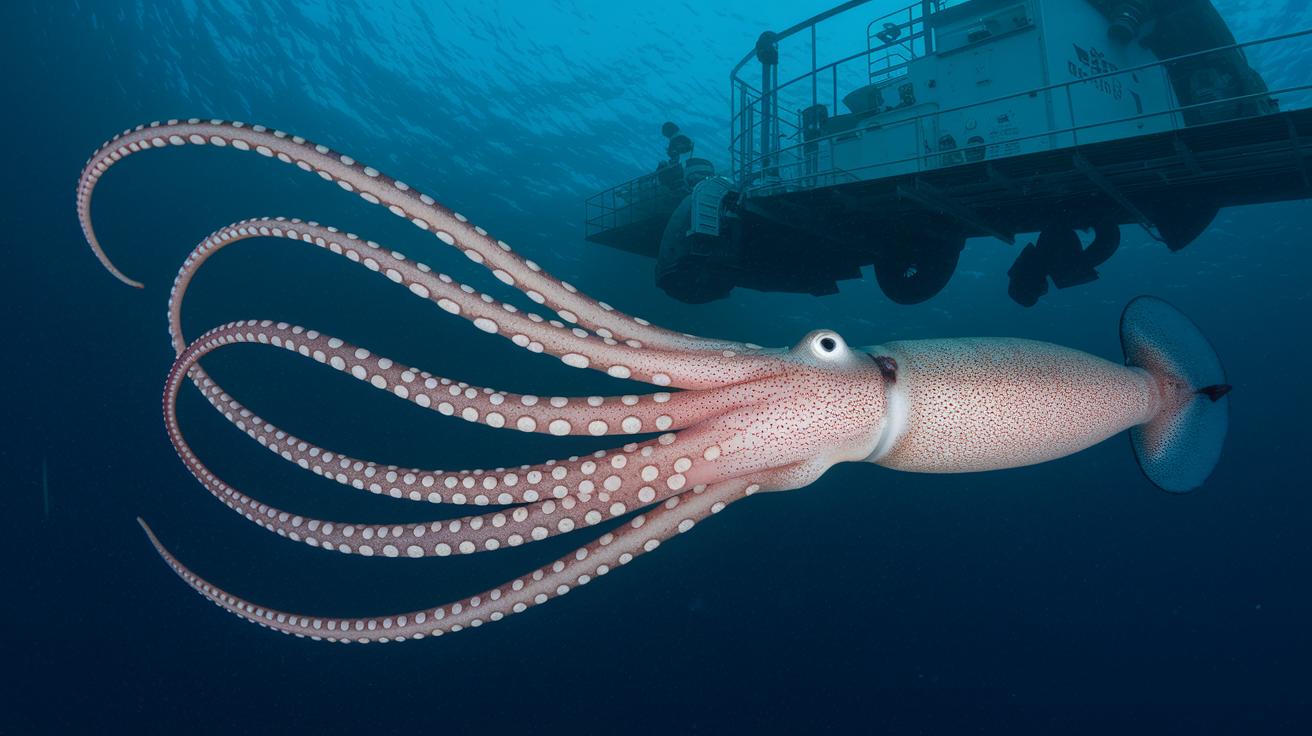
Sailors have spun wild tales about the colossal squid for many years. They described it as a creature with enormous tentacles that would attack passing ships as it lurked in the dark depths. These stories have captured imaginations, even while scientists quietly study the squid’s real behavior.
| Legend | Verified Fact |
|---|---|
| Huge tentacles attacking ships | No, they use their tentacles naturally for defense |
| A spooky beast in gloomy waters | Actually, they thrive in cold, oxygen-rich areas that researchers study |
| An unbeatable sea monster | Scientists have measured their growth and seen normal behavior, especially in young squid |
Recent discoveries are changing our view of these deep-sea legends. New insights from advanced underwater trips show that these creatures follow natural life patterns and clever survival skills. Every new observation brings the myth closer to reality, proving that even the most dramatic stories can have simple, true explanations.
Final Words
In the action, we plunged into breakthrough footage capturing a deep sea colossal squid, exploring its fascinating anatomy, hidden habitat, growth secrets, feeding tactics, and cutting-edge expedition methods. Each section painted a vivid picture of how incredible science and technology work together to reveal these elusive underwater beings. The insights shared remind us that every new observation builds a brighter picture of aquatic life. Keep your eyes open and your curiosity bubbling, you never know what spectacular marine marvels lie beneath the surface.
FAQ
What is the typical size of a colossal squid?
The typical size of a colossal squid means that juveniles, like the one recorded at 30 cm mantle length, hint at adult proportions that might extend several meters, though exact measurements remain under study.
How does the colossal squid compare to the giant squid?
The colossal squid differs from the giant squid in body structure and build. While both are impressive deep-sea cephalopods, the colossal squid is known for its robust form, large eyes, and distinctive tentacle hooks.
How large is the colossal squid’s eye?
The colossal squid’s eye is notably large and well suited for low-light deep-sea conditions, helping it detect prey effectively despite the darkness of its underwater world.
What are some key deep sea colossal squid facts?
Deep sea colossal squid facts include breakthrough footage capturing a juvenile at around 600 m depth, a unique transparent body, robust beak structure, and the mystery that still surrounds its exact adult dimensions.
What is known about the colossal squid’s lifespan?
The colossal squid’s lifespan is estimated at around 5 to 10 years. Growth studies hint at rapid early development, though precise age data is still being researched by scientists.
Is there footage of the colossal squid?
Yes, recorded footage of a colossal squid shows a 30 cm juvenile at about 600 m depth near the South Sandwich Islands, marking a milestone in capturing live deep-sea imagery after nearly a century of study.
Who are the main predators of the colossal squid?
The main predators of the colossal squid include large deep-sea sharks and sperm whales, which inhabit the cold, oxygen-rich waters where these squids dwell, adding layers to the mystery of deep-ocean dynamics.
What is the biggest colossal squid ever seen?
The term “biggest colossal squid ever seen” refers to specimens with extraordinary measurements; however, exact sizes remain elusive due to the challenges of sampling in deep ocean environments.
Has a colossal squid ever attacked a human?
There is no verified evidence that a colossal squid has ever attacked a human. Their deep-ocean habitat keeps them away from people, making any such encounters extremely unlikely.
Do colossal squids exist today?
Colossal squids do exist in deep, cold ocean zones today. Recent breakthroughs, including live footage from Antarctic waters, confirm that these elusive creatures continue to inhabit our oceans.
How deep in the ocean does the colossal squid live?
The colossal squid lives at ocean depths of around 600 m, dwelling in cold, oxygen-rich Antarctic environments near the South Sandwich Islands where few light and predators challenge its survival.