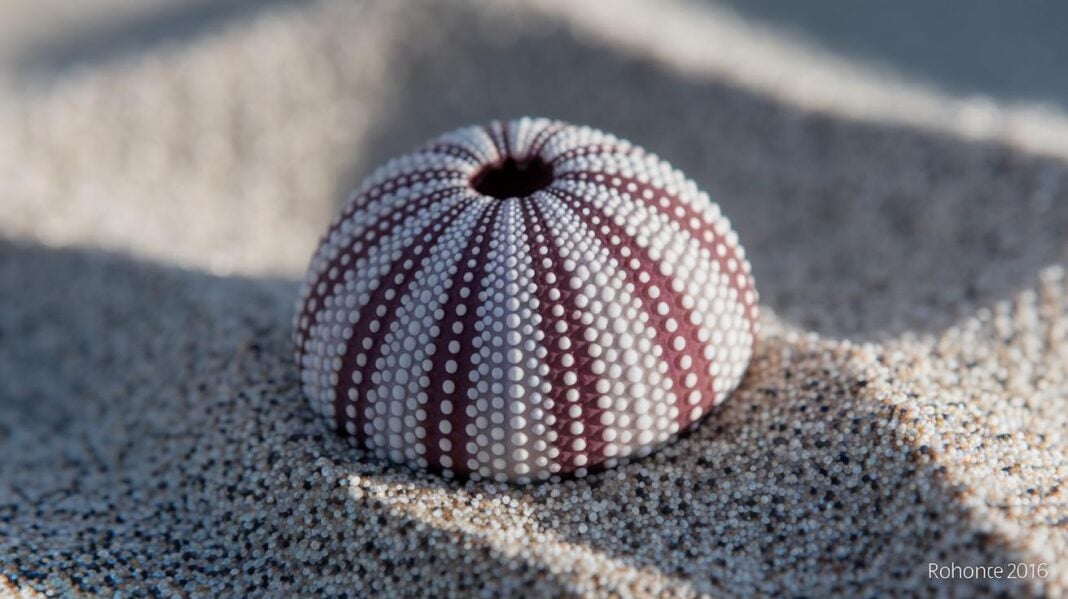

Ever wondered about the secret life hidden in a sea urchin’s shell? It’s like nature’s own puzzle, crafted from tiny, hard plates that lock together perfectly.
This spiky armor doesn’t just protect the little creature; it also sparks the curiosity of scientists and artists who see beauty in its design.
Today, let’s dive into the wonder of these natural shells and explore the subtle stories they tell about life under the sea.
Comprehensive Overview of Sea Urchin Shells
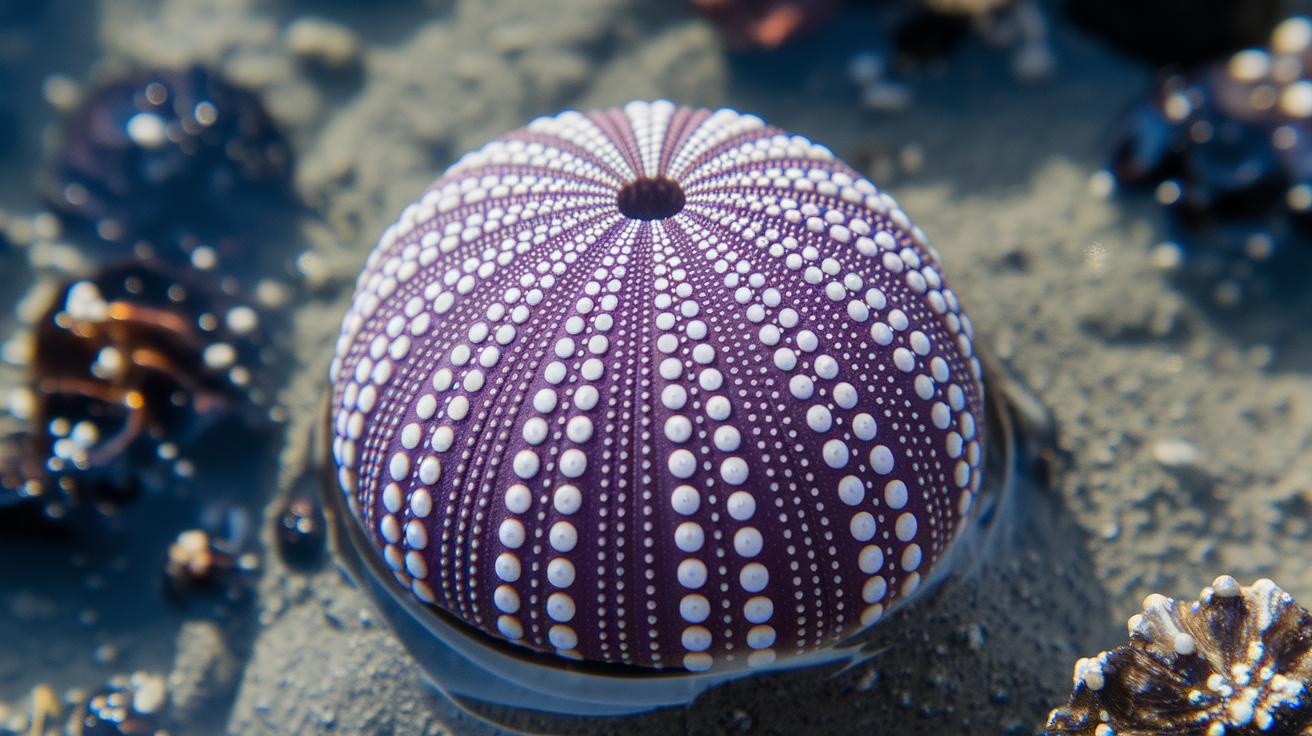
The sea urchin shell, known as the test, is nature’s own protective armor for its soft body. It’s mostly made of calcium carbonate, which keeps it both strong and striking, like a tiny masterpiece from the ocean. Each test usually measures between 3 and 10 centimeters, making it a small yet intricate part of marine architecture. Picture it as a mosaic of calcified plates, each one snapping into place like pieces of a well-crafted puzzle.
Sea urchins live in a variety of ocean homes, from cool, nutrient-packed temperate waters to warm, sunlit tropical seas. In every spot, the shell’s design is key for survival. The spines, which come in different lengths and sharpness, act as a first shield against predators. Meanwhile, the interlocking plates give the shell extra strength and help it blend into rocky or coral-filled bottoms, almost like wearing a suit of natural armor that camouflages you in the wild.
Beyond keeping sea urchins safe, these shells have lots of cool uses. Researchers study them to learn about biomineralization, which is just a fancy way of saying how marine creatures build their hard parts. Artists and craft lovers adore them for their unique texture and shape, often turning them into decorative pieces or cool accents in aquariums. Imagine an aquarium where each sea urchin shell adds its own touch of art, sparking smiles and good conversation among viewers.
Anatomy and Composition of Sea Urchin Exoskeleton
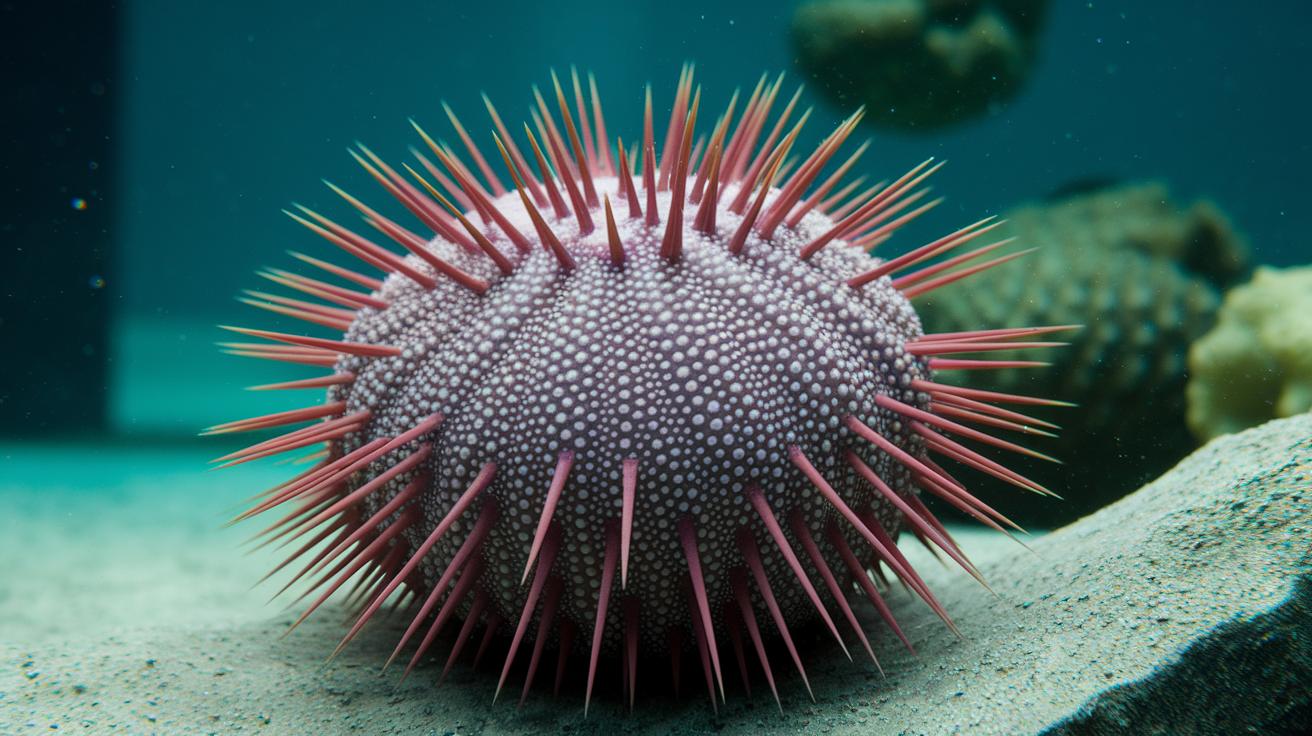
The sea urchin wears a special armor called the test. Think of it as a patchwork of hard, calcified plates carefully pieced together. It comes with prickly spines for defense and movement, small bumps called tubercles that help guide those spines, and tiny pincers known as pedicellariae that keep the surface clean so it stays in good shape.
Each part works together perfectly to support the sea urchin’s everyday life. The spines guard against trouble and help it move about, while the tubercles make sure the spines are pointed in just the right directions. And those little pedicellariae? They sweep away any unwanted bits, much like a gentle current clearing out debris.
| Component | Function |
|---|---|
| Test | Rigid base |
| Spines | Defense and movement |
| Tubercles | Spine articulation |
| Pedicellariae | Debris removal |
| Tube feet | Respiration and adhesion |
At its core, the sea urchin’s exoskeleton is made mostly of calcium carbonate. This mineral gives the shell a mix of strength and a bit of flexibility. Imagine how the gentle push of a wave can ripple over the sand; that’s how the urchin’s armor can absorb the pressure of the ocean while still staying tough.
Scientific and Ecological Significance of Sea Urchin Shells
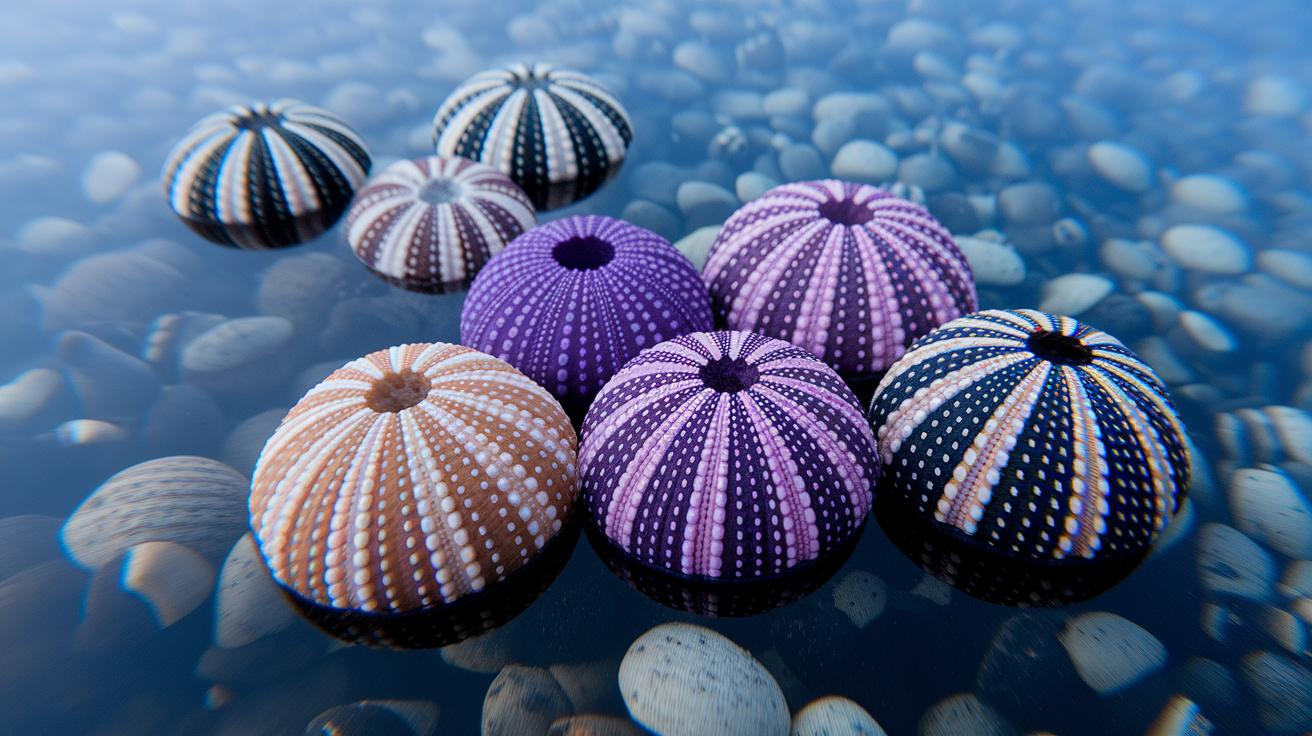
Sea urchin shells are natural wonders that help scientists understand how ocean life builds strong, beautiful armor from simple minerals. Researchers look at these shells as an easy example of nature turning common ocean materials into sturdy, finely detailed homes for marine creatures.
These shells do more than just wow us with their design. They form the hard bases of reefs, giving many sea creatures a solid place to live. Plus, the shells play a key role in letting sea urchins dodge predators and influence how other animals feed, which keeps the underwater world in balance.
Did you know that these shells have been evolving for over 450 million years? Tiny changes in mineral makeup and spine design tell the story of how these creatures adapted as the oceans changed around them.
You can find sea urchins in many different spots along the coast. From sunny shallow reefs to cooler, darker depths, variations in water pressure, light, and chemistry shape their shells in unique ways. It’s a neat reminder of how life underwater adapts to meet the challenges of every new environment.
Color and Morphological Variations in Sea Urchin Shells
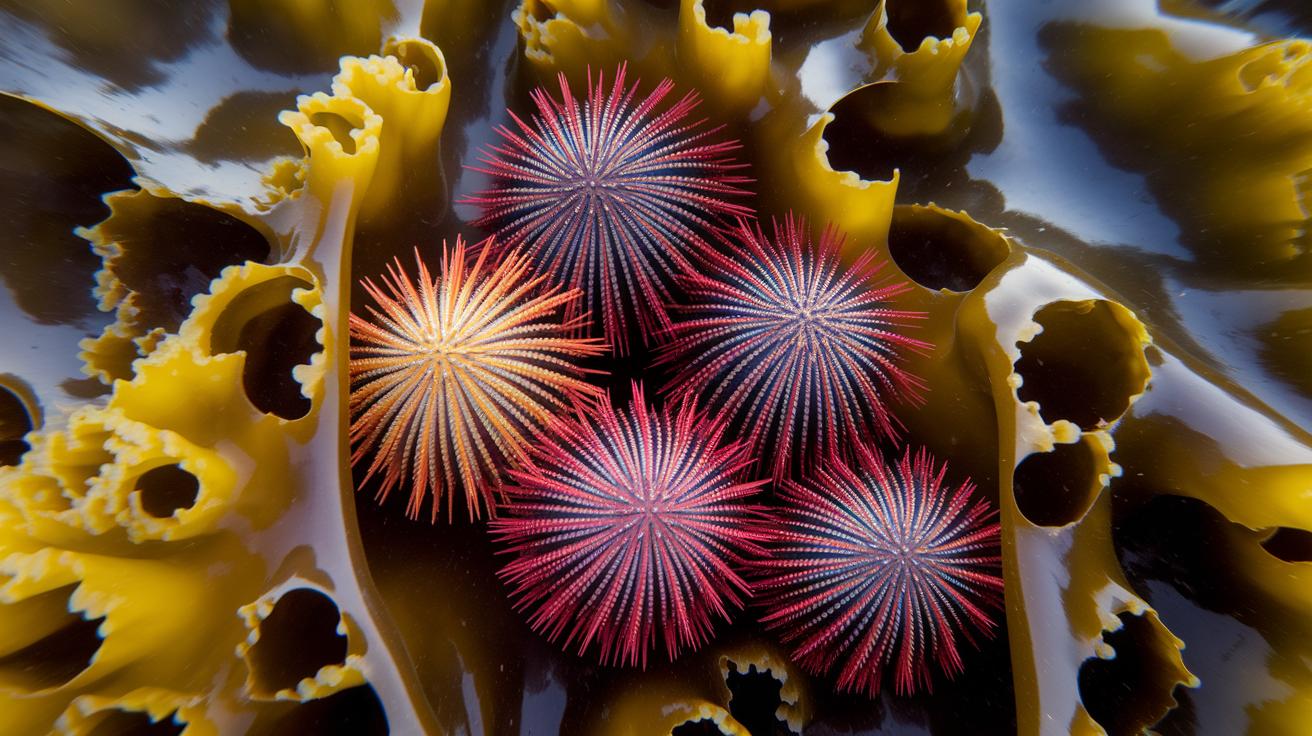
Sea urchins get their beautiful colors from both what they eat and where they live. They munch on different kinds of algae and tiny bits of organic material, which mix with minerals in the water to create unique pigments. In warm, bright spots, you might even see their spines burst into vivid, lively shades.
The water and light around them also play a big role. Urchins in shallow, sunny areas tend to show off bold, clear colors, while those in cooler or deeper spots often display softer, faded tones. Every part of the ocean seems to inspire a different palette on these natural canvases.
| Color Variation | Details |
|---|---|
| Deep-violet spines | Seen in tropical species |
| Emerald-green tests | Found in kelp-rich waters |
| Snow-white bleached shells | From sun-exposed zones |
| Pale-pink hues | Often seen in juvenile specimens |
| Oversized, mottled varieties | Common in cold-water habitats |
Collectors treasure these natural masterpieces. They search for clear patterns and gentle shifts in color as hints about a sea urchin’s origin. A simple tip is to look at the evenness of the color, notice any smooth gradients on the shell, and feel the texture, all of which can tell you a little story about where that little work of art came from.
Cleaning and Preparing Sea Urchin Shells for Display
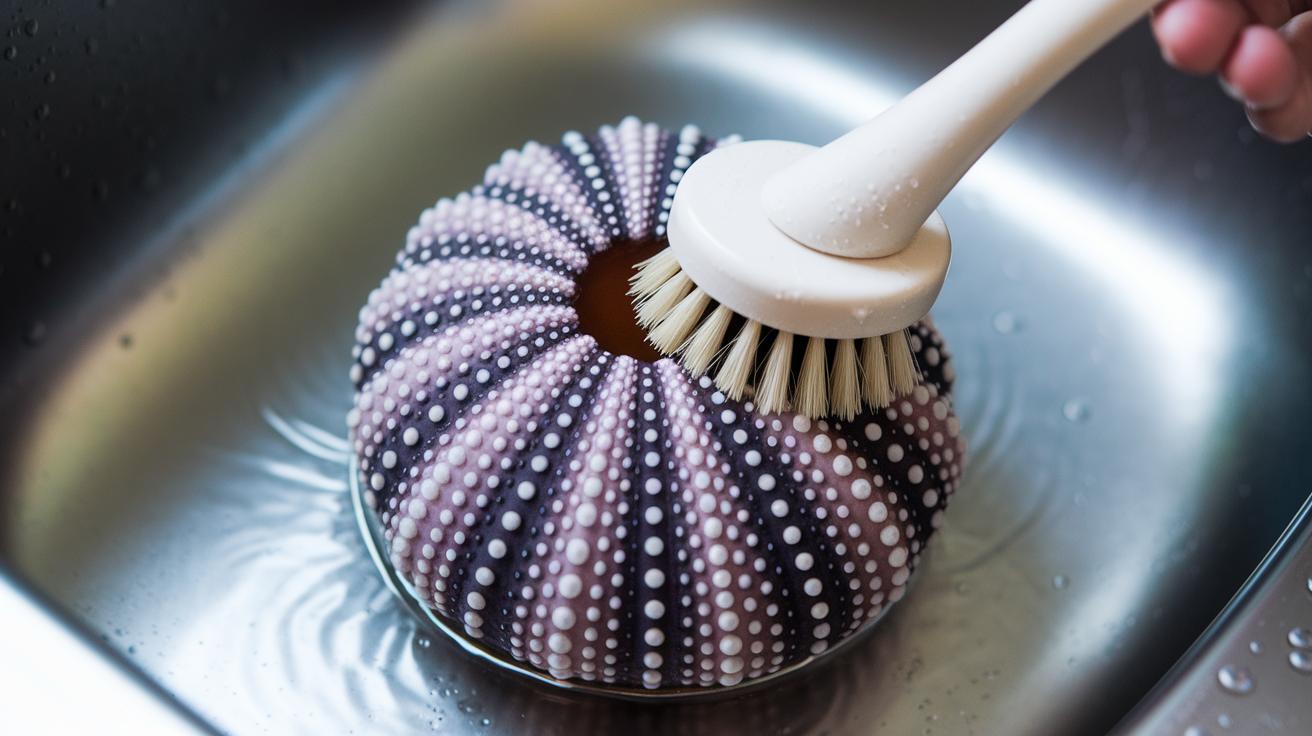
Cleaning your sea urchin shell is a bit like caring for a treasured piece of art. Start by immersing the shell in fresh water to help loosen any leftover bits of tissue. Then, gently use a soft brush, moving in slow, careful strokes, much like the soft ripple of water against smooth stones.
After cleaning, let the shell dry naturally in a shady spot. This helps keep the minerals safe from sudden temperature changes that might cause cracks. Next, apply a small amount of mineral oil and softly buff with a cloth until you notice its natural shine coming back. This step not only revives the shell's colors but also brings out its fine texture.
For long-lasting beauty, store your sea urchin shell in a cool and dry place. Make it a habit to dust it off now and then to prevent any buildup. And remember, keeping it out of direct sunlight is key to preserving its color and preventing brittleness. Enjoy the process, it’s like giving new life to a piece of the ocean’s magic!
Sea Urchin Shell: Stunning Natural Wonder
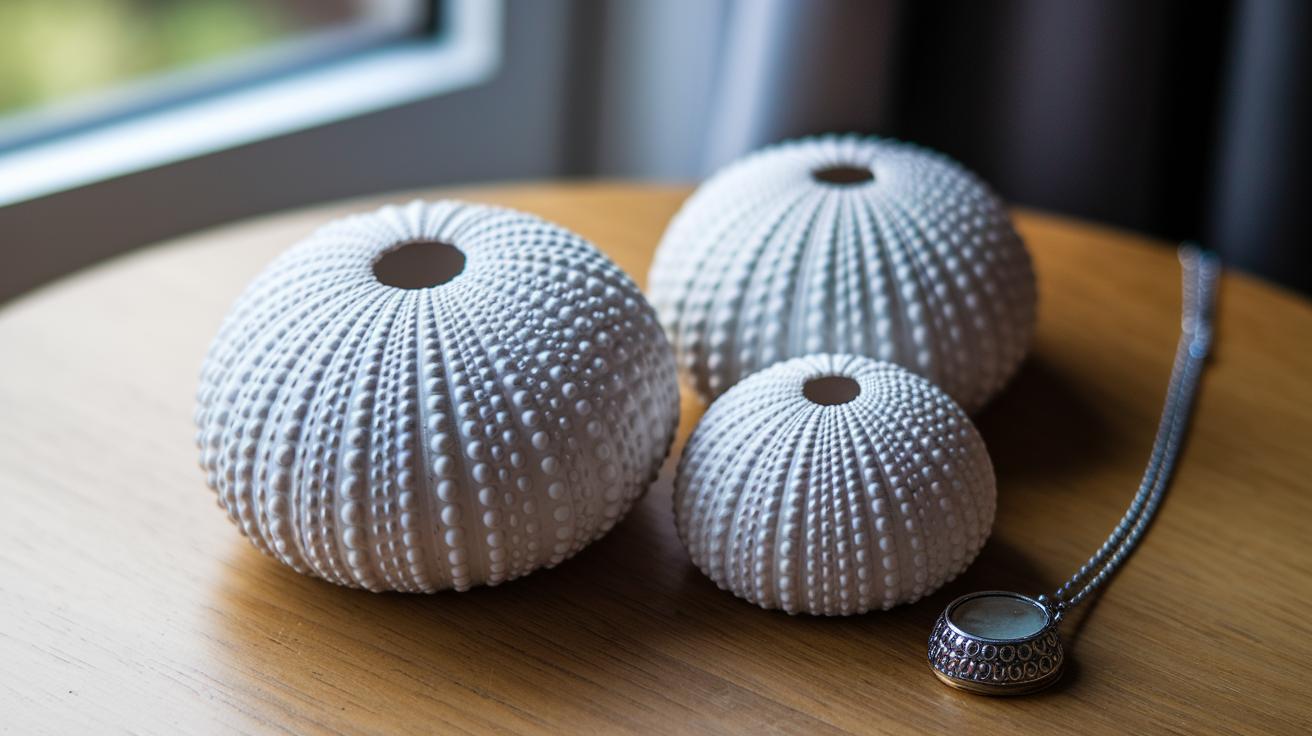
Working with sea urchin shells is a fun way to bring a slice of the ocean into your home. Their gentle curves and unusual textures remind you of quiet waves lapping soft pebbles, making them perfect for creative projects that brighten up any room.
Jewelry and Small Accessories
Imagine turning a little shell fragment into a lovely pendant or a pair of earrings. By carefully drilling small pieces and attaching findings, you can create wearable art that carries a hint of the ocean's magic with you. Ever notice how a simple piece of jewelry can remind you of a peaceful day at the beach? That was exactly the inspiration behind the first handcrafted shell pendant, born from the calming blue sea.
Decorative Lamp and Home Accents
Think about a lamp where each shell catches the soft, warm light. By embedding sea urchin shells in a resin base or clustering them into a unique shade, you create a design that feels like a tiny underwater world right in your living space. The soft glow reflecting off each shell can truly transform your room into a serene seaside retreat.
Aquarium and Terrarium Accents
Placing whole sea urchin shells in your saltwater aquarium or terrarium can add a burst of natural texture and detail. They bring an authentic ocean feel, much like finding a hidden treasure among smooth stones. Just as you might arrange seashells on a sandy beach, think about the best spots in your tank that deserve a touch of nature's artistry.
Planning is key with these projects. Take your time to design the layout, handle those tiny, sharp spines with care, and pick finishes that both protect and highlight the natural beauty of the shells. Enjoy the process and let a bit of ocean magic inspire your creativity.
Sourcing and Purchasing Authentic Sea Urchin Shells
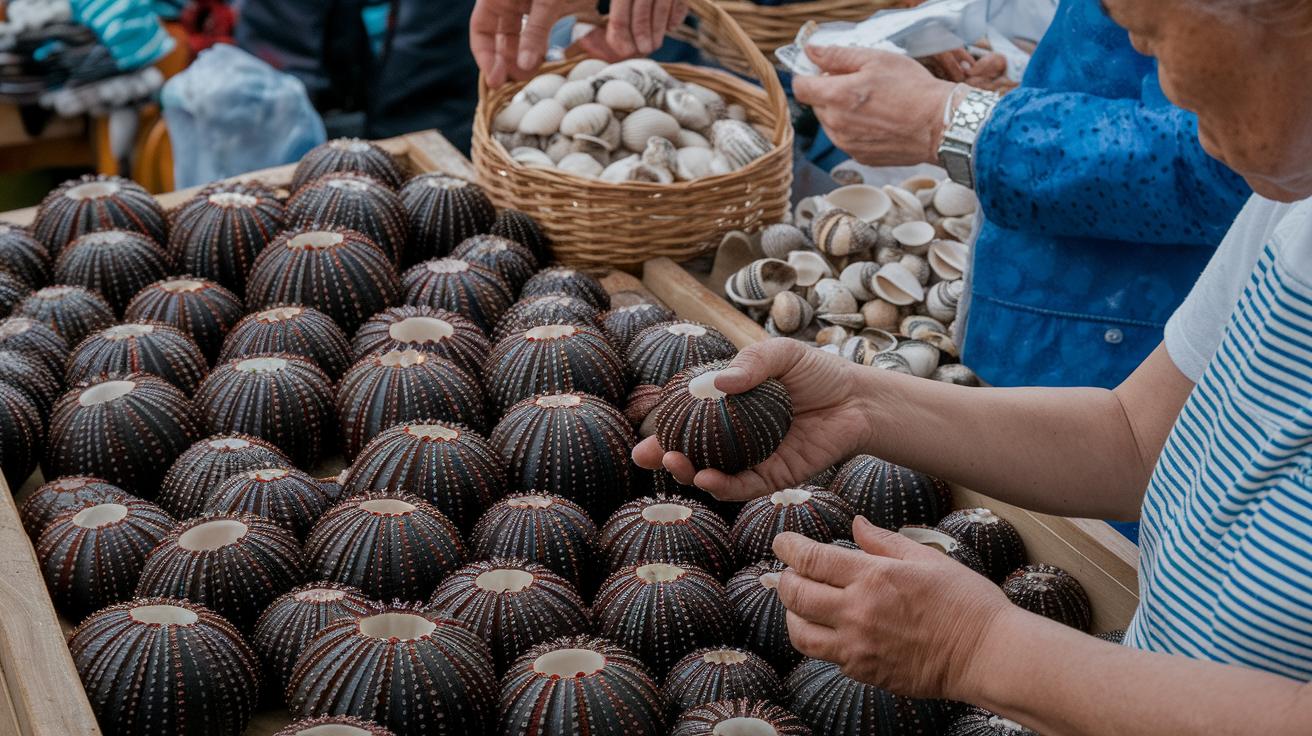
Choosing the right sea urchin shell is a bit like picking the perfect fish for your tank. Some shells come straight from the beach and have the natural marks of their time in the sea, while others are sold by vendors after a little cleaning up. Both kinds have their own special charm.
When you're browsing online or visiting local shops, you'll usually find details about the shell's weight, texture, and unique markings that show it's genuine. Prices can differ based on size and condition, so it's smart to shop around a bit. Look for sellers who share how the shells were collected and prepared, it's much like hearing a friend share their latest aquarium tip.
Also, keep an eye on shipping options, local rules, and eco-friendly tips. A quick check on these details helps keep both your new find and the natural ocean habitat safe.
Final Words
In the action, we explored a guide on sea urchin shells, covering their natural makeup, ways to prepare and display them, and creative ideas for home decor. We broke down the shell’s structure and shared tips for safe cleaning and maintenance. Your dive into this topic should leave you feeling ready to set up a stunning display using a sea urchin shell. Enjoy putting these ideas into practice and watching your aquatic space come together beautifully.
FAQ
Sea urchin shell for sale and Large Sea Urchin Shells for sale
The sea urchin shell market offers a variety of sizes and styles, including large shells, for collectors and decor enthusiasts. Many vendors provide authentic, ready-to-display specimens.
Sea urchin shell price
Sea urchin shell prices depend on size, condition, and rarity. Sellers set costs based on quality, with unique or larger shells often priced higher in specialty marine decor markets.
Sea urchin shells near me and Where to find Sea Urchin shells
Finding sea urchin shells near you includes checking local beaches, marine stores, and online shops. These sources offer authentic shells suitable for both crafts and home decor.
Sea urchin shell types
Sea urchin shell types vary in color, size, and texture. Each test’s unique appearance makes them appealing for collectors, creative projects, and decorative accents.
Are sea urchin shells rare and Is it rare to find a sea urchin shell?
Sea urchin shells are generally common, although specific color variants or unusually large sizes can be rarer. Their availability often depends on local marine conditions.
What is the shell of a sea urchin called?
The sea urchin shell is called a test. This hard, calcium carbonate structure protects the creature and supports its spines, making it a key feature in its design.
Is it safe to touch a sea urchin shell?
Touching a sea urchin shell is usually safe once it’s been cleaned. However, be cautious as any remaining spines can be sharp and cause minor cuts.
Do sea urchins leave their shells?
Sea urchins do not leave their shells. Their tests remain after the animal dies, and these shells are often cleaned and repurposed for decorative use.
How do sea urchin shells compare to other marine creatures such as starfish, scallops, oysters, sea cucumbers, and sharks?
Sea urchin shells, or tests, are distinct because they offer a hard, protective barrier. Unlike softer-bodied creatures or those with different coverings, the test provides durable defense for the urchin.