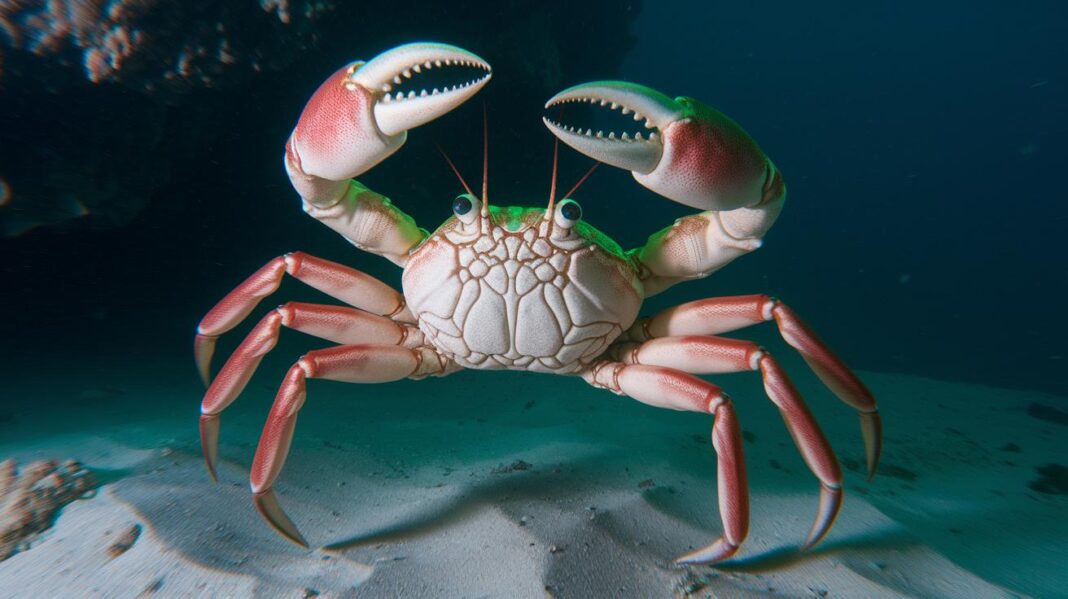

Have you ever marveled at what makes the Atlantic deep-sea red crab so special in the mysterious underwater depths? This eye-catching critter wears a bright orangish-red shell and stretches out on long, skinny legs that really set it apart.
It's a bit like finding a rare seashell on a sandy beach, its unique look and impressive size tell you there’s a whole world of surprises waiting below. In this chat, we dive into some cool facts about this bold crab that calls the deep, shadowy canyons of the Atlantic its home. Stay with me and discover how its unique body and habits make it a star in its chilly, mysterious underwater world.
Comprehensive Biology & Habitat of the Atlantic Deep-Sea Red Crab
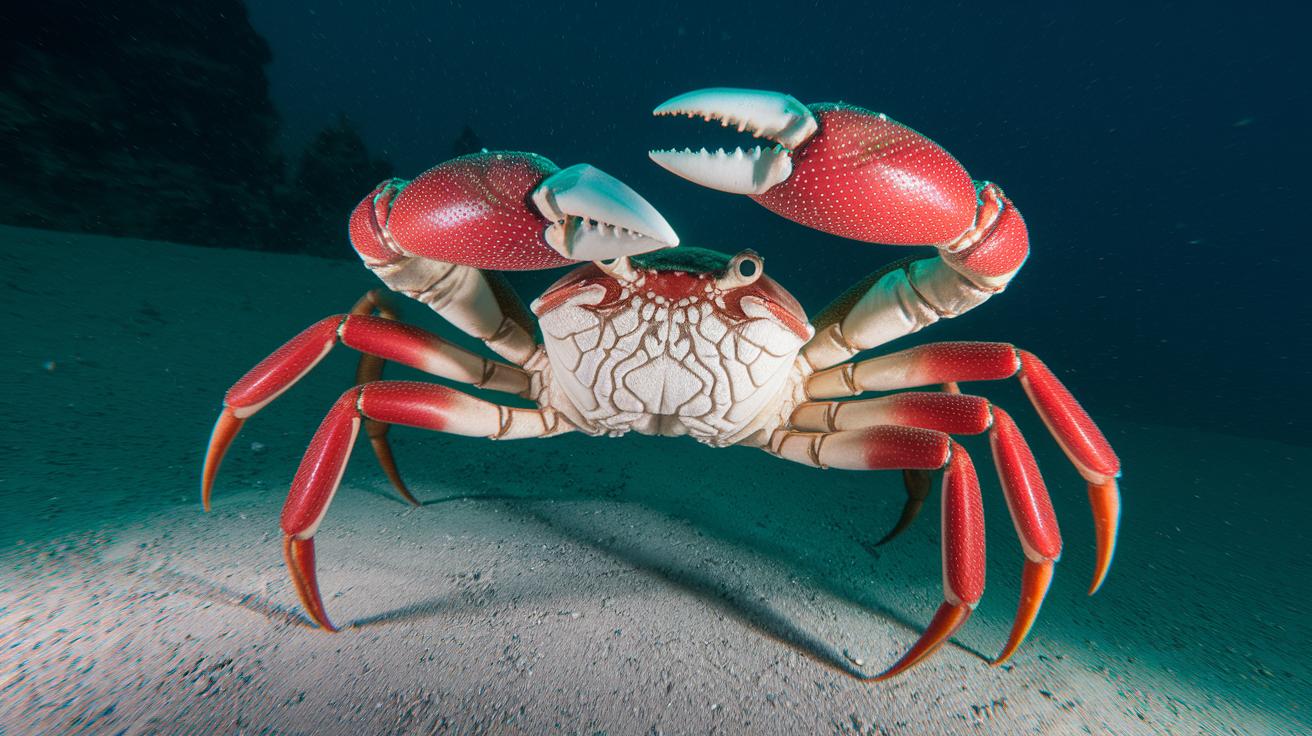
The Atlantic deep-sea red crab, known scientifically as Chaceon quinquedens, sports a bright orangish-red shell that can reach up to 7 inches wide and weigh nearly 3.75 lbs. Its long, thin legs give it a quirky look compared to the more common blue crab. Imagine this crab slowly cruising along the seafloor like a bold explorer, its vivid color setting it apart from everything around it.
This clever critter makes its home in deep underwater canyons like the Norfolk Canyon in the Mid-Atlantic. It lives in shadowy depths from 600 feet all the way down to 5,280 feet, where the water is a cool 38°F. Picture yourself peeking into a quiet, near-freezing world where each ripple of water feels like a gentle reminder of nature's wonders, helping these crabs thrive in one of the ocean’s toughest neighborhoods.
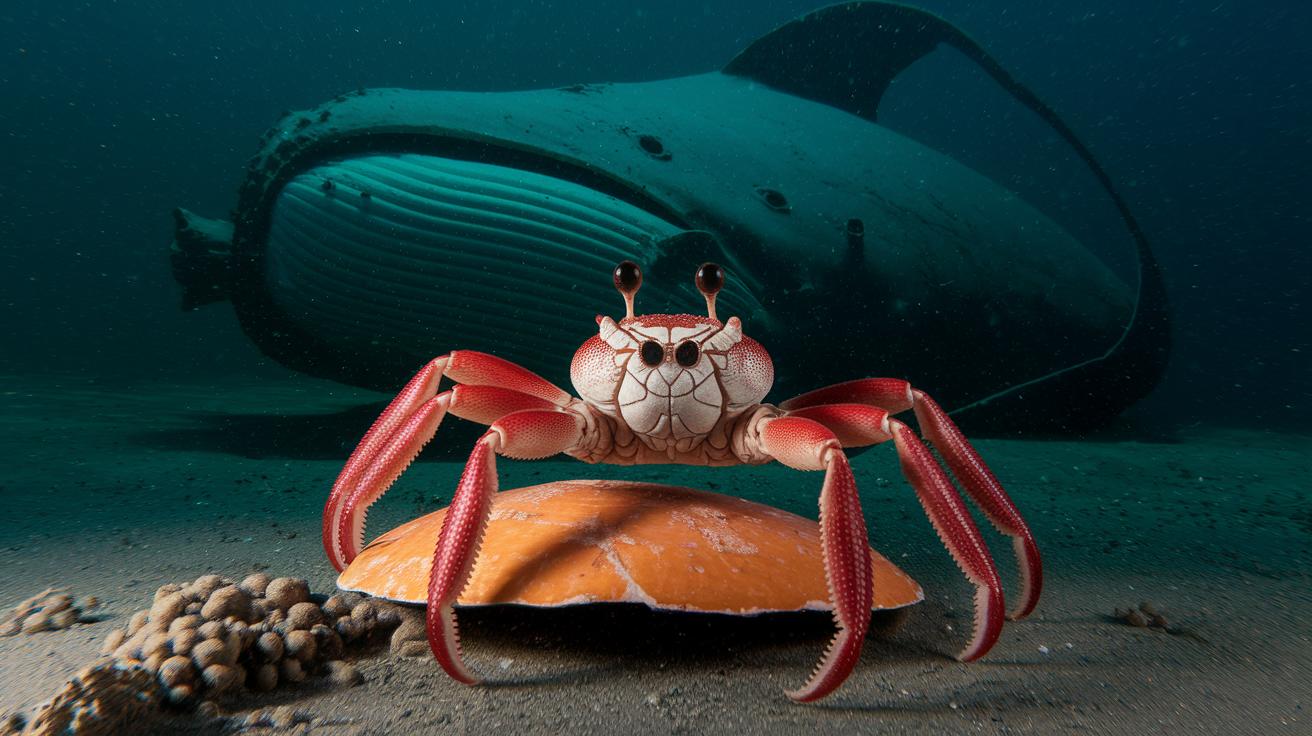
Living almost without any light at all, the Atlantic deep-sea red crab plays a key role as a scavenger. It digs around for bits of sinking organic material, like marine snow or even the remains of whales. Think of a moment when a lone crab finds a sunken whale, it slowly makes its way along the dark floor, turning a lost carcass into a nutritious feast. This life on the edge shows just how adaptable it is while also playing a big part in recycling nutrients in these mysterious deep-sea ecosystems.
Atlantic Deep-Sea Red Crab: Amazing Facts
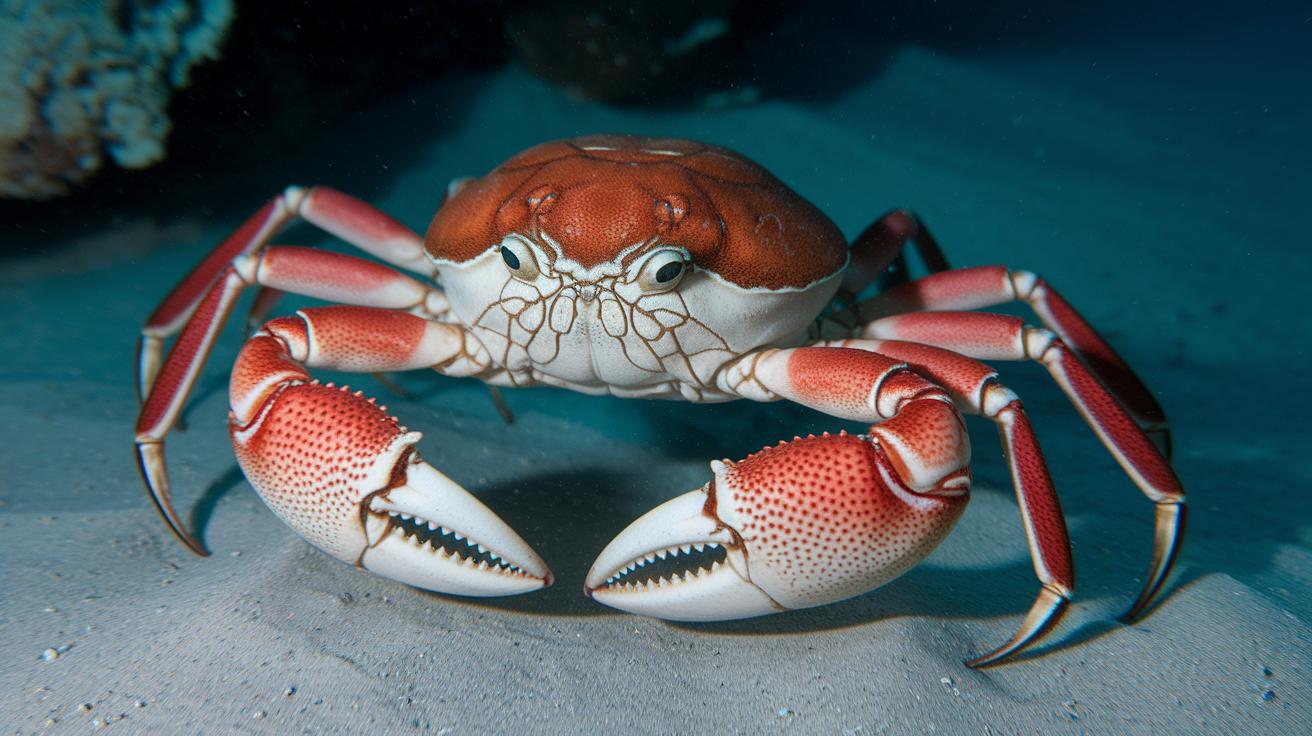
The Atlantic deep-sea red crab shows off a bright, orangish-red shell that just grabs your attention like a beacon in the deep. Its long, skinny legs, without any swimming paddles, stretch out in a graceful, almost dance-like way, perfectly made for the wild, rugged ocean floor. With a shell that can be as wide as 7 inches and weighing nearly 3.75 lbs, this crab mixes power with a delicate look that makes you want to take a closer look at its deep-sea style.
Its claws are really something to admire. Each strong pincer has a toothed inner edge that works like a trusty tool to grab and tear its food, even when the light is low down there. This smart design helps the crab snatch meals in a challenging, cool, deep-sea world, a true example of nature’s balance between beauty and survival.
Here are some cool features that make this creature special:
- Unique shell shape with lovely surface details
- Leg length that helps it move smoothly along the ocean floor
- Claws with a serrated edge perfect for feeding
- Sturdy outer shell and vibrant colors
- Special sensory hairs that help it feel its surroundings
Feeding Behavior and Reproductive Cycle of the Atlantic Deep-Sea Red Crab
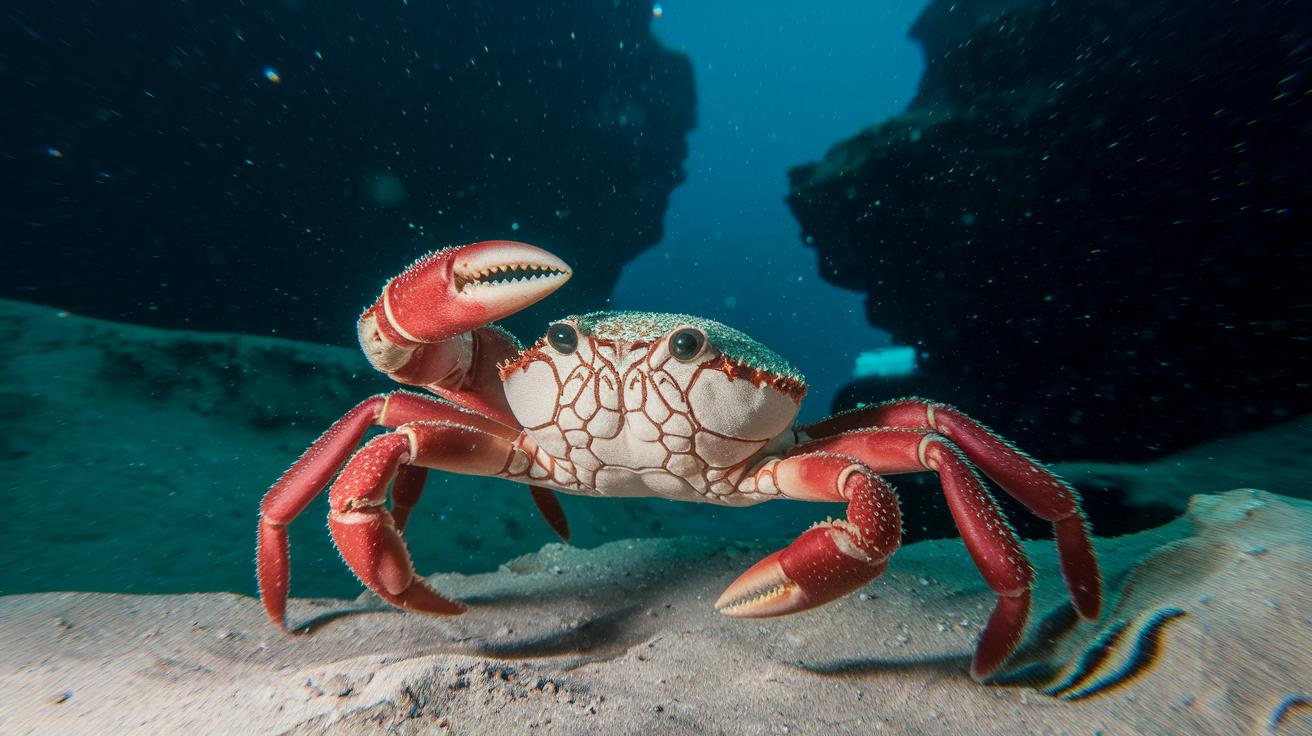
In the deep, dark ocean, this ruby red swimmer makes the most of its shadowy home by feasting on bits of organic debris. It hunts for what we call marine snow , tiny particles of falling organic matter that drift down through the water , and sometimes stumbles upon larger treats like a whale carcass. Imagine it as a gentle treasure hunt, with the crab carefully following a trail of nature's leftovers under low, mysterious light.
Female red crabs have a unique rhythm when it comes to making more crabs. They mate and then take about two years before starting the process again, focusing on one special, extended brooding session. Picture a quiet underwater scene where a female crab slowly begins to spawn, nurturing her eggs with care, a little mystery that has many curious minds wondering what sets off such a timing.
We still have many gaps in our knowledge about their early days. Scientists haven't yet mapped out the journey of tiny crab larvae as they drift with the slow, cool ocean currents until they finally settle in hidden juvenile spots. Think of a small crab being carried along through dark, uncharted canyons, its beginnings held close like one of the ocean's best-kept secrets.
Research Methods and Scientific Study of the Atlantic Deep-Sea Red Crab
Scientists are diving into the mysterious underwater world of the Atlantic deep-sea red crab using cool, high-tech tools like remotely operated vehicles on NOAA’s Okeanos Explorer. These small submersibles bring back live video and temperature readings that feel like a peek behind a secret door into nature's hidden realm.
Every day from 8 a.m. to 4:30 p.m., the crew uses submersibles and smart sensors to capture clear images and important water details. Researchers like Bradley Stevens and Richard Wahle record videos and other clues that show us how these clever crabs live and survive in cool, almost dark water.
At the same time, careful rules help manage the deep-sea red crab fishery. The rules let fishers catch only the male crabs while protecting the females so they can keep breeding. While this system helps to limit how many are taken, it still faces challenges because there’s much we don’t know about how many crabs there are or how often they reproduce. It’s a bit like solving a puzzle when many of the pieces are still hidden.
Fisheries, Market Dynamics, and Commercial Harvest of the Atlantic Deep-Sea Red Crab
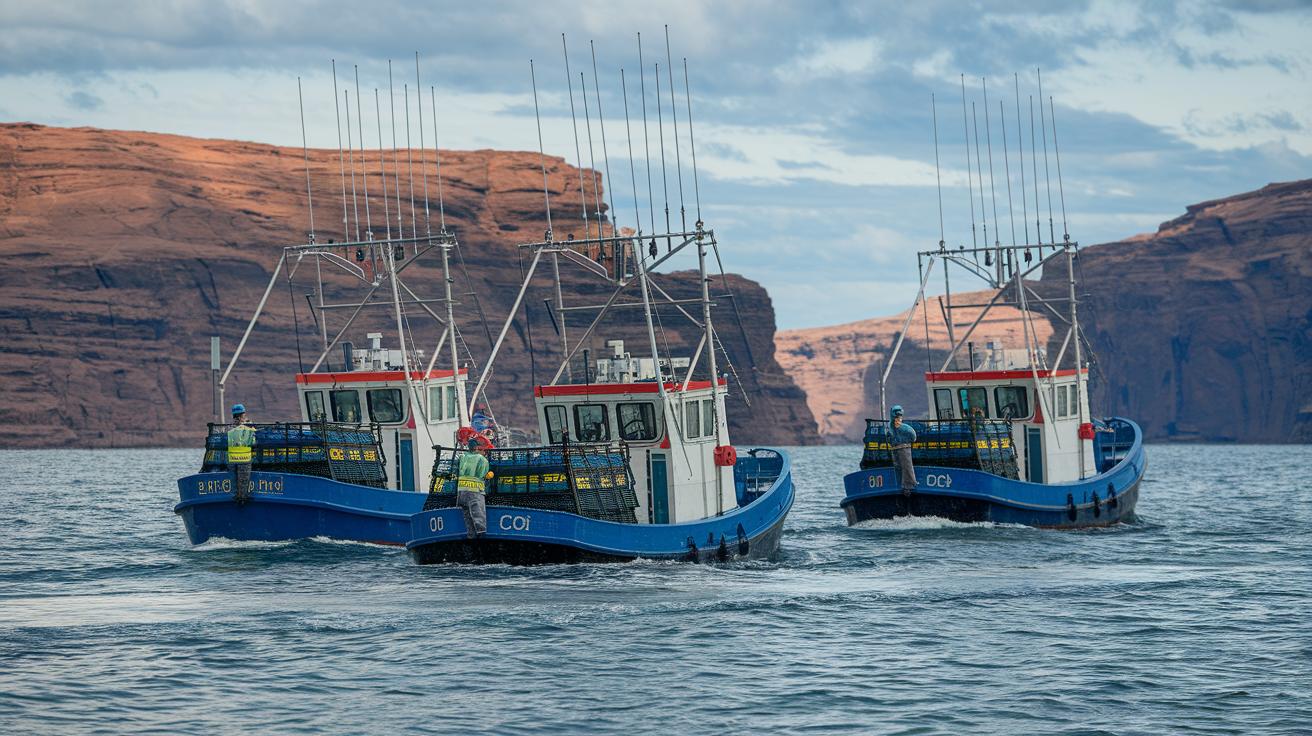
At Atlantic Red Crab Co., four strong vessels set sail each season, each carrying 150 carefully placed traps into the deep canyons where these crabs live. With each trip, nearly 3 million pounds of crabs are gathered, bringing in around $3 million. Every step in the process flows as smoothly as a gentle current, with timing and teamwork making sure the catch is steady and sound.
They use trusted fishing tools to keep an eye on the haul and to make adjustments as needed. This smart approach helps the crew reach just the right balance between a good catch and the health of the crab community.
The operation follows strict rules that only let them catch male crabs, setting an annual cap at 4 million pounds while protecting the females. Even though there isn’t a big local market for these crabs, the global demand is strong. About 3,000 pounds make their way to Asia by air every week, showing just how far these deep-sea gems travel.
Key points to note:
- Four sturdy vessels use 150 traps each season.
- Regulations allow a male-only catch up to 4 million pounds yearly, with the actual yield near 3 million pounds.
- Not a single female crab is harvested.
- The annual total is around 3 million pounds.
- The rough market value is $3 million per season.
- Every week, about 3,000 pounds are shipped by air to Asia.
Conservation Measures and Future Outlook for the Atlantic Deep-Sea Red Crab
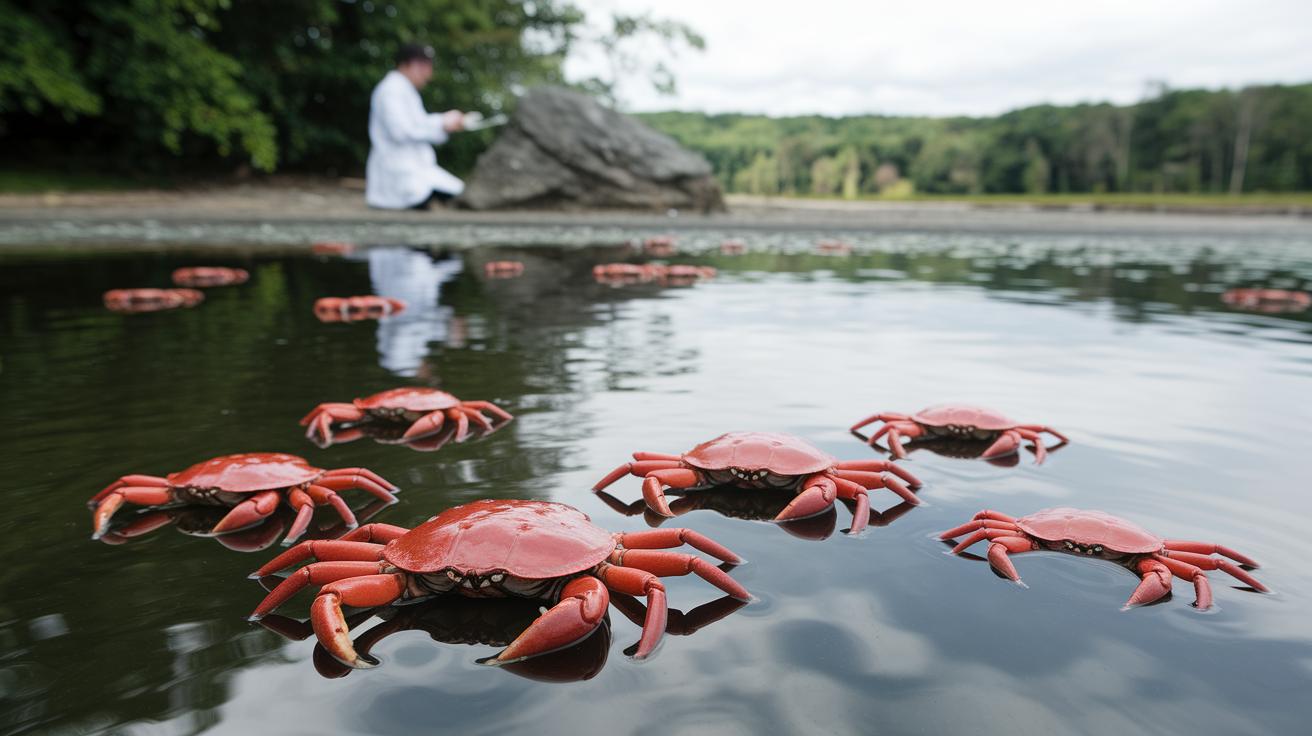
Local councils are carefully setting limits on how many crabs can be caught. They allow only male red crabs to be fished, up to 4 million pounds a year, while making sure the female crabs are left alone during their key spawning times. This plan is much like keeping a peaceful balance in a pond, ensuring that enough moms are safe to help the population grow again.
Scientists are also keeping an eye on how warmer ocean waters might change the crabs' deep, cool homes. They are studying if a shift in water temperature could disturb the crab families and their breeding routines. By watching these changes closely, they hope to offer new advice that will continue to help the crabs thrive, even as the ocean changes.
Final Words
In the action, this piece mapped out the biology, habitat, and physical traits of the atlantic deep-sea red crab. We talked about its unique body design, feeding habits, and the scientific techniques used for its study. Small sections covered market trends and crucial conservation efforts, too. The content wrapped up with insights on future research and sustainable management. It leaves us feeling hopeful and excited about supporting a healthy underwater world.
FAQ
Frequently Asked Questions
What does Atlantic deep sea red crab taste like?
The Atlantic deep sea red crab taste like a tender, subtly sweet seafood with a firm texture. Its flavor carries a hint of the ocean’s cool, deep-sea mystique.
Is Atlantic red crab edible and can you eat it?
The Atlantic red crab is indeed edible and prized for its firm, flavorful meat. Chefs and seafood lovers alike enjoy it in various dishes for its unique taste.
Where can I find Atlantic deep sea red crab for sale and what is its price?
Atlantic deep sea red crab for sale is available through select commercial fisheries. Its price usually reflects its premium quality, limited supply, and export demand.
What is the habitat of the Atlantic deep-sea red crab?
The Atlantic deep-sea red crab habitat lies in mid-Atlantic canyons at depths ranging from 600 ft to over 5,000 ft, where cold, dark waters create the perfect environment for scavenging.
How does the diet of Atlantic deep sea red crab compare to other red sea crabs?
The Atlantic deep sea red crab diet focuses on marine snow and carcasses, similar to other deep-sea scavengers. This feeding habit helps recycle nutrients on the ocean floor.
What are the differences between Atlantic red crab and snow crab?
The Atlantic red crab features a firm, sweeter meat with a distinct orangish-red shell while snow crab offers a more delicate texture and milder flavor, giving each a different dining experience.
What is the Atlantic red crab?
The Atlantic red crab is a deep-sea crustacean known for its vibrant red shell, robust body structure, and adaptation to cold, deep Atlantic waters, making it a unique marine species.