

Ever wonder if you're overdoing it or not doing enough with your aquarium water? Your tank deserves a gentle refresh, like the calm bubbling of a mountain creek that keeps everything clear and inviting.
I tweaked my own water change routine, and wow, my fish started to thrive! In this article, you'll learn just how often to change your water so your underwater world stays bright and healthy.
Get ready to dive into a simple routine that keeps those waters sparkling and your aquatic buddies happy.
Ideal Frequency for Aquarium Water Changes
Keeping your tank as fresh as a mountain creek is easier than you might think. For lively aquariums filled with fast-growing plants and busy fish, doing a water change every week works wonders. I once set my tank on a weekly schedule and it felt like a sparkling spring stream flowing through. Regular water swaps help flush out extra nitrates and bits of organic waste that can cloud your water.
If your tank is a bit quieter with fewer fish or slowly growing plants, you can stretch the water change interval to every 2 to 4 weeks. This gives your little underwater world time to settle and keeps the water chemistry just right.
When you have high-quality tap water, you might even get away with a full 100% water change. Many breeders take it a step further with daily changes, especially when raising fry, so that every drop is crystal clear and perfect for rapid growth. But if you’re not sure about your tap water quality, replacing about 30% of the water is a safe bet. It refreshes the tank without shocking your fish or plants.
Regular changes do more than just lower nitrates, they also help keep algae in check and maintain steady oxygen levels. Every aquarium is unique, so playing around with your schedule a little can make a big difference in keeping your underwater world thriving.
Experimenting with these water changes might just become one of your favorite tank care rituals, as you watch your aquatic garden flourish day by day.
Key Factors That Affect Water Change Intervals
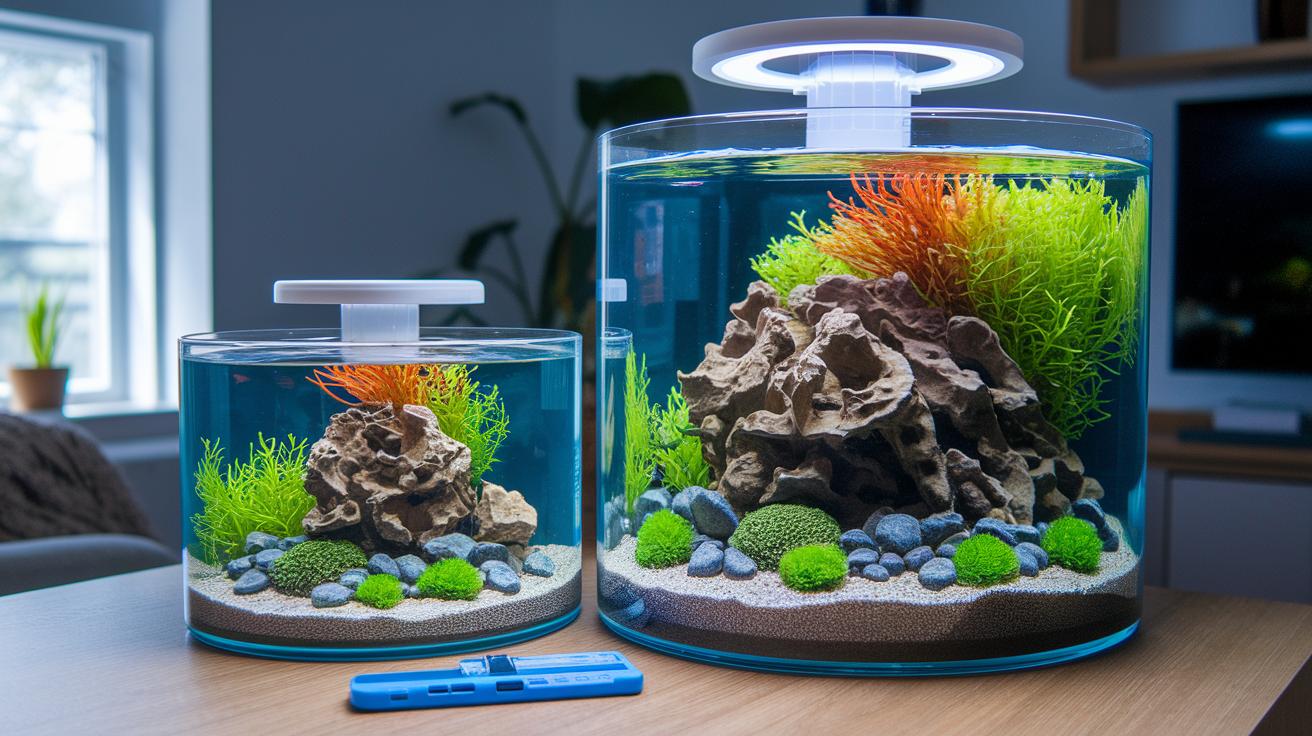
When you’re taking care of your aquarium, a few key factors decide how often you should refresh the water. First off, tank size makes a big difference. In a small tank, harmful substances like ammonia and nitrite can build up quickly, so you might need to change the water every week. In bigger tanks, there’s more water to spread out the waste, meaning you can wait a bit longer between changes.
Another important point is how crowded your tank is. If you have lots of fish or fast-growing plants, there’s more waste created. That extra build-up means you’ll probably need to refresh the water more often to keep everything balanced. If there are only a few inhabitants, you might be able to stretch the time a bit, but regular water tests will help guide you.
The filter you use and how well you maintain it also plays a big role. Filters with sponges or foam grab debris as soon as it appears, keeping the waste down. When your filter is in good shape, you might not have to change the water as often. But if it isn’t working properly, more frequent water changes could be necessary.
You might even notice extra algae growing if the water chemistry isn’t right. Lots of algae can lower oxygen levels, which is a clear sign that a water change could help restore balance.
For saltwater tanks, the schedule for water changes tends to be a bit stricter to keep the right salt balance. Freshwater setups, especially those using consistent tap water, can sometimes go a little longer between changes. All these factors work together to ensure your tank stays healthy and thriving.
| Factor | Impact on Change Frequency |
|---|---|
| Tank Size | Smaller tanks need more frequent changes |
| Stocking Level | More fish or plants produce extra waste |
| Filter Efficiency | A good filter lowers waste buildup, so you change water less often |
| Algae Buildup | Extra algae means the chemistry is off, signaling a need for water refresh |
| Tap Water Quality | Stable water can let you extend intervals; unstable water calls for careful scheduling |
Selecting the Right Volume: Partial Versus Complete Water Replacement
When you're planning a water change, imagine it as the gentle flow of a stream that refreshes your tank. When your tap water is reliable and in top condition, you can go ahead with a full water change. This method works wonderfully for fry tanks where every drop counts for clarity and healthy growth. I remember switching my fry tank to a full daily change, it felt like watching a clear river renew itself for its tiny swimmers.
If you're not sure about your tap water or want to keep the water chemistry steady, try a 30% partial change. This gentle refresh is like adding just a splash of fresh water to a slowly growing pond. It helps lower waste without shocking your fish and plants with sudden changes.
For tanks with water that has extra heavy metals or high hardness, a smaller exchange might work best. Changing only 10–20% of the water can help keep chemical levels steady. This is especially handy if your setup includes materials like Seiryu stone or limestone, which can affect water hardness. It keeps the water chemistry as balanced as a naturally flowing stream.
Using these tips, you can adjust your water change routine based on your tap water quality and your aquarium's needs. This way, your tank keeps shimmering like a peaceful aquatic haven.
- 100% full change for top-quality tap water and fry tanks.
- 30% partial change as the go-to for most setups.
- 10–20% partial change when dealing with heavy metals or high hardness.
Customizing Water Change Schedules for Tank Size and Stocking Levels
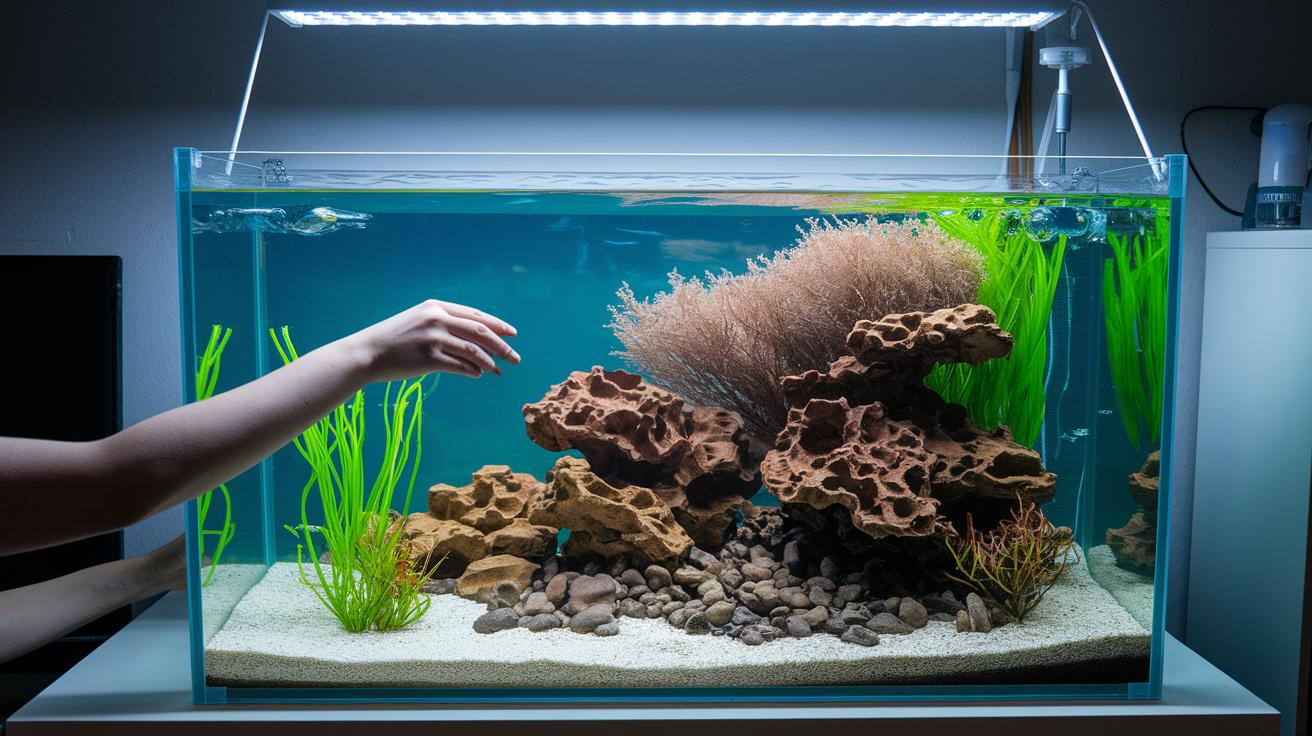
When your aquarium is small, say between 10 and 20 gallons, waste like ammonia, nitrite, and nitrate can pile up pretty fast. It’s a good idea to change about 20–30% of the water every week so your fish aren’t swimming in toxins. I like to test the water for nitrates regularly, kind of like checking the water’s pulse, to make sure everything stays fresh, especially if you've got goldfish or tiny tropical fish that react quickly to any changes.
In larger tanks, over 20 gallons, the extra space means waste builds up more slowly. For these setups, I recommend checking the water once a month and replacing around 30% of it. Some of us who keep lots of fish or have extra plants might even do a water change every two weeks. This flexible approach means you can adjust your routine based on the water test results, helping you maintain clear, clean water that feels as refreshing as a cool stream.
For tanks that are set up for breeding or raising fry, the need for clean water is even more crucial. Young fish need extra care, so doing a full water change daily or every other day is like giving the tank a little reset, a fresh stream just for them. This helps them grow strong and healthy by keeping harmful chemicals at bay, much like keeping a tiny, bubbling brook clear for its little swimmers.
Testing Water Quality to Determine Refresh Timing
Using a quality test kit is like having a friendly conversation with your aquarium. It shows you the secrets of your tank's water, letting you know when something isn’t quite right. Have you ever noticed how a tiny change in pH can feel like a gentle whisper telling you that your water needs a little extra care? By testing for chlorine, pH, phosphate, ammonia, and nitrate, you catch those signs early and keep your fish and plants safe.
For smaller tanks, fish waste can build up quickly. That’s why checking nitrates every week is a smart move. In larger setups, a monthly look at both nitrates and ammonia usually does the trick. And if you spot some extra algae floating around, it might mean your water is low on oxygen or has too many nutrients, so a bit of a water change can work wonders.
Keeping an eye on your water’s quality isn’t just about a routine, it’s about listening to what your tank is telling you. When the numbers start to stray, it’s a clear cue to refresh the water and restore balance. By testing regularly and acting quickly when needed, you help your aquatic friends thrive in a clean, sparkling habitat.
Step-by-Step Guide to Safe Aquarium Water Changes

Preparing Replacement Water
Start by gathering your trusty tools, a siphon, some water buckets, and either sponge filters or foam pads. First, test your tap water for pH, chlorine, and other bits, like checking the clarity of a gently flowing stream. Make sure the new water's temperature matches your tank’s water so your fish don’t get a shock, kind of like waiting for your tea to cool just right. Then, add a dechlorinator to clear out any harsh chemicals, ensuring your aquatic pals have a safe, sparkling home.
Removing Old Water and Cleaning
Next, use your siphon to carefully take out the right amount of water. While doing this, let the siphon vacuum the substrate to clear away algae and any debris, much like gently raking leaves from a garden path. If your filter media needs a wash, rinse it with care to keep the friendly bacteria safe and sound. This balanced clean-up helps keep your tank as clear and inviting as a calm, sunlit creek.
Adding Treated Water and Restoring Equipment
Finally, slowly add the treated water back into your tank. Pour it gently so that it blends with the existing water, much like a delicate stream merging with a calm lake. Check that the water level is back to its mark and that the temperature remains steady. Once everything is in place, restart your filter and any other equipment, and take a moment to watch your fish glide happily through their refreshed home, proof that a little care goes a long way.
Final Words
In the action of maintaining your tank, we walked through ideal intervals, factors that influence change frequency, and the best methods for partial or full water swaps. We also looked at testing water quality and following step-by-step guides to keep your aquatic friends happy.
Every care step affects your overall water quality. Keeping track of how often should you change aquarium water helps create a comfortable and clean underwater space. The process is simple and effective, enjoy watching your aquatic habitat thrive!