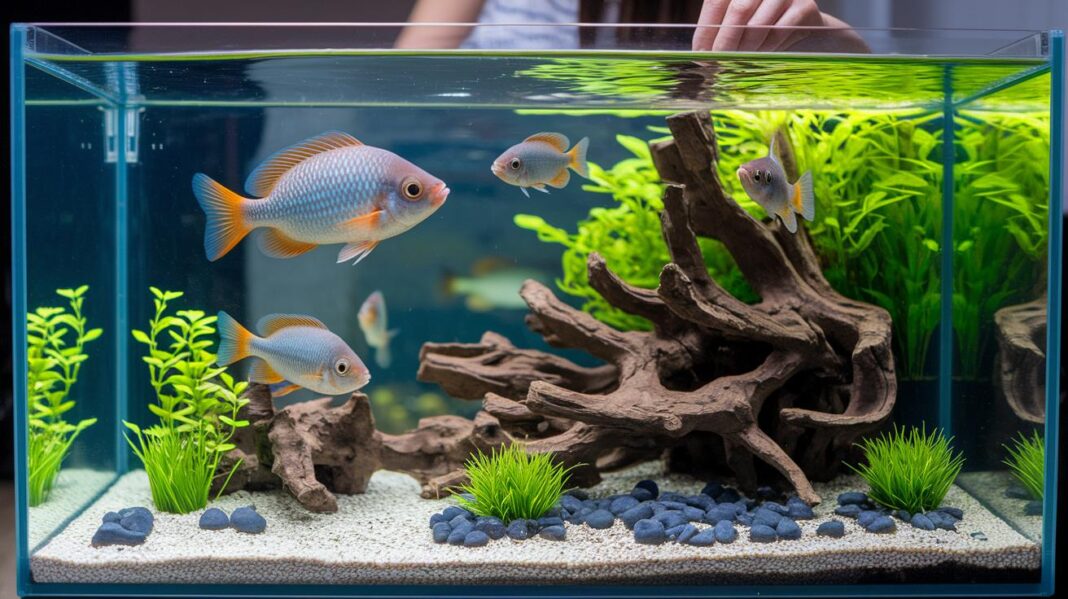

Ever wonder if your fish feel bogged down by old water? Changing a bit of water is like giving your aquarium a little refreshing bath. It clears away the waste and toxins that can weigh them down, just like a light rain washing over smooth pebbles.
Fresh water brings the minerals your fish need to swim happily, almost like a gentle burst of mountain spring water. This simple routine not only washes away harmful buildup but also helps the tank stay naturally balanced. Read on to discover how regular water changes can help create a vibrant, healthy home for your aquatic friends.
Benefits of Regular Aquarium Water Changes Increase Vitality
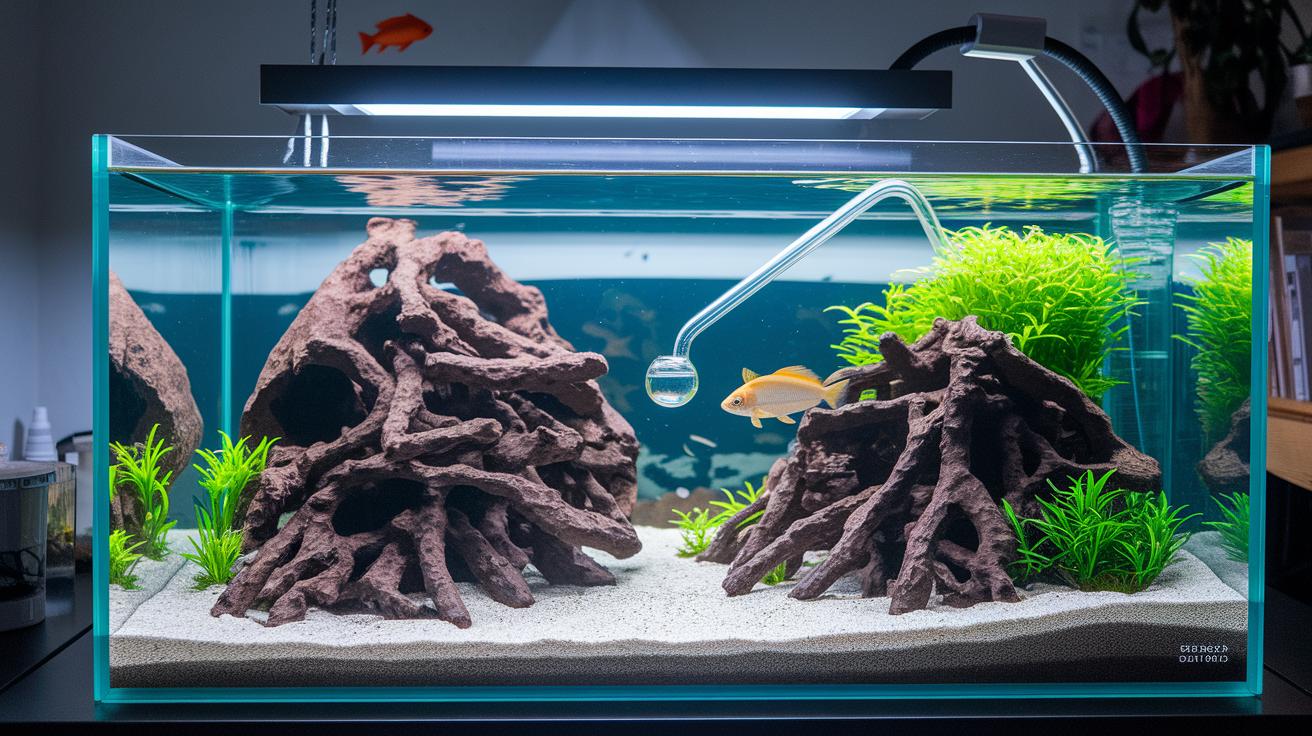
Regular water changes help clear out hidden waste like fish droppings, leftover food, and bits of dying plants. This simple step stops harmful stuff like nitrates and phosphates from building up and stressing out your fish, much like a gentle stream refreshes a quiet pond.
Switching out part of your tank water is a bit like giving your tank a mini spa day. Tap water often adds useful minerals such as iodine, copper, manganese, and zinc that your fish and friendly filter bugs need. Over time, these elements can run low, so a weekly change fills them back up and keeps the natural balance steady.
It also sweeps away tiny toxins that regular tests might miss. Think of it as a deep clean for your tank. You get rid of pollutants hiding in the gravel while bringing in fresh water that boosts the whole ecosystem.
Regular water changes are like hitting a reset button on your aquarium. They stop bad substances from piling up and keep your tank healthy and happy. Ever notice how refreshed your fish seem after a change? In one tank, regular changes cut algae blooms nearly in half in just a few weeks!
Removing Nitrates and Phosphates with Aquarium Water Changes
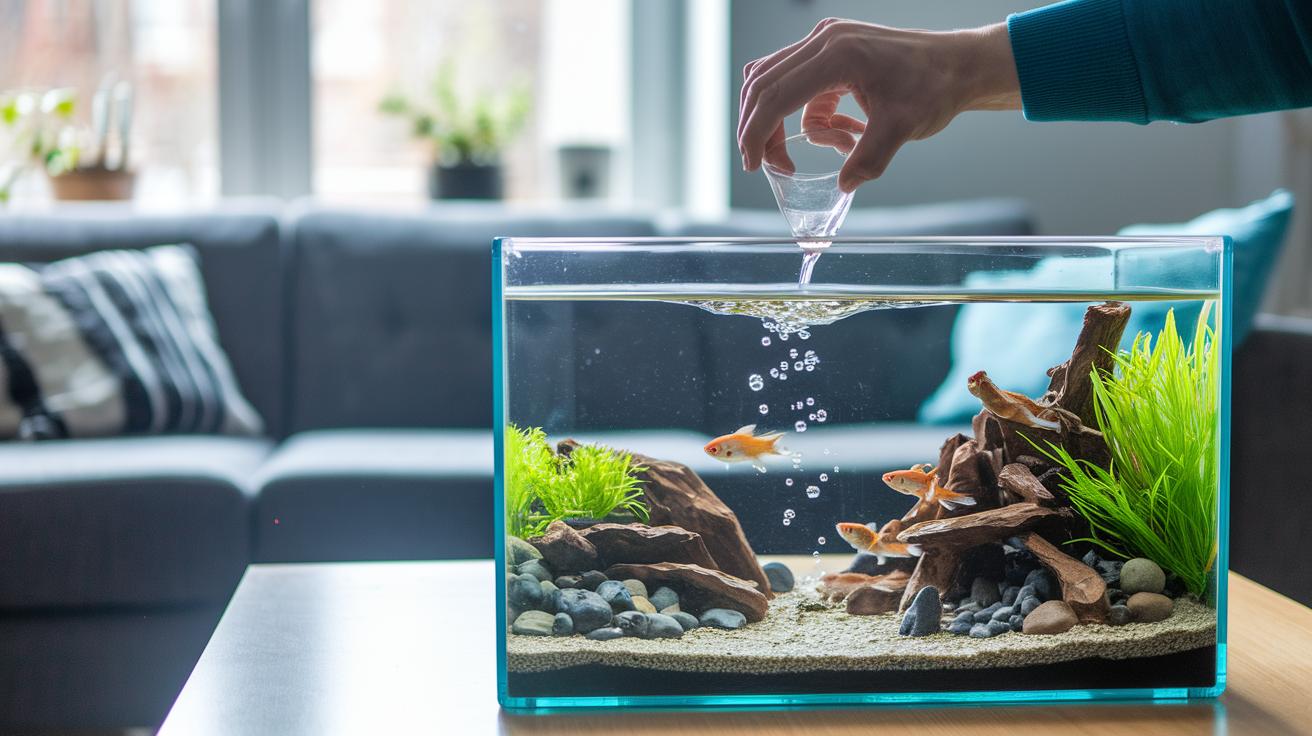
Too many nitrates and phosphates can make your fish stressed and encourage green algae to take over. These compounds come from fish waste, leftover food, and bits of decaying organic matter. When they build up, unsightly algae can start growing, making your tank look cluttered and unhealthy.
Water changes work like a regular room cleaning, they clear out the bad stuff before it piles up. Imagine tidying your room often so that mess never gets overwhelming! This simple step helps remove suspended solids and hidden organic waste that basic test kits might miss.
By refreshing your aquarium water regularly, you keep your tank clear and your fish comfortable. It’s a small effort that brings a big reward, just like the calm ripple of water on smooth stones.
Replenishing Trace Elements and Chemical Balance
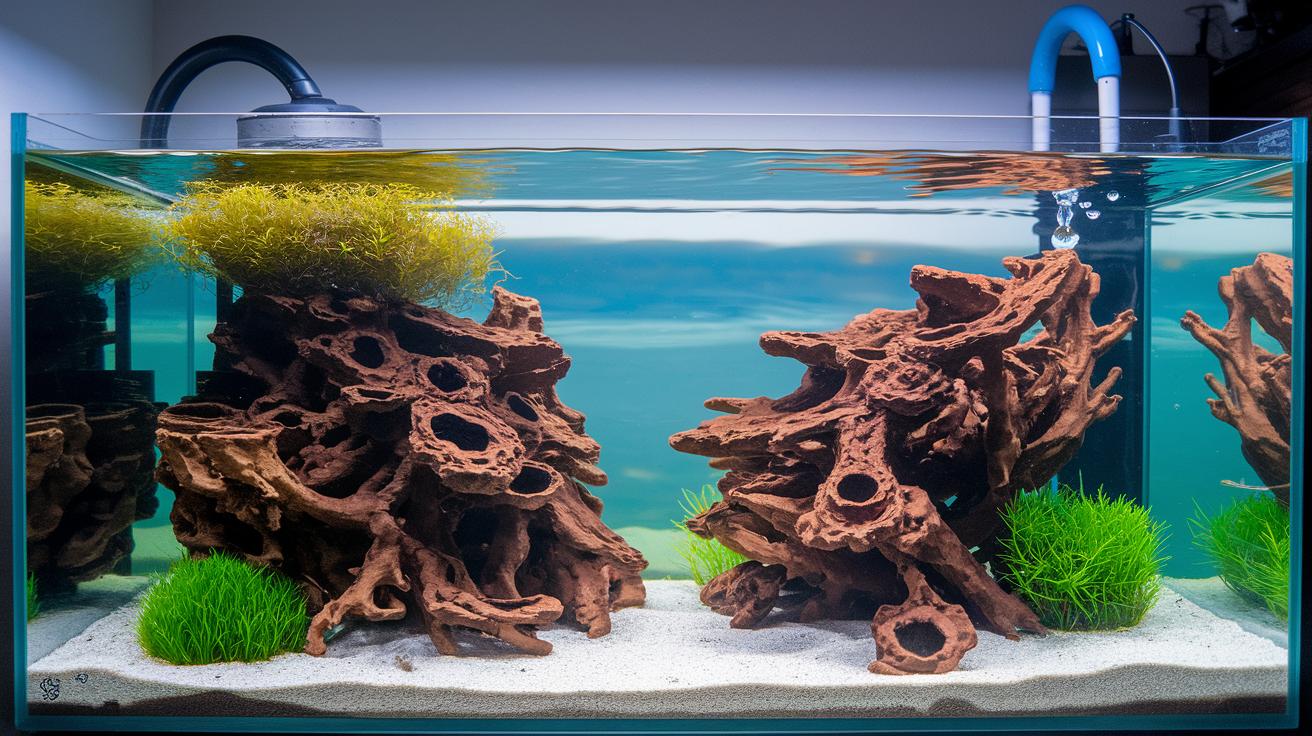
Regular water changes help bring back important minerals like iodine, copper, manganese, and zinc. Adding a few extra ones, such as molybdenum, vanadium, nickel, cobalt, iron, and selenium, keeps the water chemistry balanced. These additional trace elements help maintain a steady environment that supports a healthy biofilter, the quiet helper that keeps your tank clean.
Refreshing your water also supports an ideal pH level. Think of it like setting the stage for friendly microbes that work hard to break down waste. Ever picture your aquarium’s pH as the calm surface of a peaceful pond? It creates a perfect habitat for those tiny, busy caretakers.
Mechanical Cleaning and Algae Control through Aquarium Water Changes
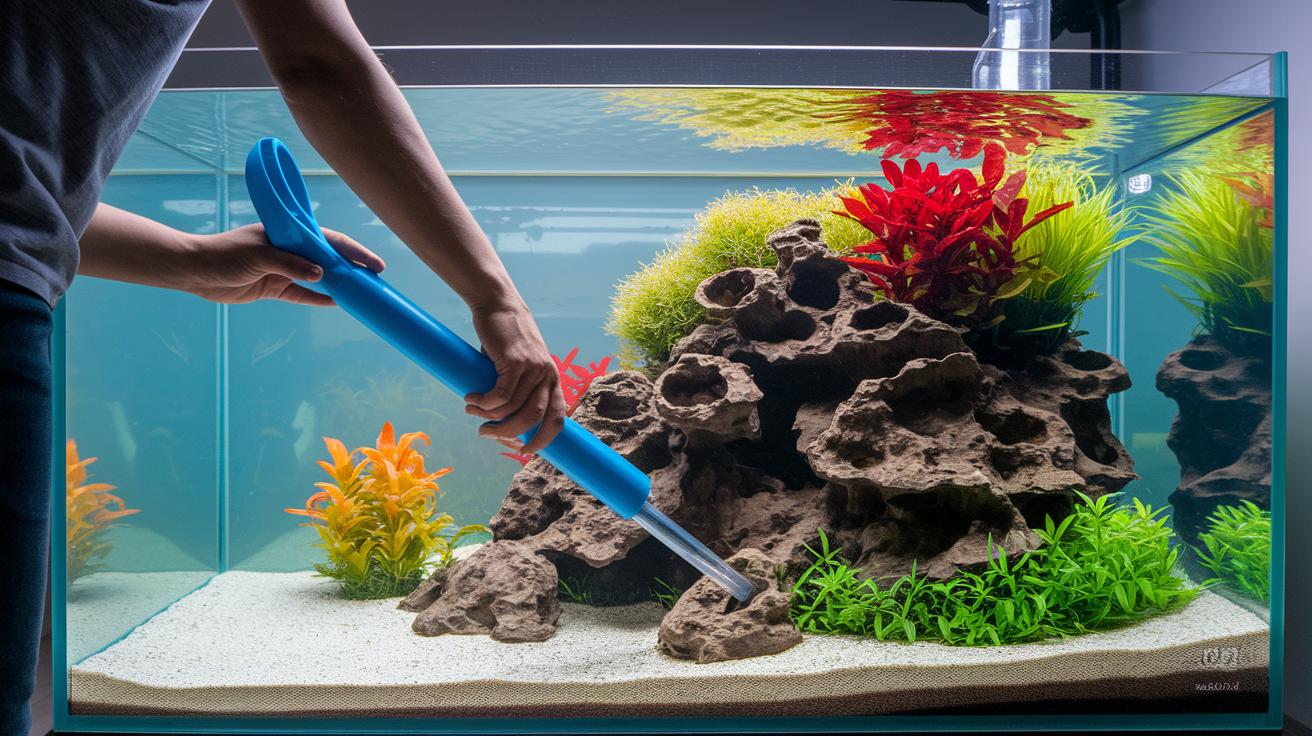
Regularly changing part of your aquarium water is like giving your tank a refreshing spa day. It opens up a chance for you to roll up your sleeves and tidy up the tank, just like sweeping away sand at your favorite beach. While you change the water, you can vacuum the gravel to suck up little bits of debris that settle over time.
This easy step not only clears away hidden waste, but it also helps reduce algae. When you wipe the tank walls and decorations, you let more light in, which your aquatic plants love. It’s a bit like cleaning a window to watch the sunshine dance on the water. For more simple cleaning tips, check out this guide on keeping your tank clear.
Doing these water changes also gives you a chance to trim overgrown plants and gently stir up the substrate. This extra care refreshes your tank and creates a healthier environment for your fish. It's similar to giving your garden a light trim, small changes that make a big difference.
Monitoring Fish Health During Aquarium Water Changes
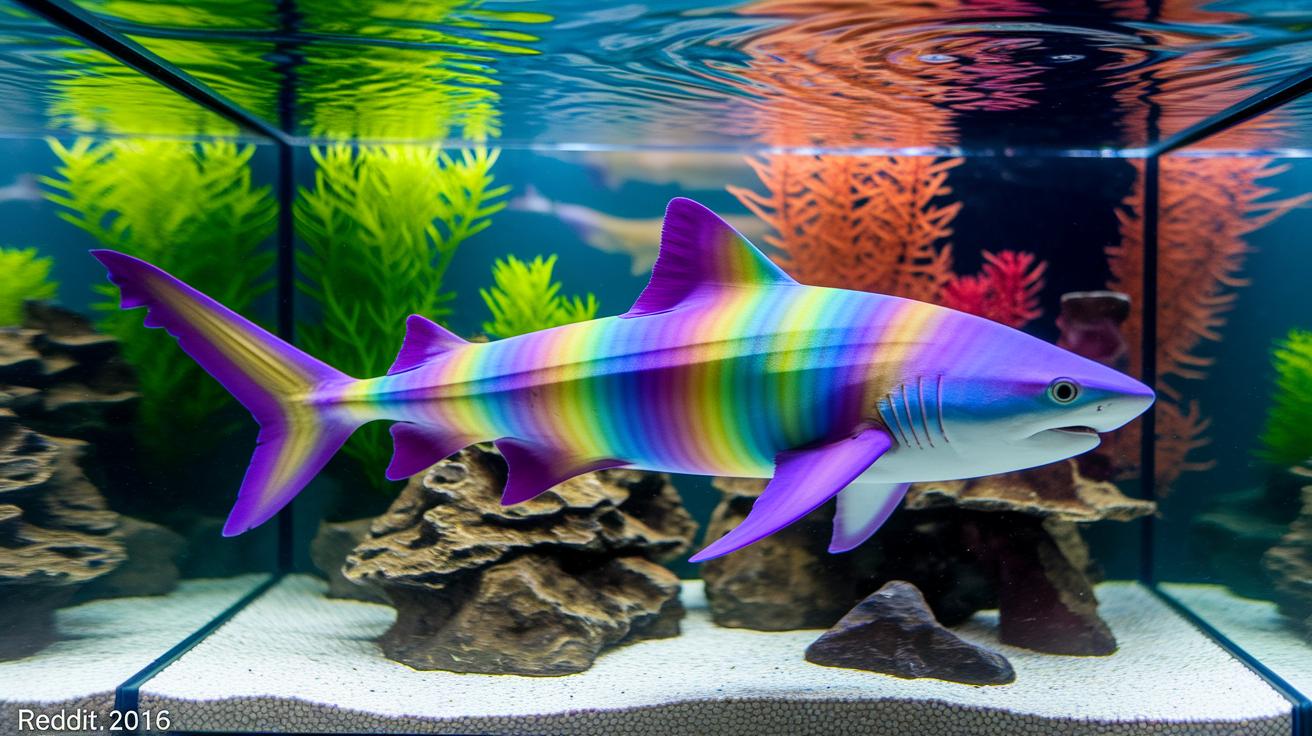
Changing your aquarium water is a chance to really check in on your fish friends. When you add or remove water, you can get an up-close look at each fish and catch early signs that something might be off. For instance, if a rainbow shark usually bursts with bright colors but suddenly looks faded, it could be a clue that it’s not feeling its best.
Take a moment to look over your fish carefully. Notice if any fins look damaged, if unusual spots appear, or if swimming patterns change suddenly. These little observations may seem simple, but they can help you stop problems before they grow.
- Examine each fish closely
- Watch for any changes in their behavior
- Act quickly if you spot something unusual
Using water changes as a chance to do a health check helps protect your aquatic pals and keeps your tank a safe, lively space. Isn’t it wonderful how these small moments can make such a big difference for your underwater world?
Frequency and Scheduling for Aquarium Water Changes
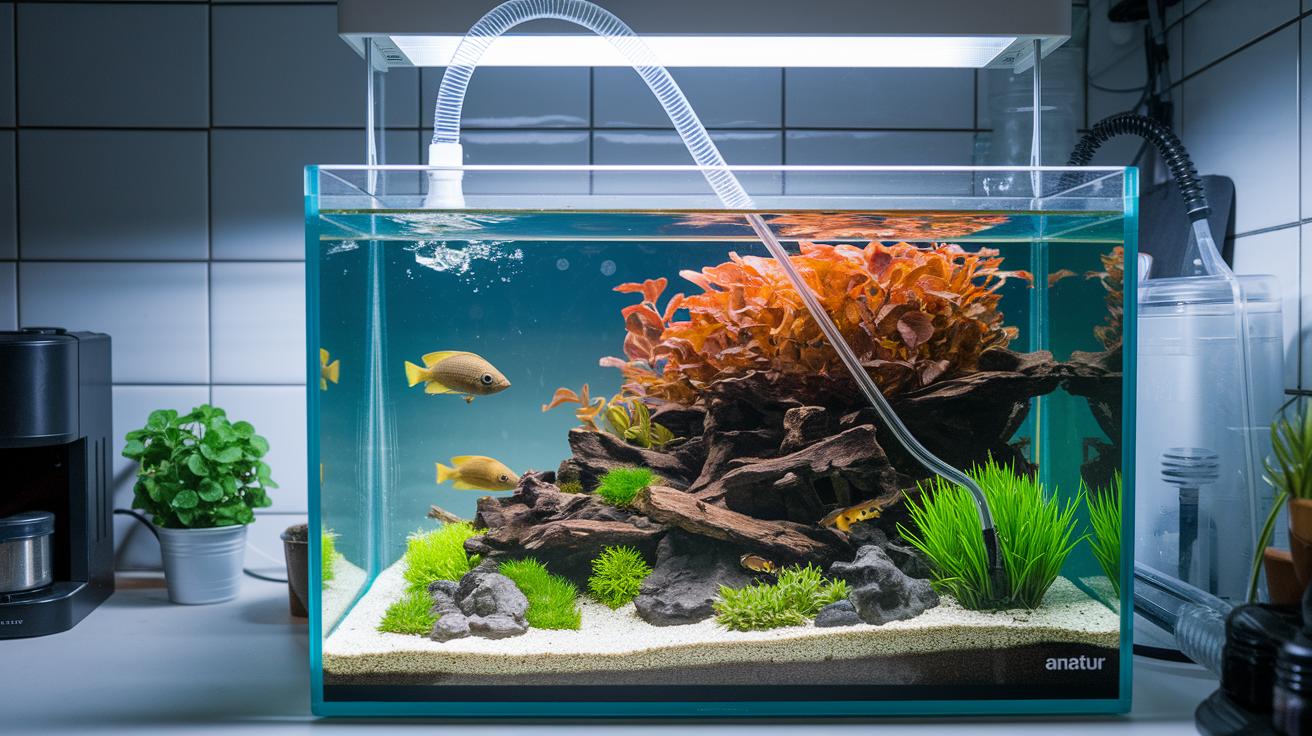
If your tank is buzzing with fish and growing fast, regular water changes are key to keeping things fresh. Think of it like giving your aquarium a little spa day every week. By doing a partial change each week, you help sweep away waste and keep the minerals at just the right level. It’s much like tidying your room on a busy day, simple, effective, and refreshing for both your fish and the hardworking bacteria that break down their leftovers.
For tanks that aren’t as crowded or that develop more slowly, changing the water every 2 to 4 weeks is usually plenty. A gentler routine helps maintain stable water conditions while keeping the natural balance undisturbed. Even if your tank is quiet, it’s a good idea to mark a spot in your calendar to prevent any build-up of solids or hidden toxins.
If your tap water is top-notch, you can swap out about half to all of the water. But if you’re not sure about the water quality, it’s best to play it safe and do a 30% change. This careful approach makes sure you keep the right levels of trace elements and minerals for a happy, healthy tank.
For more cool tips on setting up your very own water-changing routine, check out the best practices for aquarium water changes at the link provided.
| Aquarium Water Change Tips |
|---|
| Plan your changes based on how many fish are swimming around. |
| Use a calendar to stick to your fluid renewal schedule. |
| Adjust the water volumes depending on your tap water quality. |
Tailoring Water Change Percentages to Tank Conditions
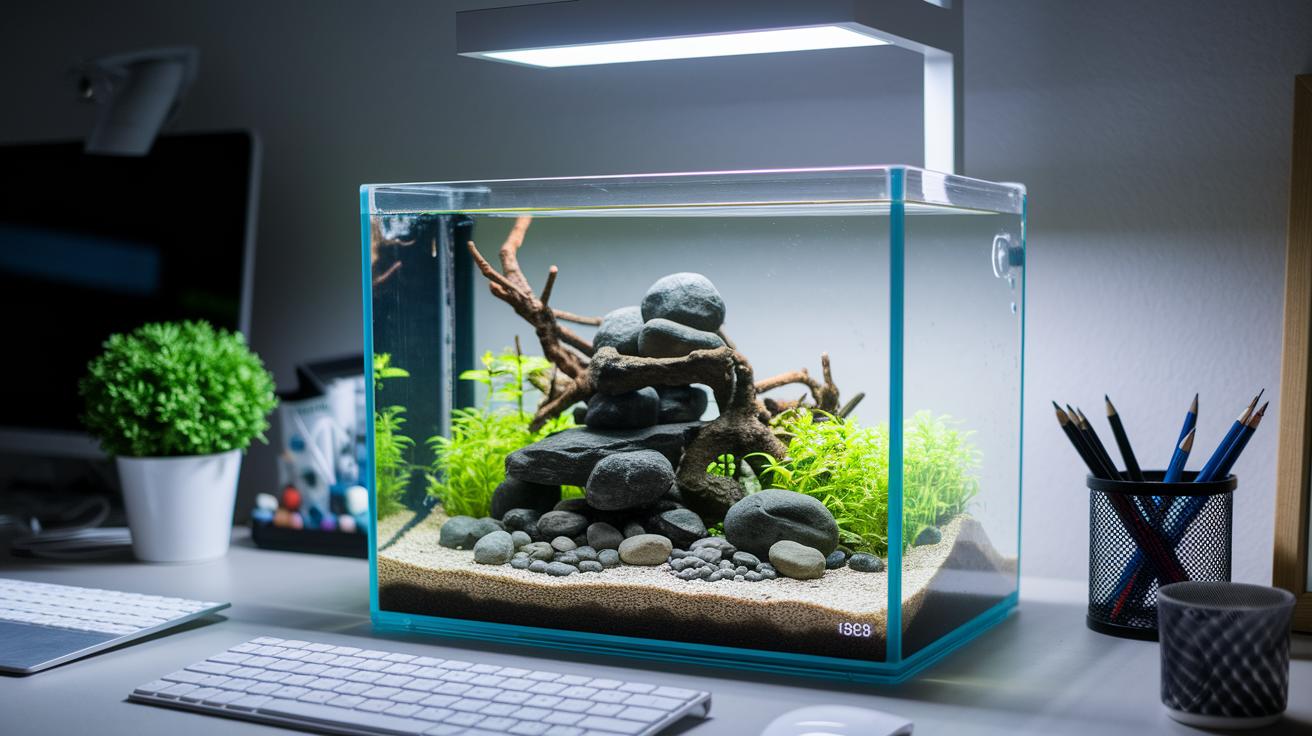
Keeping your aquarium happy is a lot like adjusting the flow of a gentle stream. Each tank has its own character, so you want to fine-tune how much water you change to match its unique needs. For example, if you're using Seiryu stone in your tank, sticking to about a 30% water change works best. This small adjustment helps keep the water’s carbonate hardness in a comfy range (about 4 to 7 dKH) and avoids sudden shifts that might upset your fish.
If your tap water carries extra heavy metals, you might only swap out 10% to 20% of the water. This careful change helps prevent those unwanted elements from building up, keeping your tank safe and calm.
Sometimes, special setups, like breeder tanks, call for a different routine. In these cases, some hobbyists even change 100% of the water daily to support fast fish growth. But when you’re unsure about your water’s exact qualities, a steady 30% change is usually the safest route. It’s kind of like fine-tuning a delicate machine, getting the balance just right means you control both the buildup of unnecessary minerals and the loss of those essential, trace elements.
- Use around 30% water change when you have Seiryu stone.
- If heavy metals are found in your tap water, change only 10%-20% of the water.
- In specialized breeder setups, some aquarists practice nearly complete water changes daily.
This thoughtful approach makes it easier to manage nutrients and minerals, keeping your aquarium environment stable and vibrant, like watching light dance gently on the water.
Final Words
In the action of refreshing your tank, you take active steps to clear hidden waste and keep your aquatic home balanced. The post captured how routine water changes lift away debris, bring back needed trace elements, and even spot fish health early. Small shifts in change percentages can make your tank look neat and feel calm. The benefits of regular aquarium water changes shine through, boosting water quality and keeping your fish happy.