
Have you ever wondered if your water might be keeping a secret or two? Whether you’re nurturing a cozy aquarium, taking a dip in a home pool, or simply turning on the tap, knowing what’s really in your water is key. It’s like checking that the gentle ripple in your tank is just as clear as it should be.
Testing your water is a bit like giving your favorite fish a clean, safe home. It helps keep your fish happy, protects your family, and stops problems before they even start. In this piece, we’re chatting about two ways to test your water: quick DIY strips that give you fast hints and detailed lab tests that dive deep into the details.
I’ll also share some tips on picking a test kit that fits your needs perfectly. Imagine finding just the right tool for your tank, it makes you feel secure and ready for anything. So let’s explore how a trusty, precise test kit can bring you a wave of peace of mind.
Selecting the Best Water Quality Test Kit for Your Needs
If you own a house, love your aquarium, or keep a pool, testing your water is like watching over a little pond to keep it calm and balanced. Whether you're using city water or drawing from a private well, knowing what's in your water can help you avoid problems like scaling, harmful bacteria, or chemical swings that can stress your fish or even interfere with drinking water. I remember a family who used a simple kit on their tap water and felt extra at ease when the pH levels stayed neatly between 6.5 and 8.5.
There are two main types of kits to consider: do-it-yourself strips and send-away kits. The DIY strips give you a quick, colorful snapshot of your water's basics, though they won't pick up every little detail and sometimes matching the colors can feel a bit up in the air. On the flip side, send-away kits are handled by certified labs that check for over 100 different issues and then give you a detailed online report. One pet owner mentioned, "The in-depth report made it clear which issues to address," making it a great option if you're looking for a deeper dive.
Choosing the right kit really depends on your water and what you need to learn about it. For city tap water, a simple home test can do the job, especially if you're just keeping an eye on things for everyday safety, or even checking for nitrate risks when you're expecting a new baby. However, if you have a private well or you want a more thorough check, a lab-based kit might be the way to go. And if you're an aquarium enthusiast, you can even find kits that measure key areas like ammonia and hardness, ensuring your fish enjoy a healthy habitat. In truth, it all comes down to how fast you need your results, how much detail you're after, and what fits your water source best.
Comparing DIY Strips and Laboratory Send-Away Water Quality Test Kits
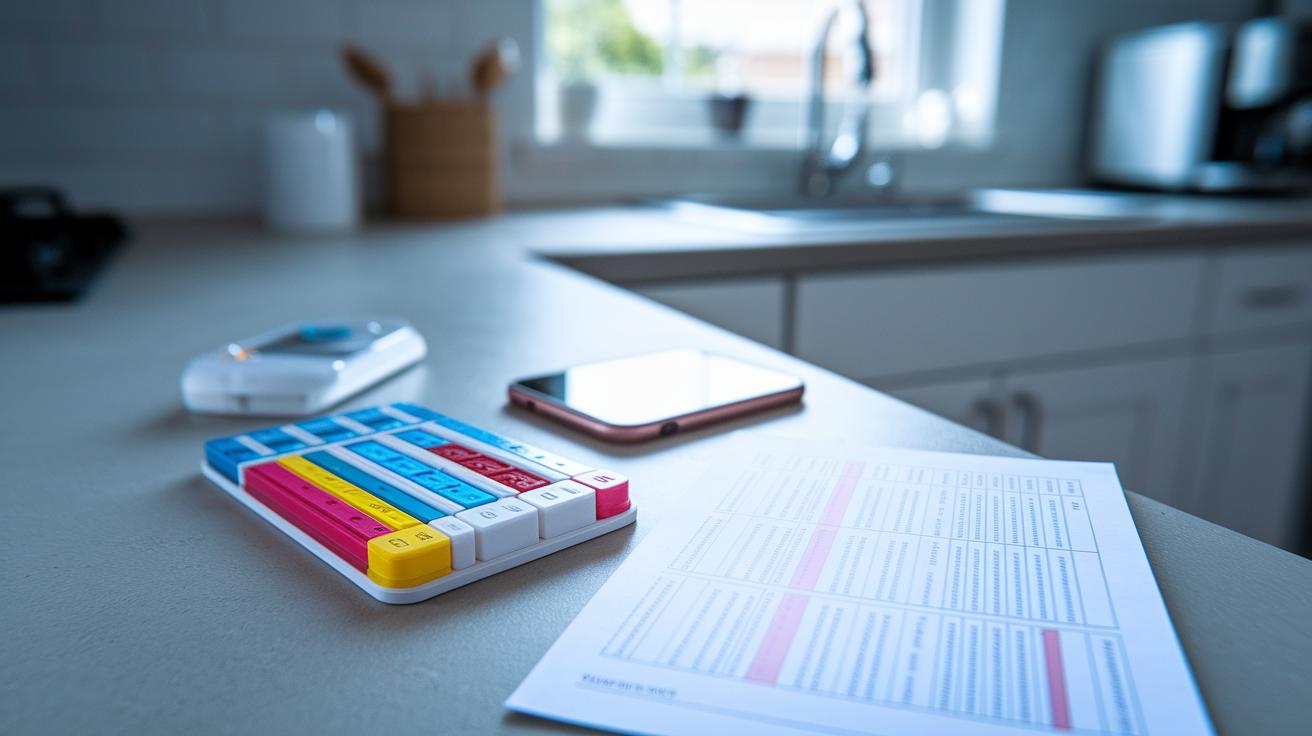
DIY kits give you fast results using an easy strip test. You simply dip the strip in your water and match its colors to a guide. It's like a quick checkup for your tank, making it useful when you're on the go. But these kits only spot a few contaminants and depend a lot on your own judgment. In fact, about 15% of users might skip steps that help confirm the results, which can lead to differences between tests. Some fellow hobbyists say, "It's like a fast checkup, but you might miss some hidden impurities." Even though these kits tend to cost less, their long-term reliability and the chance of user error are points to consider.
Laboratory send-away kits, on the other hand, use top-notch lab equipment to screen for over 100 contaminants. After you collect your sample, you send it off to the lab and get a detailed online report within 2–7 days. Sure, mailing your sample might feel a bit slow, but the clear and thorough report leaves little room for doubt. Many fish lovers appreciate how this report turns guesswork into precise guidance for taking care of their tanks. While these kits generally cost a bit more, their long-term accuracy and detailed analysis make them a trusted choice for serious aquarists.
Essential Contaminants and Parameters in a Water Quality Test Kit
When it comes to checking your water, a test kit looks at two main groups: chemical measures and biological checks. The chemical tests cover things like pH, total dissolved solids (a way to measure the minerals in your water), hardness, chlorine leftover, nitrates, arsenic, and lead. For example, a pH tester helps keep your tap water in a safe range of 6.5 to 8.5, while a dissolved solids meter tells you about the tiny bits of minerals floating around. The hardness measure even tells you if your water is soft or tough, which can affect its taste and cause unsightly build-ups like tiny rock formations along your pipes.
On the biological side, the kit checks for living intruders such as coliform bacteria and other tiny pathogens that might cloud your water's clarity or impact your health. You might use a chlorine tester and see just a whisper of chlorine in the water, much like a gentle reminder that your water has been disinfected and is ready for use.
Health and system details are key when reading your water test results. High nitrate levels, for instance, can be a health risk for infants, so a careful reading can alert you if things are off. Hard water, on the other hand, might change how your water tastes and even leave layers of scaling on pipes or your favorite aquarium decorations. Nowadays, some kits even include ways to spot PFAS compounds, chemicals that are important to monitor. For those with fish tanks, specialized kits go further by testing ammonia, nitrite, and nitrate, helping you keep the pulse of your aquatic home steady and your aquatic buddies happy.
water quality test kit: Reliable and Precise
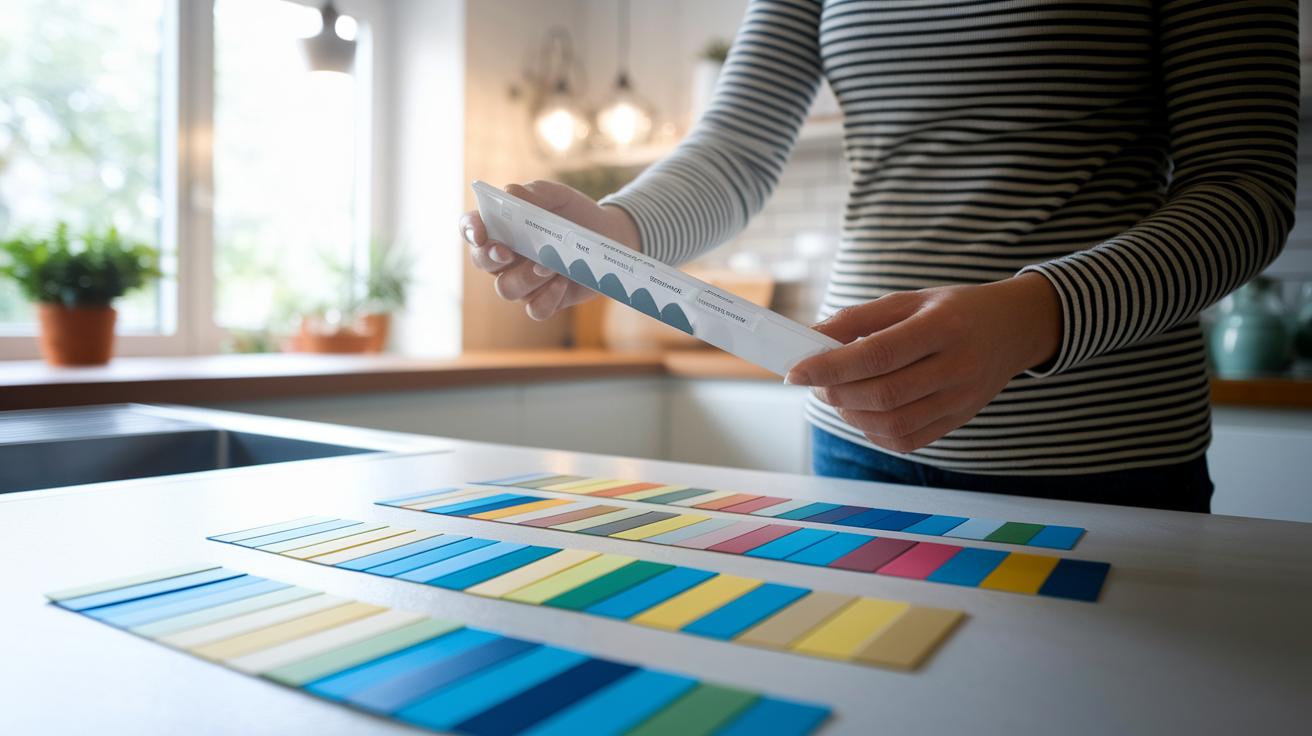
Before you dive into testing your water, gather all your in-home water gear and any portable aquatic checkers you have handy. Whether you’re using a quick DIY strip kit or a send-away kit for lab-grade details, these steps will help you get clear, accurate results.
- First, grab a water sample from the spot you want to test. It could be tap water, aquarium water, or even pool water.
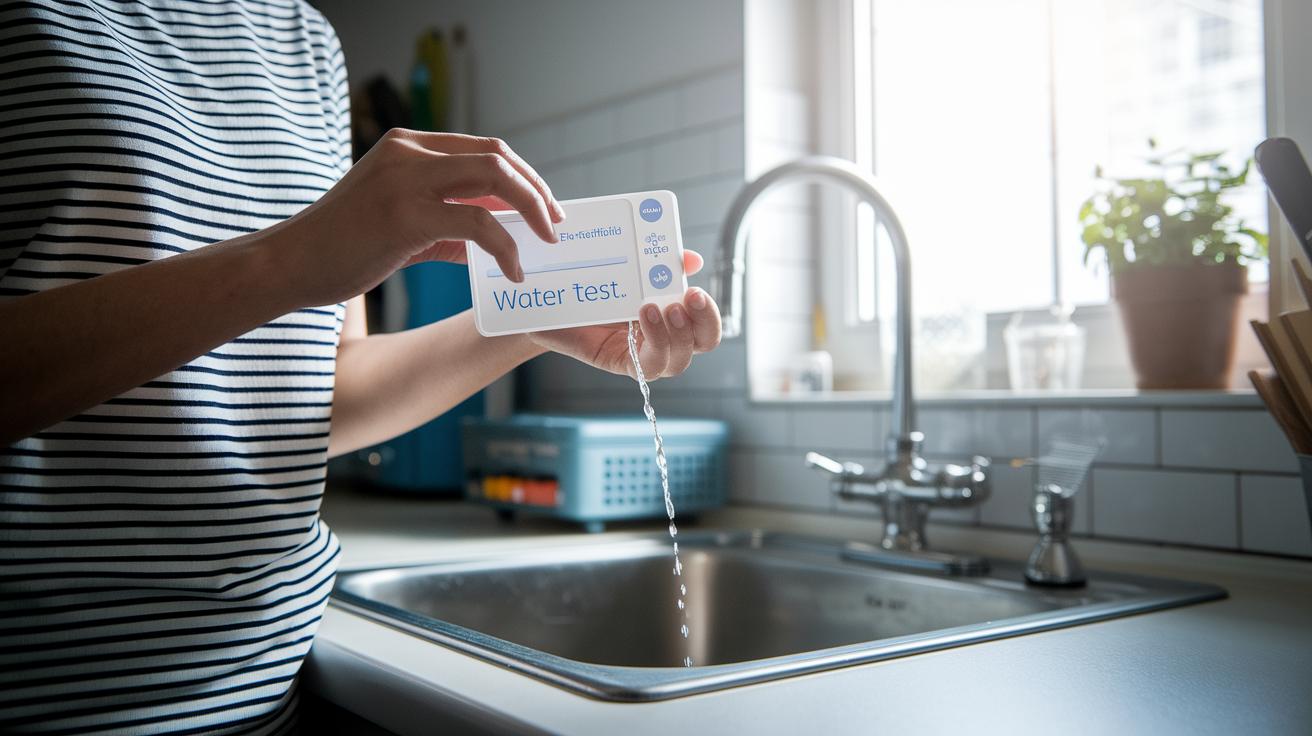
- If you're using a DIY strip kit, dip the strip into your water for 15 to 60 seconds, then gently shake off any extra water.
- Right away, compare the colors on your strip to the chart that came with your kit. This helps you see what’s going on in your water.
- For a send-away kit, fill the provided vials with the exact water volume mentioned in the instructions. Getting the measurement right is key.
- Seal and label each vial carefully so nothing mixed up happens.
- Finally, send off your samples as directed and wait for your digital report, which usually arrives in 2 to 7 days.
Remember, treating your samples with care and sticking to the right timing will keep them clean and your results clear, just like the gentle ripple on a calm pond.
In-Depth Reviews: Top Water Quality Test Kits on the Market
When it comes to choosing a water quality test kit, think about the range of bad stuff you want to check, how much you want to spend, and how fast you need the results. This list brings together kits that cover many contaminants while still being friendly on your wallet and quick with results. Each kit has its own focus, so you can decide if you want a DIY test right at home or a send-away kit that gives you a certified report.
The Tap Score Advanced City Water Test is a send-away kit that checks for more than 100 contaminants. You get a detailed online report in about two days. It’s perfect if you want a certified analysis of your city water. Prices are around $100 to $150, so you know you’re getting professional-level inspection.
Next up, the WaterCheck CityCheck Deluxe is a DIY kit that comes with extra sample bottles. It tests for things like lead, bacteria, and arsenic using a quick strip method. It shows fast results, which makes it a handy choice for checking the quality of your tap water. It costs between $30 and $50, making it a practical option for everyday use.
The Safe Home Ultimate Drinking Water Test Kit is another send-away option that covers a wide range of contaminants. This kit is best when you need a deep dive into your water’s purity. It takes about seven days to deliver a detailed report. It sits on the higher end of the price range at $150 or more, but you get a thorough digital water purity meter analysis.
For those particularly worried about PFAS, the Tap Score PFAS Water Test is just right. It is designed to spot PFAS compounds and delivers clear, targeted results. With a price tag between $40 and $60, it combines affordability with a focus on those specific contaminants.
If you rely on private well water, then the Tap Score Advanced Well Water Test is a great pick. This send-away kit checks for nitrates, coliform, and heavy metals, giving valuable insights to households with well water. You can expect the results in a few days, and it costs about $120 to $140.
Lastly, the JNW Direct Water Hardness Test Strips focus only on measuring water hardness. They give an instant readout, making them an affordable, quick solution for checking your tap water’s hardness at only $10 to $15.
| Kit Name | Type | Contaminants | Price | Result Time |
|---|---|---|---|---|
| Tap Score Advanced City Water Test | Send-away | 100+ contaminants | $100–$150 | 2 days |
| WaterCheck CityCheck Deluxe | DIY | Lead, bacteria, arsenic | $30–$50 | Immediate |
| Safe Home Ultimate Drinking Water Test Kit | Send-away | Broad contaminant range | $150+ | 7 days |
| Tap Score PFAS Water Test | Send-away | PFAS compounds | $40–$60 | 2–7 days |
| Tap Score Advanced Well Water Test | Send-away | Nitrates, coliform, heavy metals | $120–$140 | 2–7 days |
| JNW Direct Water Hardness Test Strips | DIY | Water hardness | $10–$15 | Instant |
Understanding and Interpreting Your Water Quality Test Results
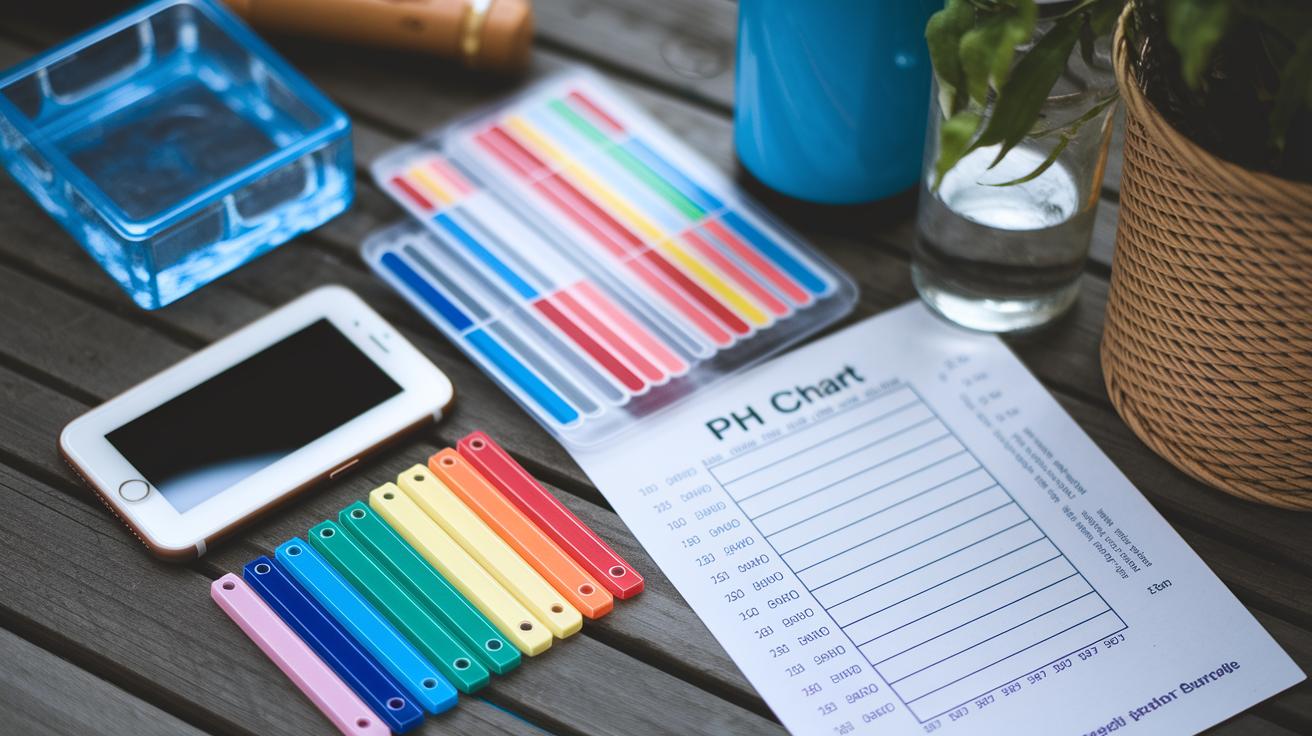
When you use a DIY kit, it shows you a simple color chart. You match the colors on the test strip to the guide, and even small color changes can mean a different reading. This method gives you a quick look at your water basics like pH (ideally between 6.5 and 8.5) and hardness (around 60 to 120 ppm), almost like taking a quick snapshot of your water's personality.
Lab reports, on the other hand, show up as online dashboards that clearly mark any readings above safe levels. You'll see numbers for things such as nitrates (below 10 ppm) and lead (under 15 ppb) while also spotting issues like high PFAS. These digital reports give you clear alerts and simple next steps, so you don’t have to guess by comparing colors.
If your water test shows numbers outside the safe range, it’s a sign that you need to take action. For example, if the pH drops too low or the hardness climbs unexpectedly, testing it again can help you see if the issue is ongoing. Your kit’s detailed guide can even pick up on subtle imbalances, reminding you when your water deserves a little extra care. And if any numbers go over the safe mark, it might be a good idea to call a professional who can help turn those raw numbers into smart, actionable decisions.
Specialized Water Quality Test Kits for Wells, PFAS, and Aquariums
We know that every water source has its own story, and one test kit doesn’t fit all. There are special kits made just for your well water, PFAS concerns, and even your home aquarium. These kits help you understand what might be in your water so that whether you’re drinking it or caring for your fish, everything stays safe and balanced.
Well Water Inspection Kits
Well water kits work like a helpful guide for private wells. They check for issues like nitrates, bacteria, and metals that might sneak into your water. Since about 15% of U.S. homes use their own wells, keeping an eye on these problems is key. With easy steps and trustworthy results, these kits help you quickly catch and fix any water worries.
PFAS Detection Kits
PFAS detection kits are like a safety net for your water. They spot chemicals called PFAS, everyday compounds that we really want to keep low. Studies show these kits give clear answers when PFAS levels get high. It’s a smart, simple way to stay ahead of chemicals that can affect your health, letting you relax knowing your water is under watch.
Aquarium Test Kits
Aquarium test kits are perfect for anyone who loves caring for their fish. They check important parts like ammonia, nitrites, nitrates, pH, and hardness to keep your tank in the best shape. Think of it like checking the pulse of your underwater world. Easy-to-read results mean you can quickly adjust your tank and keep your aquatic friends happy, much like a gentle ripple ensuring everything flows just right.
Ensuring Accuracy in Your Water Quality Test Kit: Certifications and Best Practices
Many test kits come with that reassuring EPA stamp or state lab seal. When you pick one up, check for a label that shows it's a certified kit or lab-standard screening set. I remember a friend saying, "Seeing the EPA-certified label really boosted my confidence in the test results."
Some kits, like the Tap Score, boast more than 95% accuracy for major contaminants. But even then, issues like sample contamination, using expired strips, or forgetting a crucial confirmation step can happen. Around 15% of tests might show a hiccup, which can lead to results that don't tell the whole story.
For tests that you can trust, handle your samples with care and follow every step as recommended. Make sure to calibrate any digital meters and stick to the timing instructions as if you're watching a gentle ripple across the water. And remember to store your test strips as advised to keep them fresh. Doing an annual retest is a bit like changing the water in your tank, it keeps everything in check and your water safe.
Final Words
In the action, our guide showed how to choose the right water quality test kit based on your needs. We explored quick DIY strips versus lab-tested kits and explained which tests fit tap water, wells, or even aquariums. Each section helped you understand key contaminants like pH, hardness, and more. This advice is meant to keep your aquatic habitat safe, clean, and inviting. Happy fish keeping and here’s to easily checking your water quality test kit for a thriving underwater world!
FAQ
How can I obtain a water quality test kit from Home Depot?
The inquiry regarding Home Depot water quality test kits means they offer DIY home kits for testing. Some Home Depot locations even host free testing events, so check with your local store for current service details.
What are professional water test kits and how do they differ from DIY home kits?
The mention of professional water test kits indicates they typically use lab analysis to test multiple contaminants with high accuracy, while DIY home kits provide quick, basic results with a more hands-on approach.
Are free water quality test kits available?
The search for free water quality test kits reveals that some local agencies or health departments may offer kits at no cost to help residents monitor water safety.
What water quality testing kits are best suited for students?
The mention of water quality testing kits for students implies these kits are designed to be simple, educational tools that help learners understand water safety and basic testing procedures in an engaging way.
What is the best drinking water test kit?
The query about the best drinking water test kit suggests that it should reliably assess a range of contaminants. Look for kits that balance ease of use with comprehensive lab analysis for accurate results.
How do water quality test kits fare on Reddit discussions?
The reference to water quality test kits on Reddit shows that community members share hands-on experiences, honest reviews, and practical tips, which can help you decide between DIY and professional options.
What should I know about well water test kits?
The question about well water test kits reveals that these kits are specifically designed for private well water. They test for nitrates, bacteria, and heavy metals and are essential for ensuring safe drinking water from well sources.
What is the most accurate water test kit?
The search for the most accurate water test kit points to lab-based send-away kits, which test for over 100 contaminants and deliver detailed, reliable results compared to quick DIY tests.
How can I test water quality at home?
The inquiry into testing water quality at home indicates you can choose DIY strip kits for immediate, simple results or opt for send-away kits that provide detailed lab reports covering a much larger range of contaminants.
Are DIY water testing kits accurate?
The mention of DIY water testing kits means they offer convenience and fast results, though their accuracy is lower compared to lab-tested kits since they rely on matching color charts and subjective interpretation.