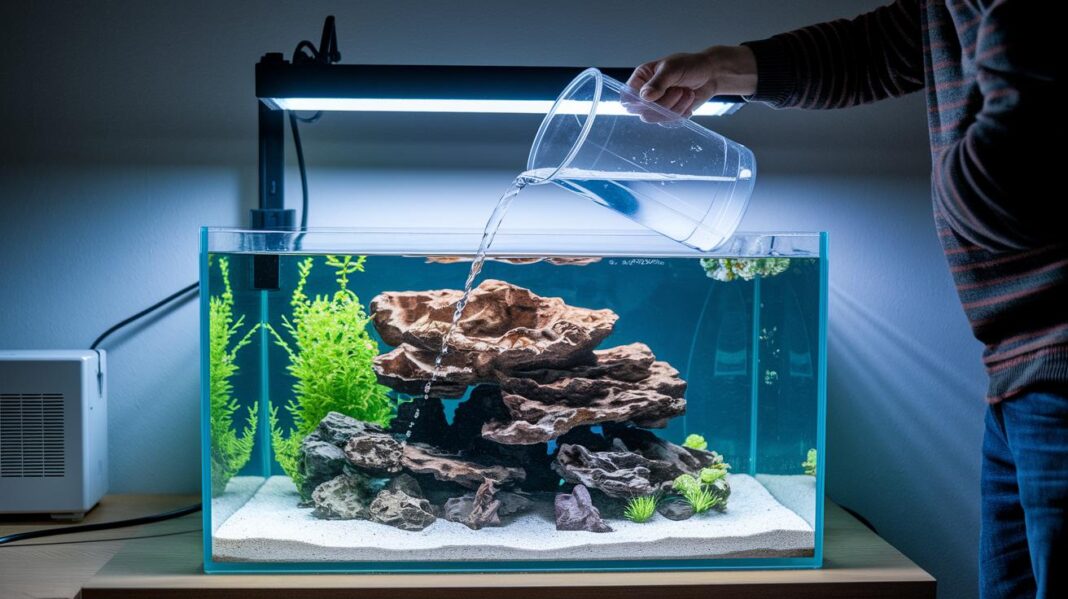

Have you ever wondered why some fish tanks seem so sparkly and full of life? Maybe the secret is switching to reverse osmosis water. This method cleans your tap water by removing almost all the dissolved solids, in other words, it gives you a fresh, pure base, almost like starting with a pristine pond.
I remember seeing a tank change from murky to crystal clear, and the fish appeared much more lively afterward. Using RO water means you worry less about harsh chemicals, enjoy more balanced water, and make water changes a breeze. It’s like offering your fish a cozy, healthy home where every ripple tells a happy story.
Key Benefits of Reverse Osmosis Water in Aquarium Water Changes
Reverse osmosis water is created by pushing tap water through a super fine filter that removes nearly all unwanted stuff. This means almost 99% of dissolved solids, like nitrates, phosphates, silicates, heavy metals, chlorine, and chloramines, get taken out. I remember when my tank water was cloudy and my fish looked stressed; switching to RO water brought back the sparkle and energy in my tank.
Using RO water gives you a clean slate for your aquarium. Without extra chemicals messing with things, the pH stays neutral and the water becomes really soft. Studies show that freshwater tanks hold down nitrates to safe levels and reef tanks keep phosphates very low. This creates a peaceful home for your fish, letting them breathe easier and show off their colors.
The best part is that RO water is pure enough for you to easily adjust the settings in your tank. Think of it like starting with fresh canvas where you can make your water just right, whether you want the stiff, alkaline feel for African cichlids or a softer, slightly acidic vibe for Amazon fish. Even the water change becomes easier because cleaner water reduces buildup, keeping your tank balanced.
In short, switching to RO water means healthier fish and a more vibrant aquarium. Every water change with RO water is a step towards creating a lively, resilient underwater world.
How Reverse Osmosis Systems Remove Contaminants for Pristine Aquarium Water

Imagine your aquarium water taking a refreshing journey through a multi-step cleaning process. First, it meets a sediment pre-filter that scoops up large particles and debris, just like a net catching leaves in a pond. Then, an activated carbon prefilter steps in to remove chlorine and organic chemicals. It works a bit like a detective, spotting and whisking away clues of unwanted mess before they cause any harm.
Next, your water is pushed through an ultra-fine 0.0001 μm membrane. Think of this as a tiny, super-strong barrier that stops salts, heavy metals such as lead and copper, and other impurities like nitrates and phosphates from sneaking into your tank. It’s much like a sturdy gate that only lets the purest water pass through.
After that, a dual carbon post-filter gives the water a final polish, catching any tiny traces of impurities that might have snuck by. The result is water that sparkles like a clear mountain stream and creates the perfect conditions for your aquatic friends.
Some high-output systems, like the Neo-Pure PRO-4 or the Pentair Freshpoint GRO-475M, go a step further. They come with a clever permeate pump that cuts water waste by up to 85% while keeping the filtration working at its best. This smart design means you get ultra-pure water that’s just right for a healthy, vibrant aquarium.
Comparing RO Water With Tap Water for Aquarium Water Changes
When you use tap water, you're dealing with chlorine and chloramines that mix with water to form a harsh chemical. This irritates your fish gills, much like a strong current against gentle fins. Over time, minerals like calcium and magnesium build up, which can stress sensitive fish organs. Ever notice how sometimes your fish seem less energetic on tap water?
I switched to RO water a while back, and it felt like a breath of fresh water for my aquarium. My fish practically danced with joy as if they were finally free. RO water washes out those unwanted chemicals and minerals, giving you a pure, neutral pH to work with. It’s just like having a blank canvas where you can create the perfect environment for your aquatic friends.
Customizing Aquarium Water Parameters With Reverse Osmosis Water
Starting with demineralized RO water lets you create the perfect home for your fish. When you begin with water that doesn’t have unwanted minerals, you can add just the right amounts of everything your fish need. For instance, if you care for African cichlids, you might mix in calcium, magnesium, and a few other tiny elements to build a hard, alkaline setup. But if your fish call Amazon waters home, they thrive in softer, slightly acidic conditions. In that case, you can add natural acids like peat moss or Indian almond leaves.
This careful mixing of your water stops any sudden changes from stressing your fish. It’s one of the best ways to take care of your aquarium and keeps your fish safe and comfy. Instead of making guesses, you can tweak the water step by step based on what your fish really need. In short, using RO water gives you true control over your tank’s minerals and helps keep the water steady, vital for a healthy, happy aquatic world.
For a straightforward approach, try these steps:
- Start with demineralized RO water that acts like a clean canvas.
- Add measured amounts of minerals like calcium and magnesium.
- Use natural acids, such as peat moss, to adjust the pH.
- Keep an eye on your GH (general hardness) and KH (carbonate hardness) levels over time.
Following these simple steps, as explained on how to balance fish tank chemistry during maintenance (https://sweetfysh.com?p=3369), can really boost the benefits of using RO water. This method helps you tailor your water exactly to support lively fish and a well-balanced aquatic ecosystem.
Practical Tips for Implementing RO Water in Aquarium Maintenance
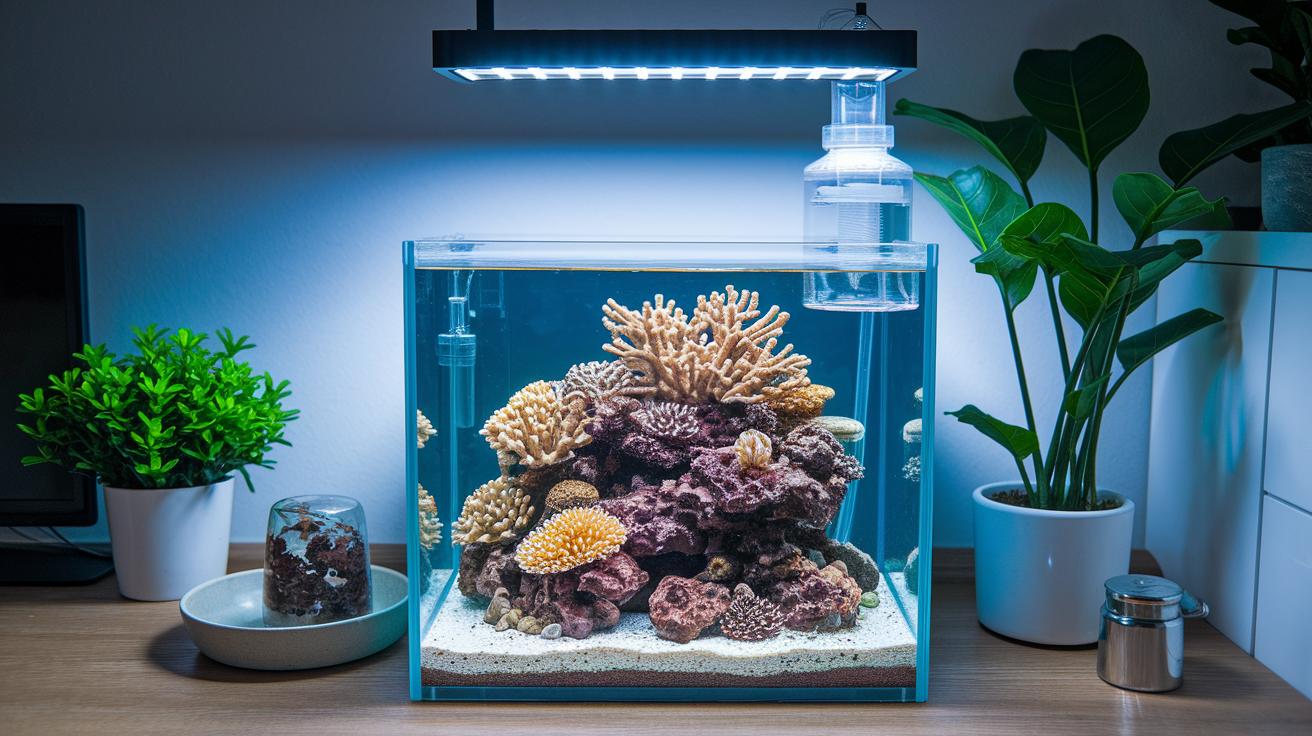
When you're ready to set up your RO system for daily water changes, it's important to choose a unit that fits your tank perfectly. For a tiny tank, like a nano reef, the Bluevua ROPOT-Lite (UV) works like a charm. If your aquarium is a bit bigger, a ROPOT (UV) unit is just right. And for large setups, a Neo-Pure PRO-4 (75 GPD) with a permeate pump gives you plenty of water while cutting down on waste. Think of it like picking the right sized net to catch a school of fish, using one that's too small just won't do.
Before you start your water change, give your new membranes a 15-minute flush. This step is like giving a brand-new filter a quick shower to wash away any leftover factory dust. Also, remember to change your filters every 6 to 12 months to keep everything running smoothly and give your tank the clean water it deserves.
Store your RO water in opaque, food-grade containers to keep it pure and safe from any light-induced changes. Linking the RO outlet to a dedicated bucket or reservoir makes the whole water change process easier, just like having a special bowl just for your pet fish.
| Tip | Why It Works |
|---|---|
| Pick the right RO unit | Matches your tank’s size for perfect water renewal |
| Flush membranes for 15 minutes | Cleans off any manufacturing residues |
| Replace filters every 6–12 months | Keeps your water clean and free of buildup |
| Use opaque, food-grade containers | Prevents light-induced chemical changes and keeps water pure |
Potential Drawbacks and Mitigation Strategies for RO Water in Aquarium Water Changes

Standard RO systems can waste quite a bit of water, imagine getting 3 to 5 gallons of salty brine for each gallon of pure water. But if you add a permeate pump, that waste can drop by about 85%. It’s like having a little helper that saves you water during your tank maintenance.
RO water is very clean because it lacks unwanted substances. However, this means it also misses out on minerals that fish need to stay healthy. That’s why, after every water change, you have to add minerals back into the water. Think of it like finishing a recipe by adding the final special ingredients, such as a bit of calcium or magnesium, to keep everything balanced.
Countertop RO units usually cost between $100 and $400 at the start. Plus, you’ll need to pay for filter and membrane changes and spend time cleaning the tubing regularly. Keeping up with this routine is important to stop bacteria and keep your water clear.
- Watch for high brine waste
- Remineralize after each water change
- Plan for periodic maintenance costs
This thoughtful approach helps tackle key issues while keeping your aquatic home healthy and inviting.
Final Words
In the action, we explored how ro water clears contaminants, balances water chemistry, and lets you adjust minerals for ideal aquarium conditions. We touched on its thoughtful multi-stage filtration process, practical application during water changes, and ways to handle a few challenges that might pop up. Every step aimed to create a safe and appealing underwater scene. Enjoy a setup where clarity and fish vitality thrive, making the benefits of using reverse osmosis water in aquarium water changes a refreshing routine for your tank.
FAQ
How do I prepare RO water for my freshwater aquarium or make RO water for my aquarium?
Preparing RO water involves treating tap water with an RO system that forces it through a fine membrane to remove impurities, and then adding back essential minerals for your aquatic pets.
Where can I buy RO water for my aquarium near me?
RO water is available from pet stores and specialized aquatic supply outlets in your area. You can also check online retailers offering ready-to-use, purified water for aquariums.
What does a reverse osmosis water filter do for my aquarium?
A reverse osmosis water filter uses multiple stages to remove impurities like chemicals and dissolved solids, giving you clear water with a balanced pH that benefits fish health.
Is reverse osmosis water good for my aquarium and fish tank?
RO water benefits aquariums by removing harmful solids and chemicals, creating a neutral pH environment. Remineralizing the water afterward helps provide essential nutrients for your fish.
Is RO water good for aquarium plants?
RO water supports aquarium plants when you add balanced minerals since plants need trace elements missing in demineralized water. Regular mineral adjustments help keep your plants thriving.
What minerals should I add to RO water in my aquarium?
After using RO water, add calcium, magnesium, and essential trace elements suited to your tank’s needs. This step stabilizes water hardness and pH, promoting a healthy aquatic habitat.
What is the downside of using reverse osmosis water in my aquarium?
RO water can be wasteful and lacks crucial minerals required for aquatic life. You must remineralize it, and maintaining your equipment may add extra maintenance demands.
What cannot be removed by reverse osmosis in aquarium water treatment?
Some compounds like certain volatile organic chemicals may not be fully removed by reverse osmosis, so additional treatments might be needed to achieve completely pure water.
Does RO water help prevent algae in my aquarium?
RO water reduces nutrient levels such as phosphates that fuel algae growth. When paired with balanced lighting and regular cleaning, it helps maintain a clearer, healthier tank.