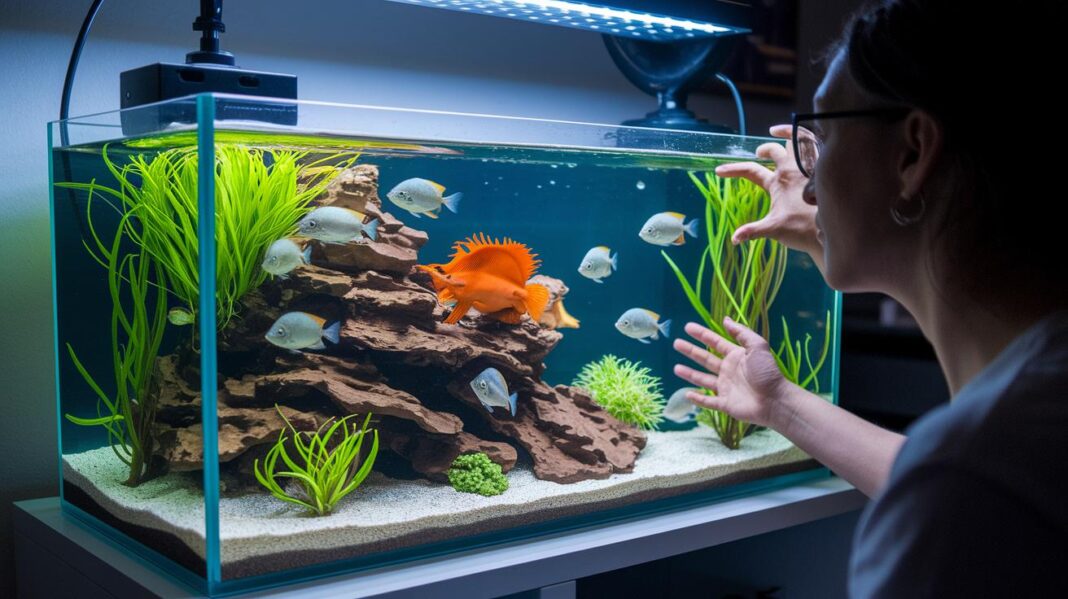

Have you ever noticed your aquarium might feel a little different when the seasons change? Think of your tank like a tiny ocean where warm sunshine and cool breezes set the rhythm of every ripple. When it's warmer, you might find that changing the water more often helps, just like adding more currents to keep the sea fresh. And when it’s cooler, a gentler water change can do wonders, keeping everything calm and cozy for your fish.
By adjusting your water change routine, you can help prevent unwanted buildup and make sure your fish stay comfortable. In this guide, I'll walk you through easy steps to fine tune your water change schedule with each season. It's all about keeping your underwater world balanced so your aquatic friends can thrive all year long.
Adjusting Aquarium Water Change Schedules for Each Season
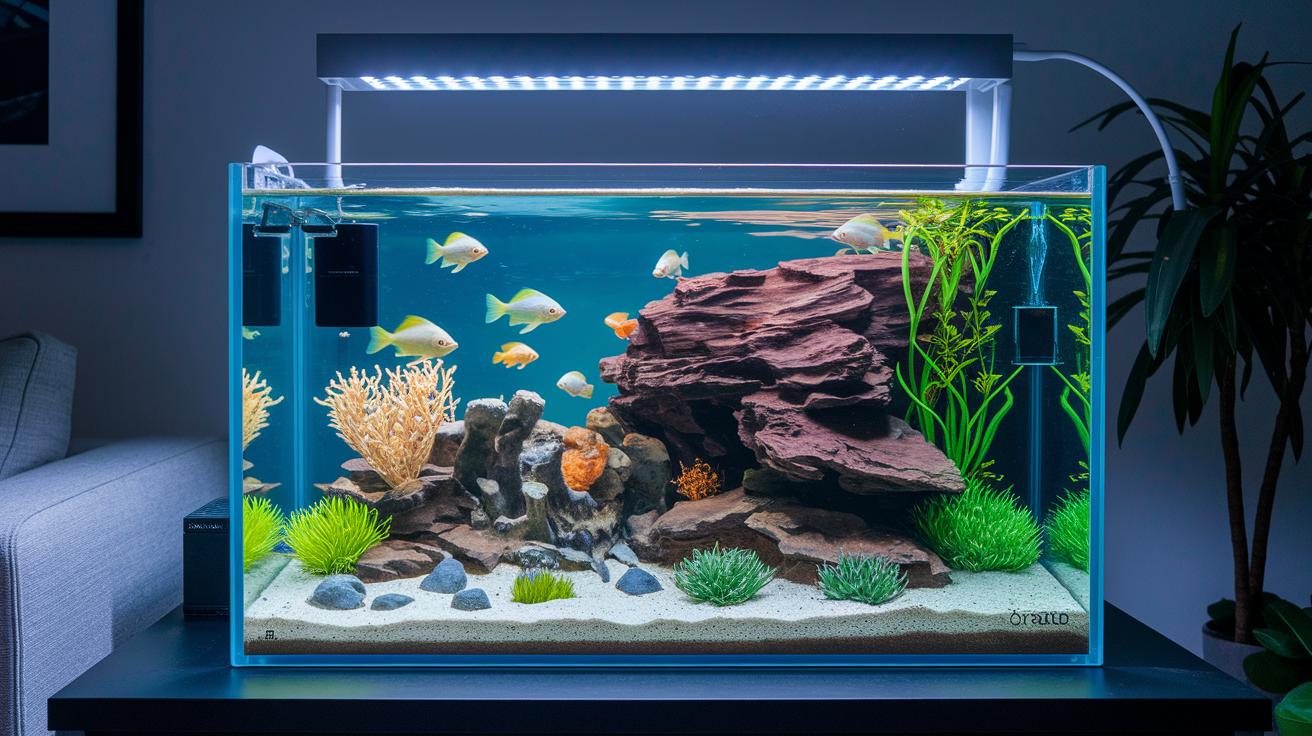
Seasons play a big part in shaping your tank’s environment. As the weather shifts, so do the temperature, light, and even the rate of evaporation. These changes affect how your fish behave, how your plants grow, and the overall quality of your water. To keep things balanced, it’s smart to adjust your water change schedule with each season. A good rule of thumb is to swap out between 10% and 30% of your water every one to two weeks. Of course, factors like the number of fish, the tank’s bio-load, and how many plants you have might mean you need to tweak that range a bit. Changing your routine with the seasons helps manage nitrate buildup and supports a healthy, happy tank.
- Winter: In winter, aim to replace about 20% of your water every two weeks. With fish metabolism slowing down and the water’s KH staying steady, your tank can handle more gentle changes.
- Spring: In spring, try swapping 25% of your water every ten days. As plants ramp up their growth and use more nutrients, this extra change helps balance the increased organic waste.
- Summer: During summer, consider changing 30% of the water each week and topping off as needed. Warmer weather boosts evaporation and waste buildup, so more frequent changes keep your tank in check.
- Autumn: In autumn, a 25% water change every two weeks works well. As the water cools and light shortens, refreshing the tank helps it settle into a quieter season.
Keep a close eye on how clear your water is, notice any extra algae, and watch your fish for unusual behavior. If something seems off for the season, don’t be afraid to adjust your routine a little. For example, if you have a heavily planted tank in spring and organic waste builds up faster than usual, you might need a bit more water changed. In the slower winter months, sticking to a smaller change often helps maintain a stable environment. And always remember to match the temperature of the new water to avoid stressing your aquatic friends. With careful watching and small tweaks, seasonal aquarium maintenance can be as smooth as a gentle current.
Monitoring Seasonal Chemistry Shifts and Testing Procedures
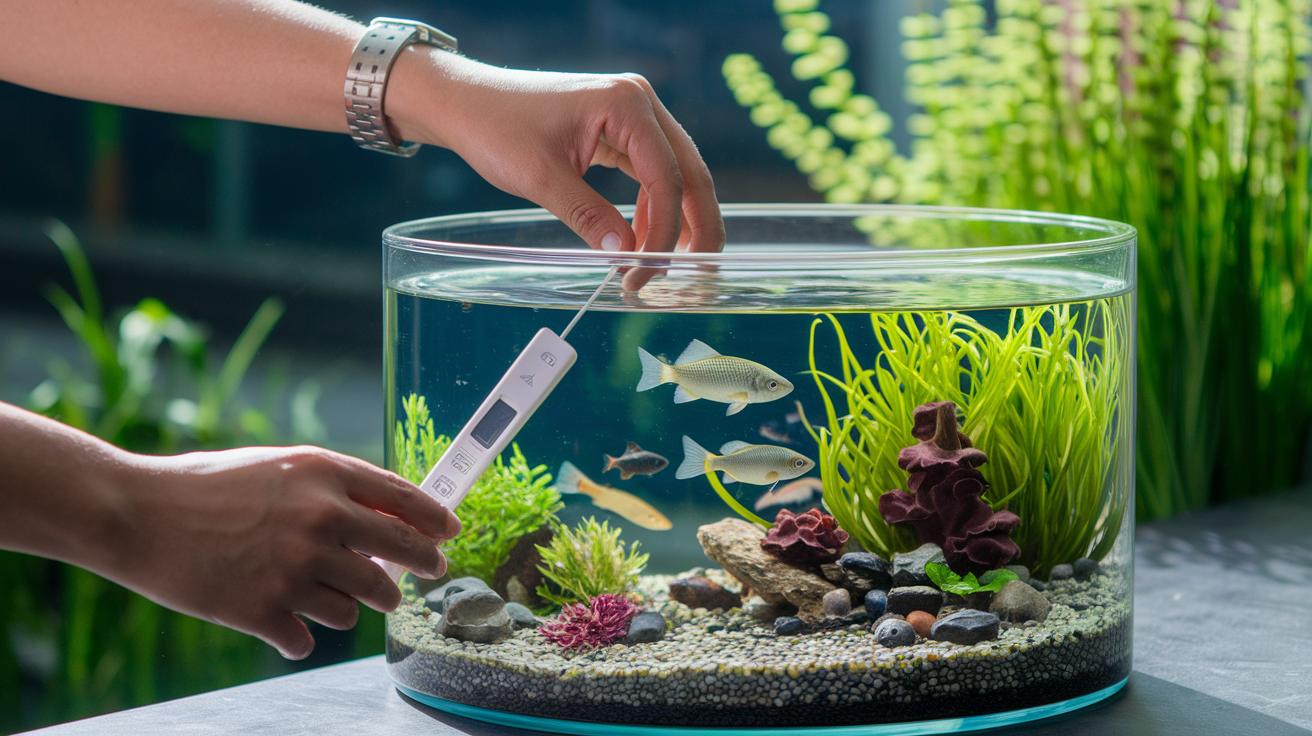
Seasonal changes can really affect your tank's water chemistry, much like the shifting tides in a calm sea. As the water warms up or cools down and the light varies, levels of minerals and organic matter, thanks to decaying plants or extra food, can change. This mix-up may alter your tank's pH, general hardness (GH), and carbonate hardness (KH). Using a gravel vacuum during water changes not only cleans your substrate but also gives you a snapshot of any nitrate buildup hiding in the debris.
Try testing your water parameters a bit more often as the seasons shift. Here’s a simple guide:
- Ammonia – Check once a month, and switch to testing every two weeks when big seasonal changes hit.
- Nitrite – Give it a look each month; if you spot any spikes, bump up the testing.
- Nitrate – A monthly check is a good start, but during faster changes, test every two weeks.
- pH – Testing once a month works well; however, if the water looks off, consider biweekly drops.
- GH (General Hardness) – A monthly test does the trick, though more frequent checks might be needed when the water temperature shifts.
- KH (Carbonate Hardness) – Like GH, monthly testing is fine unless your substrate is stirring up changes, then test every couple of weeks.
Regular testing helps you really tune into your tank’s rhythm. Noticing a slow drop in pH or a steady climb in nitrate levels? Consider adjusting your water-change routine. For example, if nitrates creep up too high, try increasing the frequency of smaller water changes by about 10–20%. This can keep your underwater world balanced and your fish feeling right at home.
Temperature Effects on Water Change Frequency
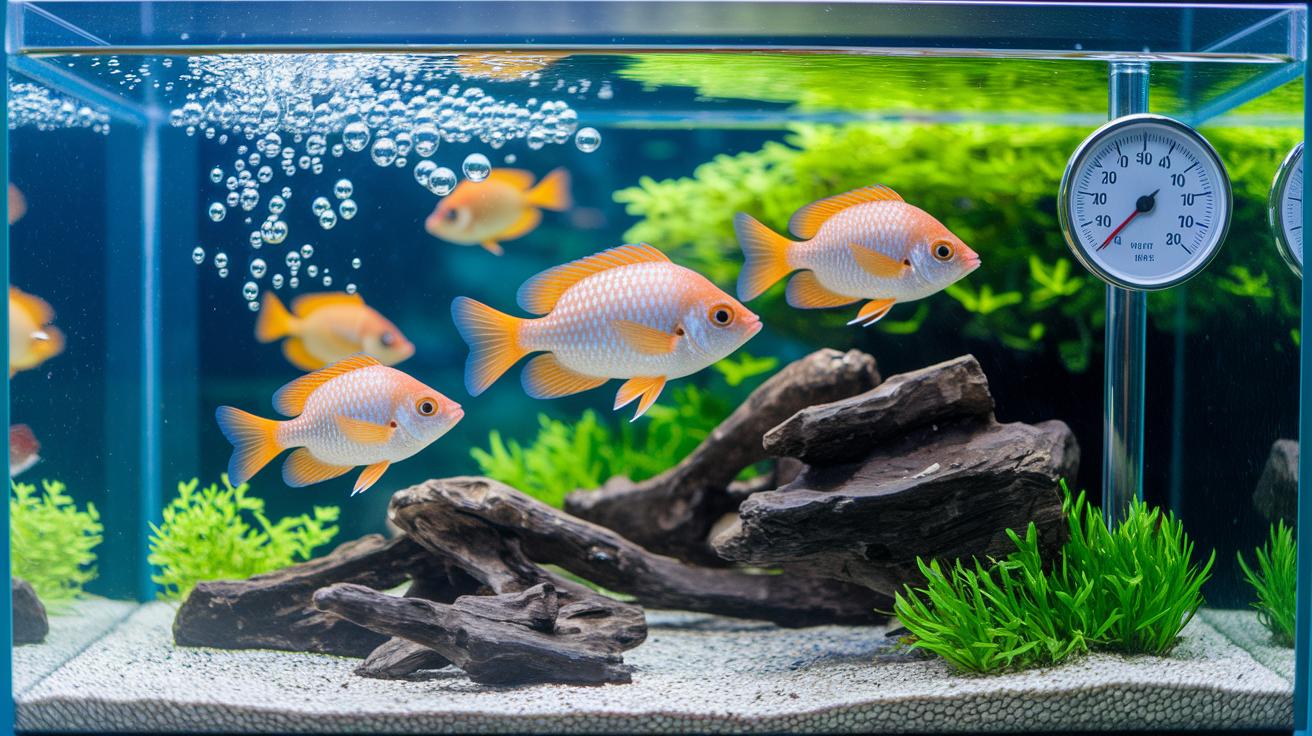
In a cooler tank, the water holds more oxygen, giving your fish a steady, gentle breath even when things are calm. But here's an interesting twist: the colder water also slows down the busy bacteria that help clean out waste. So, while there's plenty of oxygen, the natural cleaning process might take a bit longer.
When the water warms up, things change. Your fish start to move faster, and they produce waste more quickly. This means that in warmer water, you might see your tank’s quality shift in a hurry if you don’t change the water enough. More waste builds up, and nitrate levels can rise if the water isn’t swapped out regularly. A slow, careful water change helps keep the pH, KH, and GH levels steady, even when the temperature climbs.
And one last tip: always match your new water’s temperature within one or two degrees of your tank’s water. This little step helps keep your fish comfortable and preserves the peaceful balance in your aquarium.
Evaporation Compensation and Volume Control Through Seasons
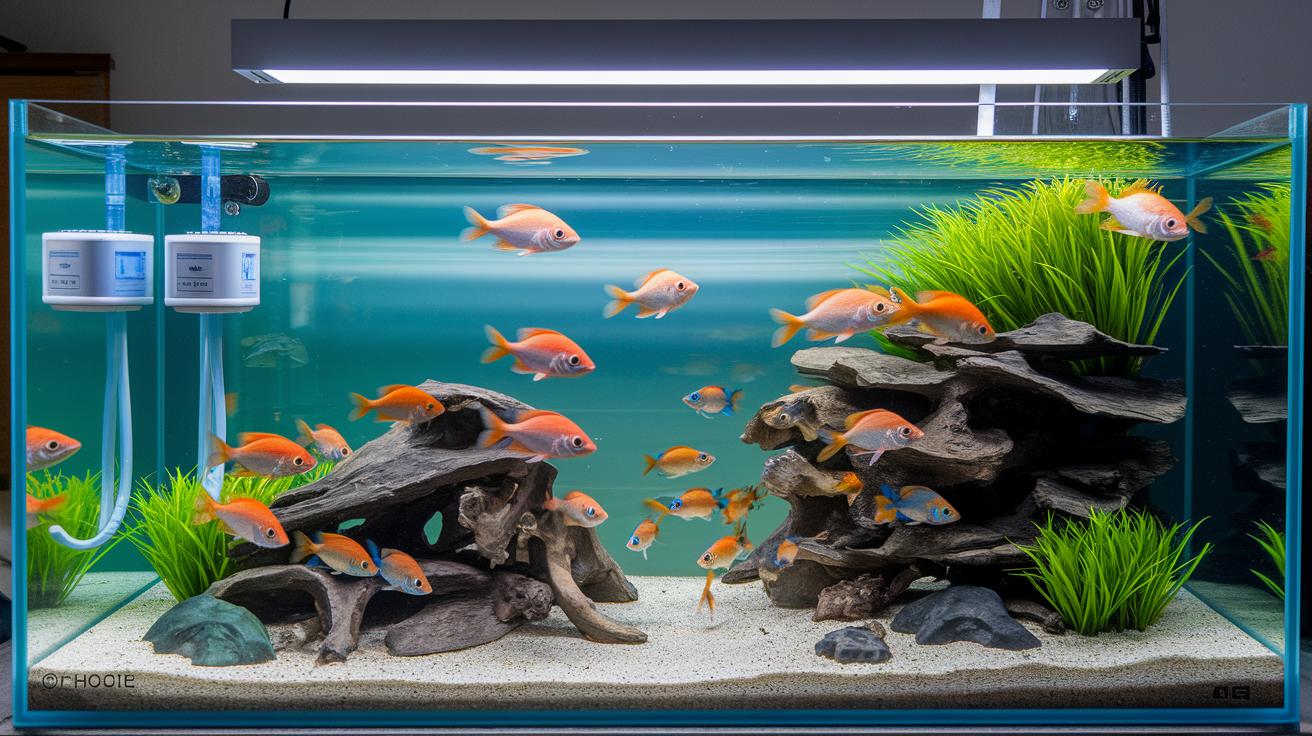
In summer, when the sun beats down hard, your tank can lose water in a flash. You might notice the water level dipping a bit every day. That's why it's a good idea to top off your tank daily. When you add water, mix in a dechlorinator right away to keep your fish’s gills happy and protect those friendly bacteria that make your tank a safe haven. For the hotter months, try these straightforward steps:
- Check your water level every day.
- Add water that’s been treated with a dechlorinator.
- Do a full water change once a week to clear out any built-up waste.
When winter comes, things slow down. The cooler temperatures mean your tank doesn't lose as much water, so you don't need to top off every day. Instead, you can make small adjustments every two weeks. This gentle routine helps keep the water quality steady without giving your aquatic pals any extra stress. During the colder months, consider these tips:
- Keep an eye on your water level, but not as often.
- Do small top-offs only when needed.
- Stick to biweekly volume adjustments to keep everything stable.
By mixing daily care in summer with careful, less frequent checks in winter, you’ll help your aquarium stay at just the right water level, all while looking after your fish and their tiny, hardworking helpers.
Seasonal Filter and Equipment Maintenance Strategies
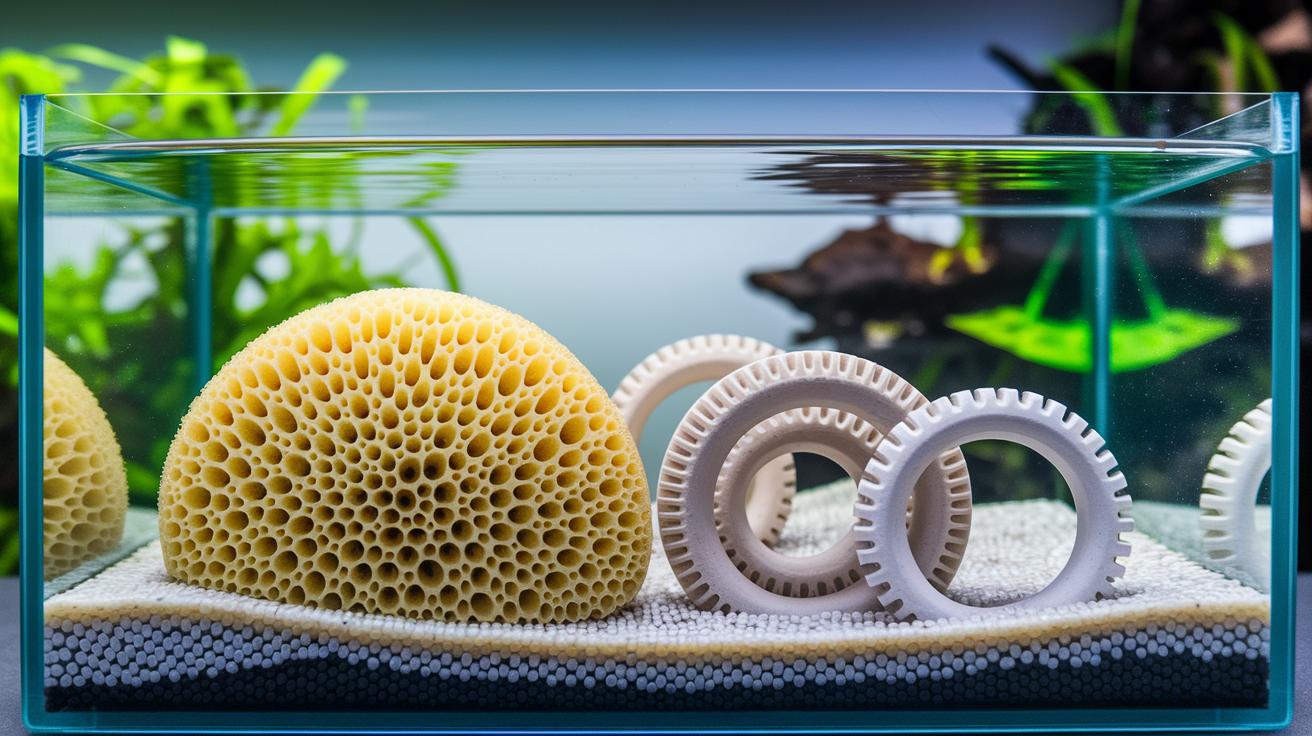
The filter media in your tank is like a cozy home for the good bacteria that break down waste. When it gets cold, try not to deep-clean everything so these helpful bacteria can stick around. This way, your filtration system stays balanced and does its job well.
In spring and summer, your aquarium gets busier with active fish and growing plants, which means more waste. It’s a good idea to give the mechanical media a gentle rinse every week to wash away extra debris without washing away the good bacteria. For chemical media, cleaning it once a month is just right to keep it absorbing impurities while still keeping its tiny helpers happy. And while you’re at it, check your filter’s impellers and hoses for any clogs from extra debris. This regular check-up makes sure your filter continues to run smoothly even during busy times.
When autumn and winter roll in, the aquarium slows down and the workload lightens. In these months, a gentler cleaning routine works best. Avoid heavy cleaning of the media so that the friendly bacteria can flourish and keep your water stable as the temperature drops. At the same time, inspect the impellers and hoses every couple of weeks. A quick rinse or a light vacuum helps clear any buildup without disturbing the important bacterial balance. This careful maintenance keeps your equipment in great shape, ensuring a calm and healthy home for your aquatic pets.
Preventing Seasonal Algae Blooms and Controlling Nutrient Levels
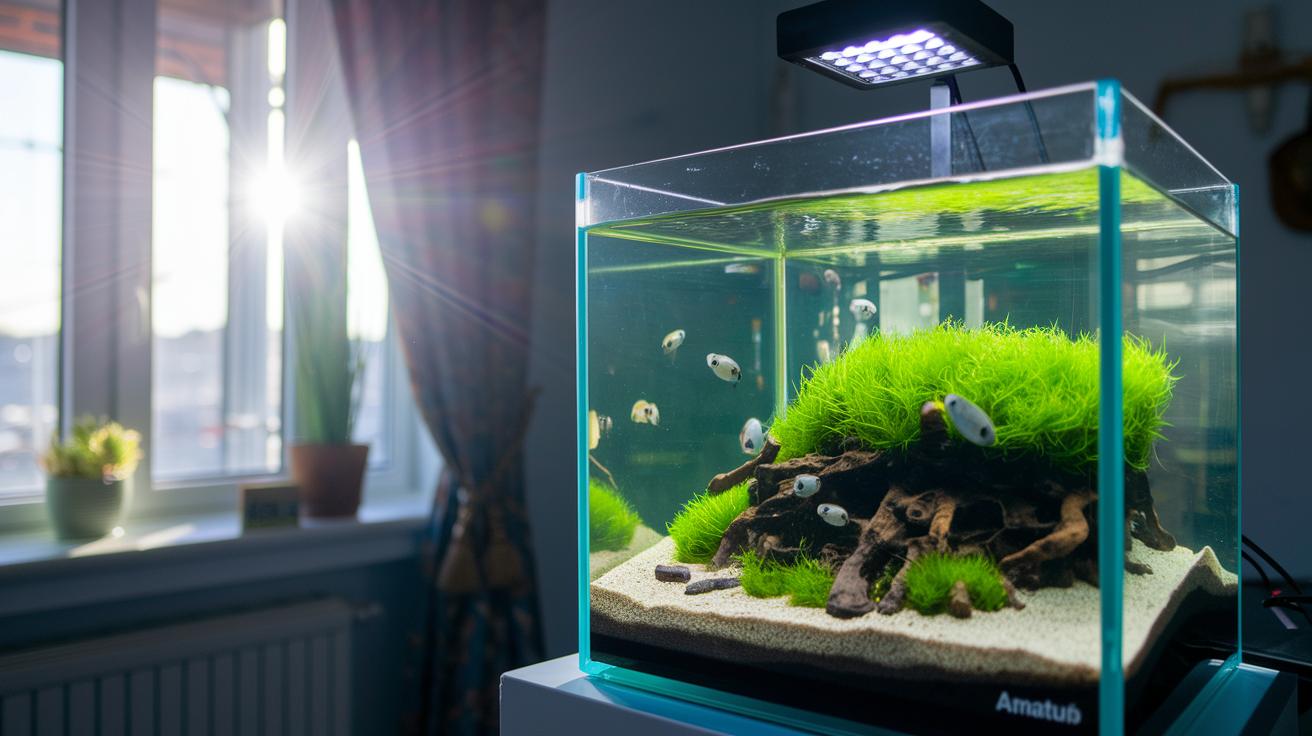
When spring and summer bring extra sunshine and warmth to your tank, algae can suddenly start growing like crazy. More light sparks fast growth, and the extra heat helps organic waste build up, two ingredients that create those annoying green spots many of us dread.
Here are some easy ways to keep your tank clear and balanced:
- Light management: Try using shades or cutting back on the time your tank is under strong light to ease the algae's growth.
- Nutrient removal: Regular water changes wash away the extra organic bits and dissolved nutrients that feed algae.
- Timed changes: Stick to a routine of changing about 25–35% of your water each week. This keeps nitrate levels in a safe range (20–40 ppm) for community tanks.
- Supplement dosing: If you're looking for a bit more fine-tuning, adjusting your supplement doses can be a neat trick. For more detailed tips, check out guides on troubleshooting algae in aquarium care.
Keeping a close eye on nutrients like nitrate is key. When you see those levels inching up, it’s your tank’s way of whispering that it might be time for an extra water change or a tweak in your routine, especially if you have species that are more sensitive. A steady habit of testing and small adjustments will make sure your water stays clean, vibrant, and a perfect home for your aquatic pals.
Crafting a Year-Round Aquarium Maintenance Calendar
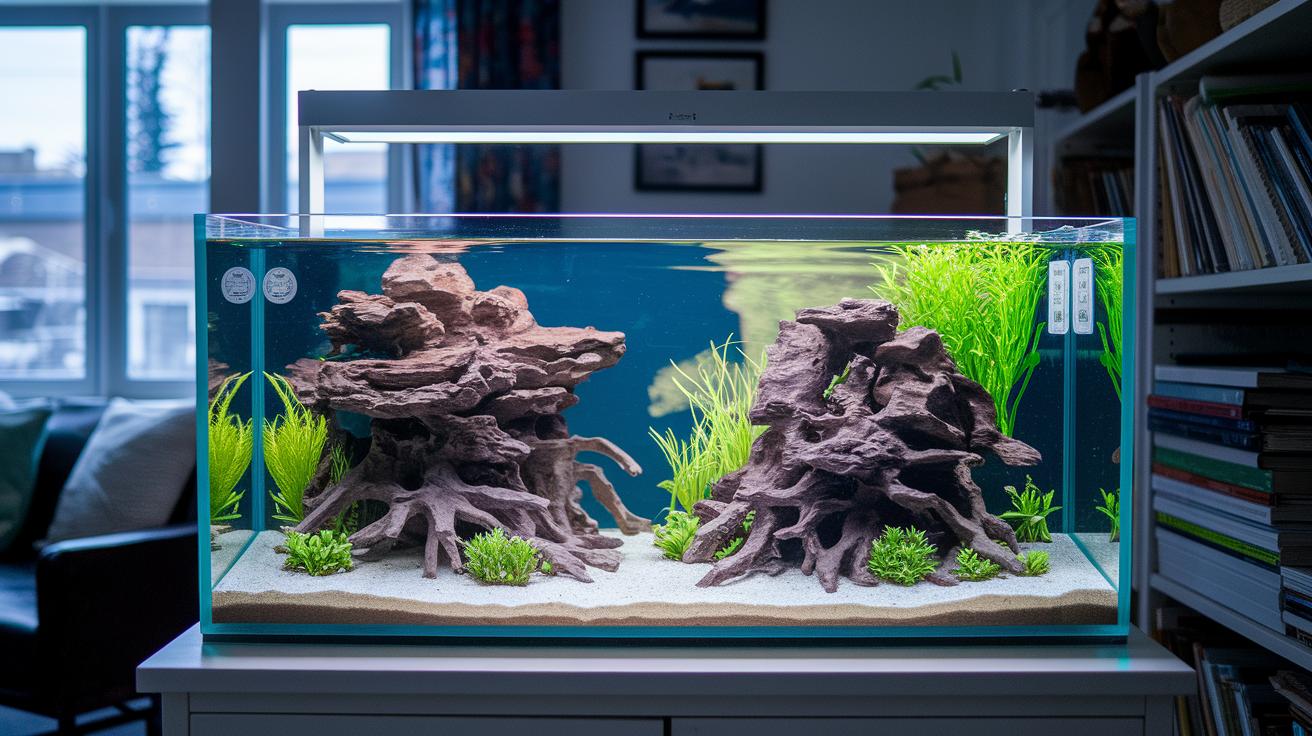
Setting up a clear schedule makes keeping your tank in top shape a breeze. By matching water changes to the feel of each season, you ensure your aquatic friends enjoy a steady, balancing routine. Remember to use a siphon to clear the substrate and mix in a dechlorinator with every refill, it's like a little spa day for your fish!
| Season | Frequency | Water Change % | Key Actions |
|---|---|---|---|
| Winter | Biweekly | 20% | Soft top-offs and checking the tank’s warmth |
| Spring | Every 10 days | 25% | Light cleaning and tuning up for more plant growth |
| Summer | Weekly | 30% | Frequent top-offs to beat evaporation and a regular vacuum of the substrate |
| Autumn | Biweekly | 25% | Cool water refills and a gentle vacuum when plant activity wanes |
Adjust these pointers to fit your tank type and number of fish, ensuring your little underwater world stays vibrant all year long.
Final Words
In the action of keeping your tank thriving, we talked about tweaking water change routines each season. We covered setting proper change percentages, matching temperatures, handling evaporation, and taking care of equipment. Small tweaks in water quality testing and algae control round out the guide. Paying attention to seasonal adjustments for aquarium water change schedules makes a real difference in maintaining a clean, balanced tank. Keep these tips in mind, and your underwater world can sparkle all year long.
FAQ
How often should I change aquarium water?
The frequency often depends on your tank’s size and bio-load. Typically, changing 10–30% of the water every one to two weeks keeps parameters stable, with adjustments made for tanks with extra plants or fish.
What seasonal adjustments are recommended for water change schedules?
Seasonal changes call for slight tweaks. In winter, aim for a 20% change every two weeks; in spring, a 25% change every 10 days; during summer, 30% weekly plus daily top-offs; and in autumn, 25% biweekly.
How is the water replaced and when should I do a partial water change?
Replacing aquarium water means slowly siphoning off 10–30% and refilling with properly conditioned water. Partial water changes help balance chemical levels and keep your tank healthy without a complete water refresh.
Should I do a water change before adding new fish?
Preparing your tank with a water change before adding new fish can remove excess organics and stabilize the water, making the fish’s new home safer and more inviting from the start.
How often should water changes be done during cycling a tank?
During tank cycling, opt for smaller, more frequent changes—around 10–20% weekly. This gentle approach maintains vital bacteria while slowly removing unwanted chemicals as your tank establishes its balance.
How long should I wait before adding fish to a tropical tank?
Let your tropical tank cycle for about three to four weeks. This waiting period allows beneficial bacteria to grow and water parameters to stabilize, creating a safe environment for new fish.
How do I get started with a new aquarium setup?
Starting a new aquarium involves setting up reliable filtration, properly cycling the tank, and planning gradual water changes to build a stable ecosystem for your fish. Enjoy the process as you establish your underwater world.