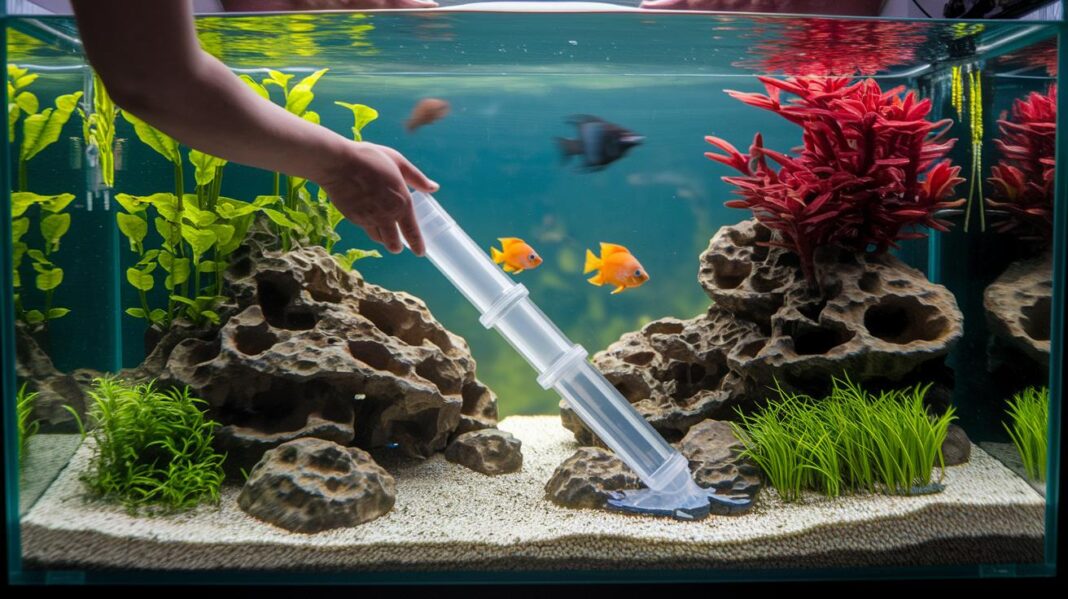

Have you ever thought your fish might enjoy a little treat? Regular water changes do more than just freshen up your tank, they help wash away gunk that builds up and keep algae at bay.
When you swap out the water, it creates a calm home where your fish can thrive, and friendly bacteria can work their magic to boost your tank’s overall health. It’s like giving your fish a tiny spa day every time. Ever notice how a clean home makes everything feel better? Read on to find out how a steady water change routine can transform your aquarium into a peaceful, healthy retreat.
How Frequent Water Changes Control Waste Buildup
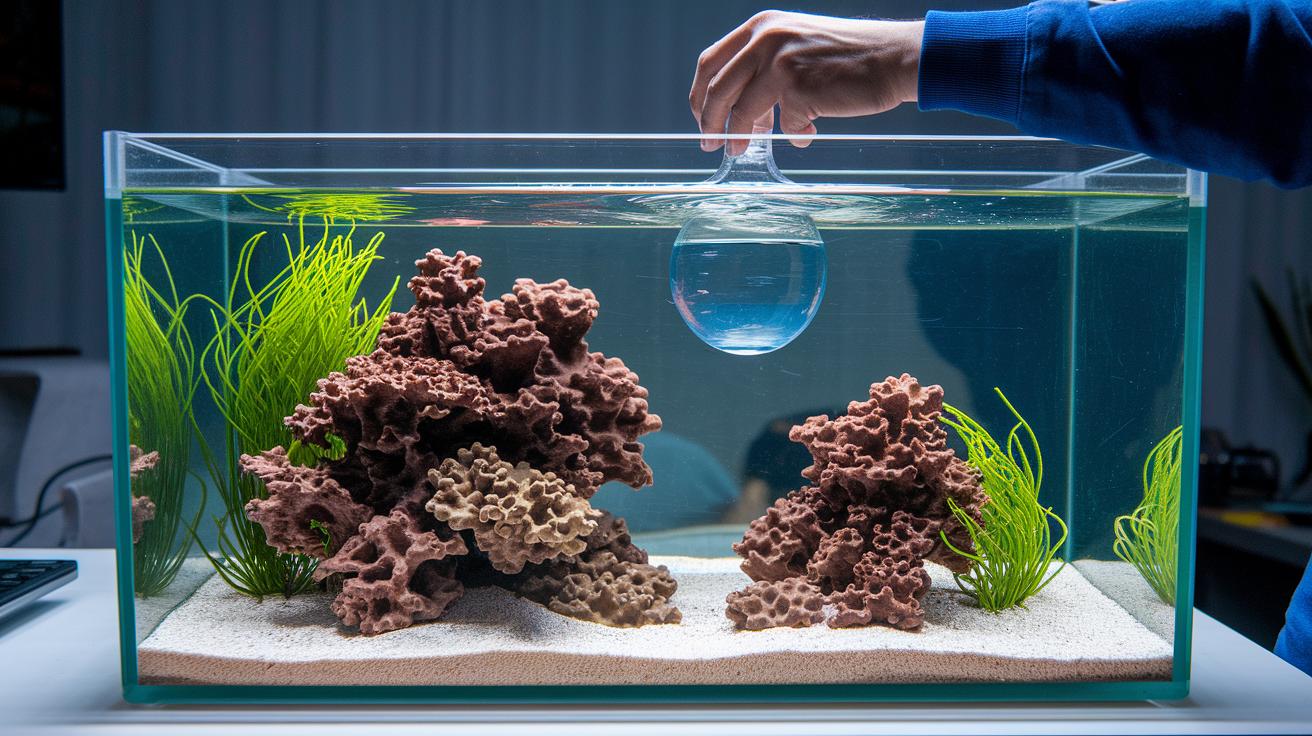
When you swap out your tank water often, you're gently rinsing away the organic waste and keeping algae from getting too rowdy. It really works like giving your fish a mini spa day each week, especially if your tank is bustling with life or has fast-growing species.
For tanks that aren’t as crowded or are mostly filled with plants, you might get away with a water change every 2 to 4 weeks since waste builds up more slowly. When you're not sure about your tap water's quality, a safe bet is to change about 30% of the water; this bits of fresh water wash away pollutants without shocking your aquatic buddies.
Some dedicated breeders even go for a full water change, like 100%, when they have top-notch tap water. But if metals like copper or zinc are hanging around in your tap, it's better to stick to smaller changes, around 10% to 20%, so your fish don't face any toxic surprises.
Every water change helps keep your tank's ecosystem balanced, like a quiet stream where the beneficial bacteria can flourish. In truth, regular maintenance not only keeps your aquarium clean but also creates a calm, healthy home for both your fish and plants.
Setting Up a Routine for Frequent Water Changes
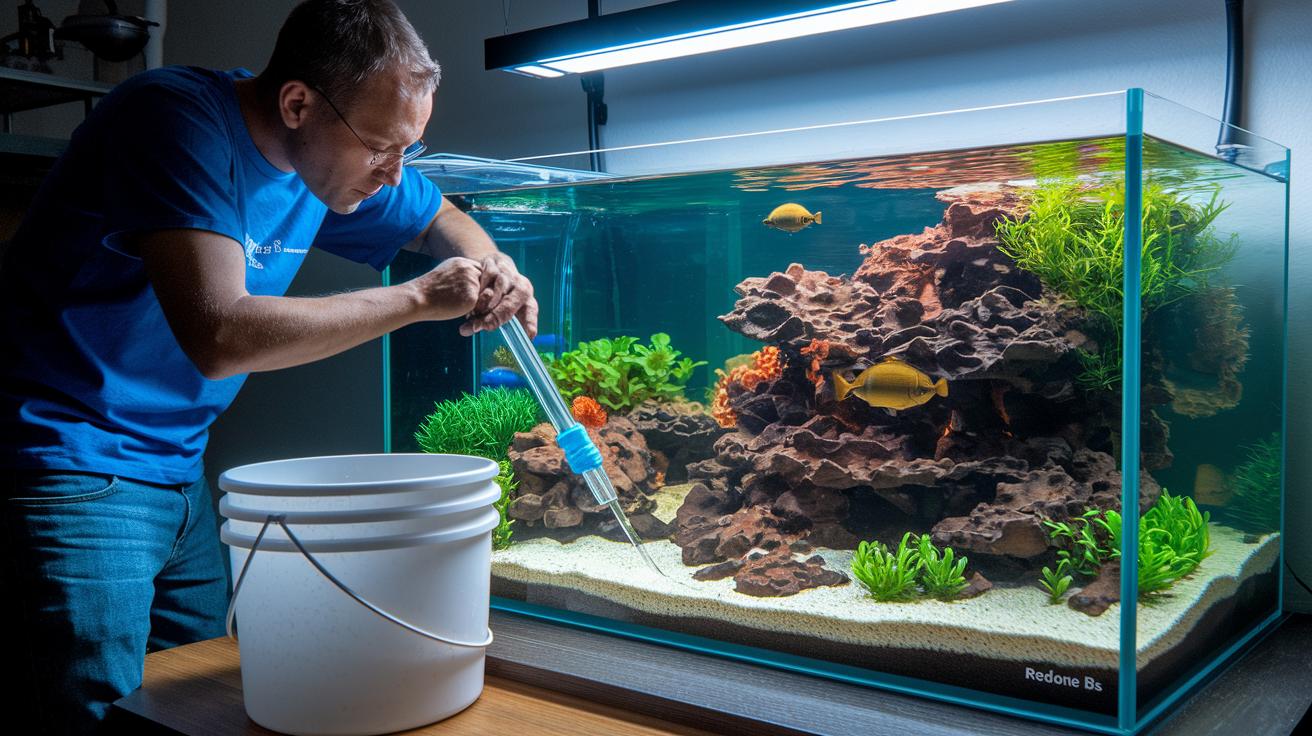
Setting up a regular routine for water changes can feel as soothing as watching gentle ripples gliding over smooth stones. It starts with a clear plan and having the right tools, which helps create a cozy, clean home for your fish and plants. This routine not only clears away unwanted waste but also protects the good bacteria that help keep your tank healthy. Matching the temperature of your fresh water within about 5°F of your tank’s water is like giving your fish a warm, familiar welcome instead of an unexpected chill.
Before you dive in, gather your essential supplies: siphon tubing, a bucket, an aquarium heater or inline heater, and a test kit. Then, follow these simple steps each time you change your water:
-
Prepare and dechlorinate the water
(For instance, treat your tap water to remove chlorine so it’s safe for your fish.) -
Measure and match the temperature
(Use a thermometer to ensure the new water is close in temperature to your tank’s water.) -
Siphon out the detritus and sludge from the substrate
(Clear away buildup gently, like removing leaves from a quiet brook.) -
Add new water slowly
(Pour gradually to mimic the natural flow of a stream, easing stress on your fish.) -
Test the water parameters and check on your fish
(Monitor ammonia, nitrite, and nitrate levels, and observe your aquatic friends to ensure everything is balanced.)
Monitoring Water Quality During Frequent Water Changes
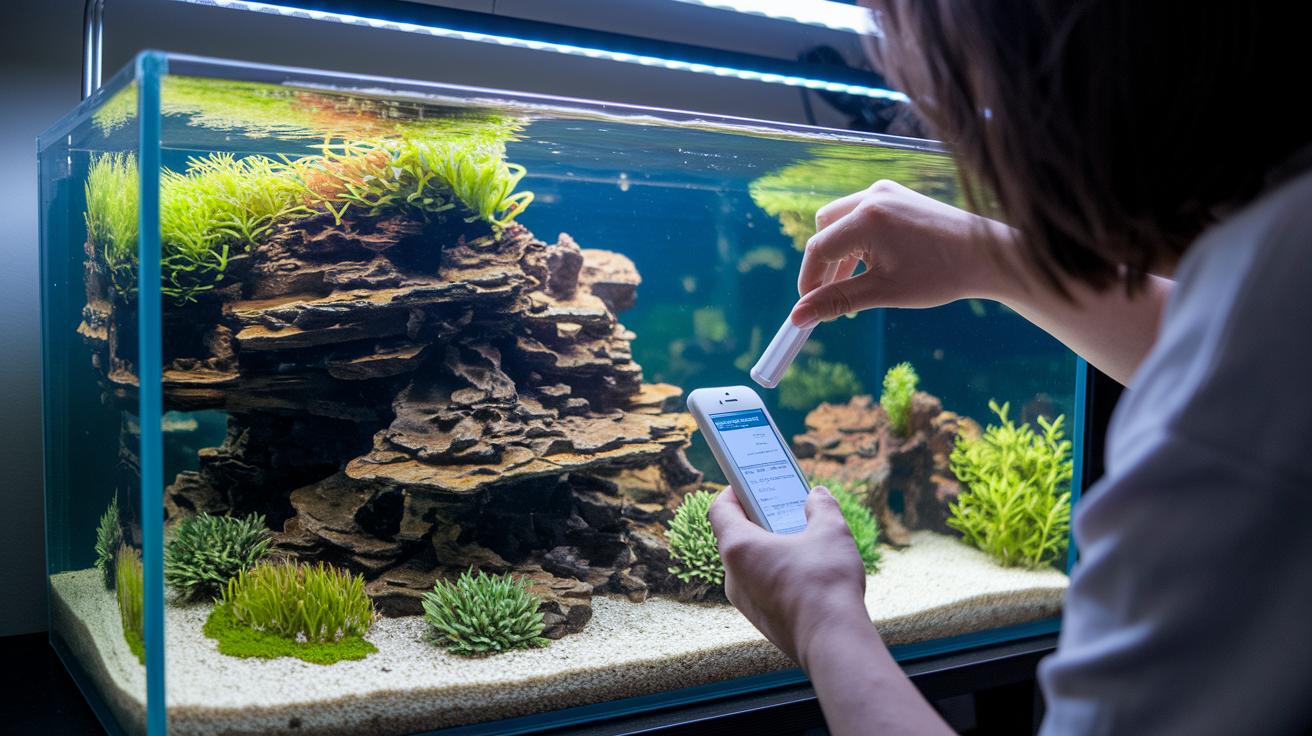
Testing your water is key to keeping your tank clean and healthy. Every time you change the water, grab a trusted freshwater test kit and check for ammonia, nitrite, and nitrate. If you see ammonia spike, it’s like noticing extra grit in a clear stream, it’s a sign your tank might need a bit of extra attention.
Keeping an eye on pH, KH, and GH levels helps maintain a balanced home for your fish and plants. Steady conditions support the natural cleanup process of your tank, much like how the gentle flow of water smooths out rough stones. Regular testing not only points out issues early but also guides you on adjusting your water change routine, just as you might tweak a recipe to get the flavor just right.
Don’t forget to dechlorinate your tap water. This simple step protects the helpful bacteria that keep your aquarium running smoothly. It’s also smart to check the tolerance levels for your aquatic friends and plants. For a closer look at testing procedures and maintaining chemical balance, visit https://sweetfysh.com?p=3369.
Enhancing Filtration Systems to Manage Detritus and Waste
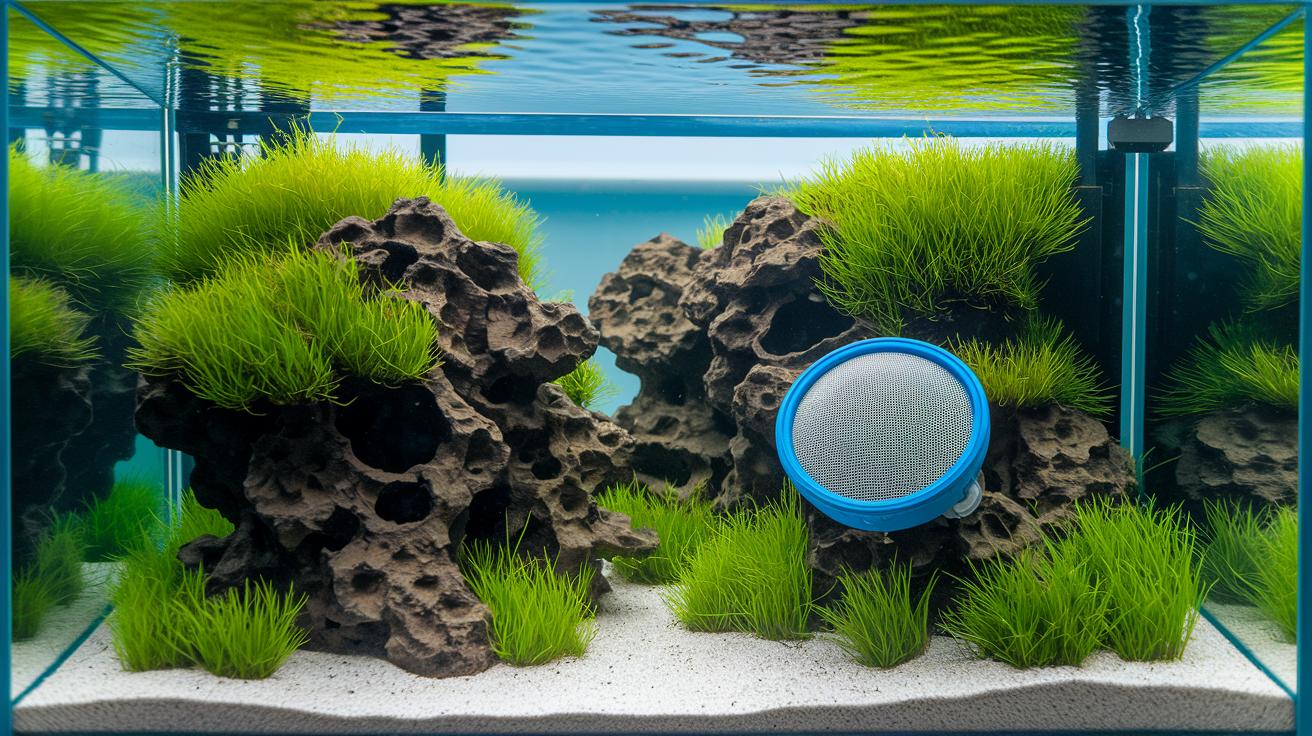
Keeping your tank clean is a bit like caring for a beautiful garden under water. Regular water changes and a smart filtration system work together to keep waste at bay. Your biological filter is like a tiny team of helpers, nitrifying bacteria that change harmful ammonia into nitrite and then into nitrate, making the water safer for your fish. Meanwhile, mechanical filters act like gentle nets, catching larger bits of debris before they sink and cause trouble.
When you upgrade your filter, be sure not to rinse the filter media too much with tap water. That extra rinse might wash away the friendly bacteria your tank needs to stay balanced. Sometimes, a little boost from filter additives can help these bacteria settle in and do their job better. It’s a simple step that gives your tank a natural cleaning kick.
By mixing both biological and mechanical filtering methods, you create a system that handles waste really well. Regular water changes scoop away most of the debris, and your optimized filter takes care of the smaller dissolved wastes and pollutants. It’s a bit like watching the soft flow of a stream – calm and steady, protecting your aquatic home so your fish and plants can flourish.
Regular care of your filtration system along with water changes builds a strong, healthy habitat for your underwater friends.
Adjusting Water Change Frequency for Effective Bioload Management
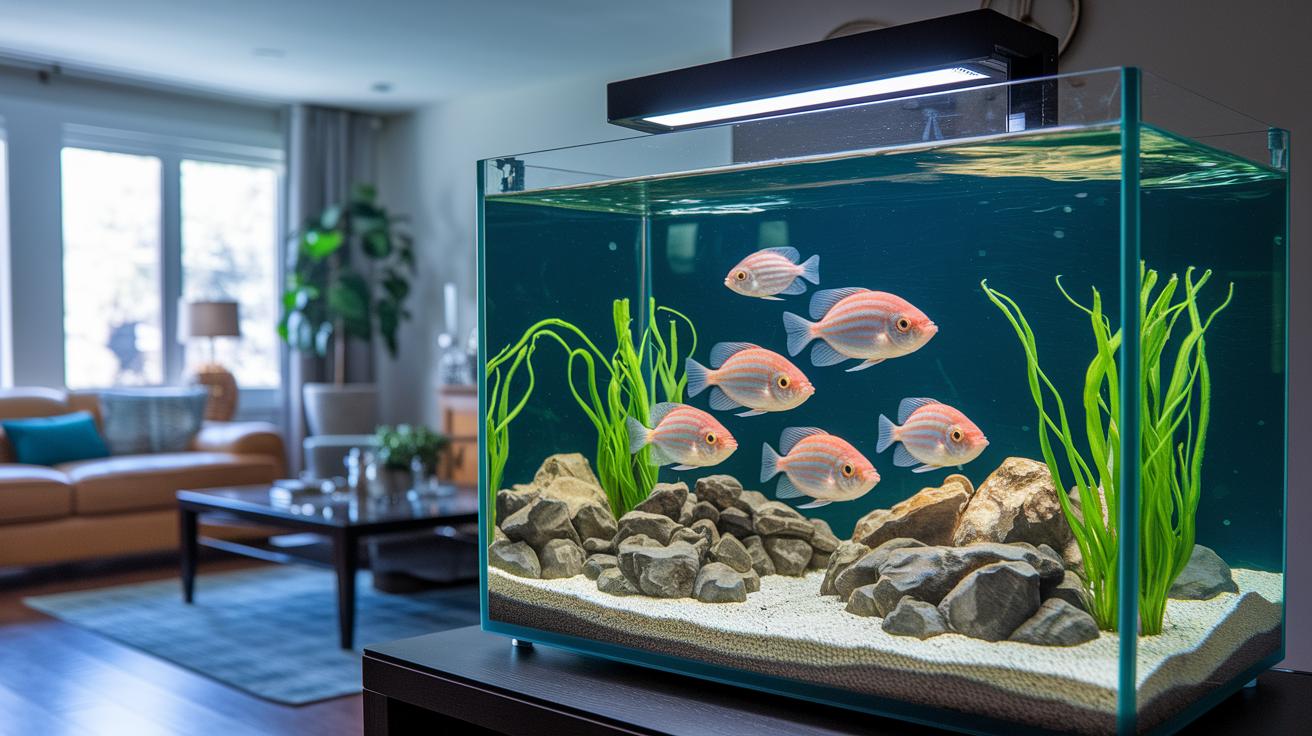
If you have a busy tank full of fish that breed fast, doing a weekly 30% water change is best. For tanks with fewer fish or lots of plants, you can stretch it out to every two to four weeks, it keeps both waste removal and tank stability in balance. When you're using clean tap water without any harmful chemicals, a full water change works fine. But if your tap water has heavy metals or other toxins, it’s smarter to change just 10-20% of the water to avoid a sudden spike in toxins that might stress out your fish.
Warmer weather can also speed up how quickly waste builds up. In the heat, fish tend to be more active and their metabolism speeds up, so even a lightly stocked tank might need a weekly 30% change during summer. One aquarist even noticed that while her tank only needed a change every two to four weeks during cooler months, summer heat meant a weekly 30% change to keep things in check.
To get your cleaning routine just right for your tank’s specific needs and local water quality, check out the detailed schedule at https://sweetfysh.com?p=3451 for tips on keeping your fish happy and healthy.
Safety Considerations and Additional Tips for Waste Reduction
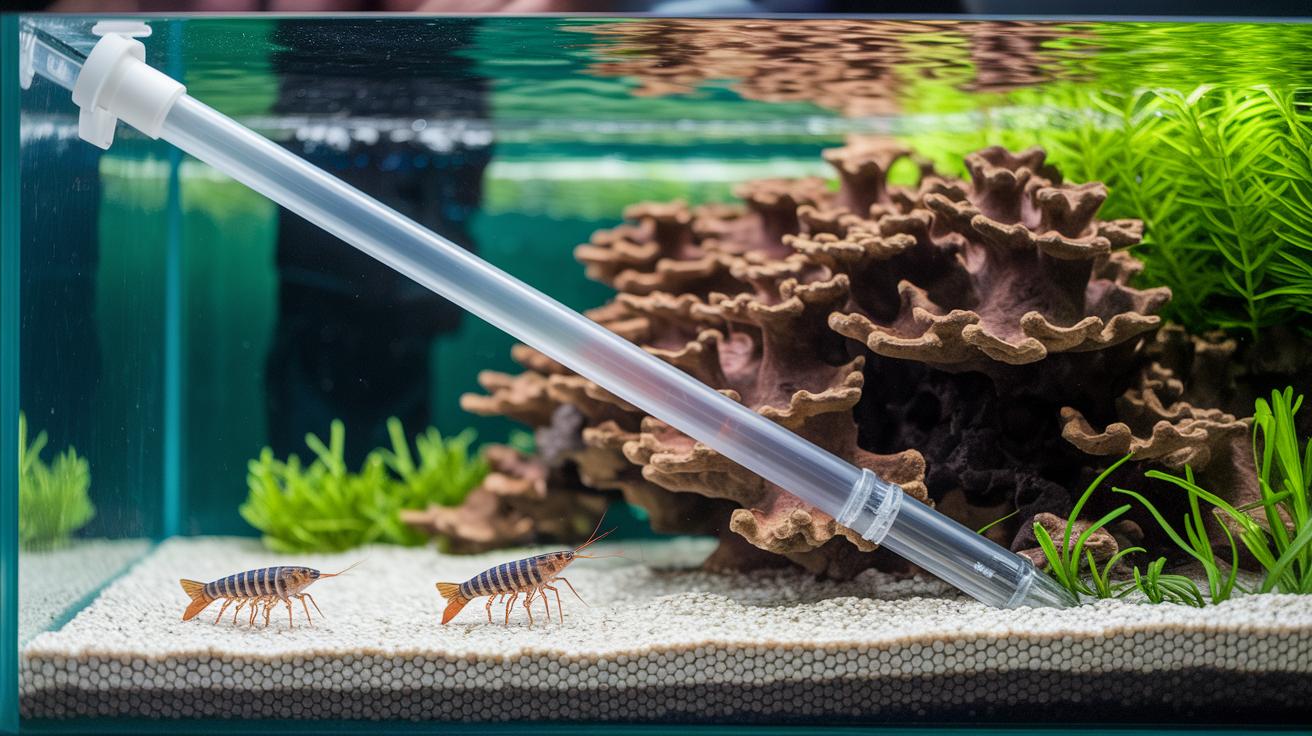
Before you add tap water to your tank, always take a moment to dechlorinate it. This little step helps protect your fish friends and the tiny critters that keep your aquarium healthy by saving the good bacteria from harmful chemicals. Make sure the new water is about as warm as your tank water so your fish feel right at home. Also, keep the siphon tubing away from your shrimp and delicate plants during cleaning, it's like giving them their own space to stay safe. And if you're doing a big water change, adding a bit of extra aeration is a smart move to keep the oxygen bubbling nicely for everyone.
Regular care goes beyond just swapping the water. Gently vacuum the sand or gravel to lift out extra waste, trim away any withered leaves, and be mindful of not overfeeding your aquatic pals. These simple actions help stop extra nutrients from causing pesky algae to grow. You might even think about inviting a few algae-eating buddies into your tank to naturally keep the green stuff in check. Over time, these mindful habits will not only brighten up your aquarium but also create a cozy home where every critter can thrive.
Final Words
In the action, this article breaks down key steps for keeping your tank sparkling clean. It covers everything from preparing new water and matching its temperature to carefully siphoning sludge and testing parameters. The guide explains how to manage waste buildup with frequent water changes while showing how to keep fish happy and water clear.
Each tip works together to create a comfortable, safe home for your aquatic friends. Enjoy watching your underwater world thrive with every small, careful adjustment!
FAQ
Debris in fish tank after water change
The debris you see after a water change comes from stirred-up sediment and waste buildup. This is normal and can be reduced by a gentle, slow water change that minimizes movement on the tank floor.
How often to change water in a fish tank with a filter and how often can you do a water change in a fish tank
The frequency of water changes depends on tank conditions. A weekly 30% change works well in tanks with filters, while adjustments may be needed based on stocking and plant density.
Can I do water changes every day
Daily water changes might stress your fish and beneficial bacteria. Small, frequent water swaps can keep water quality in check if temperature and chemical levels are closely monitored.
Is a water change twice a week effective
A twice-weekly water change can work well in busy tanks. Frequent, partial changes help remove waste and sustain clear water without disturbing your aquatic friends.
What is the 2Hr Aquarist water change
The 2Hr Aquarist water change refers to a timed process aimed at swiftly refreshing tank water. It emphasizes quick, careful water replacement while keeping temperature and water chemistry stable.
How to get rid of fish poop in a tank naturally and how to deal with fish poop in an aquarium
Natural removal of fish poop can be achieved by using a siphon to vacuum your substrate regularly and incorporating cleanup crews like snails or certain fish that help manage waste between water changes.
Should you ever do a 100% water change in an aquarium
A 100% water change can be risky if your tap water parameters are not ideal. It may remove essential bacteria and create a shock if the new water does not match the tank’s temperature and chemistry.
Can frequent water changes harm fish and is a 50% water change too much
Frequent water changes won’t harm fish when done right. A 50% change can be safe if you use dechlorinated water that matches the tank’s temperature, preventing stress on your aquatic pets.
Do heavily planted tanks need water changes
Heavily planted tanks often require fewer water changes because plants absorb excess nutrients. Yet, periodic water refreshes help remove accumulated waste and maintain a balanced environment.
What are the 2Hr Aquarist APT series products (APT 3, APT Fix, APT Jazz, APT 1, APT e, APT FIXLITE)
The 2Hr Aquarist APT series includes various modules designed to support different water change routines. Each version targets specific needs in water maintenance to suit diverse tank setups and care practices.