

Ever feel like manually changing your water is like swimming upstream? Automatic dosing lets your tank flow smoothly, like a gentle current refreshing everything.
It keeps important minerals balanced, so your fish glide happily and your live plants sparkle bright. This clever method cuts out the guesswork, saving you time and effort while boosting water quality.
In truth, automatic dosing turns a daily task into a simple, soothing ritual that almost feels like magic.
Implementing Automatic Dosing During Aquarium Water Changes

Automatic dosing turns water changes into a calm, easy process, much like a gentle current flowing through your tank. Regularly changing your water helps remove organic waste that might slip past even the best test kits. If your tank is bustling with lively, fast-growing fish, a weekly water change works best. For quieter tanks with fewer inhabitants, a change every 2 to 4 weeks is just right.
Generally, swapping out about 30% of the water is ideal when your tap water is in good shape. But if your tap water carries heavy metals, stick to a 10–20% change to protect sensitive shrimp and delicate plants. And if you use Seiryu stone, remember that its natural limestone adds extra KH, so keeping close to a 30% change helps prevent sudden shifts in water hardness.
Here’s a simple step-by-step look at how automatic dosing can boost your routine:
- Check that your dosing system, like the GHL Doser Maxi, is ready to go.
- Start the system so it drains a set percentage of the older water.
- Refill the tank with fresh, pre-conditioned water at a steady pace.
- Then, add precise doses of minerals and supplements to rebalance your water chemistry. This careful dosing helps keep toxins and algae blooms at bay. For more details, see our guide on balancing fish tank chemistry during maintenance (https://sweetfysh.com?p=3369).
This method gives you precise, controlled water changes without the hassle of doing it all by hand. Think of each dosing cycle as a little ritual that refreshes your tank, keeping your fish happy like a cool dip on a warm day.
Selecting an Automatic Dosing System for Aquarium Water Changes

For many years, aquarists have trusted two-part dosing devices to keep their tanks balanced with little extra effort. Models like the DOS device or the GHL Doser Maxi have earned a loyal following because they work great on their own. And if you're into automation, some units let you hook them up with bigger controllers so your fish tank can take care of itself almost like magic.
When you're picking a dosing system, think of it like choosing the right filter for your favorite stream. Check that the tubing sizes match and that any check valves in place keep the water flowing in just one direction, keeping the system safe from backflow. Also, decide if you need something that works by itself or if you’d prefer a unit that easily links up with a digital controller, if your current pump setup can easily sync with the doser, that might make life a whole lot simpler.
Here’s a quick checklist to help you out:
| Checklist Item | Description |
|---|---|
| Tube and Valve Match | Make sure your tubing and check valves work together. |
| Operation Type | Decide between a standalone unit or one that integrates with a controller. |
| Power and Pump Setup | Review the power needs and how the pump is configured for your tank. |
Some aquarists have used these dosing systems for years with amazing reliability. With the right setup, your dosing system brings everything together for smooth water changes and a happier underwater world.
Programming Dosage Scheduling for Precise Water Change Dosing
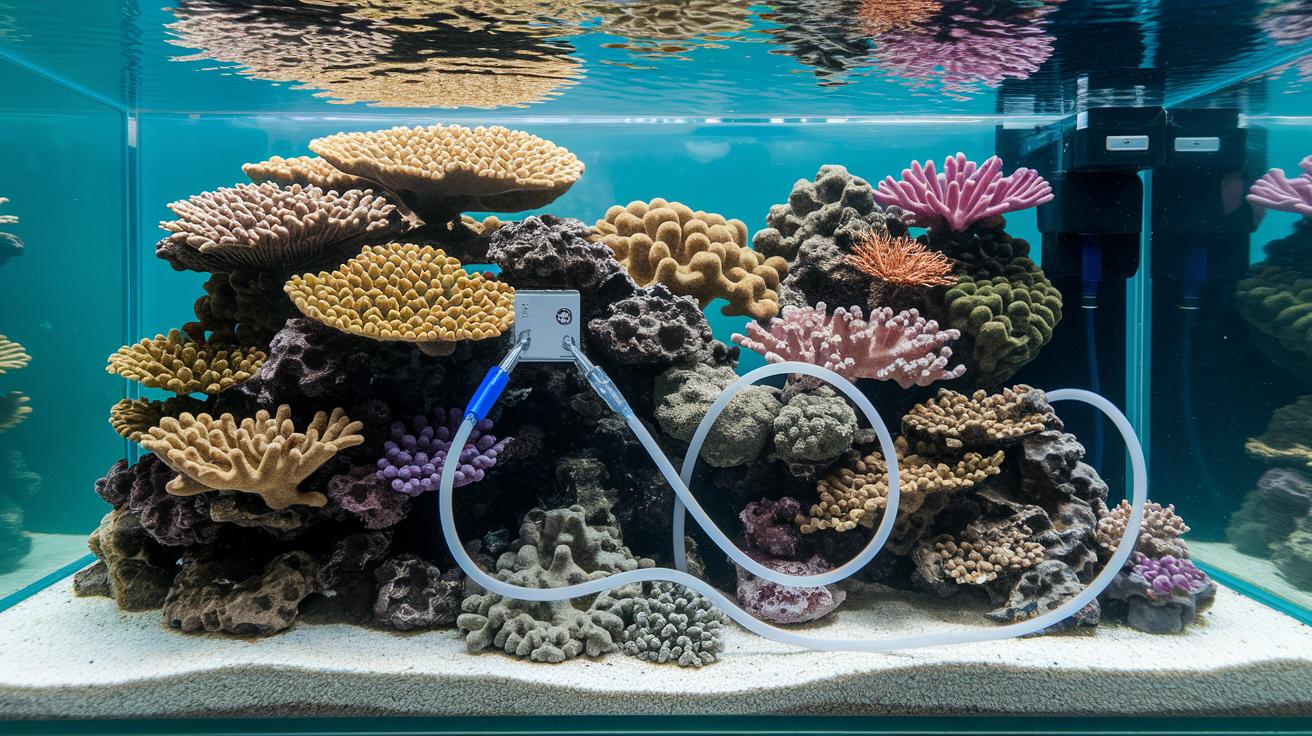
Setting up your dosing schedule is like choreographing a little dance in your tank. The GHL Doser Maxi makes it simple with a series of steps that work automatically. Start by telling the system when to turn on the drain pump. For example, you might set it so that when it's time for a water change, your pump drains a specific percentage of your tank’s water.
Then, the doser steps in to add a measured amount of fresh water. Picture it as a smooth, step-by-step process: first the drain, then dosing the water, and finally adding any special supplements your tank might need. It's like the system whispers, "Drain, dose, and supplement," keeping your aquarium balanced every time.
Once the new water and supplements are in place, the pump turns off, wrapping up the water change. If your tank needs extra additives after the refill, you can add more steps to the program. With ProfiLux integration, the system can even adjust automatically if a sensor detects changes in pH or conductivity.
A neat trick is syncing the doser clock with your water-change intervals. Think of it as setting the heartbeat of your aquarium, steady, predictable, and completely hands-free.
- Program the drain pump to start
- Dose the right amount of fresh water
- Add the needed supplements
- Stop the pumps after checking your water parameters
Take your time setting up each step and enjoy the calm that comes with a perfectly maintained aquatic home. Ever notice how a well-kept aquarium feels like a gentle ripple on a quiet day?
Calculating Nutrient Replenishment and Measured Supplementation
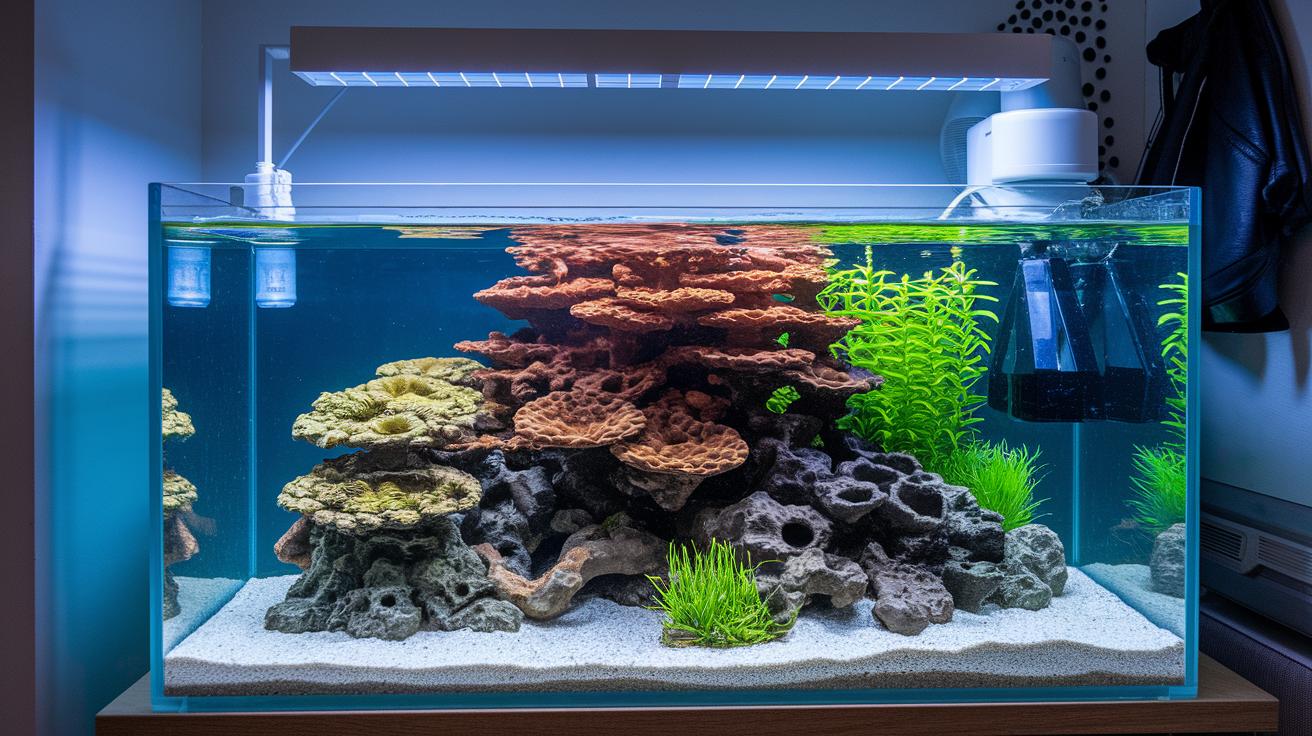
Automatic dosing systems are like little helpers that bring back the nutrients your tank loses during a water change. They add back big nutrients like nitrogen, phosphorus, and potassium, plus a few extra bits that balance your water chemistry. For example, if you have a 50-gallon tank and you change 30% of its water, that means you refresh 15 gallons. Here’s a quick tip: if your supplement says to add 2 milliliters per gallon of water, you’d use about 30 milliliters of each nutrient to keep things steady.
It’s good to change how much you add based on your water change routine. In tanks where water is changed every week, small doses given often work best because they slowly replace the lost nutrients. When you change the water monthly, you need a bit more at once, but still add it slowly, just like gently sprinkling salt into a dish so you don’t overwhelm the flavor.
Using measured doses not only keeps your water balanced, it also helps your fish and plants stay healthy. A smart plan for dosing keeps your tank environment calm and lively, much like a gentle stream that always has the right mix of minerals.
Integrating Digital Monitoring with Automatic Dosing During Water Changes

Digital monitoring systems are like having a friendly aquatic assistant that keeps your tank in great shape. When you hook up simple sensors for pH, conductivity, and ORP with smart tools like the GHL ProfiLux, your dosing controller makes quick adjustments as soon as it senses changes in your water. Ever notice how a drop in conductivity can be a sign that your tank needs a little extra boost? That's when your system steps in with just the right amount of supplement, all on its own.
This smooth, automatic check keeps accidental overdoses at bay and gives you peace of mind because every tweak is backed by clear, real-time data. The sensors also log details about your water over time, much like noting the gentle ripples in a quiet pond. With these insights, you can fine-tune your dosing schedule, ensuring your underwater world remains calm and balanced. Each tiny shift, from a slight change in pH to the precise moment to add a supplement, is managed perfectly by the controller, letting your tank thrive with less hands-on work and more care for your aquatic friends.
Step-by-Step Process Enhancement for Automatic Water Change Dosing

In this section, we focus on checking your sensor settings and offering simple troubleshooting tips that we didn’t cover earlier. We already talked about the steps to prime your doser, drain, refill, add supplements, and verify your work in other parts.
A handy tip before starting your water change is to test your sensor with a standard solution. For example, if your pH meter shows 7.0 but your sensor reads 7.3, take a pause and recalibrate to make sure all is in balance.
If you see any odd behavior in how the supplements are dosed, stop the process immediately. Compare what your equipment tells you with a quick manual check to catch any differences before they grow into bigger problems.
| Phase | Troubleshooting Tip |
|---|---|
| Calibration Check | Test your sensor using a standard solution and recalibrate if the reading is off by more than 0.2 units |
| Dosing Monitoring | Compare the doser’s output with manual measurements and stop dosing if you see any inconsistencies |
Maintenance Insight and Troubleshooting Automatic Dosing During Water Changes
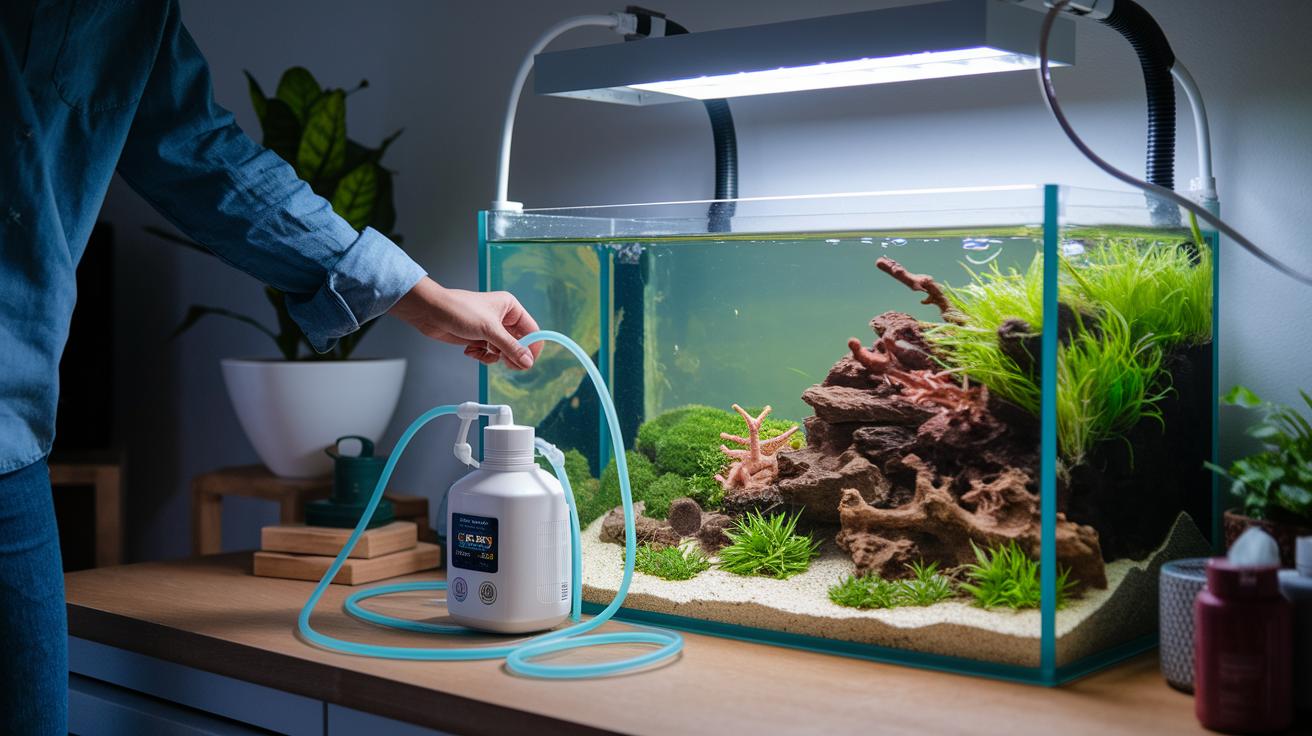
Taking a moment for regular check-ups is like letting your dosing system float along in a calm, clear stream. Every week, give your dosing lines a gentle flush and take a close look at the peristaltic tubing for any signs of wear. This simple inspection helps catch issues early, like clogs from concentrated supplements or little air pockets that can disturb the smooth flow of water.
Once a month, set aside a bit more time to recalibrate your sensors and test the pump’s output. Over time, sensor readings can wander off course, and a quick recalibration brings everything back into balance. If you notice the pumps hesitating or the water flow feeling off, try re-priming them. And if it’s been between 6 and 12 months since you last swapped out the tubing, consider giving it a rest and installing a new one.
| Task | Recommendation |
|---|---|
| Weekly Maintenance | Flush the dosing lines and check the tubing for any gentle wear |
| Monthly Maintenance | Recalibrate your sensors and test the pump to ensure consistent flow |
| Troubleshooting | Re-prime the pumps; replace tubing every 6–12 months; recalibrate sensor offsets |
For more friendly advice on caring for your gear, see the preventive maintenance tips for aquarium equipment at https://sweetfysh.com?p=3358.
Advanced Upgrades: From Standalone Doser to Full Controller Integration
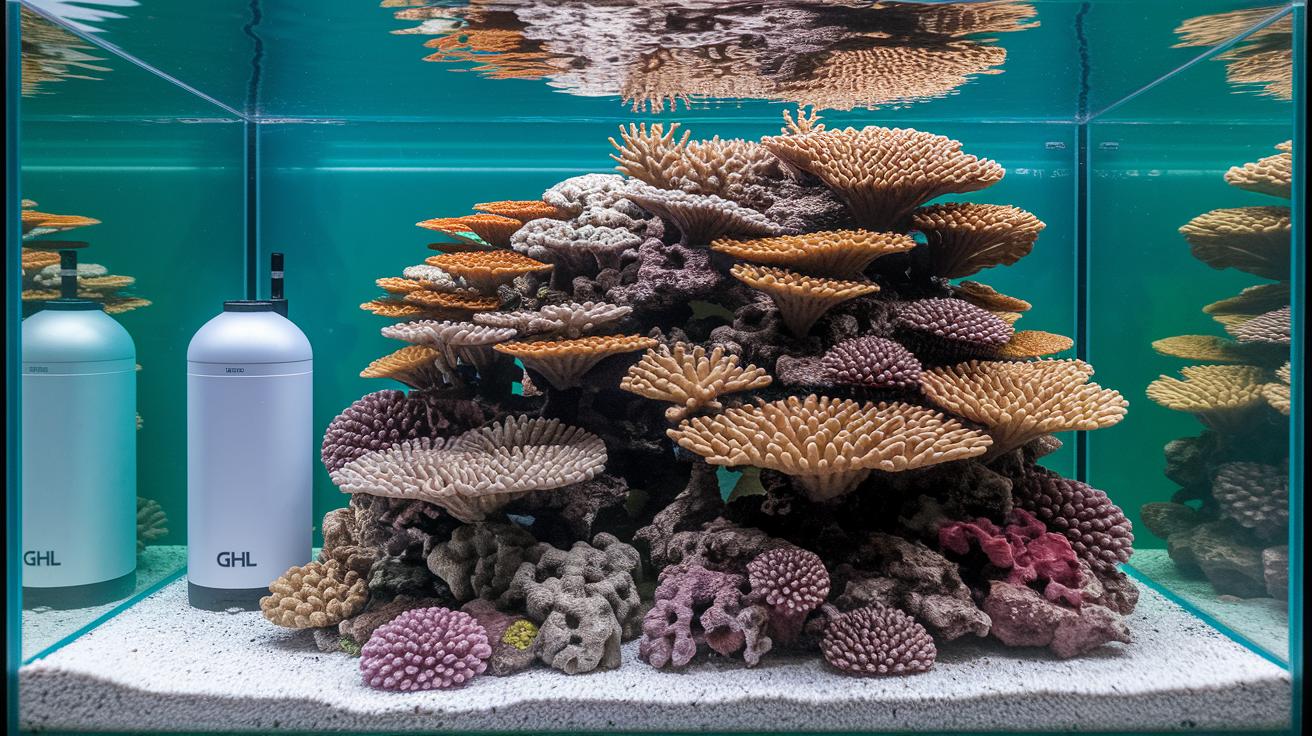
Imagine starting with your trusty GHL Doser Maxi, which is already keeping your water changes smooth and steady. Once you're happy with how it's handling your tank, you can add a GHL ProfiLux controller and a few extra expansion modules. This setup lets you manage everything from one spot, kind of like directing a graceful underwater ballet where every movement is in sync.
Then, things really step up with smart algorithms that watch over multiple factors at once. These little helpers ensure that every water change is perfectly tuned to keep your fish and plants happy. With firmware updates and extra sensors, your system grows right along with your aquarium passion. Think of it as upgrading from a basic tool kit to an all-in-one workstation designed to care for your aquatic world.
Final Words
In the action, we walked through setting up your system for automatic dosing during aquarium water changes. We explained how to program dosing schedules, select the right equipment, and use sensors to keep your water balanced.
We also covered how routine checks and maintenance keep your underwater home healthy and clear. Each step builds confidence in creating a beautiful tank.
Feel great knowing your setup protects your aquatic pets while keeping your water as clear as a calm lake. Happy fish keeping!
FAQ
Should you ever do a 100% water change in an aquarium?
The question regarding doing a 100% water change indicates that a full change may shock fish and remove helpful bacteria. Partial changes keep the tank stable and safe for aquatic life.
What to use when changing aquarium water?
The question about what to use when changing aquarium water points to the use of dechlorinated tap water paired with a water conditioner and any necessary supplements to maintain balance and protect fish health.
Should I use Seachem Stability with every water change?
The question regarding using Seachem Stability suggests that it helps promote beneficial bacteria growth during water changes. Follow product instructions and apply it based on your tank’s specific needs rather than automatically with every change.
Should I remove fish when doing a water change?
The question about removing fish during a water change reflects that keeping fish in the aquarium usually prevents unnecessary stress, unless the process creates unsafe conditions that might harm the tank’s inhabitants.