

Have you ever thought that your old aquarium water might be a bigger problem than you first assumed? Keeping your tank safe and nature happy means knowing how to gently get rid of that water.
Imagine it like guiding a soft stream away from your tank, much like watching light dance on water at sunrise. First, switch off your equipment, then carefully move your fishy friends to a safe spot. Next, slowly siphon the water out, just like letting a calm river flow by.
Take your time with each step and soon you'll find comfort in knowing you're doing the right thing for your aquatic home. Ever notice how small, mindful actions lead to big, beautiful ripples?
Step-by-Step Guide to Disposing Old Aquarium Water Safely

-
First, turn off and unplug all extra equipment. This helps keep you safe and stops any electrical mishaps right from the start.
-
Next, gently transfer your fish and any aquatic friends into a temporary tank filled with some of the original water. This way, your aquatic buddies stay comfortable and the water chemistry remains familiar.
-
Then, slowly siphon out the old water. Think of it like guiding a calm stream out of your tank without splashing – it keeps the process neat and easy.
-
Now, make sure the siphoned water flows into the right place, such as a drain, soil, or toilet, following your local guidelines. This keeps unwanted spills or pollution at bay.
-
After most of the water is gone, check the corners and surfaces for any moisture. Wipe them down with a clean cloth to prevent any pesky mold or mildew from forming.
-
Finally, handle any extra plants or debris responsibly. Don’t dump the plants into local wastewater systems because some can become invasive and upset the local balance.
Preparing Old Aquarium Water for Safe Disposal
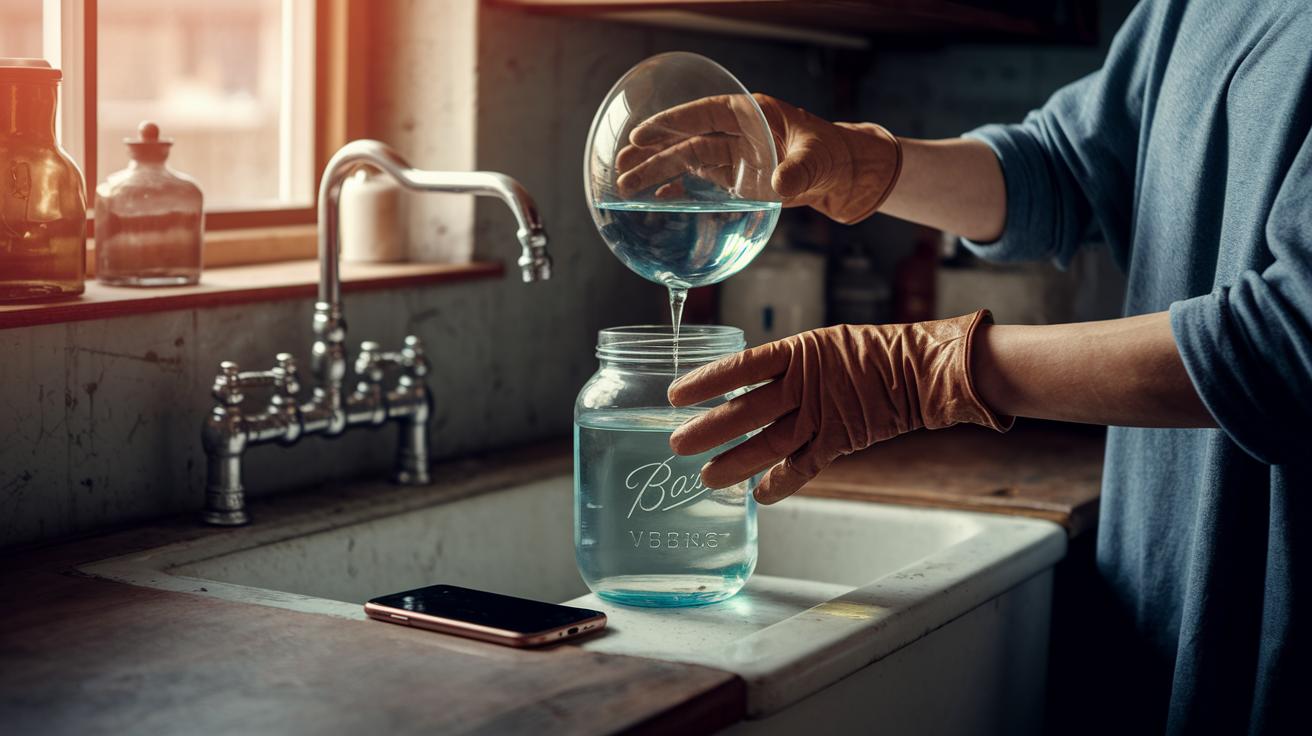
Don't see this process as just emptying your old tank. Instead, handle the water with care to keep everything safe. First, strain out any solids like algae or leftover bits of fish food. This little step helps clear the water and prevents unwanted clogs later. Next, let the water settle so you can pour off the clear liquid and leave the heavier sediment behind. This way, if any chemicals need extra care, you'll know right away.
Remember, calibration liquids and water test solutions must never mix with your normal waste. They need to be taken to special hazardous waste drop-off spots. Also, batteries and accumulators found in aquarium test kits are covered by the German Battery Act, so they should be separately recycled rather than tossed in the trash.
Follow these simple steps to do it right:
| Step | What to Do |
|---|---|
| 1 | Strain out solids like algae and food particles |
| 2 | Decant the clear water from the sediment |
| 3 | Keep calibration liquids and test solutions separate |
| 4 | Remove batteries and accumulators for proper recycling |
Taking these steps helps ensure your old aquarium water is dealt with safely, just like keeping a beautiful, well-cared-for tank. Isn't it nice to know you're doing your bit for the environment?
Disposing Chemically-Treated Aquarium Water Correctly

When your aquarium water has been mixed with medicines, conditioners, or special testing fluids, it turns into hazardous waste. Even a little bit of these chemicals can upset local waterways if they end up in nature the wrong way. Many communities offer special pick-up days, like the twice-yearly Schadstoffmobil, to safely collect and handle these dangerous liquids.
Before you get ready to discard this water, make sure you pour it into a sturdy, leak-proof container. Label the container clearly so that anyone handling it knows it contains hazardous substances. This extra step protects both you and the environment, ensuring the chemicals are processed in a safe facility. It’s a good idea to check your local rules or ask waste management officials for guidance to avoid any accidental spills into our waterways. Taking these precautions now saves a lot of trouble later on.
Keep an eye on the following items, as they all need special care:
- Medications or antibiotics
- Water conditioners
- Calibration test reagents
- Copper-based treatments
- Any other chemical fish treatments
Understanding Local Regulations for Aquarium Water Disposal
When it comes to dumping your aquarium water, the rules change depending on where you live, so it's smart to check your local codes first. Sometimes, if your tank water is clean, your area might let it go straight into the sewer system. Other times, you'll need to bring it to a special treatment plant.
I remember a time when my local wastewater department had strict rules about even the clearest water. That little hiccup reminded me to always double-check the guidelines before I dispose of anything.
Often, local waste offices post their advice online or organize special drop-off events for used water. They might set limits on how much water you can dispose of and what quality it should be, especially if it has traces of medications or conditioners. A quick phone call or a visit to their website will help you figure out if you need a special permit or if there are extra steps to follow. It's a simple way to keep both your aquatic buddies and our environment safe.
Repurposing Old Aquarium Water for Plants and Gardens

Have you ever considered giving your plants a little treat straight from your aquarium? Aquarium water is chock-full of natural nutrients like nitrogen, potassium, and a few trace minerals that work like a gentle, homemade fertilizer for your houseplants and garden beds. It’s a lot like serving up a secret, nutritious smoothie to your plants. Just be sure you’re only using water that hasn’t been treated with medications or copper products, since those can hurt your green friends.
When you’re ready to share this liquid treat, start by mixing it with some tap water. A good mix is one part aquarium water to three parts tap water. This way, you’re not overwhelming your plants with too many minerals at once. It’s a smart idea to test this blend on a small group of plants first, just to see how they react before treating your whole garden.
The water works best on plants that enjoy a mild boost of organic nutrients. Think of seedlings, potted plants, or even your favorite indoor foliage. For outdoor spaces, blending this water into your regular watering routine can give your soil a natural lift.
- Seedlings
- Potted plants
- Lawn
- Indoor foliage
- Terrariums
Trying this eco-friendly trick is like adding a little extra sparkle to your garden routine. It’s a simple, natural way to keep your plants happy and your garden thriving. Enjoy the journey as you watch your green space come to life, one gentle ripple at a time.
Preventing Waste: Best Practices for Managing Aquarium Water

Instead of emptying your whole tank, try giving it a small water change each week. Swapping out just 10–20% of the water keeps things fresh without wasting too much. It’s like refreshing a part of your favorite ocean view.
Keep an eye on your gravel too. A quick vacuuming of the substrate clears away food bits and waste. Doing this makes it easier to keep the water clean and means you won’t need a big water change as often.
Fill your tank with lively, green plants. They not only add beauty but also naturally absorb extra nutrients. It’s almost like having a little underwater garden that helps keep the water balanced.
When choosing plants, look for those that clean up the water on their own. These natural filters work like a gentle, ongoing water treatment, making your aquarium more sustainable.
Consider using an automated top-off system to replace water lost to evaporation. This handy device keeps your water levels steady, so you end up throwing away less water overall.
And don’t forget about your equipment! Regularly checking and cleaning your filters and pumps makes sure everything runs smoothly. A little extra care means less wasted water and a healthier tank.
Final Words
In the action, we covered a clear, step-by-step guide on handling old aquarium water carefully. We discussed methods to drain water without spills, the pretreatment steps to remove residues, and even how to safely repurpose nutrient-rich water for your plants and garden. We also highlighted checking local rules to keep our aquatic environment healthy. Embracing these practices shows that careful management and understanding local codes go hand in hand with knowing how to safely dispose of old aquarium water. Here's to happy, thriving aquatic habitats!
FAQ
How do I safely dispose of old aquarium water at home or near me?
The safe disposal of old aquarium water involves moving aquatic life to a temporary tank, siphoning the water without spills, and checking local guidelines to know the best approved outlet for the water.
What should I do with dirty aquarium water or fish tank water?
Using dirty aquarium water, if untreated, can benefit houseplants and gardens by providing nutrients. Just be sure the water is free from medications or harmful chemicals before repurposing it.
Can I recycle aquarium water?
Recycling aquarium water means reusing its nutrient-rich properties for fertilizing plants. However, ensure the water hasn’t been chemically treated to avoid harming your plants and local ecosystems.
How do I dispose of aquarium test water safely?
Disposing of aquarium test water with chemicals requires filtering out solids and taking the residue to a designated hazardous waste collection point according to local regulations.