

Have you ever wondered if skipping your water change might end up hurting your fish? When the water stays in your tank too long, bad chemicals start to build up and throw off its balance. It’s a bit like a garden hose slowly getting clogged – over time, the flow drops and things just don’t work right. Today, we'll chat about how this steady buildup changes your tank’s water and could affect your fish’s health.
Long-Term Irregular Water Change Effects On Aquarium Water Chemistry And Fish Health
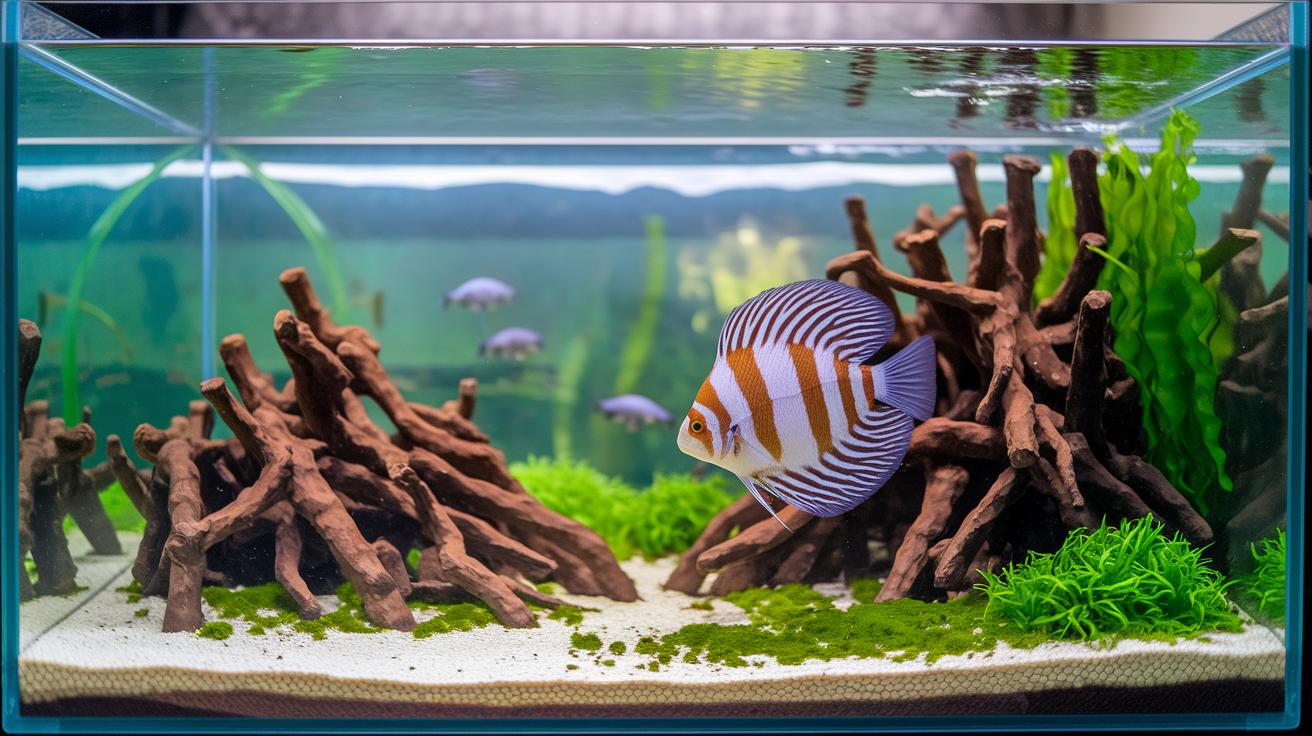
Skipping regular water changes lets toxins build up, and that can really hurt your fish. In one study, discus fish in a 20-gallon tank with regular, big water changes grew strong and steady, while those in a 55-gallon tank with few changes ended up stunted. This happens because ammonia, nitrite, nitrate, and phosphate pile up over time.
When you don't change the water often, you also disturb the helpful bacteria that keep your tank clean. These bacteria are like tiny workers that break down harmful chemicals. With fewer water changes, ammonia and nitrite levels rise and the pH starts to swing, making the water unstable. And since tap water might already have 30 to 50 ppm of nitrates, even a little extra buildup can harm young or sensitive fish.
| Parameter | Impact | Example Data |
|---|---|---|
| Ammonia | Toxic buildup | >0.02 mg/L |
| Nitrite | Oxygen deprivation | >0.1 mg/L |
| Nitrate | Growth inhibition | 30-50 ppm in tap water |
| Phosphate | Algae overgrowth | Spikes seen in 40-gal tank |
| pH | Instability in water chemistry | Fluctuations outside 6.8-7.6 |
These chemical shifts affect every part of your aquarium. Raised ammonia and nitrite levels stress fish and can lead to infections, while extra nitrates slow down growth and wear down their vitality. Phosphate spikes often trigger green algae blooms that make the water cloudy and block light from reaching plants. While occasional water changes provide a little mineral boost, a balanced diet with quality fish food does much more for your fish's health. Stable pH levels are key too, because they help the good bacteria do their job of keeping the water clean. Knowing and keeping an eye on these water parameters is a must for anyone who wants a healthy, thriving tank.
Chronic Toxin Buildup Consequences From Skipped Water Renewal

When you miss a water change, unwanted chemicals like ammonia and nitrites start to pile up in the tank. This buildup can stress your fish by messing up how their gills work and affecting their overall health. I even read about a study with discus fish that showed limited water changes led to slower growth and less active behavior. You might see your fish acting out of sorts, with sluggish movement, fins held tight, and labored gill action.
As these toxins accumulate, they create a cozy environment for harmful bacteria to thrive, which in turn weakens your fish’s immune system. Over time, this constant exposure can lead to problems like fin rot or ich outbreaks, making your fish even more stressed. Regular water changes work like a gentle current, diluting these toxins and helping to keep your aquatic friends in tip-top shape.
- Feeling sluggish and losing their appetite
- Fins held close to the body and reduced activity
- Struggling to breathe with quick or heavy gill movements
- Signs of fin rot and damaged tissue
- Outbreaks of ich or fungal growth
Algae Proliferation And Oxygen Depletion In Irregular Aquarium Water Cycles

Skipping regular water changes can let phosphates build up, a bit like leaving spilled fish food around, inviting algae to bloom fast. In a 40-gallon tank, those extra nutrients become a buffet for algae, sparking a rapid overgrowth. Ever picture how lingering phosphorus can trigger an unwelcome algae party? This nutrient boost puts added stress on your underwater friends.
When you miss water changes, the oxygen in your tank starts to drop too. Algae gulp down the dissolved oxygen that fish need to breathe, so each missed change makes it harder for your aquatic pals. Think of it like a room slowly losing fresh air until everyone begins to feel weak. This drop in oxygen can strain a fish’s gills, leaving them gasping for every precious breath.
And then there are driftwood tannins, a natural part of many aquarium setups. When water isn’t refreshed regularly, these tannins build up and can make your water look murky, kind of like a foggy morning. The dim light affects the health of your aquatic plants too. Regular water changes help wash away those tannins, revealing clearer, brighter water where your fish feel right at home.
pH Fluctuations And Mineral Imbalance From Infrequent Water Renewal

Regular water changes keep your tank's water chemistry steady, much like the gentle flow of a slow river. They help maintain a pH between 6.8 and 7.6 so that your fish and plants stay happy. When you miss a change, the pH can swing around unexpectedly, and this sudden shift can stress your fish.
Without those regular water exchanges, key measures like KH and GH (which are simple ways to say your water’s ability to balance itself) start to change. As these levels drift, the water loses its natural buffering power, and the pH becomes irregular. This means your fish might face sudden changes in their environment, which can be quite unsettling.
Sure, tap water adds a bit of minerals such as magnesium, but it can't replace the steady care a regular water change offers. Over time, skipping these important checks leads to a drop in essential minerals that help keep your fish healthy. In the end, these changes can upset the natural balance of your aquarium, making it a tougher place for your aquatic friends.
Biofilter Performance Deterioration And Microbial Shifts Under Neglected Water Changes

When you skip regular water changes, harmful toxins can slowly build up in your tank. This buildup smothers the biofilter media, where the good bacteria work hard to keep your water clean. Over time, waste like ammonia and nitrite gathers on the filter surfaces, much like debris clogging a favorite stream. This not only lowers the filter's effectiveness but also throws off the delicate balance of the tiny ecosystem living in your aquarium.
Nitrifying Bacteria Decline
The helpful bacteria, like Nitrosomonas and Nitrobacter, need clean water to do their jobs well. When you neglect water changes, these bacteria can shrink in number, much like a garden with too little water. With fewer of them converting ammonia to nitrite and then nitrite to nitrate, harmful chemicals stick around longer. This change makes it even tougher for the system to keep things balanced, putting extra stress on your fish and overall tank health.
Nitrogen Cycle Breakdown
Without enough bacteria to break down toxins, the entire nitrogen cycle can fall apart. Poor water changes let toxic chemicals pile up faster than your filter can handle, leaving your fish in a constantly challenging environment. This ongoing buildup of toxins leads to a cycle of imbalance that can make your aquarium feel as unsettled as a choppy brook on a windy day. Regular water changes are like giving your tank a fresh, cool current that helps keep everything in harmony.
Consistent Water Renewal Strategies For Long-Term Aquarium Stability

Setting up a water change routine is like letting a gentle current keep your aquarium fresh and your fish happy. Regular water renewal helps keep the pH steady, stops bad toxins from building up, and gives both your fish and plants a balanced dose of nutrients. You can tweak your routine based on how many fish you have or how many plants are lounging in the tank so you don’t shock the water’s chemistry. Plus, testing things like nitrate, pH, and KH before each change lets you spot little shifts early, which is super important for delicate species like Medaka fry.
- Measure and note down your water’s details before each change
- Swap out 10–20% of the water each week based on your tank’s load
- Treat new water to get rid of chlorine and adjust its pH
- Gently clean your filter media once a month, leaving the good bacteria behind
- Check phosphate and nitrate weekly and adjust how often you change your water
- Use a timer or calendar to remind you about maintenance
Following these steps helps you build a steady habit that cuts down on the risks of missing a cleaning. This proactive setup stops algae from overtaking your tank and reduces the slip into toxin troubles, giving your fish a cleaner, happier home and your plants a more nurturing environment. You might even try using RO water in sensitive, planted tanks and make sure to dechlorinate tap water to keep things extra stable. Keeping a consistent schedule not only clears the water and balances nutrients but also makes your aquarium a safe and lively space for your aquatic friends, now and in the long run.
Final Words
In the action, this article highlighted the crucial role that regular water changes play in maintaining water chemistry, curbing algae blooms, regulating pH, and supporting biofilter performance. Each section stressed how consistent care creates a soothing environment for aquatic life.
Regular water renewal helps keep your tank balanced and your pets healthy. Remember, the long-term effects of irregular water changes in aquariums can harm both water quality and fish well-being. Keep your underwater world thriving and peaceful.
FAQ
What happens if you never change aquarium water?
Not changing your aquarium water leaves toxins like ammonia and nitrates to build up, causing algae blooms, unstable pH, and harming fish growth and overall health.
Can fish recover from water change shock?
Water change shock can cause temporary stress, but fish usually recover if you acclimate them slowly and stabilize the water conditions with consistent, gentle changes.
Can frequent water changes harm fish?
Frequent water changes are generally helpful unless they create drastic swings in water chemistry. Maintaining balanced parameters helps fish thrive without added stress.
Are water changes stressful for fish?
While water changes can stress fish if done abruptly, performing them gradually and matching water conditions minimizes stress and supports a healthy, calm tank environment.