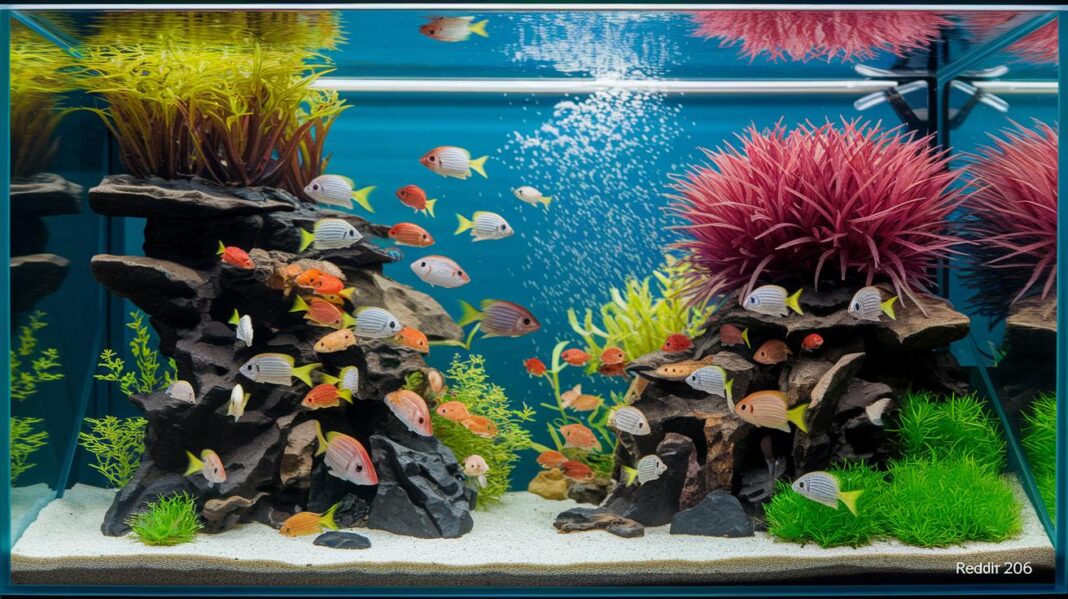

Ever wonder why your tank sometimes looks cloudy? Just like a garden needs a little tender loving care, your aquarium needs daily habits to keep the water bright and your fish smiling.
When you take care of your tank, you're doing things like checking water quality (that’s making sure the water stays clean), matching the right number of fish to your plants, and following a steady cleaning routine.
These small steps set the stage for a calm, balanced underwater world where your fish can thrive.
Keep reading to see how a few simple changes can make a big splash in creating a healthy aquarium vibe.
Overview of Essential Aquarium Maintenance Strategies
Taking care of your aquarium is like nurturing a little underwater paradise. When you focus on clean water, proper feeding, and healthy plants, you set the stage for a thriving tank. It all begins with the nitrogen cycle, which is simply nature’s way of turning fish waste and decaying bits into harmless compounds with the help of friendly bacteria.
Regular water changes of about 10–20% help keep harmful substances at bay. A good filtration system not only clears the water but also gives a home to those beneficial bacteria. Pairing the right number of fish with some live plants creates a balanced setting where everything can work together smoothly. Keeping a steady feeding routine and managing the lighting time add to that calm, balanced vibe. And with a routine check-up, daily tank care becomes an easy and natural part of your day.
- Establish and maintain the nitrogen cycle
- Perform weekly partial water changes
- Use and maintain effective filtration
- Balance stocking density with live plants
- Follow consistent feeding routines
- Control lighting duration
- Schedule routine maintenance tasks
Proper Water Quality Management for Aquarium Ecosystems
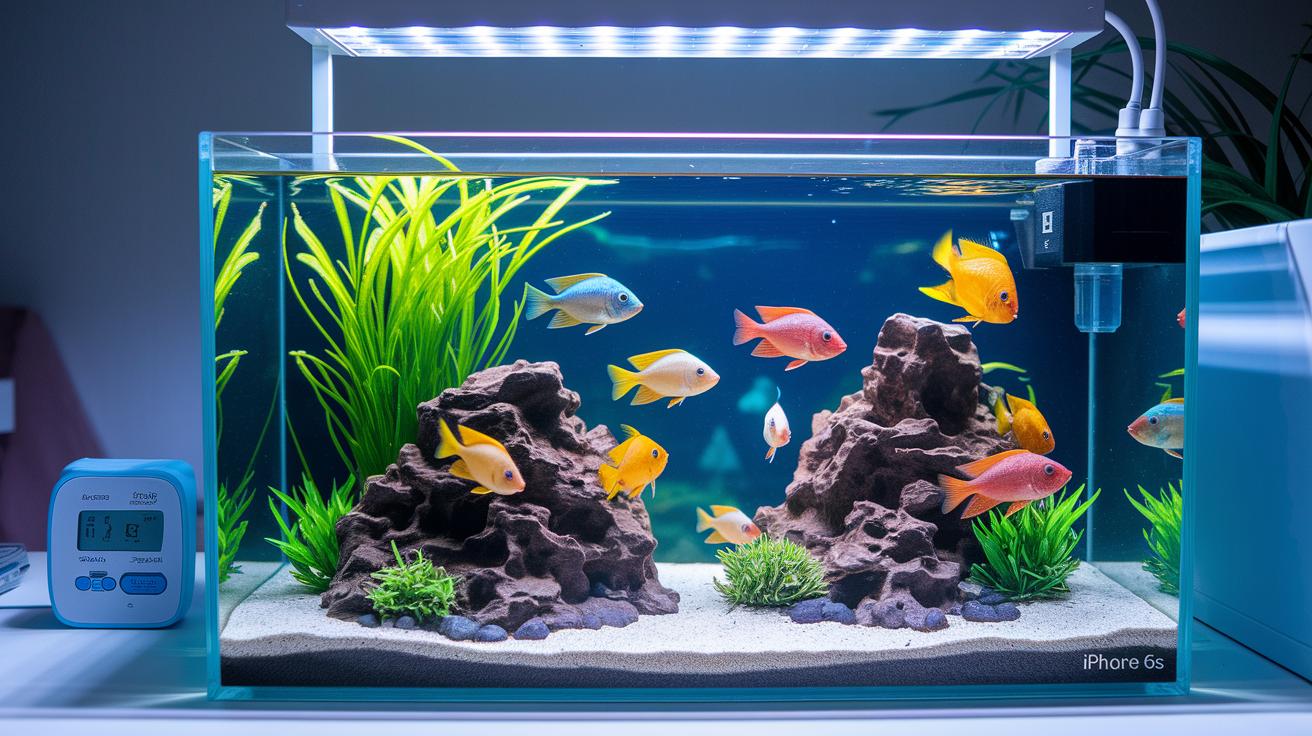
Keeping your tank healthy means checking the water regularly. When your fish release waste or when decaying bits build up, toxic ammonia can appear quickly. Think of helpful bacteria as nature’s little cleaning crew, they work to change ammonia into nitrite and then into nitrate, keeping the water balanced. Using a test kit is like taking the pulse of your underwater world; it lets you see if the pH, ammonia, nitrite, and nitrate levels are just right.
| Parameter | Ideal Range | Test Frequency |
|---|---|---|
| pH | 6.8–7.6 | Weekly |
| Ammonia | 0 ppm | Weekly |
| Nitrite | 0 ppm | Weekly |
| Nitrate | <20 ppm | Weekly |
Changing about 10–20% of your tank water every week is another simple tip to keep your ecosystem thriving. This gentle water change helps wash away extra compounds and supports the friendly bacteria that keep your tank’s cycle humming along. In truth, routine testing and timely water changes work hand in hand to recreate the natural balance found in big, beautiful bodies of water, ensuring your finned friends stay safe and happy.
Effective Filtration and Flow Control Techniques for Aquariums
Filters are like the heartbeat of your aquarium, keeping the water clear and your fish happy. There are a few types to choose from. For example, hang-on-back filters are super popular because they're easy to clean and help both physically trap debris and grow healthy bacteria. Canister filters, on the other hand, pack extra power and volume, making them perfect for larger tanks. And for smaller setups, like those for fry or shrimp, sponge filters work like a charm.
Each filter gives a cozy home for good bacteria. These bacteria act like tiny natural helpers that change harmful ammonia into safer compounds. A quick rinse or media swap every month, as the guide suggests, keeps everything running smoothly.
Flow is just as important as the filter. A steady, gentle current mimics natural water movement, ensuring nutrients and oxygen reach every part of the tank. Place the filter outlet so water flows across your plants and decorations, creating a soft, natural current that stirs the water evenly. Keeping up with regular checks and media changes will ensure your flow stays consistent.
This balanced approach, good filtration paired with thoughtful water movement, helps create an inviting, well-oxygenated underwater world for your aquatic friends. Ever notice how a little ripple can bring the whole tank to life? That's the magic we're after.
Aquatic Flora Care Strategies and Lighting Schedules

Plants are your tank's natural cleaners. They soak up ammonia and nitrates while brightening your aquarium with their lively green leaves. Fast-growing stem and floating plants work quickly to grab the nutrients they need, much like a dedicated gardener tending to every bloom. Picking healthy, vibrant plants is like choosing a star cast for your underwater show, they help create a balanced, thriving home.
A cozy base is key, so use 1.5 to 2 inches of substrate mixed with root tabs to give your plants a comfy spot to grow. For plants that float or don’t root, add a bit of liquid fertilizer and a pinch of micronutrients to cover any gaps in their diet. This simple setup makes sure your greenery gets all the nourishment it needs.
Keep your LED lights on for 6 to 8 hours a day to help your plants grow strong without sparking unwanted algae. Arrange the lights to spread a gentle, natural glow over the entire tank, reaching every corner. This bright setup not only boosts the plants’ health but also keeps the water fresh, proving that a well-lit tank is a secret ingredient for freshwater success.
Substrate Cleaning Techniques and Algae Control Methods
Keeping your aquarium healthy is a bit like caring for an underwater garden. Each week, take some time to gently clean your tank and its substrate. This regular routine helps sweep away debris and keeps unwanted algae from settling in. Think of it as a mini spring cleaning where every swish of your vacuum and every wipe of the glass gives your fish a fresher space to swim.
Start by vacuuming the substrate each week. Give the tank surfaces a light scrub when needed, just like tidying up a cozy room. Adding fast-growing plants can help compete with algae, and introducing some algae-eating fish can also be a natural solution. You might also want to keep the lighting to about 6-8 hours a day so that algae doesn’t have too much time to grow.
After cleaning and vacuuming, carefully remove around 10-20% of the tank water. This step is like giving your aquarium a gentle rinse to wash away any left-over waste. When you add new water, do it slowly to avoid disturbing any settled debris or your new plants. If you use any water treatments or nutrients, adjust them while refilling to keep the balance just right.
Taking these small steps helps keep your aquarium clear and calm, making sure your underwater world stays a happy, healthy home for your aquatic friends.
Proper Feeding Guidelines and Fish Health Observation
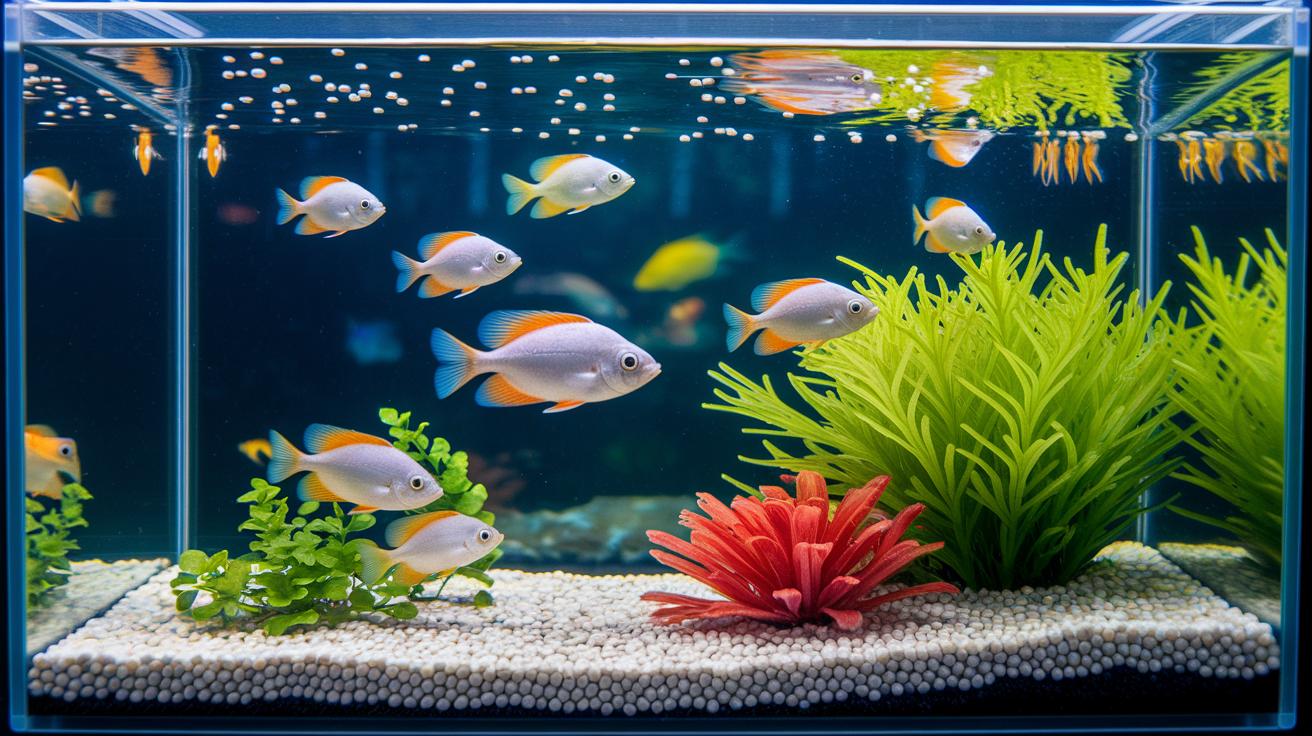
When feeding your fish, keep the portions small and serve them two to three times a day. This keeps their diet balanced without overfeeding. For example, sprinkle a little bit of flakes or pellets and let them nibble until they finish. If any food remains, remove it quickly so that the water stays clean and your fish stay stress-free.
If you’re welcoming new fish into your home tank, set up a separate quarantine tank for about two weeks. This gives you time to watch the new arrivals and make sure they’re healthy without putting your current fish at risk. One fellow aquarist even mentioned how this simple step kept her main tank safe and trouble-free.
Keep an eye out for any small changes in your fish’s behavior, appetite, or color. If you notice a usually active fish starting to hide or eat less, it might be a sign that something isn’t right. Regular checks like these help you catch any problems early and keep your underwater friends thriving.
Maintenance Scheduling Advice and Troubleshooting Common Aquarium Issues
Keep your eyes peeled for little hints that might point to a hidden problem. Even if you’re keeping up with your usual maintenance routine, notice if a fish acts a bit off, if there's a strange smell, or if fins look less bright than usual. For instance, seeing a fish with dull fins compared to its normal sparkle might mean there's an issue that deserves a closer look.
When something unexpected pops up, try these simple steps:
- Cloudy water might mean your filter is having a tough time or bacteria are growing. Check to see if the water’s flow is right and give the filter a rinse if you spot weak circulation.
- A sudden bloom of algae, even when your lights are set correctly, could be a hint to look at how much you’re feeding and how well waste is being cleared. Ease up on feeding a bit and watch for improvements.
- High nitrate levels could be due to too much food or waste hiding in hard-to-clean spots. Use a gentle vacuum on those tricky areas of your tank to clear out any buildup.
If you ever catch a weird smell or notice sediment piling up even with regular cleaning, try testing specific spots and consider doing a targeted clean. This approach helps you find any hidden trouble spots without changing your whole routine.
Final Words
In the action, we explored key steps for keeping your tank lively and well-balanced. We touched on everything from setting up daily routines to managing water quality and ensuring proper filtration and plant care.
Each section helped build the recipe for a clean, visually appealing, and healthy tank. Following these tips for maintaining a healthy aquarium ecosystem can make fish care a rewarding and calming experience. Enjoy putting your new ideas into practice!
FAQ
What are the basics of aquarium care for beginners?
The aquarium care for beginners includes setting up balanced water quality, proper filtration, and a regular maintenance routine that creates a safe and healthy home for fish and plants.
How does one maintain a fish tank at home?
The process of maintaining a fish tank at home involves weekly water testing, scheduled partial water changes, cleaning, and careful feeding to keep both the water and fish in excellent condition.
How can you build a self-sustaining fish tank ecosystem?
Building a self-sustaining fish tank ecosystem means combining live plants, well-chosen fish numbers, and an effective filtration system that supports beneficial bacteria to naturally process waste and maintain water quality.
What do you need for a healthy aquarium and to keep fish healthy?
A healthy aquarium needs proper water testing, effective filtration, live plants, consistent feeding, and routine cleaning—all of which work together to create a balanced, thriving environment for fish.
What are five tips to keep a fish tank clean?
Five tips to keep a fish tank clean include weekly gravel vacuuming, scrubbing tank surfaces, using fast-growing plants to compete with debris, scheduling partial water changes, and keeping filter systems in good working order.
How can you keep a fish tank clean without frequently changing water?
Keeping a fish tank clean without frequent water changes involves regular substrate cleaning, maintaining effective mechanical filtration, promptly removing debris, and using live plants to help naturally filter the water.
What does an aquarium ecosystem project or diagram illustrate?
An aquarium ecosystem project or diagram illustrates how live plants, beneficial bacteria, and fish work together, highlighting the natural balance that keeps the water clear and the aquatic environment healthy.