

Have you ever noticed how clear water can breathe new life into your home? Clean water not only keeps your appliances humming like a peaceful stream but also helps reduce mineral buildup, keeps your glasses sparkling, and even lowers your bills.
Think of improving your water quality as giving your house a gentle, refreshing tide. It all starts with a strong treatment system and regular pipe checks, like ensuring your aquarium has the perfect balance for its inhabitants. With a few smart steps, you can enjoy water so pure it makes daily living as smooth as a calm, clear pond.
How to Improve Water Quality: Pure Results Ahead
Your home's water quality is like the clear current in a peaceful stream, it keeps everything running smoothly. A strong water treatment system works like a gentle filter, cutting down on hard water that leaves behind annoying scale on your appliances, clogs up your showerheads, scratches your linens, and even clouds your glassware. Think of it this way: just like a well-tuned engine runs better with clean oil, your home benefits a lot when its water comes easy and pure.
Beyond a treatment system, it’s important to check your home’s pipes and fixtures regularly. Older pipes, like those made from galvanized steel or iron, can start to corrode and leak. These leaks waste water and can even invite fungus to grow. Upgrading to energy- and water-efficient appliances, such as modern dishwashers and laundry machines, can really help cut both water usage and energy bills. Plus, keeping your gutters and downspouts in good shape makes sure unwanted water stays out of your home.
- Install a whole-house water treatment system
- Check and repair water leaks
- Upgrade to energy- and water-efficient appliances
- Replace old galvanized or iron pipes
- Maintain your yard drainage, gutters, and downspouts
Taking these steps is like giving your home a fresh new current. Cleaner tap water and fewer maintenance problems mean you protect your appliances while also saving money on energy and water bills. Isn’t it nice to know your home is set up to handle whatever flows its way?
Agricultural and Irrigation Techniques to Improve Water Quality
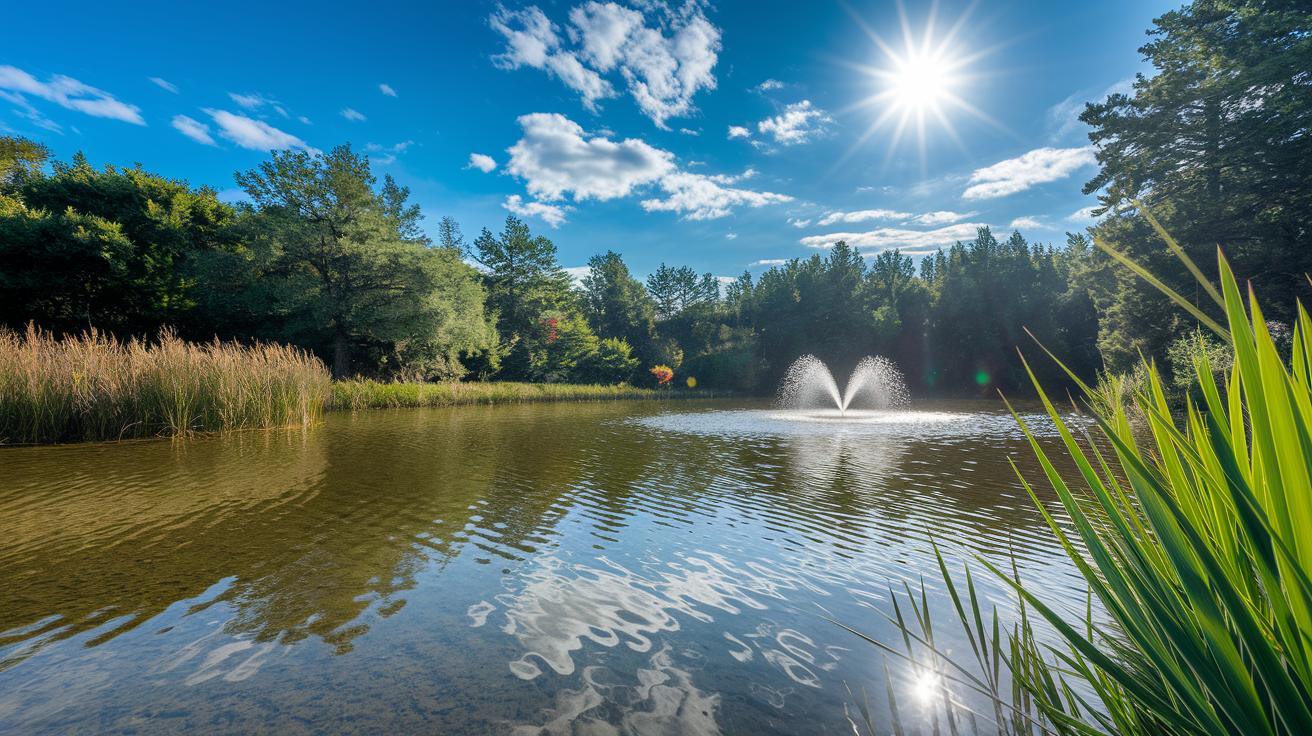
Irrigation water can sometimes carry unwanted guests that disturb the balance on farms and in rural areas. Chemicals like pesticides and fertilizers, when they mix with runoff, can overload the soil with extra nutrients. This is a bit like when too many pebbles scatter in a clear puddle, upsetting its natural calm and harming plant growth.
Factories can also be a worry when they release untreated waste. This harmful mix may seep into groundwater and well water just like murky water clouds a pristine pond, putting both human health and farm productivity at risk.
Fortunately, smart techniques can help clear things up. Deep-well filtration pulls water from layers below the surface to remove impurities, much like filtering out the grit from a beach. UV treatment then zaps harmful micro-organisms with a burst of clean energy, and drip irrigation sends water straight to where it's needed most, right at the plant's roots. On top of that, rainwater harvesting captures fresh water from nature's shower, giving farmers an extra, safe resource to keep their systems running smoothly.
Natural Purification Techniques to Improve Water Quality
Natural purification techniques work with nature to clean water without the use of harsh chemicals. Tools such as floating fountains and both surface and submersed aerators add extra oxygen to the water, which helps stop algae and weeds from taking hold. Simple strips of native plants along the shore, called vegetative buffers, naturally filter out pollutants from stormwater runoff, while also keeping the shoreline steady.
Balancing phosphorus and nitrogen is key to keeping algae from growing too much. Eco-friendly products help lock in or remove these nutrients depending on the waterbody's size and depth. When these elements are balanced, the water remains clear and supports the natural balance of life.
Constructed wetlands and microbial mats mimic nature's own cleaning systems to remove contaminants from the water. Paired with devices that clear out extra vegetation and muck, these methods offer a safe, natural way to keep water clean. This eco-friendly approach stops pollution from building up, letting nature do most of the work.
| Technique | Mechanism | Ideal Setting |
|---|---|---|
| Aeration Systems | Add oxygen to the water to limit algae growth | Small ponds and aquariums |
| Vegetative Buffers | Filter stormwater pollutants and stabilize shorelines | Lakes, ponds, and river edges |
| Nutrient Binding Products | Balance phosphorus and nitrogen to prevent algae | Water bodies with nutrient buildup |
| Biofiltration Wetlands | Mimic nature’s filters to remove contaminants | Larger water systems needing eco-friendly treatment |
Monitoring and Testing to Improve Water Quality

Keeping an eye on water quality is like checking your favorite pond to make sure it stays clear and safe. When you notice water that looks cloudy or a bit off-color, it’s a hint that something might be wrong, but those signs are only the first step in the process.
Regular testing helps us catch even those hidden issues that we can’t see with the naked eye. Simple field test kits let you measure important parts of water, like pH (how acidic or basic it is), dissolved oxygen (the amount of air mixed in), turbidity (how clear the water is), hardness, and total dissolved solids (tiny bits of minerals). These kits work by letting you dip a little probe into your water, whether it’s from your tap or a nearby stream.
Using good sampling methods makes sure that what you test truly represents the water’s condition. This way, you connect quick, in-the-field checks with more detailed lab tests if needed, which means it’s easy and reliable.
After you get your results, the next step is to compare them with safe, established standards. This data helps you decide if any changes are needed to keep the water in good shape. In truth, regular monitoring and testing give you the chance to take action early, protecting both your home and the natural surroundings, much like making sure every fish in your aquarium has the best care.
Strategies to Improve Water Quality in Lakes, Ponds, and Rivers
Caring for lakes, ponds, and rivers means blending a few different methods that work together like a team. We use mechanical, biological, and chemical techniques to keep costs down and the environment healthy. Think of it like a well-tuned water orchestra, where aerators and circulators boost oxygen levels and mix the water, keeping it flowing and clear.
Stabilizing shorelines and controlling nutrients are also key to healthy water. When you use living shorelines with special fabrics and native grasses, it's like building nature's own fence that keeps sediments from washing away. At the same time, managing nutrients like phosphorus and nitrogen helps prevent those pesky algal blooms from taking over, making sure the water stays balanced and inviting.
Some machines can clear up to two acres of extra plants and sludge each day. This not only makes the water look clearer but also boosts the overall health of the ecosystem. Professional services, like those from TryMarine Restore, offer eco-friendly solutions that improve both the beauty and long-term stability of these precious water bodies.
Aquarium Water Quality: Fish Tank Conditioning and Maintenance
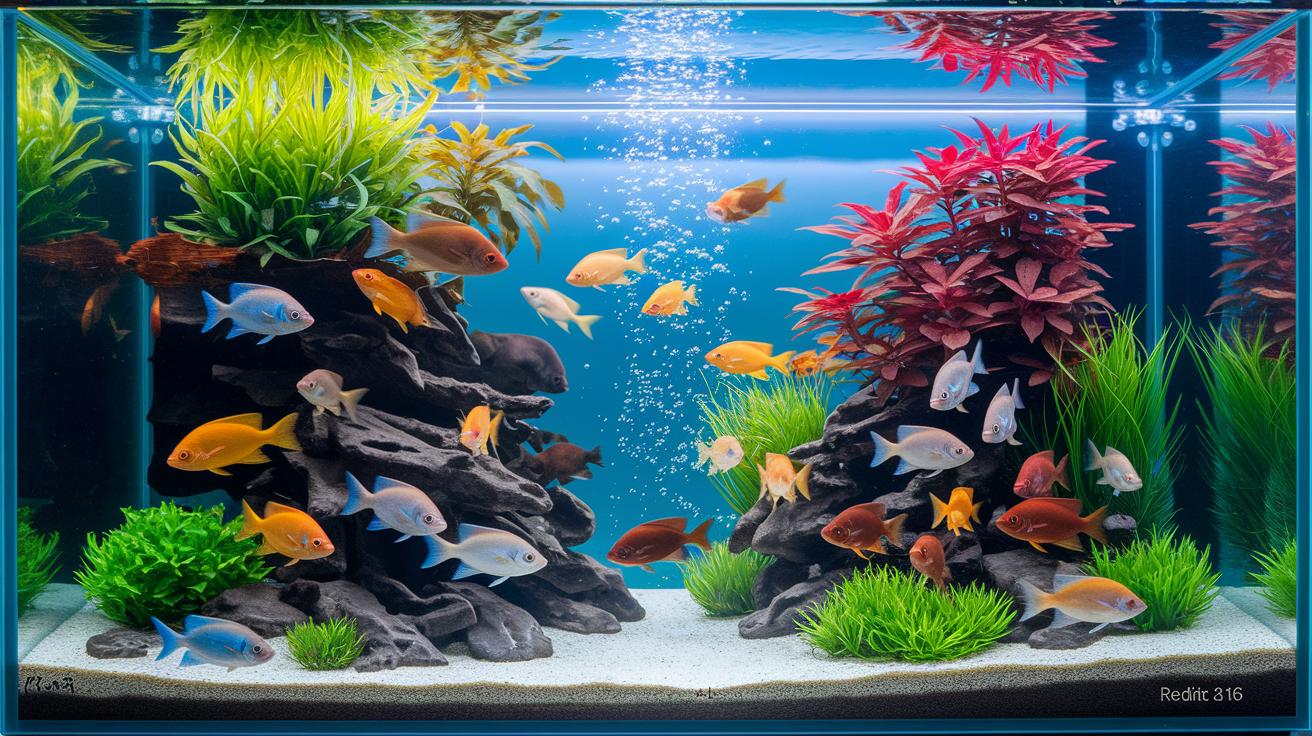
When you fill your aquarium with tap water, it might carry some unwanted guests like chlorine, chloramines, heavy metals, and tiny living things. These uninvited compounds can stress your fish and throw off the peaceful flow of your tank. A reverse osmosis filter acts like a gentle, effective sweep, removing dissolved solids, while dechlorinators and natural conditioners help tame those harmful substances without upsetting the good bacteria that live underwater.
pH Balancing and Mineral Replenishment
Keeping your tank's pH between 6.8 and 7.5 is like setting the perfect temperature for a fun swim. Buffer products work hard to hold this balance steady so that your fish and plants can flourish. Mixing in some reverse osmosis water can help trim away extra minerals. Think of it like adding just the right pinch of salt when cooking, keeping everything in your aquarium perfectly balanced.
Partial Water Changes and Dechlorination
Doing a little water change each week, about 10–25%, is a great way to keep your tank fresh. This regular refresh helps lower nitrate levels and brings back essential minerals. And by using a dechlorinator during each change, any leftover chlorine or chloramines get quickly neutralized. This steady routine keeps your tank water clean and safe, much like a gentle tide refreshing the shore.
Filter and Media Maintenance
Taking time to clean your mechanical and biological filter media is key to keeping your tank’s friendly bacteria happy. These little helpers break down waste and keep the water clear. It’s best to clean before grime builds up, and to swap out any worn-out media. This care ensures steady water flow and quality, much like nurturing a small pond to remain a peaceful oasis.
Final Words
In the action of uncovering practical methods, we saw how home-based fixes, natural treatments, and smart monitoring all work together to protect your water from impurities.
Breaking down essential tasks, from simple leak checks to setting up efficient treatment systems, helps show how to improve water quality step by step.
By blending everyday ideas with expert tips, keeping your aquatic space pristine becomes a manageable and rewarding task. Your aquatic pets will enjoy a safer, healthier habitat every day.
FAQ
How can humans improve water quality in the environment and their communities?
The question of improving water quality in the environment means adopting methods that reduce pollutants, manage runoff, and protect natural areas. Simple actions like reducing waste and supporting safe water practices can make a big difference.
How can I improve water quality at home and my well water?
The question of boosting water quality at home means using treatment systems, fixing leaks, and upgrading fixtures. For well water, regular testing and proper filtration are key to keeping your water safe.
What are five ways to improve water quality?
The question of finding five ways to improve water quality is answered by installing whole-house treatment systems, repairing leaks, upgrading to efficient appliances, replacing aging pipes, and maintaining proper yard drainage.
How can I improve water quality in natural water bodies like rivers, lakes, and ponds?
The question regarding water quality in rivers, lakes, and ponds means using natural methods such as aeration, vegetative buffers, balanced nutrient control, and regular removal of debris to keep water clear and healthy.
How can I improve water quality in my fish tank?
The question about aquarium water quality highlights that maintaining a healthy tank means doing weekly partial water changes, balancing pH between 6.8 and 7.5, using dechlorinators, and cleaning filter media regularly.
What are the four main factors affecting water quality?
The question about the main factors affecting water quality reveals they include pH balance, dissolved oxygen, nutrient levels, and the presence of contaminants—all of which influence water clarity, safety, and taste.