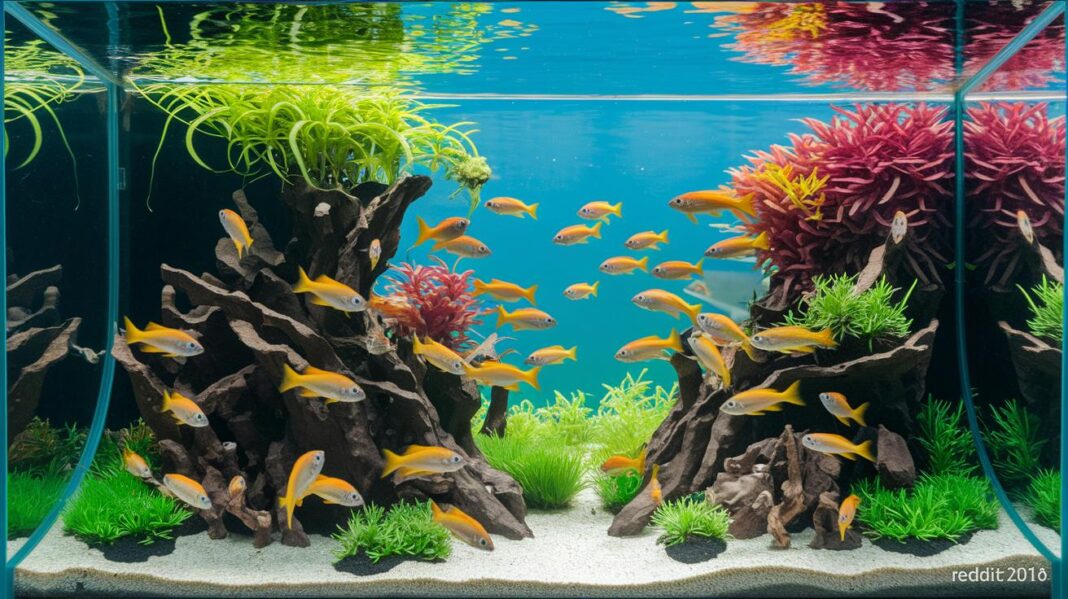

Have you ever thought that your tank might keep itself clean without using heavy filters or chemicals? Imagine a tiny underwater garden where live plants and friendly bacteria work together like a little cleaning crew. In this natural setup, plants soak up waste while bacteria break down harmful substances, leaving clear water and a safe home for your fish. It’s nature's own way of maintaining a balanced, thriving ecosystem.
Natural Filtration in Aquarium Ecosystems: A Comprehensive Overview
Imagine your aquarium as a living, self-cleaning garden. Live plants, helpful bacteria, and the right substrate work together so your tank can take care of itself. The plants drink in waste like nitrates, phosphates, and carbon dioxide, all byproducts of fish waste and decay. This natural method gives you a clear, beautiful tank without needing lots of extra filters or chemicals.
The magic happens when plants and bacteria join forces. Fast-growing plants, like Amazon swords or carpeting species, quickly absorb extra nutrients and harmful chemicals. Meanwhile, bacteria quietly transform toxic ammonia into nitrites and then into safer nitrates, keeping the water friendly for your fish. It’s like having a team where each member has a special job that keeps the whole system healthy.
Together, these natural helpers create a balanced underwater world. The steady dance between plants, bacteria, and substrate holds a gentle chemical balance that supports life, cuts down on sudden water changes, and lowers the need for artificial filters. It’s a simple, organic way to ensure your aquatic pets thrive – just like nature planned it.
Biological Filtration in Aquarium Ecosystems with Beneficial Bacteria
Nitrification Process
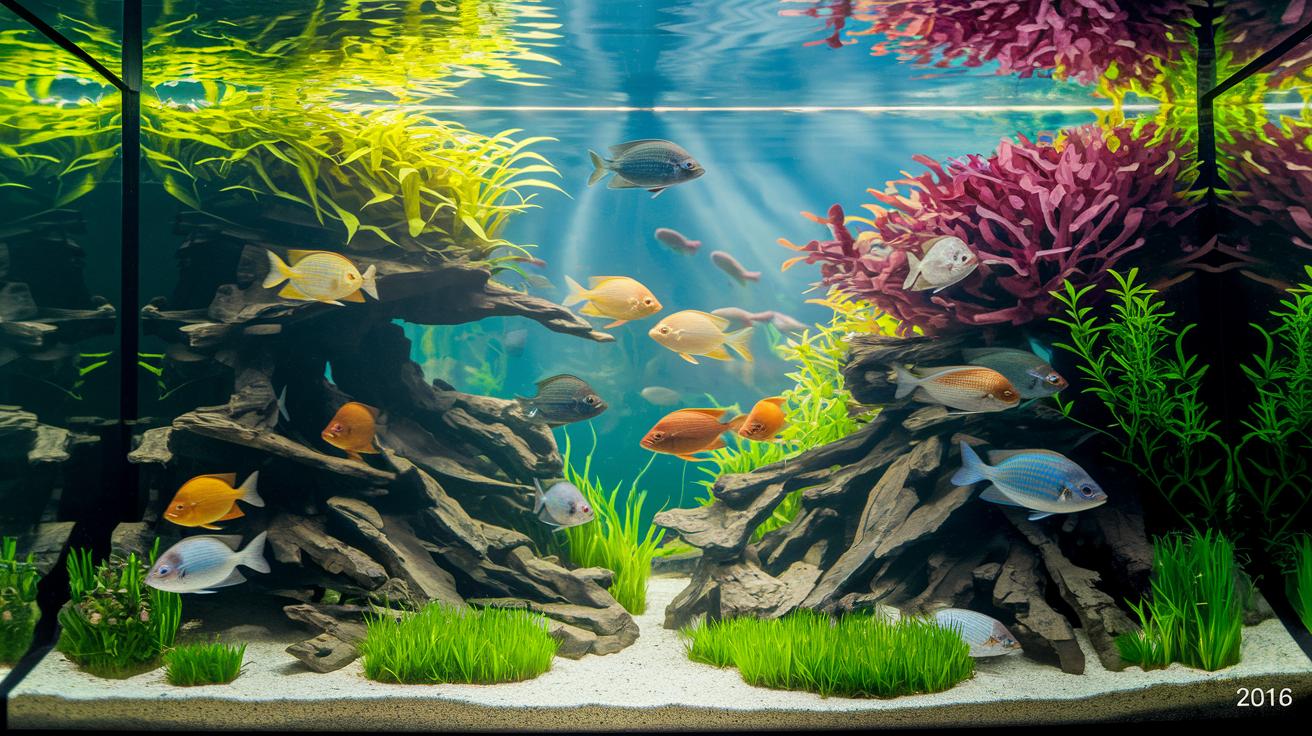
In your aquarium, friendly bacteria work like a tiny cleaning crew to keep the water safe. First, the Nitrosomonas bacteria grab the ammonia from fish waste and change it into nitrite. They do their best work in areas rich in oxygen and when the water pH hangs out between 7.0 and 8.0. Fun fact: Before she became a famous scientist, Marie Curie once carried test tubes with radioactive materials in her pockets, not knowing the risks that lay ahead.
After that, the Nitrobacter bacteria take over and turn this nitrite into nitrate. You’ll find these bacteria doing their magic on surfaces such as gravel, filter media, or even near plant roots where there’s plenty of oxygen. In these oxygen-filled spaces, they work smoothly to transform harmful waste into much milder compounds that are safer for your aquatic pals.
Denitrification in Deep Sand Beds
Deep sand beds, those with more than 2 inches of fine sand, create quiet, low-oxygen corners that some special bacteria love. In these calm spots, these bacteria slowly change nitrates into simple nitrogen gas. This process, known as denitrification, takes its time, sometimes years, to build a strong colony. Think of it as nature’s behind-the-scenes cleanup team. It works gradually, much like nurturing a seed that eventually grows into a thriving garden in your tank.
| Stage | Bacteria Type | Input | Output |
|---|---|---|---|
| Nitrification | Nitrosomonas & Nitrobacter | NH₃ → NO₂⁻ → NO₃⁻ | NO₃⁻ |
| Denitrification | Anaerobic consortia | NO₃⁻ | N₂ gas |
Aquarium Ecosystem Natural Filtration Systems: Thriving Life
Have you ever noticed how live plants can work wonders in your aquarium? They quietly clean the water by soaking up ammonia and nitrates so you don't have to change it all the time. Fast-growing stem and floating plants double as natural cleaners while also adding a splash of beauty to your tank.
Think of it like an underwater garden. By giving your tank 6–8 hours of LED light each day and keeping the substrate around 1.5–2 inches deep, you help those roots grow strong. This setup not only gives your plants the room they need to flourish but also boosts oxygen levels and keeps algae at bay. It's like nature's very own water filter!
Here’s a quick rundown of some great plants for your tank:
- Amazon swords: They build up nicely, soak up lots of nutrients, and do best with moderate light.
- Dwarf Hairgrass: This one spreads fast, cleans out extra nutrients, and is happy with low to moderate light.
- Cryptocoryne variants: These steady growers manage nutrient uptake well, even when light is softer.
- Floating water sprite: Known for its rapid growth and high ammonia absorption, it loves bright light.
- Hornwort: This fast-growing plant adapts easily and absorbs plenty of nutrients in various light settings.
To keep your aquatic garden in top shape, check your water parameters regularly and ensure the LED lighting stays on schedule. A nutrient-rich substrate paired with a little occasional aquarium fertilizer can give your plants that extra boost they need. With the right mix of light, nutrients, and care, you'll create a lush, self-sustaining ecosystem that delights both fish and plant lovers alike.
Substrate Biofiltration Techniques for Natural Aquarium Systems
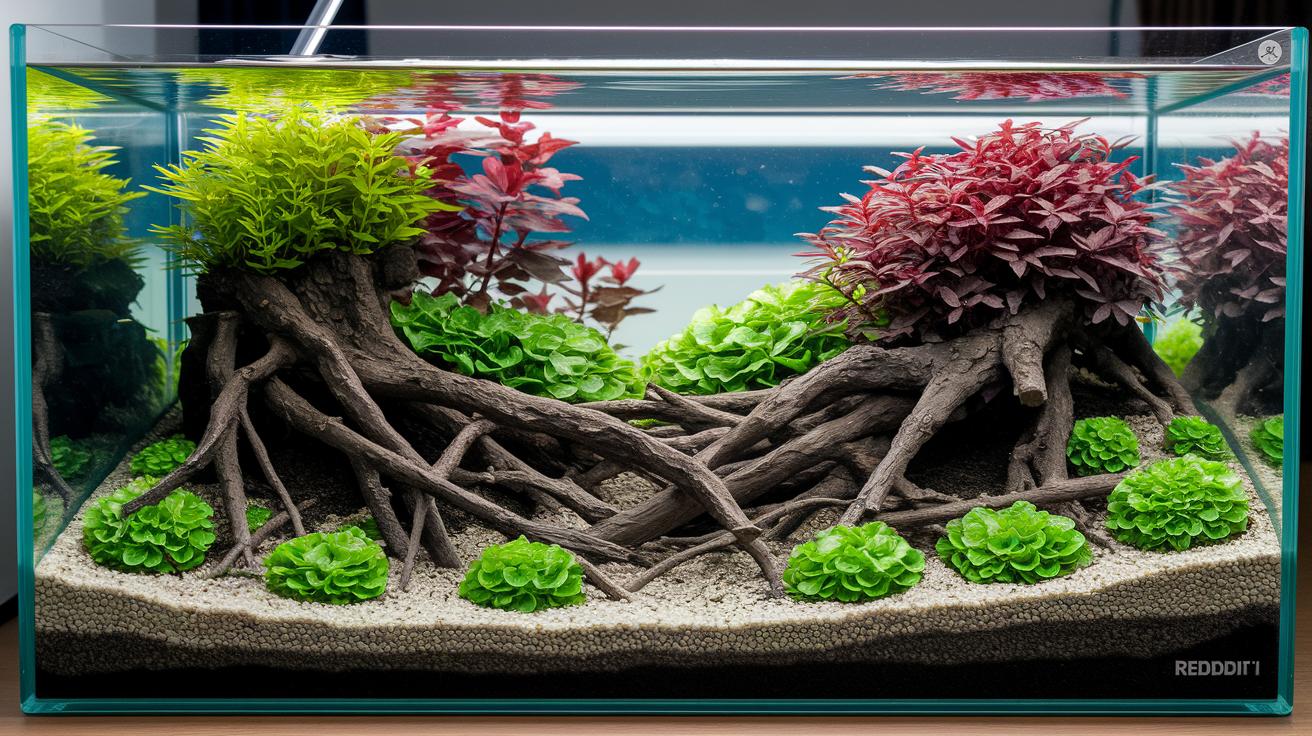
Using nutrient-rich soils in your tank is like giving your plants a hearty meal. When you layer UNS Controsoil about 1.5 to 2 inches deep, it encourages strong root growth and invites helpful microbes to settle in. These tiny helpers break down fish waste and keep your water naturally clean. On the other hand, plain gravel doesn’t feed your plants but lets oxygen flow freely around the roots, which helps different bacteria quickly turn waste into safer compounds.
Deep sand beds made of fine sand create quiet pockets with less oxygen. In these calm zones, special bacteria, called anaerobic bacteria, slowly change nitrates into harmless nitrogen gas. This process can take years as the bacteria grow, but their slow, steady work ultimately makes for a healthier aquarium. Ever notice how a calm, patient process can often lead to the best results?
A smart way to set up your substrate is by layering both types for a balanced approach. Start with a base of nutrient-rich soil to nourish plant roots, then add a top layer of coarse gravel or fine sand to boost oxygen flow. This method creates two zones, one that supports oxygen-hungry bacteria and another that allows low-oxygen bacteria to work their magic. This layered design helps maintain a diverse microbial community that keeps your aquarium water stable and clear.
Design Tips for Natural Filtration Systems in Aquariums
Start with a little patience. Let your tank settle and cycle for about 4 to 6 weeks so that helpful bacteria can grow naturally before you add any fish. During this early period, keep the number of inhabitants low. This way, your emerging bacteria and plants can slowly work through waste and avoid harmful ammonia spikes. It’s like giving your aquarium time to breathe and get ready for life.
Then, pay attention to both lighting and water flow. Place plants that love strong light near your LED fixtures so they can soak up energy and extra nutrients. At the same time, gently adjust your tank’s water flow so oxygen and nutrients move evenly without disturbing your plants. This balanced setup helps your greenery flourish and supports the natural cleaning process in your tank.
Finally, plan your aquatic friends carefully. Initially, bring in shrimp or other species that are easy on the tank to help keep the environment stable. As your bacteria and plants settle in nicely, you can slowly add more fish to brighten up your aquarium. Always keep an eye on your water quality. Regular checks will help you notice gradual changes, ensuring your little underwater world stays happy and healthy.
Comparing Natural Filtration to Mechanical and Chemical Methods in Aquariums
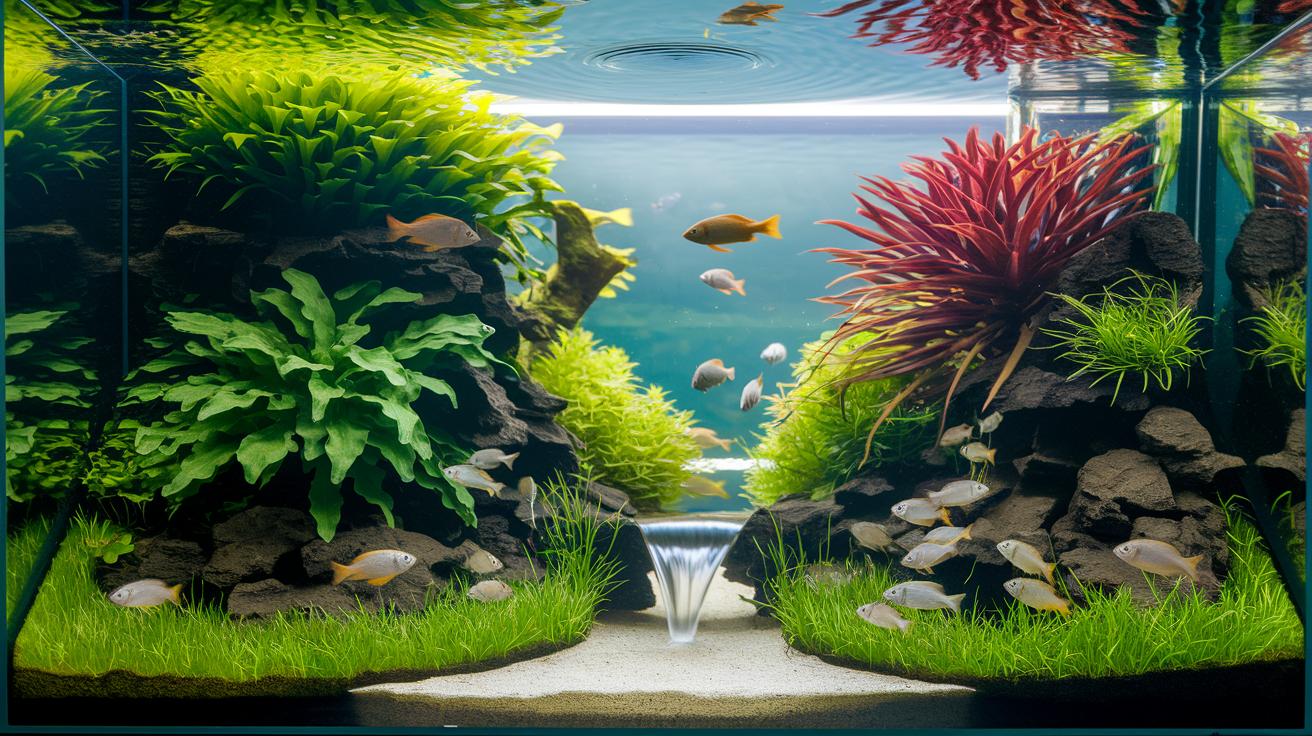
Mechanical filters and chemical media help clear out visible debris and dissolved organics quickly, kind of like scooping leaves off a pond. But there's a big difference when you compare them to natural water cleaning. Mechanical filters catch particles really well, yet they miss the chance to let friendly bacteria work on breaking down fish waste. And while chemical options such as resins and activated carbon pick up tiny dissolved substances, they can also take away good minerals that fish and plants actually love.
Natural filtering, on the other hand, lets plants and bacteria do what they do best. Imagine watching a gentle stream where plants quietly soak up harmful chemicals and bacteria transform ammonia into nitrites and then into nitrates. It's like nature putting on a little performance in your tank, keeping it balanced without constant fuss.
When it comes to upkeep and costs, natural methods really shine. They need less energy and fewer media swaps, which means you spend less time and money on maintenance. Mechanical and chemical setups often require regular cleaning and new filter media, which can add up over time. Plus, a living ecosystem in your tank creates a steadier home for your fish, mirroring the way nature keeps water clean. In truth, this natural approach not only eases your daily routine but also brings that satisfying, eco-friendly vibe to your aquarium.
Maintenance Best Practices for Self-Sustaining Aquarium Ecosystems
Keeping your aquarium in balance starts with regular water tests. Each week, check the ammonia, nitrite, and nitrate levels, aim for zero ammonia and nitrite, and keep the nitrates below 20 ppm, to catch any changes before they affect your fish and plants. It feels a bit like keeping an eye on the gentle ripple of water on smooth stones, ensuring everything stays just right.
Along with testing, doing a 10–20% water change every month can work wonders. This simple step not only washes away extra nutrients but also refreshes the minerals in the water. Think of it as giving your tank a soft, calming shower that keeps the good bacteria undisturbed. For example, a small water change might simply involve siphoning gently, much like a quiet stream preserving its natural flow.
Taking care of your plants is just as important as testing your water. Trim off any leaves or stems that are beginning to decay each month to avoid a buildup of toxins. When cleaning your tank, gently vacuum the substrate to remove debris while keeping the colonies of helpful bacteria safe. Keeping an eye on algae growth and watching for any signs of stress in your fish can alert you to small issues before they become big problems. This caring routine helps create a peaceful ecosystem where plants, fish, and bacteria all thrive together.
Final Words
In the action of building a thriving tank, the post highlighted how plants, bacteria, and substrate work together as a team. We explored plant-based, biological, and substrate filters that each add a special touch while keeping water clean.
Design tips and upkeep practices show that creating and caring for an aquarium ecosystem natural filtration systems can be both visually pleasing and efficient. Every idea aims at giving your aquatic world a comfortable, stable place to flourish and bring joy.
FAQ
How do DIY aquarium ecosystem natural filtration systems work?
The DIY aquarium ecosystem natural filtration systems work by combining aquatic plants, beneficial bacteria, and substrate to naturally break down waste. They keep the water clear while reducing reliance on traditional filters.
What defines the best aquarium ecosystem natural filtration systems?
The best aquarium ecosystem natural filtration systems use plant-based methods alongside thriving bacteria to purify water naturally. They enhance tank beauty and are available from trusted aquarium suppliers.
What characterizes a self-sustaining fish tank ecosystem?
The self-sustaining fish tank ecosystem creates balanced water conditions through natural processes using plants, bacteria, and substrate. This design minimizes extra filter use and helps maintain a stable, low-maintenance habitat.
What is an ecosystem aquarium kit and how is an ecosystem fish tank setup assembled?
The ecosystem aquarium kit contains all the essential elements to build a balanced natural filtration system, while an ecosystem fish tank setup integrates plants, substrate, and beneficial bacteria to create a self-regulating environment.
How do an aquarium ecosystem project and diagram help in planning a tank?
The aquarium ecosystem project involves designing self-regulating tanks, often depicted in a diagram that highlights plant zones, substrate layers, and bacteria. Such visuals assist in planning a healthy aquatic habitat.
What is the best type of filtration system for an aquarium?
The best type of filtration system for an aquarium combines mechanical, biological, and natural methods for debris removal and waste breakdown, ensuring continuous water cleanup and stable water quality.
What plants are ideal for self-sustaining aquariums?
The plants that work well in self-sustaining aquariums include Amazon swords, dwarf hairgrass, and Cryptocoryne variants. They effectively absorb waste and regulate nutrients through natural growth.
What are the three types of filter systems for fish?
The three types of filter systems for fish are mechanical filters, which remove debris; biological filters, which house beneficial bacteria; and natural filters, using aquatic plants and substrate for waste breakdown.
What makes the best filtration system for planted aquariums?
The best filtration system for planted aquariums integrates live plants, beneficial bacteria, and appropriate substrate. This combination promotes natural water purification while supporting healthy plant growth and tank aesthetics.