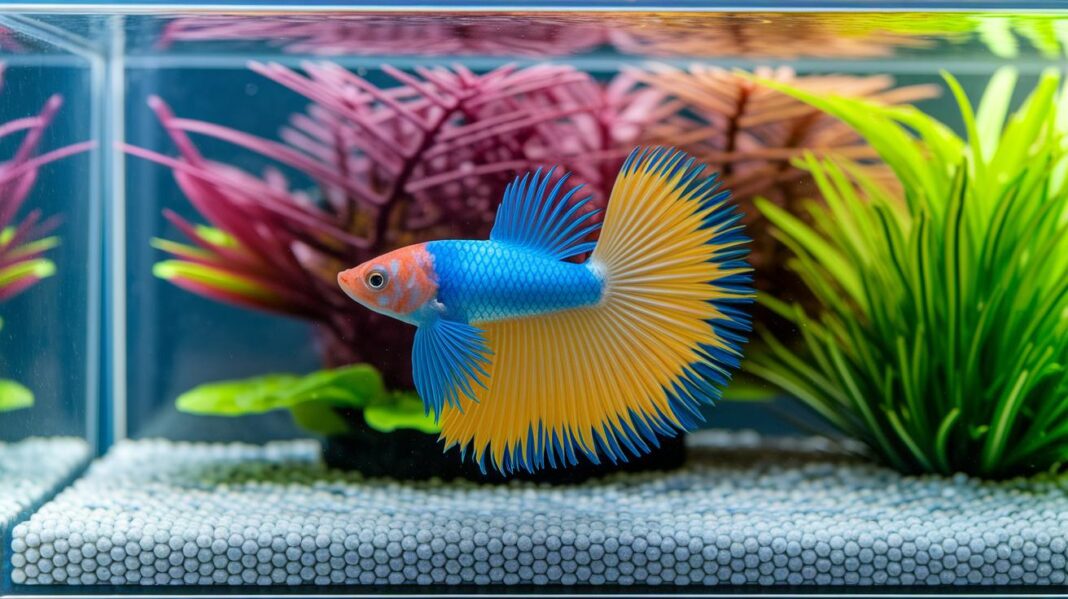

Have you ever paused to wonder how long your lively betta might brighten your tank? In the wild, these little fish usually flicker out after about two years, but with some caring at home, you can see them swimming happily for 3 to 5 years. And if you set up a tank that feels as welcoming as a sunny pond, your betta might even glide through life for up to 10 years!
I find it pretty amazing how a few thoughtful tweaks can add so much sparkle to their days. In this article, we'll share some neat facts and easy tips, like simple ripples on a calm lake, that can help your fish thrive. So stick around and discover how caring for your betta is a bit like nurturing your own little underwater paradise.
Betta Fish Lifespan Overview
Wild bettas usually only live for about 2 years. In nature, these little swimmers face rough conditions. They have to dodge predators and survive wild changes in their environment, which naturally shortens their lives.
In our homes, bettas tend to live a bit longer, typically between 2 and 5 years, with many reaching around 3 years. A bit of extra care like regular water changes and a balanced diet can help, even though these fish still need gentle handling to stay healthy.
Under perfect conditions, with clean water, the right food, and a steady heater keeping the temperature between 78 and 80°F, some bettas can thrive for as long as 9 or 10 years. It all comes down to good genetics, daily care, and giving them enough room to swim freely.
| Environment | Average Lifespan | Maximum Recorded |
|---|---|---|
| Wild | 2 Years | 2 Years |
| Standard Captivity | 3 Years | 5 Years |
| Ideal Captivity | 6+ Years | 10 Years |
Factors Impacting Betta Fish Longevity
Water Quality & Parameter Control
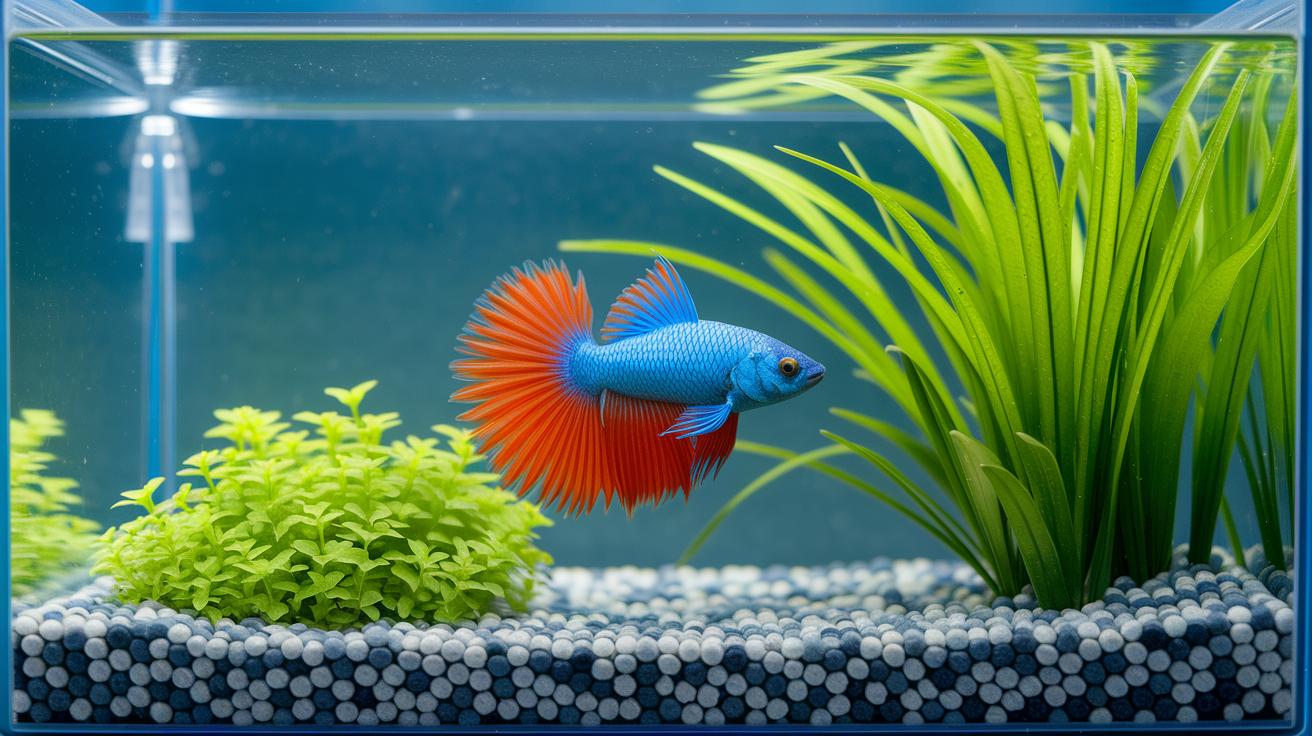
Keeping your betta’s water clean is essential for a long, happy life. Changing about 50% of the water in a 5-gallon tank on a regular basis helps clear out waste and prevent harmful toxins. Ammonia and nitrite should read 0 ppm while nitrate stays under 20 ppm. It’s like ensuring your fish’s home has a gentle, flowing stream that keeps everything balanced and stress-free.
Temperature & Filtration
A stable, warm environment makes all the difference. Using a heater to keep the water between 78 and 80°F creates a cozy spot for your betta. Pair that with a gentle filter that cleans the water without creating strong currents. This setup not only minimizes stress but also lets your fish glide around comfortably, much like a lazy day in a quiet pond.
Tank Size & Oxygenation
A roomy tank is a blessing for your betta. With at least 5 gallons, your fish gets ample space to swim and breathe easily. More space means natural movement and less stress, while live plants can help boost oxygen levels, making the tank feel even more like a natural underwater playground. It’s all about creating a balanced, lively home where your fish can thrive.
Diet & Nutrition
A balanced diet is like the perfect recipe for a happy betta. Feeding high-quality flakes or pellets in measured amounts keeps your fish energetic and healthy, avoiding issues like fatty liver. Regular, careful feeding supports a strong metabolism and a thriving immune system, just what your little aquatic friend needs to enjoy every splash in its clean, well-kept habitat.
Betta Fish Life Cycle and Aging Indicators
Our journey begins with eggs, the smallest spark of life for your betta. They hatch in just 24 to 36 hours, much like the first gentle ripple on a quiet pond. These tender eggs need a safe, calm space, similar to the cozy care you’d give a newborn.
By day 5 to 7, the fry emerge and start to swim around. They’re like tiny explorers in their own little aquatic world, darting here and there with curious, playful motions.
Next comes the juvenile stage, which lasts about 2 to 3 months. During this time, the bettas begin to show off bright colors and new features. It’s like watching a small painting come to life, laying the groundwork for their unique personality.
Between 6 to 12 months, your betta enters the young adult phase. Their fins grow full and beautiful, and you can see them becoming livelier every day. This stage hints at the mature, graceful fish they are soon going to be.
Mature adult bettas, usually over 12 months old, have reached their peak size and brilliant appearance. They continue to thrive in their well-loved home, even though subtle changes might slowly appear.
As bettas get older, you might notice small signs of aging. Their colors may fade a bit, they might swim slower, or their fins could show a little wear. Watching for these gentle changes helps you adjust care routines, ensuring your betta stays happy and healthy.
Best Practices to Prolong Betta Fish Lifespan
Maintaining Clean Water
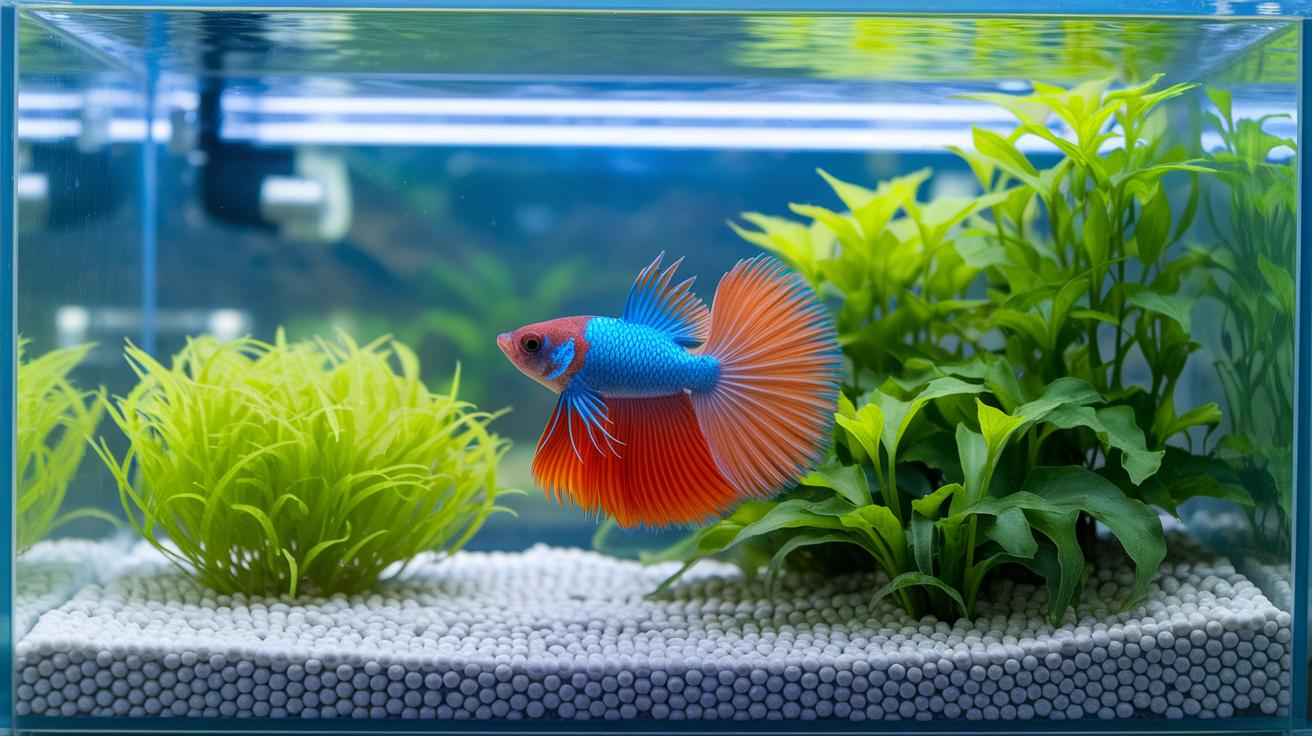
Every week, change about half of your tank water using water that’s free of chlorine. I like to test the water for ammonia and nitrate levels, kind of like checking the pulse of your tank, to catch any sneaky changes that might stress your betta. You might even add a digital monitor for temperature and pH for extra peace of mind. Fun fact: regular water testing once revealed a hidden toxin spike even before my betta showed any signs of trouble.
Providing Balanced Nutrition
Giving your betta a mix of high-quality pellets or flakes once or twice a day works wonders. You can toss in a freeze-dried or live treat now and then to boost nutrition, but be careful not to overfeed. Overfeeding can lead to a fatty liver and a weak immune system. Sometimes, a little sprinkle of dietary supplements can really brighten up your betta’s color and energy. Believe it or not, I’ve seen a big difference in my betta’s vibrancy when I added live treats into his diet.
Optimizing Tank Setup
Make sure your betta has plenty of room by using at least a 5-gallon tank, and keep the water temperature in the cozy range of 78-80°F using a trusty heater. A soft sponge or hang-on filter is perfect for keeping the water clear without creating strong currents that might stress your fish. Adding elements like adjustable LED lighting or fun background decor can mimic nature and help you spot any subtle shifts in your betta’s behavior. I once noticed a change in activity patterns thanks to a clever tank setup, which really reminded me how every detail matters.
Stress Reduction & Social Considerations
Creating a peaceful home for your betta is key. Fill the tank with live plants and snug hiding spots to make your fish feel safe. For male bettas, using dividers can help avoid fights and reduce stress. Some passionate aquarists even design different zones that mimic the natural world, easing chronic stress and boosting mental well-being. I was amazed when I saw my betta’s mood lift after I set up distinct areas in the tank.
Monitoring Health & Preventive Care
Spend a few moments each day observing your betta, and jot down any changes in its behavior or appearance in a simple health log. If you’re adding new fish or plants, keep them separated for about two weeks to avoid spreading any issues. Some clever aquarists use digital monitors to catch potential problems early, giving them the time to act. I remember how a daily health log helped me spot a minor infection before it became a serious problem, keeping my betta happy and healthy for much longer.
Common Misconceptions About Betta Fish Lifespan
Many people wrongly think that bettas do well in tiny bowls. In truth, a small bowl can make your fish stressed and let dirty water build up, which cuts their life short. It’s like trying to run in a narrow hallway, there’s just not enough space to move freely. Imagine squeezing into shoes that are too tight; it just isn’t comfortable or healthy.
Some folks believe you have to feed your betta every single day and that a group of male bettas can live happily together. Actually, giving your fish a little break from eating every now and then can help with their digestion, though skipping meals for too long isn’t safe. Also, keeping several male bettas together usually sparks fights over territory. Think of it like a family gathering where disagreements make everyone tense.
Others assume that wild bettas live longer than those kept in aquariums. The reality is, wild bettas typically survive only about two years because of the tough conditions out there. With a well-kept tank and proper care, your betta can enjoy a longer and healthier life.
Final Words
In the action, this article jumped into betta fish lifespan basics, comparing wild and tank care and discussing the roles of water quality, tank size, and diet. It walked through spotting aging signs and setting up a healthy aquatic environment.
Good care routines and a balanced habitat can make a real difference in how long do betta fish live. Enjoy creating a cozy home for your aquatic friend and celebrate every little success!
FAQ
Frequently Asked Questions
How much do betta fish cost?
The betta fish cost varies a lot. They generally range from about $5 to $20, with higher prices for unique colors and longer fins.
How long do betta fish live in a tank and as pets?
Betta fish typically live 2–5 years in a tank under standard care. With ideal conditions, some can live up to 9–10 years in a pet setting.
How long do betta fish live in the wild?
Betta fish live roughly 2 years in the wild due to harsher water conditions and limited food sources compared to captive environments.
How does tank size influence betta fish lifespan?
Smaller tanks, like a 1-gallon container, can shorten a betta’s life because of poor water quality. Larger tanks, such as 5 gallons, offer better space and cleaner water, supporting a healthier life.
How long do betta fish live without food and do females live longer?
Betta fish can survive a short period without food, but regular starvation harms them. In many cases, female bettas tend to live a few months longer than males when cared for properly.
Is it hard to keep betta fish alive?
Keeping betta fish is manageable with proper care. Clean water, balanced feeding, and a well-sized tank make bettas rewarding pets that flourish when given routine maintenance.
Is it better to have one or two betta fish?
Betta fish are naturally territorial. It’s best to keep just one per tank to avoid stress and potential fighting, ensuring the fish remain healthy and happy.
How old are bettas at Petco and what about other similar fish?
Bettas at Petco are typically young adults, around 6–12 months old. They differ from other species like goldfish, guppies, neon tetras, and zebrafish, which have different care needs and lifespans.