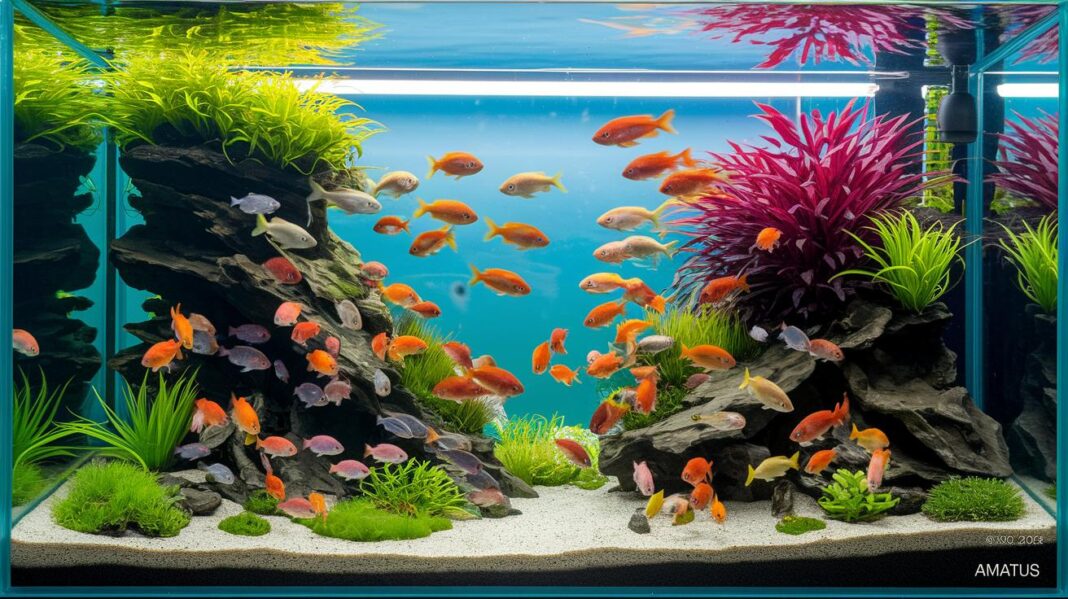

Ever think that your tank’s water might hold the secret to keeping your fish vibrant and happy? It’s like the vibe of their little underwater home that sets the whole scene.
Keeping your water clean is a bit like watching a gentle stream flow, testing it regularly and taking care of it helps you catch little problems before they grow. I’ve seen how a well-kept tank can make all the difference, helping your fish stay stress-free and content.
In this chat, we’ll share some easy tips and simple tests to keep your water sparkling and your filter humming just right. Soon, your aquarium will feel like a bright, thriving underwater haven where life flows as smoothly as water over pebbles.
How to Monitor and Improve Aquarium Water Quality
Testing your aquarium water is like feeling the heartbeat of your little underwater world. It lets you know if everything is swimming along nicely or if there’s a ripple of trouble. Regular tests can catch problems early so your fish don’t get stressed or sick.
Running a water test also shows you if your biological filter is doing its job. This filter converts dangerous ammonia into nitrite and then into nitrate. Although nitrate is less harmful, it still needs a little attention and removal now and then.
Keeping your tank clean matters, too. Changing about 25% of your water every two weeks, while using a gravel cleaner, helps keep your tank clear and fresh. Treating tap water with a dechlorinator stops harmful chemicals from bothering your fish. Adding a friendly bacteria supplement each week can give your filter an extra boost in keeping waste levels low and water sparkling.
| Parameter | Ideal Range | Purpose |
|---|---|---|
| pH | 6.5 – 8.0 | Balances acidity and alkalinity |
| Ammonia | 0 ppm | Prevents toxic buildup |
| Nitrite | 0 ppm | Ensures efficient biological filtration |
| Nitrate | Below 20 mg/L | Indicates waste buildup requiring removal |
| KH | 4 – 8 dKH (70-140 ppm) | Buffers pH stability |
| GH | 4 – 8 dGH (70-140 ppm) | Regulates calcium and magnesium levels |
| Temperature | 74 – 82°F | Keeps optimal metabolic conditions |
Checking your water and cleaning your filter go hand in hand. It’s a bit like tending to a garden in an underwater paradise. Look over your filter sponges with some tank water, and use reliable test strips to spot any small changes early on. This gentle, steady care keeps your tank lively and your fish happy with every swim.
Critical Factors in Aquarium Water Quality

pH
pH tells you whether your tank water is more acidic or more alkaline. Most freshwater fish feel at home when the pH is between 6.5 and 8.0. If the pH falls too low or climbs too high, your fish might get stressed and struggle to breathe normally. Often, you can quickly check the pH using liquid kits or test strips. Sometimes, natural waste in the tank can drop the pH, or adding untreated water can raise it, which might make sensitive species like some South American fish or shrimp uneasy.
Carbonate Hardness (KH)
KH acts like a friendly buffer that keeps your tank’s pH steady by neutralizing acids. For most freshwater aquariums, a KH level between 4 and 8 dKH (or 70 to 140 ppm) helps maintain calm, stable water conditions. If the KH is too low, the pH can bounce around too much, stressing your fish, and if it’s too high, adjusting the pH becomes tricky. Simple actions like slow water changes with reverse osmosis water or adding natural minerals work well to balance KH without causing shock.
General Hardness (GH)
GH measures the amount of calcium and magnesium in your water, which not only supports fish health but also influences the look of your aquarium. Most tanks do best with a GH between 4 and 8 dGH (or 70 to 140 ppm), though some species that breed in softer water may prefer levels from 0 to 3 dGH. By using GH supplements found in store-bought products or natural mineral sources, you can keep your water chemistry steady and create a bright, comfy home for all your aquatic friends.
Identifying Common Aquarium Water Quality Issues
Keeping your fish is like taking care of a tiny underwater world, and noticing water problems early is key. When you see small changes in your tank, it might mean the balance is a bit off, maybe because you’re feeding too much or having too many fish for your filter. Spotting these clues quickly helps you act before issues like new tank syndrome or an unbalanced cycle let harmful chemicals like ammonia, nitrite, or nitrate build up.
Here are some signs to keep an eye on:
- Cloudy or milky water
- Fish gasping at the surface
- Rapid algae growth
- A foul tank odor
- Erratic or sluggish fish behavior
If any of these signs show up, it’s time to dig a little deeper with some testing. Start by checking ammonia levels if you suspect your tank is struggling with too many fish or new tank syndrome. Then test for nitrites and nitrates to find out if your tank’s cycling is off or if your filter is struggling. Also, if you see a burst of algae, a phosphate test might help clear things up. Finally, checking the pH, KH, and GH levels gives you a clear map of what needs to be adjusted to keep your aquatic friends swimming happily.
Best Maintenance Practices for Aquarium Water Quality

Start off by caring for your filter. Instead of using tap water, gently rinse your filter sponges with water from your tank to keep the helpful bacteria active. Swap out a small section of the sponge at a time so your biofilter can keep changing harmful ammonia into safer compounds. After cleaning a dirty spot with tank water, you can feel good knowing you're keeping those essential bacteria humming.
Next, treat your tank to a 25% water change every two weeks. Use a gravel vacuum to clear out any debris from the substrate, which helps lower nitrate levels and keeps your water gleaming clear. Think of it as giving your aquarium a refreshing breath that supports all its little residents.
Then, remember to treat your tap water with a dechlorinator before adding it in. This step neutralizes chlorine and chloramines that might upset your fish. A weekly dose of a bacteria supplement can also strengthen your biofilter and keep ammonia levels balanced.
Lastly, feed your fish just what they can finish in about two minutes, and remove any leftovers right away. This simple rule helps prevent extra protein from causing ammonia spikes, keeping the water as pristine as a clear mountain stream.
Advanced Tools for Aquarium Water Quality Monitoring
Modern test kits make checking your tank's water feel almost as soothing as watching gentle ripples on a quiet pond. Today, you can choose between multi-test strips and digital meters, both of which make keeping an eye on your water quality simple. Those handy 6-in-1 strips quickly show you pH, KH, GH, nitrate, nitrite, and chlorine levels. Digital testers, on the other hand, tell you real-time readings for pH, temperature, and conductivity, so you notice changes right away. This means you know exactly when it's time for a water change or a filter clean, keeping your fish safe and comfortable.
Then there are automated systems that take it one step further by constantly tracking your tank's conditions. These clever sensors send alerts straight to your phone when values stray from the ideal range. With instant notifications, you can fix little issues before they stress out your fish. It’s a hands-off, worry-free way to maintain a healthy aquatic home without testing the water yourself every day.
Remember, keeping your equipment in tip-top shape is key. Your probes need a quick weekly calibration and cleaning to stay accurate. By linking digital meters and remote sensors with aquarium testing apps, you can easily spot trends over time. It’s like watching a calm current guide you, making water adjustments easier and more precise.
Safely Balancing Aquarium Water Quality Chemistry

Small, careful tweaks work best for your tank's water chemistry. Instead of making big, sudden water changes that might startle your fish, try replacing about 10% of the water every other day. This gentle routine helps keep the pH stable and lets your little aquatic friends feel safe.
pH Adjustment Techniques
When you need to adjust the pH, a gentle touch goes a long way. To raise the pH, a small dose of baking soda or a commercial buffer works well by slowly lifting the water’s pH. Lowering the pH is simpler with RO/DI water, which has a lower pH so your fish won’t feel stressed. Some hobbyists even add a pinch of peat in a filter bag to bring down the pH gradually. Think of it like slowly turning a dial, each small change helps maintain a smooth and safe balance.
Hardness and Alkalinity Corrections
Your tank’s general hardness and carbonate hardness also need a little care. For example, adding limestone is a natural way to boost both levels by providing calcium and carbonates. Alternatively, using reverse osmosis water for part of your water change can gradually lower these values. Remineralizers are also available when you need to gently add back essential minerals without disturbing the overall balance. By blending these natural and chemical methods thoughtfully, you create a steady, safe home that both your fish and plants will appreciate.
Environmental Influences on Aquarium Water Quality
Temperature and light play a big role in keeping your tank water healthy. In tropical tanks, it helps to check your heater every day because even a tiny change can stress out your fish. Tanks that get too much direct sunlight can heat up quickly, which speeds up algae growth and changes the water chemistry. It’s best to choose a spot for your aquarium where natural light filters in gently throughout the day. This way, you give your fish a calm, steady environment, kind of like a cool, shaded pond on a sunny afternoon.
Marine aquariums and outdoor ponds need some extra love when the seasons change. For sea tanks, make sure to check the salt levels daily because evaporation can push the salt content up, and adding a bit of fresh water helps keep things balanced. If you have an outdoor pond or aquarium, slow adjustments are key, especially for delicate species like koi that don’t like sudden shifts. You might need to change how often you swap the water or tweak your heater settings as the room temperature changes. It’s all about creating a stable, safe home for your aquatic buddies.
Final Words
In the action, we covered simple ways to monitor and improve aquarium water quality. We looked at testing water parameters, doing regular water changes, and checking filters to help keep your tank fresh.
We also explored balancing vital levels like pH and hardness, all while using modern tools to stay on top of your tank's needs. Keeping your aquarium water quality in top shape ensures an inviting and comfortable space where your fish can thrive and bring a steady sense of calm.
FAQ
What is an aquarium water quality chart?
The aquarium water quality chart outlines ideal ranges for parameters like pH, ammonia, nitrite, and nitrate to help you keep your tank clear and your fish happy.
How can a freshwater aquarium water parameters chart assist me?
A freshwater aquarium water parameters chart acts as a quick guide to check if your water falls within safe ranges, making it easier to spot imbalances that could stress your fish.
What does a Freshwater Aquarium Water Parameters Chart PDF include?
The PDF compiles key water ranges and testing guidelines into an easy-to-print tool, serving as a handy reference while maintaining your tank’s water quality.
What are the signs of poor water quality in an aquarium?
Poor water quality shows as cloudy or milky water, fish gasping at the surface, rapid algae growth, a foul odor, and unusual fish behavior, indicating that testing is needed.
How should I prepare water for a fish tank?
Preparing water means treating tap water with a dechlorinator, matching its temperature to the tank, and adding it gradually to protect your fish from stress.
How does an aquarium water parameters calculator work?
An aquarium water parameters calculator turns your test readings into clear data, helping you maintain the proper levels for pH, hardness, and other crucial factors for tropical fish.
What is the best water quality for a fish tank?
The best water quality features balanced pH, low ammonia and nitrite, acceptable nitrate levels, stable temperature, and proper hardness to create a safe home for your fish.
How can I improve my fish tank water quality?
To improve water quality, carry out routine testing, perform partial water changes, keep filters in check, and always treat tap water before use to create a healthy environment for your fish.