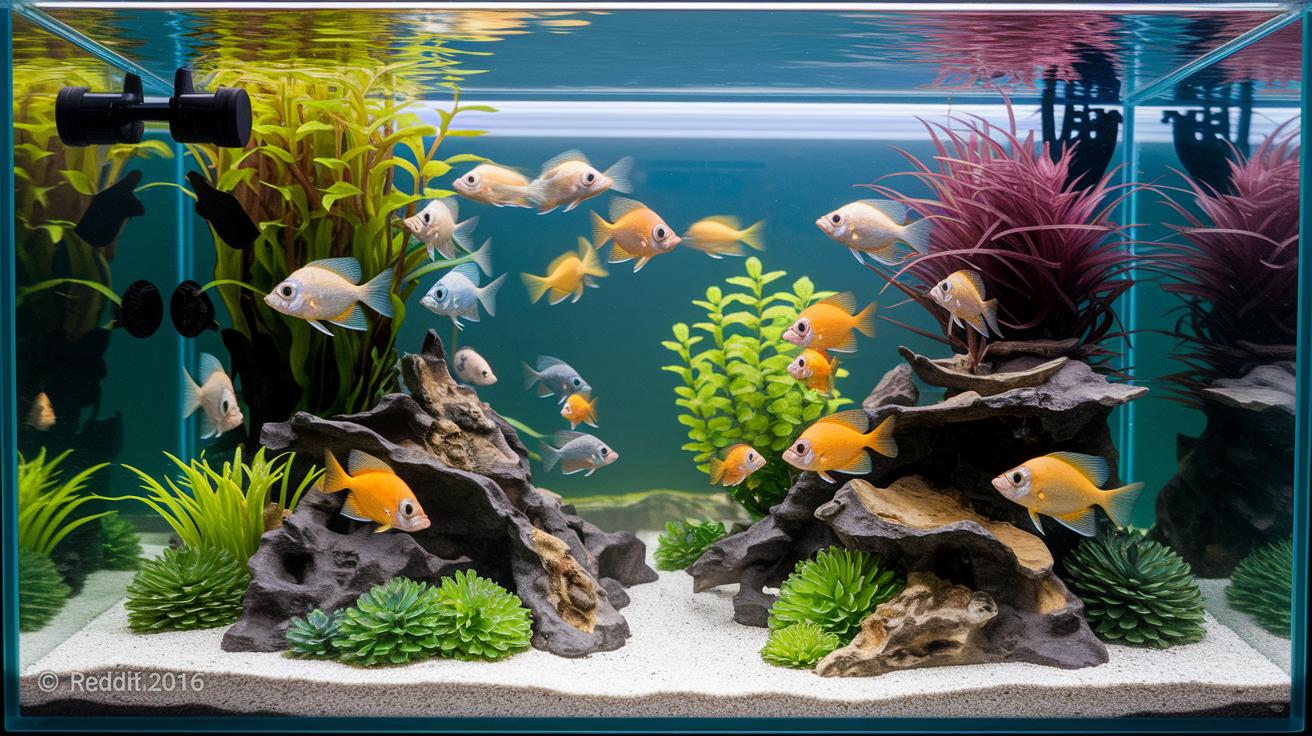

Ever thought your 20-gallon tank might be a bit too crowded for your fishy pals? It’s easy to assume one inch per gallon is enough space, but our finned friends need more room to glide around than that rule suggests. In this chat, we dive into how tank size, waste buildup, and fish behavior all come into play when keeping a healthy tank. Starting small with just a few fish lets your aquatic world adjust naturally, kind of like easing into a gentle current. Read on and discover how to plan your setup so your fish have a happy, roomy home, just the way nature intended.
Calculating Fish Capacity in a 20-Gallon Tank
When you’re thinking about adding fish to your tank, a common rule is to save 1 inch of fish for every gallon. So, for a 20-gallon tank, you might think you can have 20 inches of fish. If your fish usually grow about 2 to 3 inches, that means you could have around 7 fish. But remember, this rule is just a starting point.
Each type of fish needs its own space, so many things come into play. For example, some fish create more waste or have a feisty nature. These fish might need extra room or even a tank all to themselves. A smart move is to begin with just 25% of your tank’s total capacity. Try starting with 2 fish, let the system settle for 6 weeks, and then check the water for things like ammonia, nitrite, and nitrate levels. See it like this: “Start with 2 fish, wait 6 weeks, and if the ammonia is nearly zero, then you can add more to reach your goal.”
This way, you help the tank’s living world adjust slowly to the new fish. At the end of the day, your tank’s true capacity depends on how big your fish really get, their behavior, and their waste. Always plan based on the special needs of your fish friends.
Factors Affecting Fish Stocking Levels in a 20-Gallon Aquarium
When it comes to choosing how many fish to keep in your 20-gallon tank, lots of things can make a difference. First off, you need to think about the bioload, which is just a fancy way of saying how much waste each fish makes. Bigger or messier fish create more waste, meaning your filter has to work extra hard, and you might need to cut down on numbers.
Next, don’t forget that the adult size of your fish really counts. Fish that grow big need more room to swim around comfortably and avoid feeling cramped. And then there's personality, some fish like to stick together in schools, while others are more territorial and need a bit more space to avoid any fishy feuds.
Other factors include things like water hardness and pH stability, which affect how well waste is broken down in your tank. A steady, calm environment means the filter can keep the water clear and the fish relaxed, much like a gentle stream. Balancing these details is key to creating a peaceful, thriving underwater world.
Here are the main aspects to consider when figuring out stocking levels for your aquarium:
- Fish adult size compared to the tank space
- Amount of waste produced and the filter’s ability to handle it
- Temperament and how much room each fish needs
- Oxygen levels supported by water circulation
- Consistency in water chemistry
Each of these points plays a part in keeping your tank healthy, so every fish gets a safe and comfy place to call home.
Choosing Compatible Fish Species for a 20-Gallon Tank
When you set up your tank, the secret is to mix fish that enjoy each other's company. Think about each fish’s grown-up size, behavior, and how much waste they make. Simple choices mean everyone can swim happily without feeling crowded.
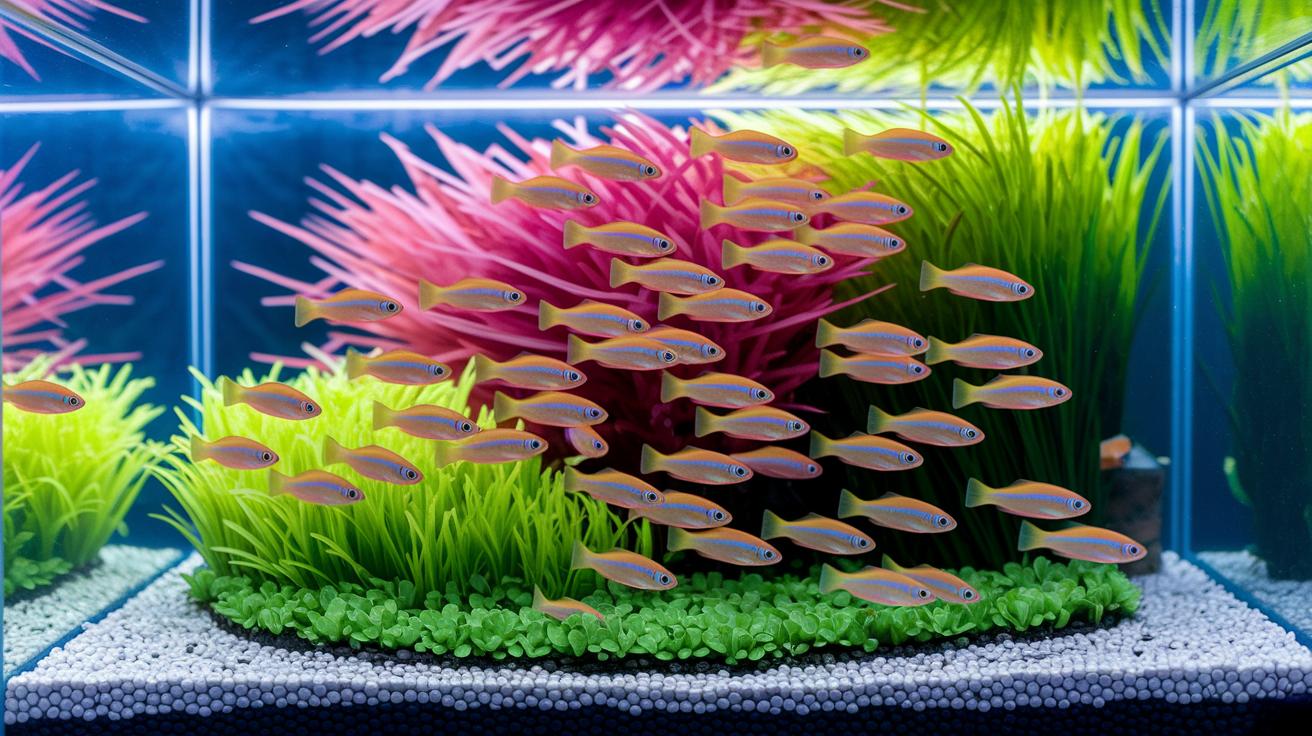
Neon tetras are a perfect example. These little community minnows do best in groups of 6 to 8, and they need plenty of open swimming space, about 12 inches of clear water is a good rule of thumb. Picture a lively school of neon tetras darting around like tiny sparks, adding a bright splash of color to your tank.
Livebearers like guppies and platys are fun additions too. They bring bursts of color and life to your tank, but if they start breeding, you might end up with more fish than planned. When you see a small group of guppies buzzing around happily, be ready for their offspring to join the party.
To keep things peaceful, it’s best to skip larger types like angelfish or goldfish. These fish can quickly outgrow a 20-gallon tank and might feel cramped. Also, firmer species such as tiger barbs are best kept by themselves because their bold behavior can stress out quieter fish.
A key tip is to plan carefully by thinking about feeding times and swimming patterns so everyone gets a fair share. Make a list of your favorites and consider how they might interact. Testing your water over time will ensure that all your new friends enjoy a safe and comfy underwater home.
Stocking Recommendations for Popular 20-Gallon Aquarium Fish
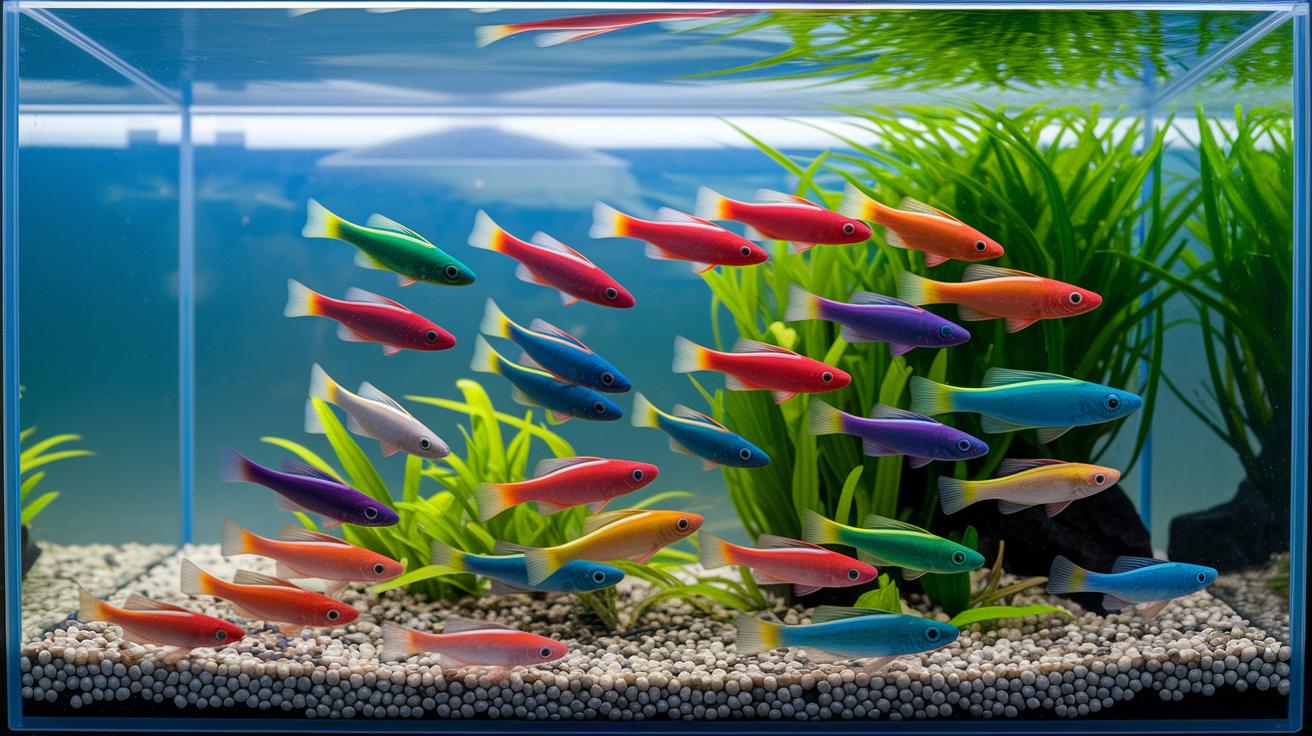
A 20-gallon tank works great for a few small fish if you pick species that truly enjoy more intimate spaces. One simple tip is to add up the lengths of your fish, if they average 2 to 3 inches, aim for about 14 to 21 inches of fish altogether. That way, your water home won’t feel too crowded.
Take neon tetras for example. These little fish love to swim in schools, so having 6 to 8 of them turns your tank into a bright, bubbly display, a mini festival of color in your very own aquarium.
Mollys, which also reach about 2 to 3 inches, look lively in groups of 3 to 5. Their smooth movements add a touch of life to the water, making your tank feel active and fun. Meanwhile, zebra danios are another joyful pick. Their energy really shines when kept in groups of 6 to 10, giving them plenty of room to dart and play.
On the other hand, a betta fish is best enjoyed solo. Especially for males, being by themselves helps them stay calm and avoids any unwanted nippy behavior.
| Fish Species | Size | Ideal Group Size |
|---|---|---|
| Neon Tetra | 1.5″ | 6–8 |
| Molly | 2–3″ | 3–5 |
| Zebra Danio | 2″ | 6–10 |
| Betta | Varies | 1 (solo) |
Taking a little extra care with your group sizes not only keeps your fish happy but also ensures that your aquarium remains a balanced, peaceful little underwater world.
Essential Tank Setup for Maintaining a Healthy 20-Gallon Aquarium
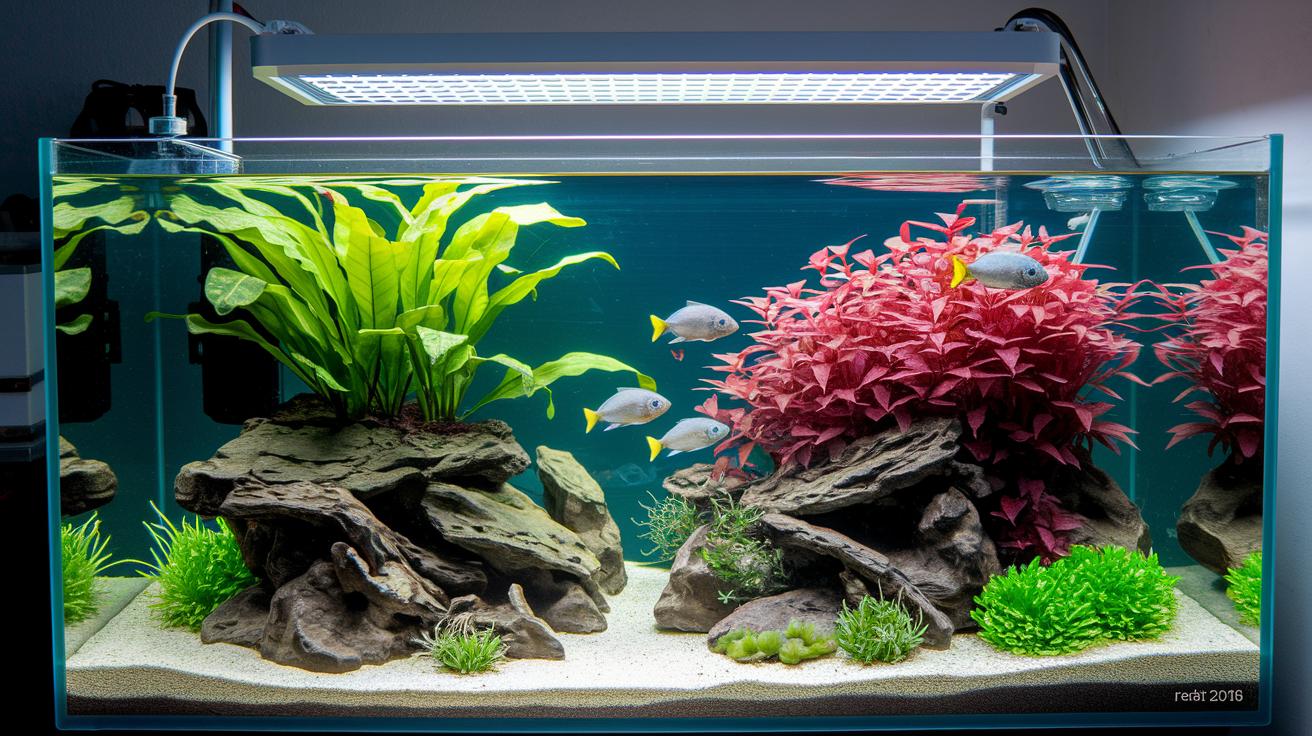
Before you add any fish, pre-cycle your tank. This means you let helpful nitrifying bacteria get established so they can break down waste. It’s like setting the stage for your fish friends to live in a safe, balanced environment.
Choosing the right filter matters a lot. For a freshwater tank, go with a filter that’s rated at least 100 GPH. A good filter clears up your water and gives a boost to those beneficial bacteria. Keep an eye on it with regular maintenance to avoid any buildup that might stress your fish.
Temperature is another biggie. Aim to have about 100 watts of heating power in your tank, either by using one 100-watt heater or two 50-watt ones. This setup maintains a cozy 74–82°F environment, helping your fish thrive with less stress. It’s smart to check your heater settings every now and then. And if you’re just getting started, you might want to have a look at the 20 gallon fish tank kit for your filtration and heating needs.
Keeping a balanced pH is key too. Try to keep it between 6.5 and 7.5 to create a good home for your freshwater fish. Doing a 25% water change every week helps manage ammonia and nitrate levels, ensuring your tank stays healthy. And if you’re shopping for extra supplies, you can always find more at aquarium supplies online.
Monitoring Tank Health and Avoiding Overcrowding in 20 Gallons

Keep a close eye on your fish and their little watery world to catch hints that something might be off. When you see your fish gasping near the surface, it could mean there's not enough oxygen or that waste is building up. And if they start getting more aggressive or swimming in odd, jittery ways, they might feel too crowded.
Every week, take a moment to test your tank water. Check the ammonia and nitrite levels, and aim to keep both at zero to keep your tank as calm as a quiet pond. Also, watch the nitrate levels and try to stay under 40 ppm. These little tests help catch tiny issues before they turn into big problems.
Make sure to remove any uneaten food and extra waste every day. This simple step keeps the water clean and your fish feeling at ease, like a gentle stream on a sunny day.
Here are some key signs you should look for:
- Fish gasping near the water’s surface
- Increased aggression or sudden bouts of biting
- Unusual or erratic swimming patterns
- Cloudy water or visible piles of waste
If you notice any of these water tests starting to creep up, hold off on adding more fish. Let the tank settle and test again after you've made adjustments. This way, you’ll make sure everything is back to normal before welcoming new friends into your aquatic home.
Using Calculators and Ratios to Fine-Tune Your 20-Gallon Fish Load
Online calculators are super handy when setting up your tank. They tweak the good-old one inch per gallon rule by factoring in how much waste each fish makes. So, if you have fish that dish out extra waste, these tools might suggest using 0.75 inches per gallon instead. Think of it as a clever helper turning your 20-gallon tank into a custom blueprint, showing you exactly how many high-waste fish can live happily.
You can also use formulas that pay attention to your filter’s flow (that’s the speed your water moves), the way live plants soak up nutrients, and the specific needs of each fish species. This method helps you convert your tank’s volume, since 20 gallons is about 75.7 liters, into a plan that works just right for your little aquatic world.
Next, give a try to a few different calculators. You might add details like your filter’s flow rate, the types and numbers of plants in your tank, and then make adjustments based on what each species needs. Comparing these results lets you fine-tune how many fish you can comfortably keep and mix different kinds with confidence. Pretty soon, your underwater space will feel calm and healthy.
Finally, experiment with these ratios until you settle on the perfect mix for your tank. Enjoy the journey and happy fish-keeping!
Final Words
In the action of setting up your aquatic haven, you learned how to calculate fish numbers using the fish-per-gallon rule. You saw that factors such as waste, temperament, and water quality can change the balance in your tank. You also got tips for picking friendly species and keeping your setup both attractive and healthy. Enjoy testing your methods and watching your underwater world flourish. Keep in mind how many fish in a 20 gallon tank suit your unique space best.
FAQ
How many fish in a 20 gallon tank according to Reddit discussions?
When Reddit users share ideas, they often follow the one-inch-per-gallon rule. For a 20-gallon tank, this usually means around 7 small fish averaging 2–3 inches, considering species temperament and waste levels.
How many fish does a 20-gallon tank calculator suggest?
When using a calculator based on the one-inch-per-gallon guideline, a 20-gallon tank typically holds roughly 7 fish averaging 2–3 inches, while also taking into account each species’ waste output and space needs.
How many fish can be kept in a 20-gallon saltwater tank?
When considering saltwater setups, the fish-per-gallon rule varies because marine species often need extra space. Typically, a 20-gallon saltwater tank supports fewer fish than a freshwater tank.
How many small or 2-inch fish fit in a 20-gallon tank?
When looking at 2-inch or small fish, a 20-gallon tank generally accommodates about 7 fish. This estimate depends on each species’ needs and maintaining proper water quality with good filtration.
How many fish fit in a 10-gallon tank?
When considering a 10-gallon aquarium, the one-inch-per-gallon rule suggests around 3 to 4 small fish if they remain around 2 inches. Tank shape and fish behavior also affect this number.
How many angelfish can be kept in a 20-gallon tank?
When it comes to angelfish, their eventual size and territorial nature mean a 20-gallon tank is too small for more than one juvenile. They need larger tanks as they grow to prevent stress.
What fish do well in a 20-gallon tank?
When selecting fish for a 20-gallon tank, peaceful community species like neon tetras, mollies, zebra danios, or a single betta tend to thrive, thanks to their small size and calm temperament.
How many fish should you use to cycle a 20-gallon tank?
When cycling a 20-gallon tank, starting with just 2 hardy fish helps beneficial bacteria develop safely. Once water parameters stabilize, you can gradually add the remaining fish.
Can I have 6 goldfish in a 20-gallon tank?
When it comes to goldfish, a 20-gallon tank is too small for 6 due to their high waste production. Goldfish need significantly larger tanks to keep water quality and fish health in check.