

Ever notice how a tiny fish can transform your tank into a living piece of art? Tetra fish bring a burst of color and life to your aquarium, making every swim feel like a little celebration. Their cheerful moves and simple care remind us that looking after nature's small wonders can be easy and joyful.
Think of setting up your tank as arranging a tiny, underwater garden. By adding these vibrant swimmers, you're inviting a splash of nature right into your home. And if you ever need tips or ideas, I'm here to share what keeps tetra fish happy and your tank looking like a flowing, natural stream.
Tetra Fish Care and Habitat Essentials
Tetra fish are small, bright swimmers that bring a burst of color to any tank. Their neat, lively moves make them a joy to watch, whether you are just starting out or have been keeping fish for years. These hardy little fish are easy to care for and love living with friends. Imagine a school of tiny fish gliding together in water that sparkles like sunlight dancing on a stream.
Tetra fish come from shady, plant-filled streams in South America. They thrive in soft water with gentle currents, so they really like a tank with lots of plants and subtle light, just like their natural home. Since they are schooling fish, it’s best to keep them in groups of six or more. Many fish lovers even mix two or three females with a single male to keep the group happy and stress-free. It’s like watching a joyful parade of little swimmers exploring a lush underwater garden.
In the wild, tetra fish can live up to ten years, but in a home tank, they often live between two and four years. Keeping the water temperature steady, ideally between 72°F and 82°F with little change, is key to their health. This stable environment mimics the calm, natural streams they come from and helps them stay energetic and content. Regular checks and small tweaks can go a long way, ensuring that every swim is as delightful as nature intended.
Aquarium Setup for Tetra Fish
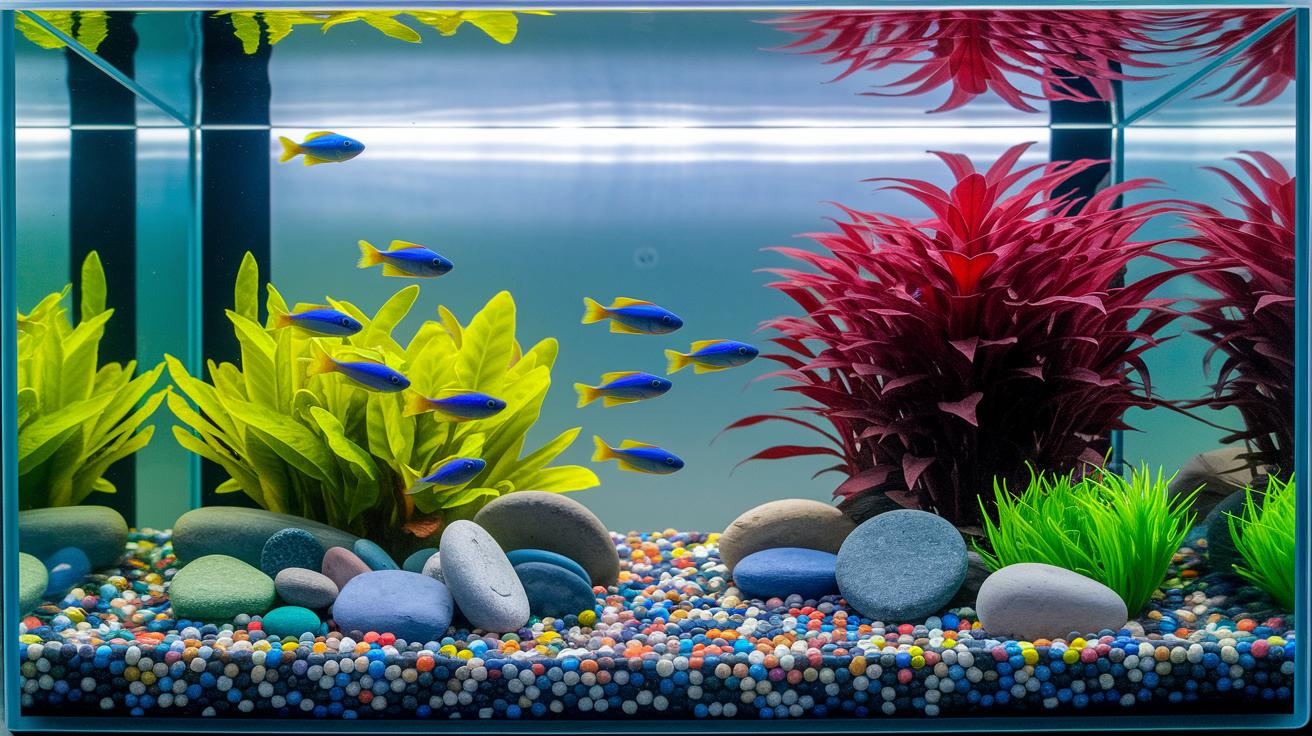
Setting up a home for your tetra fish can feel like arranging a little slice of a natural stream. A thoughtful tank lets these lively swimmers dart around and form their own groups, much like they would in the wild. First, pick a tank that fits your tetra family's size and ensures the water stays clean and balanced.
- Choose the right tank size. If you're keeping a single neon tetra, a 10-gallon tank works well; for a group of six, go for a 20-gallon tank.
- Rinse and add your substrate. Spread 1–2 inches of pre-rinsed sand, gravel, or pebbles to create a soft, natural bed.
- Set up your filter and test it. Pick one that clears toxins from the water and boosts oxygen levels, this is like the beating heart of your tank.
- Fill the tank and get the water cycling. Start the nitrogen cycle to prepare a safe, welcoming place for your fish.
- Keep an eye on water quality. Regularly check pH, ammonia, nitrite, and nitrate levels to ensure everything stays balanced.
- Add a bit of underwater décor. Live plants, driftwood, and rocks not only look lovely but also give your fish cozy hiding spots.
Using a 1–2-inch layer of clean substrate creates the kind of bottom that mimics a natural stream, offering a cozy bed for beneficial bacteria to grow. Your filter, working like a gentle current, clears out harmful substances and keeps the water sparkling and full of oxygen. Aim for a pH between 6.0 and 7.5, so the water feels just right for your finned friends.
Regularly changing 10–25% of the water every two to four weeks is a smart way to manage toxins and keep the environment fresh. Keeping the water temperature steady between 72°F and 82°F helps your tetra fish stay energetic and behave naturally. A little tip: consistent monitoring and small tweaks can make a huge difference in your tetra’s well-being.
Feeding and Nutrition for Tetra Fish
Taking care of your tetra fish means giving them just the right bites to keep them happy and healthy. Feed them a small amount once or twice a day, just enough for them to finish in one or two minutes. When extra food is left behind, it can boost ammonia levels and make your tank water cloudy. And you might notice your fish swimming slowly or keeping their fins tight, which can be signs they’re being overfed.
Think of portioning their food like sharing a small treat with a close friend, just enough to be satisfying without overpowering their gentle system. Sometimes, you might see that the flakes you use need a little tweak in how much you give, just like trimming a recipe to get it just right.
Mixing up food choices can make mealtime fun and keep your tetras strong. Many aquarists love commercial flakes because they give balanced nutrition and add a splash of color to every bite. For the tinier tetras, micro pellets are a great choice because they support growth and help your fish look lively. Every now and then, treat your fish to a bit of live or frozen Mysis or brine shrimp to add a burst of natural flavor, like a dash of seasoning that brings the meal to life. Vitamin-enriched diets can also work wonders by boosting their immune systems and making their colors pop.
With a structured and varied feeding routine, your tetra fish enjoy all the necessary nutrients, while your aquarium stays bright and clear, a peaceful underwater world you can truly enjoy.
Popular Tetra Fish Species Profiles
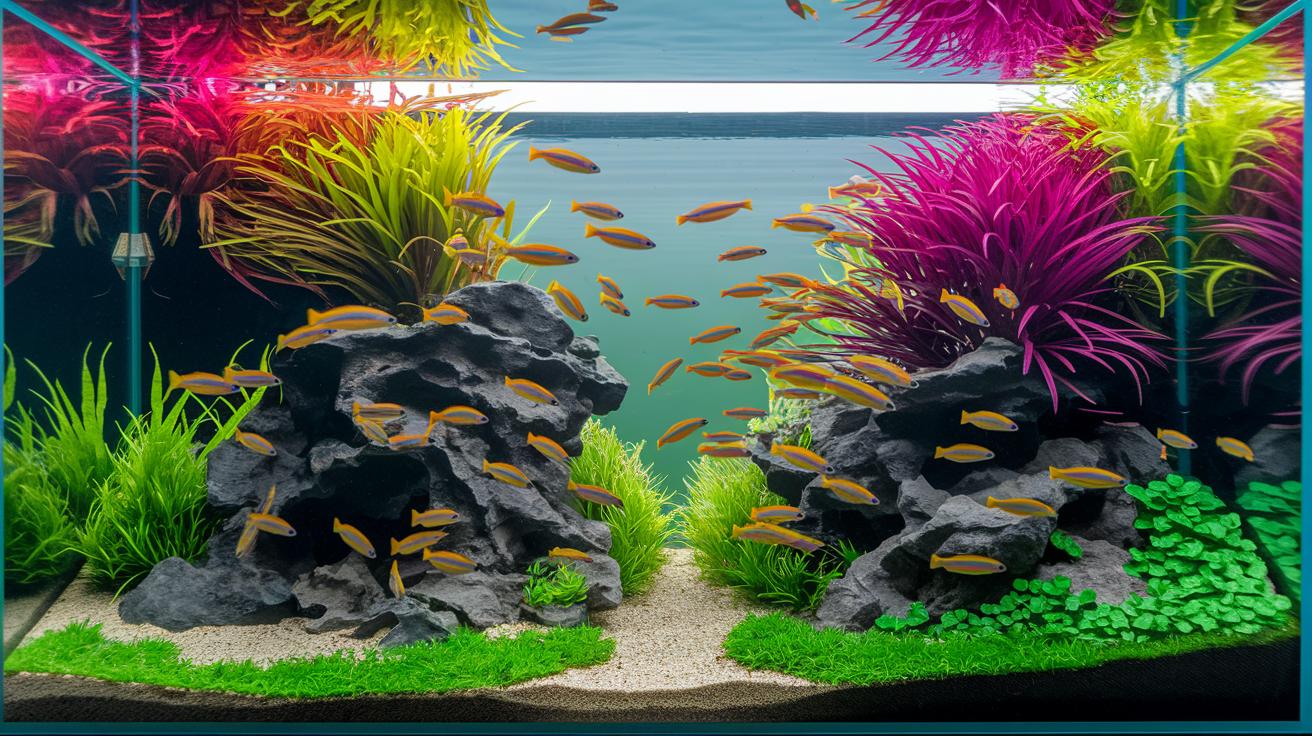
Tetra fish bring a vibrant splash of color to any tank, much like sunlight dancing through water. Each little fish has its own charm that turns even a small aquarium into a lively underwater scene. Whether you’re a seasoned fish keeper or just starting out, learning about these species makes caring for them a joyful adventure.
Neon Tetra
Neon Tetras grow to about 1.5 inches and are known for their sparkling blue stripe with a pop of red along their tail. They swim together in tight schools, creating a mesmerizing show that feels as magical as watching light ripple on a pond. Their lively nature makes them a top choice for tanks that love a burst of activity.
Cardinal Tetra
Cardinal Tetras are a bit bigger at around 1.8 inches, and they sport a smooth, continuous red stripe along their body. These fish thrive in water conditions that are slightly acidic to neutral, which helps keep them both happy and active. Their graceful movements remind you of a gentle stream, and they flourish best when the water quality stays steady.
Ember Tetra
Ember Tetras, measuring roughly 0.8 inches, shine with a warm, vivid orange color. Their small size and calm demeanor make them a perfect fit for peaceful community tanks. They add a gentle, cozy glow to the aquarium, much like a tiny ember warming up a quiet night.
Serpae Tetra
Serpae Tetras, about 1.2 inches long, dazzle with a deep crimson hue that really stands out. While they add a dramatic splash of red to your tank, they can sometimes nip at the fins of their tank mates. Giving them enough space lets them show off their natural behaviors while keeping the fin-nipping to a minimum.
Glowlight Tetra
Glowlight Tetras, around 1.5 inches in size, feature a see-through body with a glowing orange stripe that shimmers under the light. Their calm and friendly way of swimming makes them a delightful addition to any community tank. Their soft glow adds just the right hint of sparkle, creating a soothing aquatic atmosphere.
| Species | Size | Typical Coloration |
|---|---|---|
| Neon Tetra | 1.5″ | Iridescent blue with red tail |
| Cardinal Tetra | ~1.8″ | Continuous red stripe |
| Ember Tetra | 0.8″ | Vivid orange |
| Serpae Tetra | 1.2″ | Deep crimson |
| Glowlight Tetra | 1.5″ | Translucent with glowing orange midline |
Breeding Tetra Fish: Tips for Success
When setting up your breeding tank, think of it like creating a cozy underwater hideaway. You want a safe, calm space with soft water that is a little on the acidic side and kept at about 75°F. This special tank should be used only for breeding so that your little fishies can feel safe and relaxed.
To get your fish ready for spawning, feed them high-protein foods. It’s like giving them a little boost to get their bodies in shape for the big moment. Keep things balanced by having two to three females for each male. This not only helps lower stress but also gets everyone behaving naturally, which makes breeding easier.
Add some fine-leaved plants or a spawning mop to your tank. These provide spots for the eggs to stick, making it easier to see when spawning happens. Once the eggs are laid, take out the adults so they don’t accidentally munch on the eggs. For the baby fish, start them off on tiny creatures called infusoria and gradually move them over to baby brine shrimp as they grow.
Finally, do a small water change every day. This helps keep the tank fresh, much like a gentle flow of clean water over smooth stones in a stream, ensuring a healthy start for your growing fry.
Health Management for Tetra Fish: Disease Prevention

Keep a close watch on your tetra fish, just like you’d notice if a friend seems a bit off. Look for signs like fading colors, clamped fins, or the fish moving more slowly than usual. These small changes are the fish’s way of asking for a little extra care.
Set aside a little time each week to check your tank’s water, much like you’d check the air in your bike tires before a ride. Grab a reliable test kit and make sure the ammonia and nitrite are at zero and that nitrate stays below 40 ppm. This simple routine helps you catch any issues early so your fish can thrive.
Whenever you plan to add new fish to your tank, give them a two-week quarantine. This period lets you spot any early signs of illness and take quick action, like using a gentle treatment dip if needed. Also, be sure not to overcrowd your tank since too many fish can cause stress and even lead to behaviors like fin nipping.
Ideal Tank Mates for Tetra Fish: Community Compatibility
When setting up your community aquarium, try to choose tank mates that are as calm as your tetra fish. Think of peaceful species like Corydoras catfish, small Rasboras, Otocinclus, and gentle livebearers as friendly neighbors who create a relaxed space. It’s a bit like inviting only the kindest neighbors into your watery world, ensuring everyone has plenty of room to swim and feel safe. Picture a quiet, welcoming neighborhood where each resident helps keep the balance and peace in the tank.
Adding freshwater shrimp, like cherry shrimp, can bring even more harmony, especially when there are cozy hideaways for them. Mixing different species boosts visual appeal and liveliness, but it’s best to keep the tank from feeling overcrowded to protect water quality and reduce stress. This smart mix lets each creature show off its natural behavior, much like a beautiful, well-tuned underwater symphony.
Routine Maintenance and Water Care for Tetra Fish

Keep your tetra tank feeling fresh by changing a bit of the water every few weeks. I like to swap out about 10–25% of the water every two to four weeks, and always add a trusted water conditioner like AquaSafe® to take away chlorine from tap water. This step helps lower nasty chemicals, making a safer home for your fish. Also, remember to rinse or swap out your filter media once a month with some tank water. That little routine helps keep the friendly bacteria at work, just like nature intended.
Taking care of algae and mimicking nature’s rhythms in your tank is part of the fun. Trimming plants that grow too wild and playing around with your lighting schedule can keep algae from taking over and keep your tank sparkling. It’s also smart to check your nitrate levels regularly, aim for under 40 ppm. This gentle monitoring helps reduce stress for your little swimmers, making their watery world feel just like home.
Final Words
In the action, we covered tetra fish care and habitat essentials, from setting up the perfect tank to balanced feeding and water care. We explored the natural beauty and social behavior of these playful swimmers while sharing tips on tank mates and simple breeding hints.
Regular maintenance keeps your tank sparkling and your aquatic friends healthy, making every visit to your aquarium a calm, satisfying experience. Enjoy creating a vibrant underwater home for your tetra fish.
FAQ
What is the price of tetra fish and where can I get them?
The tetra fish price and sale details depend on your region and store, with pet shops and online retailers offering competitive rates. They are generally affordable and perfect for starting your freshwater aquarium.
What should I know about setting up a tetra fish aquarium?
The tetra fish aquarium setup calls for an appropriately sized tank, a reliable filter, and natural décor like live plants. This creates a comfy, natural space that mimics their native habitat.
What are the basics of breeding tetra fish?
The tetra fish breeding process involves a separate tank with soft, slightly acidic water and a protein-rich diet. Maintaining the right gender balance and gentle conditions helps encourage healthy spawning.
What makes Glofish tetra unique?
The Glofish tetra stands out through its bright, enhanced colors that glow under specific lighting. Its eye-catching appearance adds a fun, luminous touch to your freshwater community tank.
What are the key features of neon tetra fish?
The neon tetra fish is known for its sparkling blue stripe paired with a red tail band. Their small size and vibrant color make them popular for lively, social tanks that feel as dynamic as a flowing stream.
How long do tetra fish live, and what factors influence their lifespan?
The tetra fish lifespan is typically 2–4 years in aquariums and can approach 10 years in the wild. Good water quality, balanced nutrition, and proper care are crucial factors for a longer, healthier life.
Why are tetra fish a good choice for freshwater tanks?
The tetra fish are a great freshwater choice because they adapt well to home aquariums, require basic care, and add a pop of color with their natural schooling behavior, enhancing any tank design.
How many tetra fish should be kept together in an aquarium?
The ideal number for a school is six or more tetra fish. Keeping them in a group encourages natural behavior and reduces stress while ensuring that they enjoy social interactions in the tank.
Are tetra fish suitable for beginner aquarists?
The tetra fish are well-suited for beginners due to their hardy nature and simple care requirements. They thrive in stable water conditions, making them an excellent choice for those new to aquarium keeping.
Why is this fish called a tetra fish?
The fish is called a tetra fish because its name derives from a Greek word hinting at the number four, a reference to certain characteristic shapes or scales found in many species.
How can I tell if my tetra fish are happy?
The tetra fish show signs of happiness through active, lively schooling, bright, vibrant colors, and regular feeding routines. Their playful swimming and social grouping indicate a stress-free and comfortable environment.