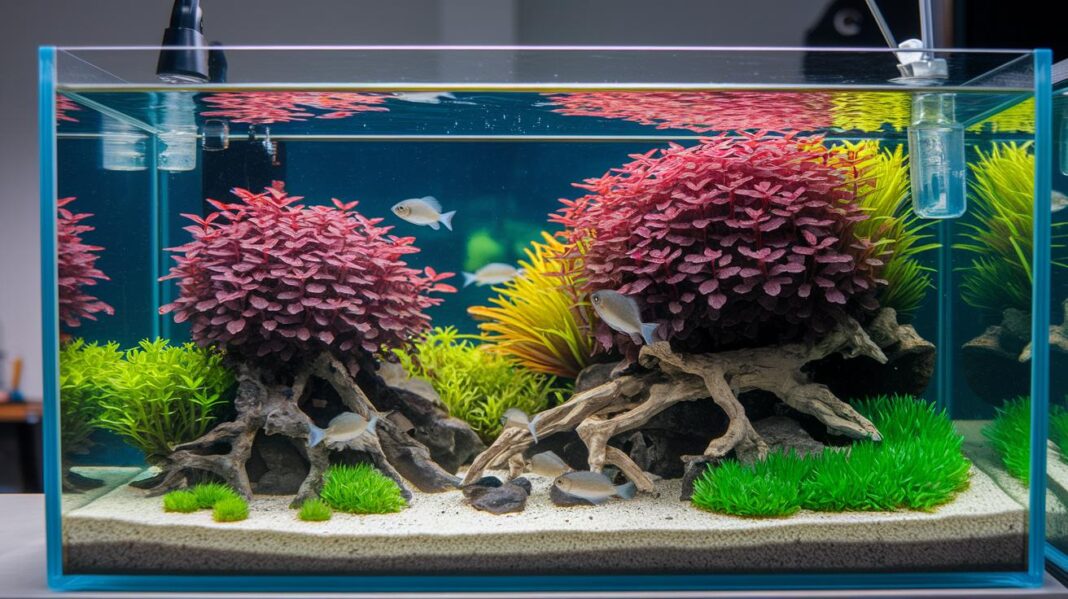

Have you ever noticed that the little microbes in your tank work around the clock to keep everything balanced? They’re tiny but mighty. They turn fish waste into safe, useful nutrients that your plants love and your fish depend on.
Think of them like busy helpers, quietly maintaining the clean, lively water you enjoy. In this post, we’ll dive into how these hidden crew members support every corner of your aquarium and why they’re so important for a thriving underwater world.
Key Functions of Bacteria in an Aquarium Ecosystem
The friendly little bacteria in your tank work hard day in and day out. They help clear the water by breaking down fish waste, leftover food, and bits of plants before any nasty stuff can pile up. Imagine a team of tiny cleaners, busy transforming scraps into safe, harmless bits that keep your water sparkling and your fish happy.
These helpful microbes also turn decaying organic matter into essential nutrients like nitrogen, phosphorus, and potassium. This nutrient boost feels a bit like a secret sprinkle of magic on your plants, helping them grow strong and full just as if they were getting a little underwater meal.
Bacteria also work like natural bodyguards in your aquarium. By outsmarting harmful germs, they keep dangerous bugs at bay so your aquatic friends stay healthier. Picture them as friendly guardians, always on patrol to make sure only the helpful characters thrive in your underwater world.
They play another cool role too, they become a tasty snack for small critters and fish fry. This creates a wonderful food chain, much like a vibrant underwater community, where every creature matters. Plus, their work leads to the formation of soft biofilms on rocks and decorations, crafting a natural patchwork that mimics wild habitats.
| The Awesome Jobs They Do | What They Mean for Your Tank |
|---|---|
| Break down wastes | Keeps water clear and safe |
| Convert organics to nutrients | Feeds your plants |
| Control pathogens | Helps fish stay healthy |
| Supplement the food web | Supports a balanced ecosystem |
| Build biofilm habitats | Creates natural surfaces for life |
In short, these amazing microbes keep everything in harmony, waste is recycled, plants get a secret boost, and fish swim in cleaner, safer water. Isn’t it wonderful how even the tiniest creatures play a big part in your underwater world?
Role of Bacteria in the Aquarium Nitrogen Cycle
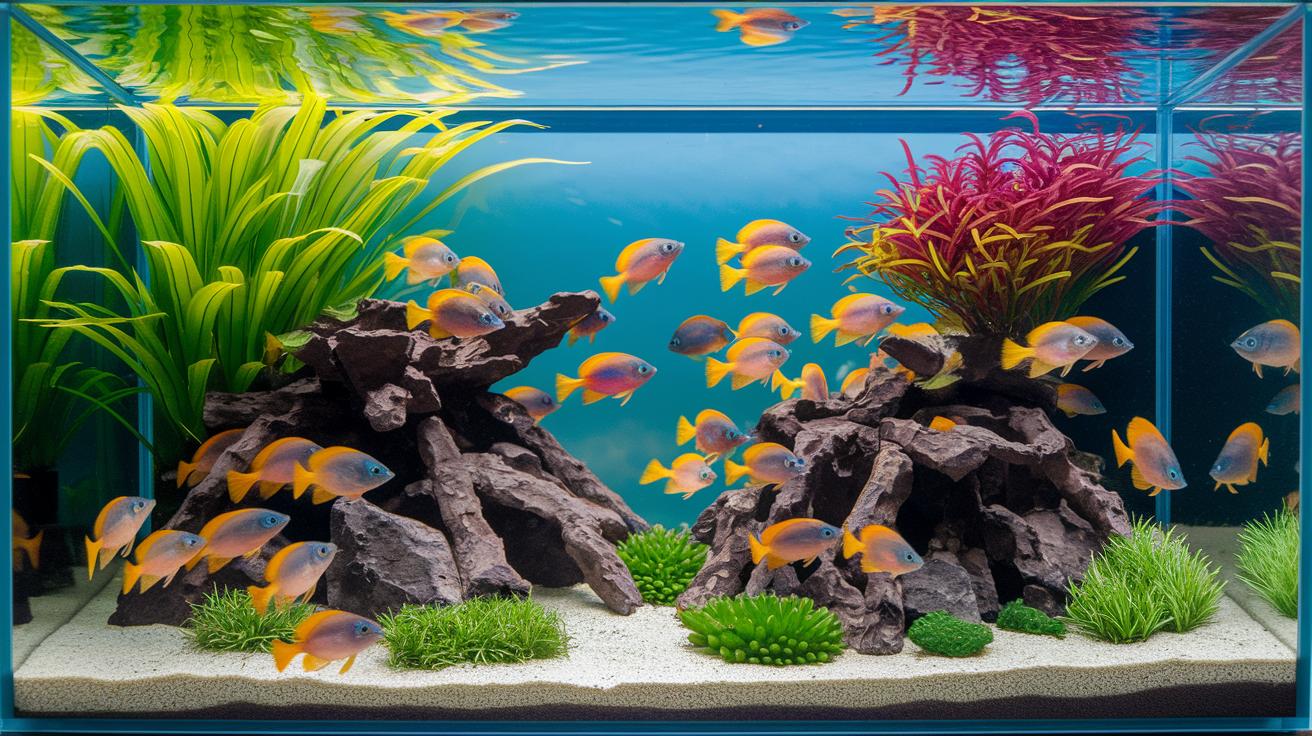
Think of your aquarium like a lively underwater workshop where busy little bacteria work hard to keep the water perfect for your fish. To begin, ammonia-eating bacteria like Nitrosomonas break down harmful ammonia into nitrite. This step is really important because ammonia levels above 0.25 mg/L can stress your fish and make them sick. Then, nitrite-eating bacteria such as Nitrobacter jump in to turn nitrite into nitrate, keeping nitrite levels safely below 0.5 mg/L.
This two-step process, known as continuous nitrification, takes some time to get started. A well-cycled tank, usually needing about 4 to 6 weeks before you add any fish, allows these bacteria to build a strong colony. It’s a bit like a well-rehearsed show, with each bacterial group playing its part to create a safe, balanced home.
Caring for these bacterial communities is like having your very own natural water cleaner. Regularly testing ammonia and nitrite levels lets you know when your tank is ready. Keeping an eye on these numbers every day helps make sure your underwater home stays calm, healthy, and inviting for your fish.
Bacterial Decomposition of Organic Waste in Aquariums
Inside your tank, tiny helpers like bacteria, fungi, and protozoa work like a team of underwater chefs. They break down fish waste, extra food, and plant bits with simple enzymes that turn complex matter into water, carbon dioxide, and nutrients. Imagine these microorganisms as little cooks who transform leftovers into a nourishing buffet that keeps your aquarium happy.
This quick cleanup helps prevent sludge buildup and unexpected ammonia spikes that could stress out your aquatic pals. At the same time, the process feeds nitrifying bacteria that keep the water cycle smooth and steady, just like nature’s own rhythm. Even deeper down in your tank, sediment-dwelling bacteria break down debris that sinks to the bottom, ensuring nothing is wasted.
- Microbial decomposition turns waste into vital nutrients.
- This natural recycling process helps stop harmful toxins from building up.
- It creates a balanced nutrient cycle that supports a thriving aquarium.
Biofilm Formation and Filter Media Microbial Activity
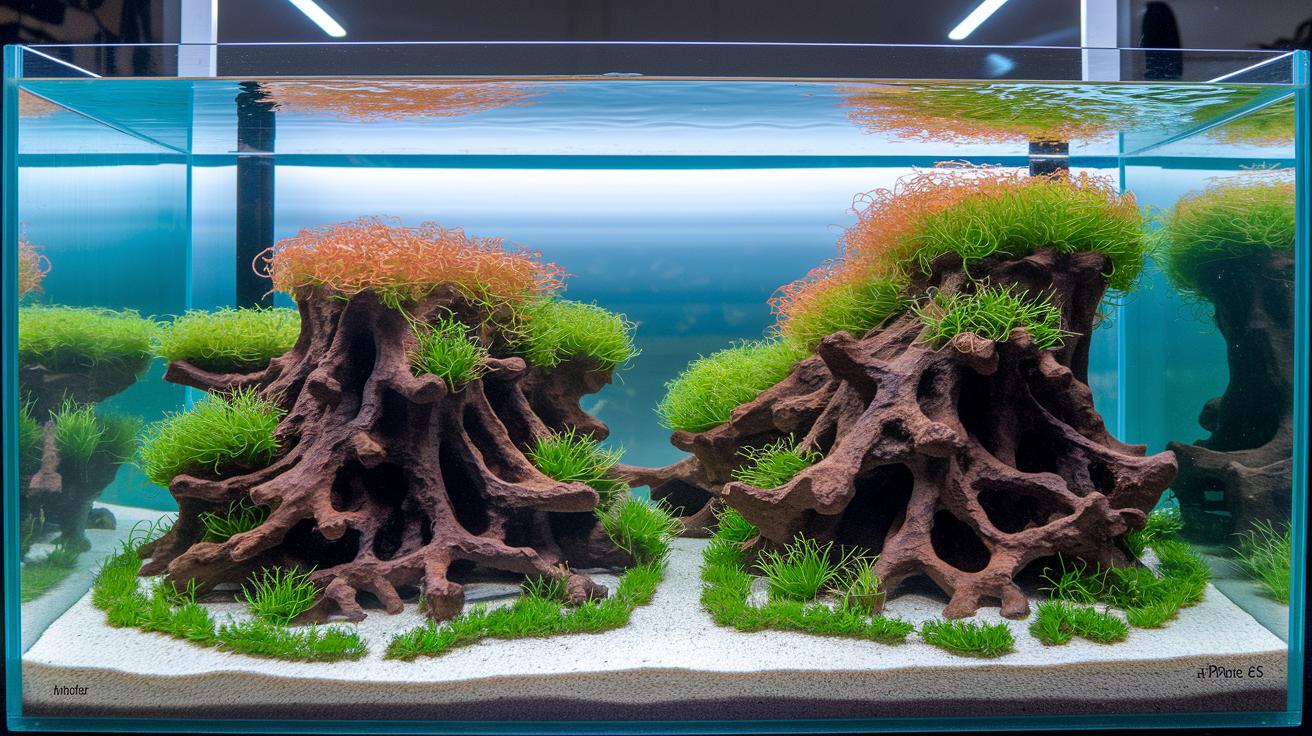
In your aquarium, you'll notice a thin, living layer called biofilm on surfaces like filters, substrates, and decorations. Think of these biofilms as quiet little helpers, settling on sponge filters, ceramic rings, bio-balls, and more.
These biofilms are packed with tiny microbes that work together to break down harmful substances. They include nitrifiers and other friendly species that turn dangerous ammonia and nitrite into safer compounds. It’s like having a built-in cleaning crew for your water. The way they work is a bit like a sponge soaking up spills, only they absorb toxins and change them into less harmful stuff.
Modern filter media gives these microbes plenty of room to settle, which is key for a strong biofilm. The more surface they have, the better they can clean your water. When biofilms are healthy, they even outcompete those pesky microbes that could upset your tank’s balance.
- Biofilms stick to surfaces, giving plenty of space for helpful microbes.
- Filter media act like a cozy home where these bacteria can thrive.
- A gentle rinse with tank water keeps these communities happy without disturbing their work.
Taking care of these microbial layers with periodic, careful cleaning lets nature’s own water treatment system keep your aquarium sparkling clean.
Establishing and Maintaining Beneficial Bacterial Colonies
Starting your tank off right means giving it a quiet period of 4 to 6 weeks without any fish. During this calm time, your filter and substrate become the perfect home for good bacteria that help keep your water clean. These tiny helpers grow on surfaces and turn waste into safe, harmless substances. You can speed things up by adding commercial bacterial starters, grabbing some bio-media from an established tank, or even using live rock from a thriving aquarium. It’s a bit like inviting an experienced team to get your tank ready for the big show.
Using the right seeding methods is key to growing a strong bacterial colony. Instead of using tap water, which can wash away those good bacteria, rinse your filter media with tank water. Think of it like gently dusting off an old vase instead of scrubbing it clean. This way, you keep every little helper in place.
Keeping the right conditions is super important too. Aim for warm water between 75 and 82°F, a pH level from 6.5 to 7.5, and oxygen levels above 6 mg/L. These settings are just perfect for your bacteria to thrive. Doing weekly tests for ammonia, nitrite, and nitrate helps you keep an eye on their progress, almost like checking your aquarium’s pulse. Adding live plants such as Anubias or Java Fern can give your tank an extra boost by soaking up nitrates. And don’t forget to do partial water changes of 10–20% each week to manage extra nutrients while keeping your bacteria happy and healthy.
Impact of Bacterial Populations on Fish Health and Aquarium Water Quality
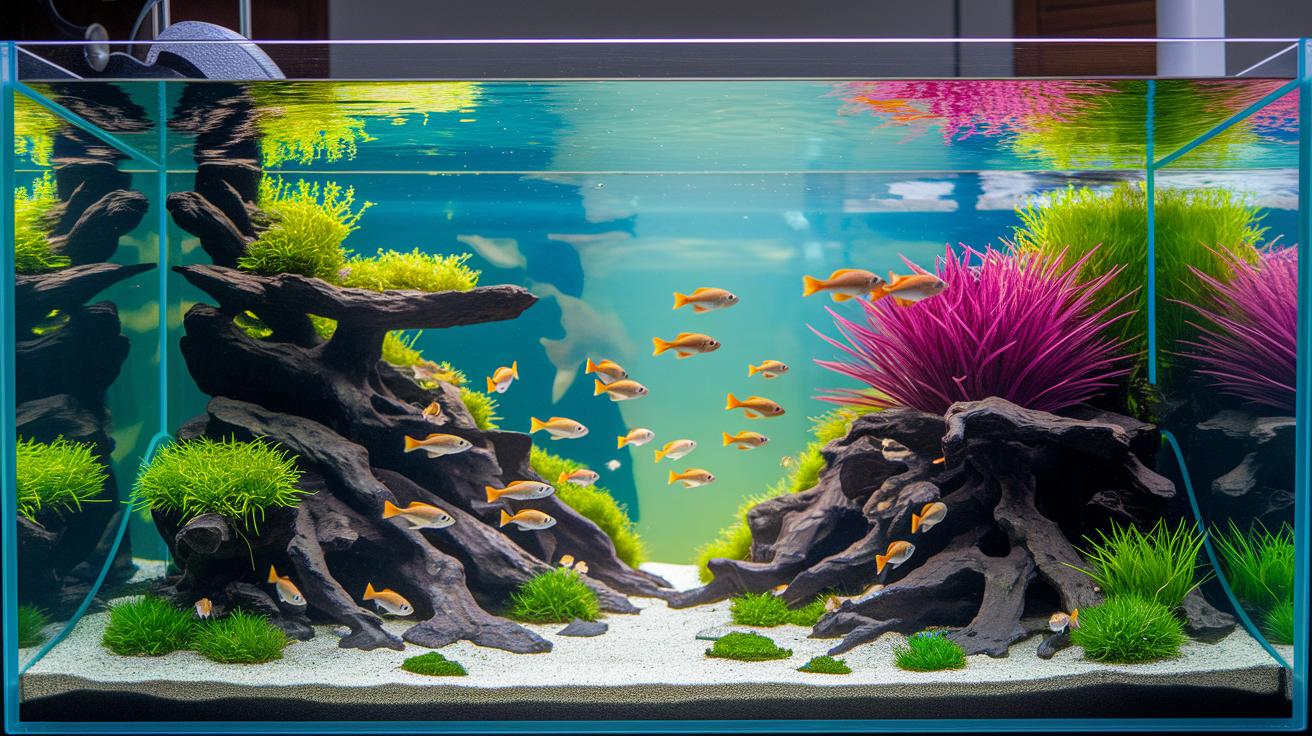
Bacteria are little heroes in your aquarium. They help keep ammonia and nitrite levels low, which means your fish feel less stressed and stay healthier.
Microbes break down tiny bits of organic waste and even help digest plant matter. Imagine a calm pond in the morning, where the water is clear and inviting – that’s what a healthy bacterial community does for your tank. It not only makes the water look better but also gives plant-eating fish the nutrients they need to swim happily.
A well-balanced group of bacteria also boosts your fish’s natural defenses. When you see too many of certain bacteria, like Chromobacterium, it’s a sign something’s a bit off. A small water change or a bit of filter cleaning can usually get things back on track.
- Bacteria help lower harmful toxin levels.
- They clean the water and help break down plant material.
- A balanced group of microbes supports your fish’s immune system.
Balancing Aquarium Ecosystems through Natural Microbial Processes
In your tank, there's a hidden team of tiny helpers called denitrifying bacteria. They work in spots where there isn’t much oxygen, like deep sand beds or around sponge filters. These little critters change extra nitrate into harmless nitrogen gas, keeping your water clean without extra chemicals.
Building a cozy hideaway for these microbes is like creating a special retreat just for them. You can set aside spots with deep substrates or add sponge filters that give them the perfect low-oxygen environment. This little sanctuary helps them thrive and naturally balance your water chemistry.
A mix of different bacteria doesn't just complete the nitrogen cycle, it also helps your tank handle small changes in pH or temperature. It’s like having a team that supports each other to keep things steady. And every now and then, you might add a touch of carbon from sources like peat or sugar to keep these guys fueled up. That little boost turns your aquarium into a self-sustaining, balanced ecosystem.
Final Words
in the action we saw how helpful bacteria break down waste, support the nitrogen cycle, and clean the water. The blog explained how these tiny microbes form biofilms on filter media, creating safe spots for beneficial activity. They convert harmful substances into nutrients to support healthy plants and keep fish safe. By maintaining proper conditions and gentle care, you help these essential colonies do their work. The role of bacteria in an aquarium ecosystem is clear, when these natural helpers thrive, your tank turns into a secure, balanced underwater haven.