

Have you ever noticed how tiny critters work behind the scenes to keep your aquarium sparkling and safe?
Down in the tank, little helpers like bacteria, fungi, and protozoa do all the hard work, cleaning up the mess.
They turn waste into friendly nutrients that help your tank’s life flourish, much like a gentle current smoothing rough pebbles.
This all-natural clean-up keeps your water clear and your tank in perfect balance, proving that these small helpers are truly essential for healthy aquatic life.
Today, let’s dive into how these marvelous microorganisms support your tank’s well-being and make it a cozy haven for all its aquatic friends.
Essential Microorganisms in Aquarium Ecosystems Fuel Health
Bacteria, fungi, and protozoa are the unsung heroes of your aquarium, working quietly like a team of tiny caretakers. Bacteria, for example, break down harmful substances by turning fish waste into less dangerous compounds, imagine a natural filter gently cleaning your water. Meanwhile, fungi decompose organic matter and protozoa help keep other microbes in balance.
These little critters also have an active role in turning waste into nourishment. They break down leftover food, fish droppings, and even decaying plants into useful nutrients like nitrogen, phosphorus, and potassium. Nitrifying bacteria are especially cool; they transform the ammonia from waste into nitrites and then into nitrates, feeding your plants and keeping the water fresh and clear.
When these natural processes work together, your water becomes stable and safe. As bad chemicals turn into harmless ones, the aquarium stays clear and healthy, meaning fewer toxins and less algae growth. This balance makes your tank a safer and more inviting home for all its inhabitants.
Healthy microbial activity is key to overall fish happiness and a thriving ecosystem. These helpful microorganisms even form thin biofilms on decorations and the tank substrate, which serve as tasty grazing spots for invertebrates and fish. It’s a neat, natural teamwork that keeps your aquarium vibrant and stress-free.
Nitrifying Bacteria in Aquarium Ecosystems and Nitrogen Cycle Support

Nitrifying bacteria are the tiny helpers in your aquarium that work hard to keep your water clean. They turn dangerous fish waste into safer compounds using a three-step process. First, ammonia oxidizers change ammonia into nitrite, a buildup of which can stress your fish. Then, nitrite oxidizers convert that nitrite into nitrate, which is much gentler on your aquatic buddies. In the deeper parts of your tank, denitrifying bacteria transform nitrates into nitrogen gas, helping to clear out extra nitrogen. This whole cycle builds a stable home for your fish, which is why letting your tank settle for 4-6 weeks before adding fish is so important.
| Step | Process | Microorganisms |
|---|---|---|
| 1 | NH4 → NO2 | Nitrosomonas |
| 2 | NO2 → NO3 | Nitrobacter |
| 3 | NO3 → N2 | Denitrifiers |
High-surface-area bio-media like ceramic rings, bio-balls, or sponge give these essential colonies a snug spot to flourish. This small, yet important habitat helps your nitrogen cycle run smoothly and keeps your tank environment safe and healthy.
Biofilm Communities and Biological Filtration in Aquarium Ecosystems
When you set up your aquarium, you quickly notice that rocks, substrates, and ornaments become cozy homes for tiny critters. These surfaces let bacteria, fungi, and protozoa stick around and form what we call biofilms – kind of like a soft, growing carpet on your tank decor. This early buildup lays down the foundation for a healthy tank.
Biofilms are so much more than a sticky layer. They act like tiny nets, catching dissolved nutrients and little particles floating in the water, such as nitrogen, phosphorus, and potassium. Without these biofilms, those nutrients could fuel unwanted algae. Deep within the biofilm, the microbes even convert nitrate into nitrogen gas, which helps keep your water clear. And while all this is going on, resident protozoa munch on harmful germs, making everything feel a bit fresher.
In a way, biofilms work as a natural filter by both physically trapping debris and breaking down organic bits into less harmful stuff. This dual action creates a clean, balanced environment and offers natural grazing spots for fish, shrimp, and snails. It’s like having a self-sustaining cleaning crew in your tank, ensuring a steady, natural way to keep your aquatic home healthy for the long run.
Encouraging a Healthy Microbial Balance in Aquarium Ecosystems
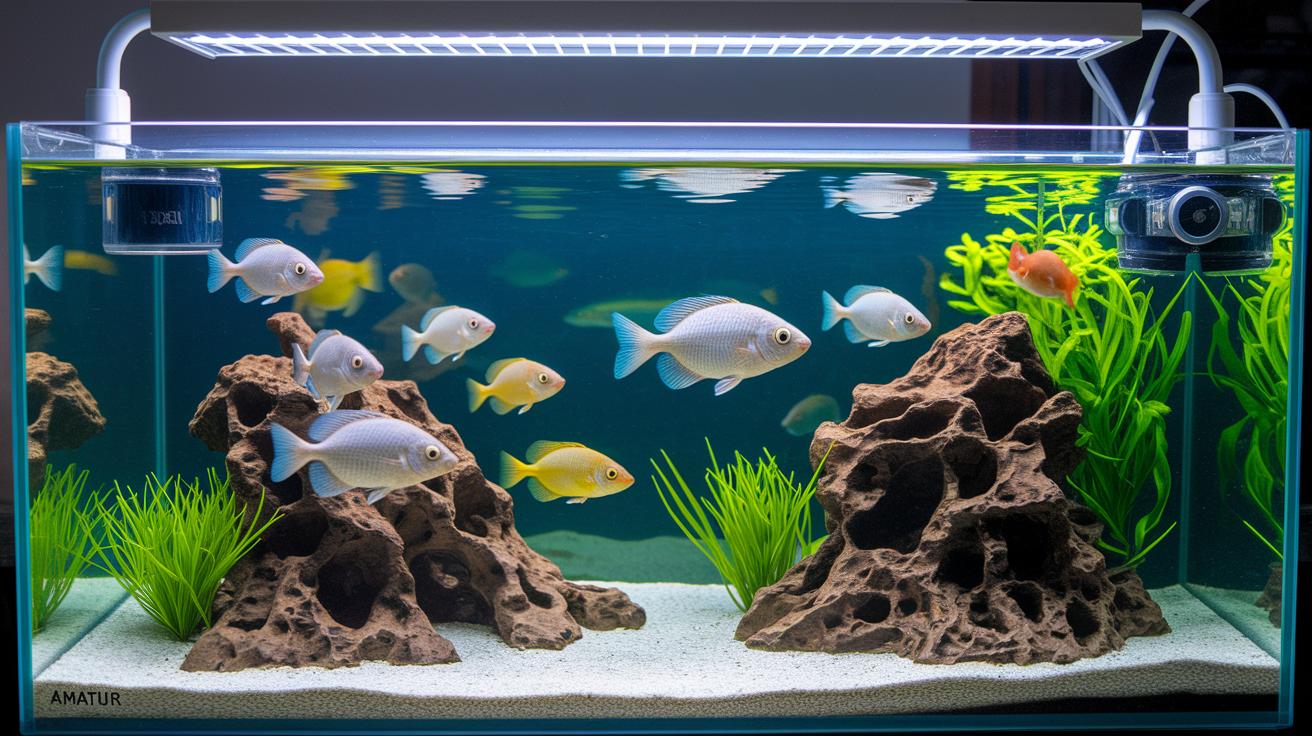
Taking good care of your tank means being gentle with the tiny, helpful microbes that keep your water clear. When you clean your filter, steer clear of chlorinated tap water. Instead, use water that has had the chlorine removed, or even some water from your tank. This simple switch helps those little organisms stay happy and busy.
Sometimes, after a deep cleaning or a significant water change, a live bacteria boost can help your microbial buddies bounce back. For new aquariums, start by letting the tank settle for four to six weeks. Adding a small dose of ammonia, maybe from some fish food, helps build a strong base of microbes that can handle fish waste without getting overwhelmed.
- Rinse filter media with water that has no chlorine
- Add live bacteria supplements after cleaning to revive your microbe team
- Choose bio-media with lots of surface, like ceramic or sponge, for a cozy home for bacteria
- Feed your fish in small portions to keep waste levels in check
- Keep the water temperature and pH steady for a balanced environment
- Let new tanks cycle fully for four to six weeks before adding many fish
Regular checks on your water’s condition will keep everything running smoothly. It’s like checking the pulse of your little underwater world to make sure it stays beautiful and clear.
Monitoring and Maintaining Microbial Stability in Aquarium Ecosystems
Keeping your tank healthy starts with regular water tests. I test for ammonia, nitrite, and nitrate every week with a trusted kit so I can catch any unwanted changes early. A weekly water change of about 30% helps wash away waste without upsetting the good microbes. Keeping the change below 50% at a time prevents sudden shifts that might stress your fish. I also keep an eye on my fish; if they start gasping or seem sluggish, it’s a clear sign that the water needs more care.
Next, caring for the tank’s bottom and controlling the number of fish is just as important. A gentle vacuum of the substrate helps remove extra organics that could feed harmful microbes. I avoid overcrowding so that the natural microbial community can manage the waste effectively, keeping the tank balanced and calm. Regular water tests, soft cleaning of the substrate, and a balanced fish load all work together to keep your little underwater world thriving over time.
Advanced Microbiome Analysis and Probiotic Applications in Aquarium Ecosystems
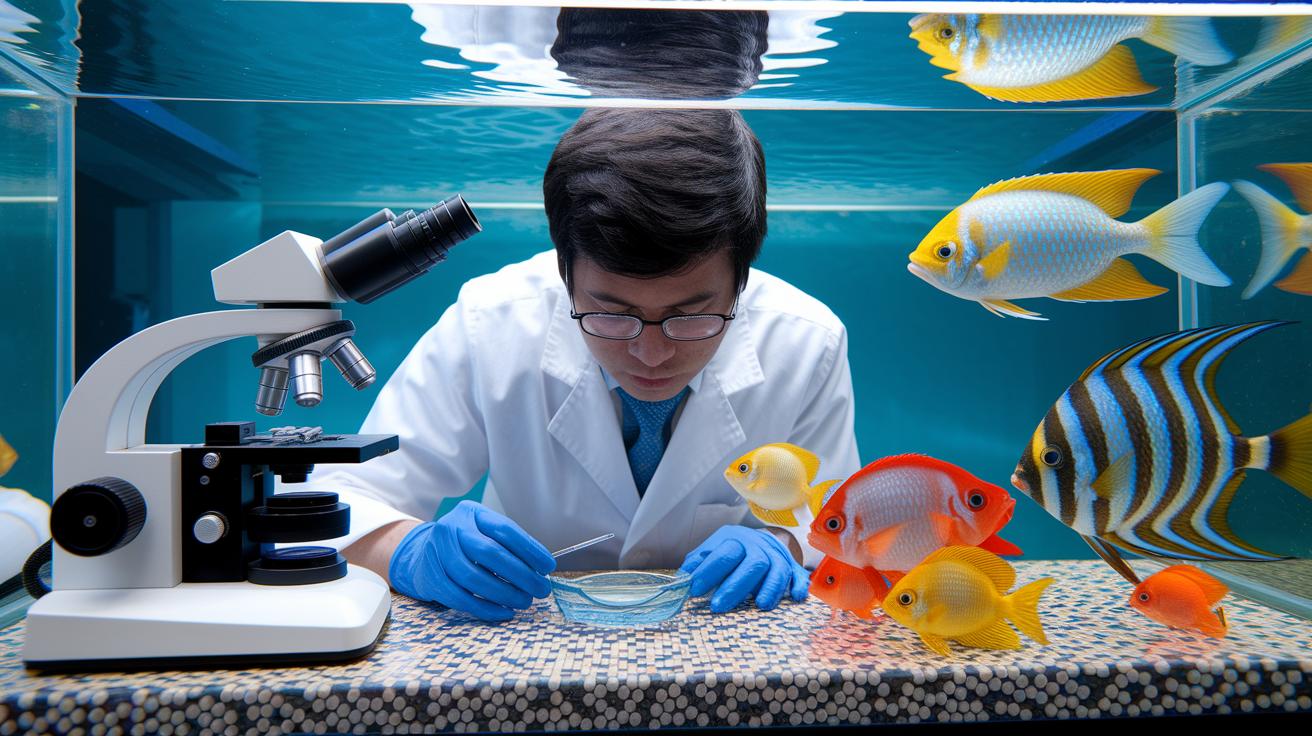
Our modern methods for studying the tiny life in your tank mix smart lab tools like qPCR (a quick way to copy DNA) and sequencing with classic culture techniques. These approaches give you a clear view of the little communities living in your aquarium. By checking water samples and slimy surfaces, you can watch how groups of helpful bacteria that naturally break down waste change over time. This knowledge helps you take the right steps to keep your water clean and your tank healthy.
Researchers in aquaculture have come up with natural probiotic treatments that blend helpful bacteria, yeasts, and fungi. These treatments work like a refreshing current, pushing out bad germs and restoring a protective layer of friendly microbes. Studies are showing promising results, especially for sensitive species like shrimp. It’s a new, nature-inspired way to ward off disease and keep your aquarium ecosystem strong.
Final Words
In the action, we explored how tiny microbes, from bacteria to fungi and protozoa, work together to transform waste, cycle nutrients, and keep your tank sparkling. We covered nitrifying bacteria’s three-step process, biofilm benefits, and practical care tips for a balanced setup. Every step helps make your aquatic habitat both beautiful and healthy. Embracing these essential microorganisms in aquarium ecosystems creates an environment where your fish can thrive, making each swim a delightful experience.
FAQ
Q: What are the microorganisms in freshwater aquariums and aquatic ecosystems?
A: Freshwater aquarium microorganisms include bacteria, fungi, and protozoa that break down waste, cycle nutrients, and stabilize water conditions to support healthy fish and plant life.
Q: What are beneficial bacteria in aquariums, and how do they function?
A: Beneficial bacteria, such as Nitrosomonas and Nitrobacter, help convert harmful ammonia into nitrate, effectively breaking down waste and keeping water chemistry safe for aquatic life.
Q: How can I grow beneficial bacteria naturally in my aquarium?
A: Growing beneficial bacteria naturally involves using live-bacteria supplements, preserving high-surface-area filter media, and avoiding chlorinated water to create a thriving environment for these helpful microbes.
Q: How do I identify freshwater microorganisms in my aquarium?
A: Freshwater microorganism identification is done by observing their shapes under a microscope, monitoring water clarity, and checking for biofilm development, which all point to a thriving microbial community in your tank.
Q: What is aquarium microfauna, and where can I get them?
A: Aquarium microfauna are tiny invertebrates and larval forms that help sustain biofilms and clear water; they can develop naturally in a balanced tank or be purchased through specialized retailers.