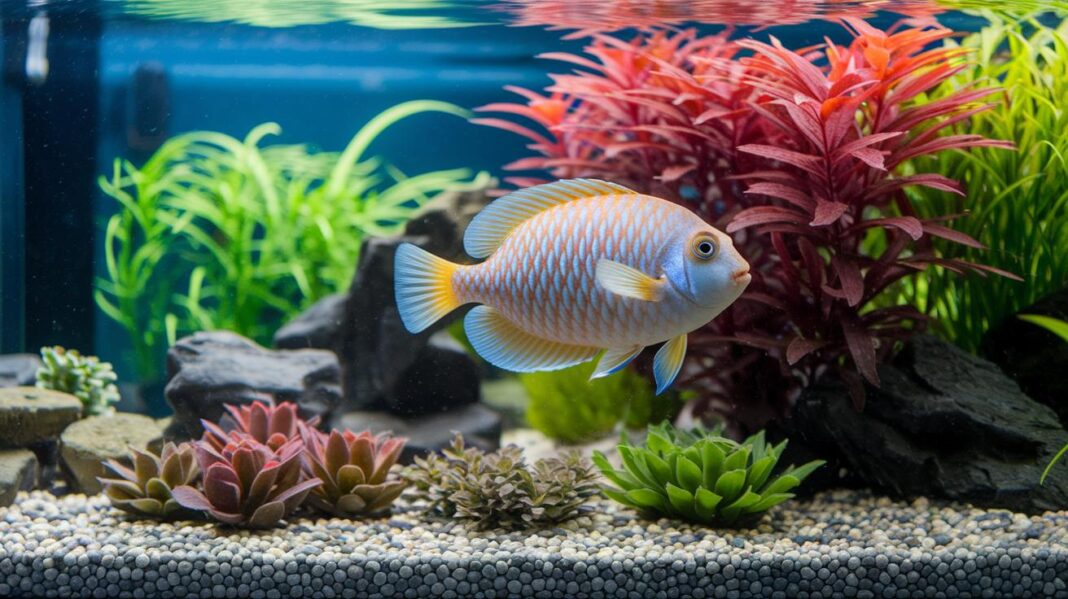

Have you ever thought a little fish might brighten up your tank? Freshwater puffer fish bring a special kind of energy that turns your aquarium into a lively, colorful home. Their spiky looks and funny puff-up defense may seem quirky at first, but they add a burst of charm to every tank.
In this chat, we're exploring what these fascinating fish need to flourish. Think of it like setting up a tiny underwater world where every ripple tells a story. You'll soon see how their unique traits can transform your aquarium care into a fresh and vibrant adventure.
Key Facts About Freshwater Puffer Fish
Freshwater puffer fish come in many sizes, so their homes need to fit them just right. Tiny dwarf puffers are happy in tanks as small as 3 gallons, while the bigger mbu types feel best in tanks of 125 gallons or even larger. They need water that is just right, a pH between 7.0 and 7.6 with temperatures around 74–78°F and absolutely no salt. It’s kind of amazing how these fish thrive best in clear, fast-flowing water, just like the crystal streams in nature. Ever notice how refreshing it is to watch clear water ripple over stones?
These smart and sometimes feisty creatures carry a neat little defense tool called tetrodotoxin. And when they feel threatened, they puff up like a balloon, almost like a surprise party under water! Their teeth don’t stop growing, so they need tough foods such as snails or shrimp to help keep those teeth in check. This means you’ll want to watch them closely and clean their tank a bit more often, just as you would carefully tend to a small, living ecosystem.
Creating a cozy and natural habitat really makes a difference in how these puffers feel. Try to set up your tank with plenty of hiding spots like little caves and grottos. A smooth substrate and a layout that mimics the gentle rush of a river will help lower their stress while they swim about. Think of it as designing a miniature riverscape right in your home, complete with secret nooks where your puffer fish can relax and unwind.
Freshwater Puffer Fish Species Profiles
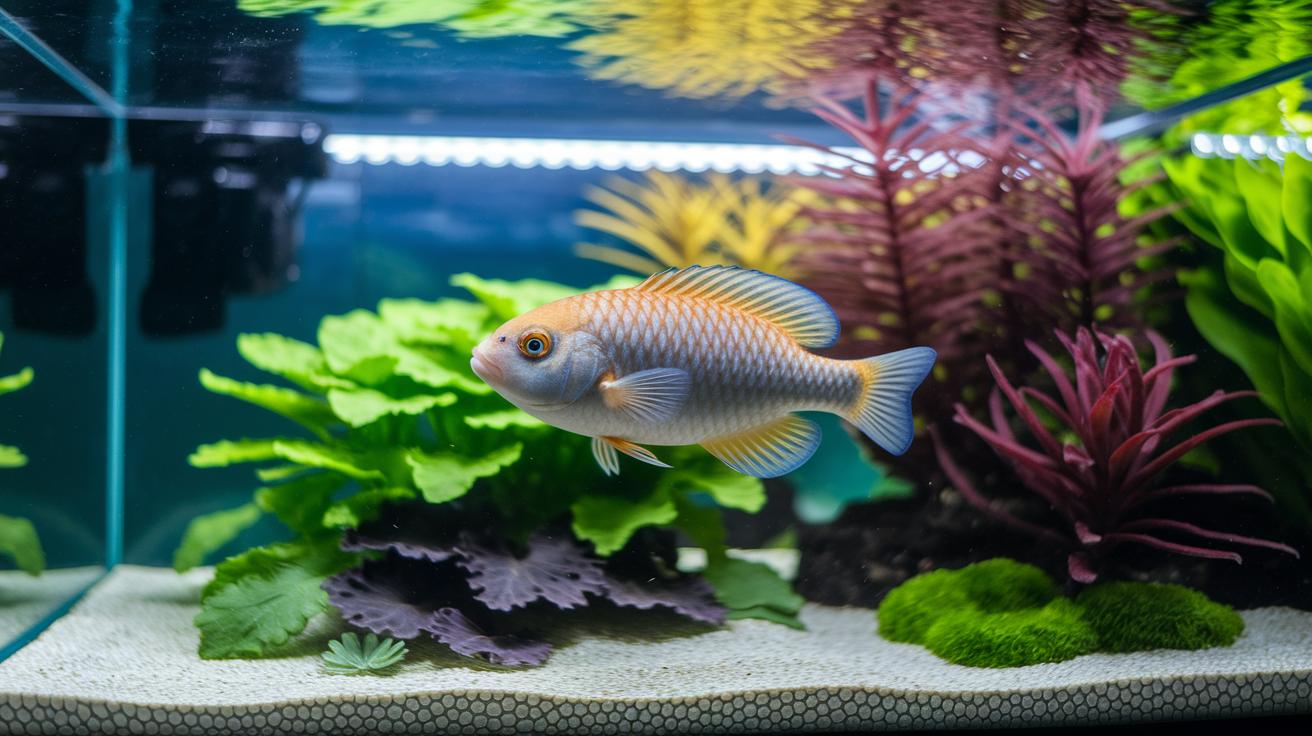
Freshwater puffers are little marvels found around the globe, each bringing its unique sparkle. They come from warm streams in SE Asia, winding rivers in India, and lush basins in South America and Africa. Their natural homes inspire aquarium setups filled with vibrant colors and eye-catching patterns.
| Species | Max Size | Origin | Tank Size | Care Level |
|---|---|---|---|---|
| Dwarf (Carinotetraodon travancoricus) | 1 in | SE Asia | 3–5 gal | Beginner |
| Striped Red-eye (C. salivator) | 2 in | India | 5–10 gal | Intermediate |
| Amazon (Colomesus asellus) | 3 in | South America | 10–15 gal | Intermediate |
| Spotted Congo (Tetraodon schoutedeni) | 4 in | Congo Basin | 20–30 gal | Intermediate |
| Avocado (Auriglobus modestus) | 3 in | SE Asia | 5–10 gal | Intermediate |
| Dragon (Pao palembangensis) | 8 in | Indonesia | 30–40 gal | Advanced |
| Hairy (Pao baileyi) | 5 in | Mekong River | 15–20 gal | Advanced |
| Cross River (Tetraodon pustulatus) | 15 in | Nigeria | 50 gal | Advanced |
| Fahaka (Tetraodon lineatus) | 14 in | Nile Basin | 40–50 gal | Advanced |
| Mbu (Tetraodon mbu) | 25 in | Central Africa | 125+ gal | Expert |
When picking a freshwater puffer, keep in mind the dazzling variety of colors and designs each brings. Some show off shiny metallic greens while others burst into life with bold spots or vivid stripes. Their bodies, from small and round to grand and humpbacked, add a touch of living art to your tank. So, think about your tank size and comfort with care when making your choice. Beginners might enjoy a tiny puffer that’s easy to care for, whereas a larger puffer can be a fun challenge for seasoned aquarists. Enjoy picking the perfect aquatic friend that fits both your style and care needs.
Setting Up a Freshwater Puffer Fish Aquarium
When it comes to getting your puffer fish off to a great start, picking the right tank size is really important. Each type of puffer needs a different amount of space. For example, a tiny dwarf puffer is happy in a 3–5 gallon tank, while a bigger species, like the Congo puffer, needs about 20–30 gallons. And if you’re thinking about an mbu puffer, plan for a tank that holds over 125 gallons. A tank that fits well gives your fish plenty of room to swim and helps keep the water nice and steady.
Here are some essentials for your new setup:
- Filter (choose one that circulates at least twice your tank’s volume every hour)
- Heater (set it so the water stays around 78°F)
- Substrate (go for smooth gravel or sand, which is gentle on your fish)
- Hiding décor (like caves or driftwood to give your fish a cozy retreat)
- Test kit (for checking pH, ammonia, and nitrites)
| Parameter | Ideal Range | Check Frequency |
|---|---|---|
| pH | 7.0–7.6 | Weekly |
| Temperature | 74–78 °F | Daily |
| Ammonia | 0 ppm | Weekly |
| Water Change | 10%/week | Weekly |
Try to shape your tank into a little mimic of a flowing river. Using smooth gravel, hardy plants like Anubias, and safe hideaways such as caves can create a warm, natural atmosphere your puffer fish will love. An air bubbler adds a gentle current, and a proper filter, whether canister or hang-on, keeps the water clean and vibrant. Daily checks of the temperature and regular weekly water changes make a big difference in keeping your fish healthy and active. Enjoy designing a space that feels as calm and inviting as a serene river, and watch your puffer fish light up your aquarium life.
Nutrition and Feeding for Freshwater Puffer Fish
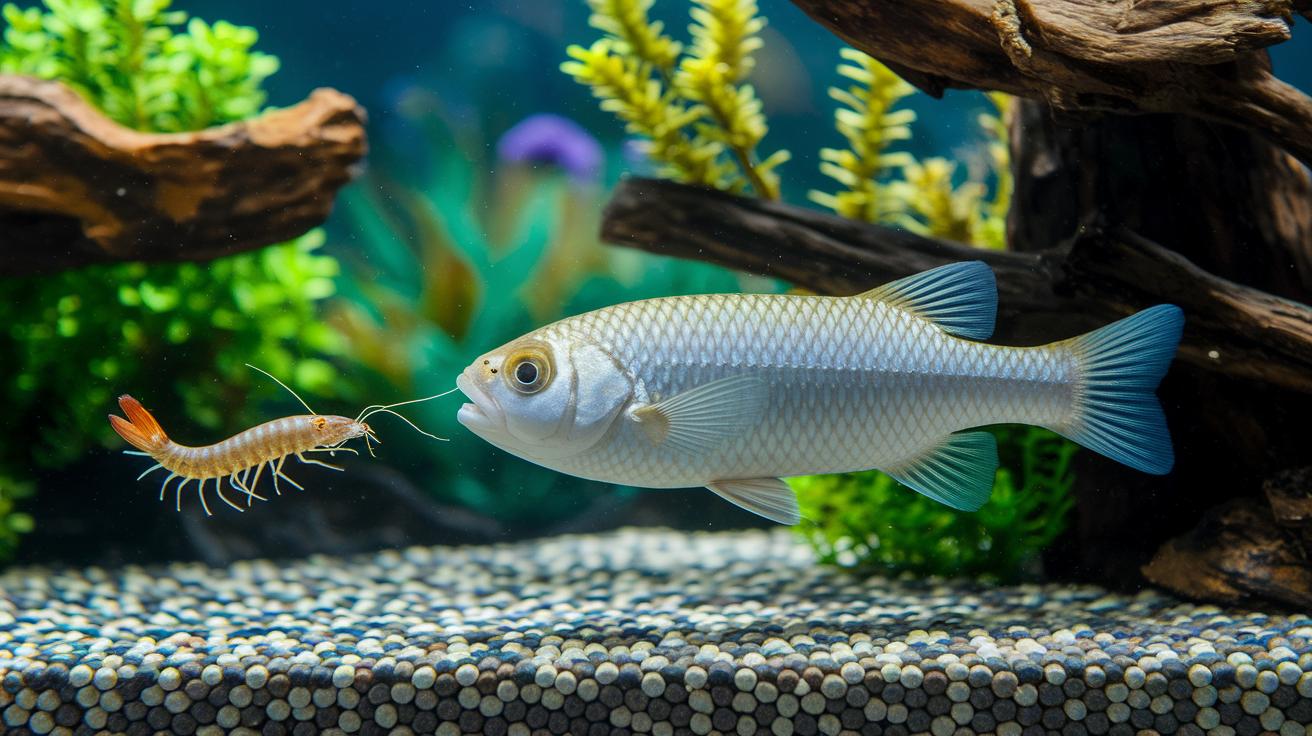
Freshwater puffers are real meat-eaters who need a diet packed with protein. They do best when given live or frozen treats like snails, shrimp, bloodworms, and blackworms. It’s a bit like watching nature play out in your tank, imagine a puffer excitedly chasing a lively shrimp, keeping it sharp and full of energy.
These fish have teeth that grow all the time, so they need hard-shelled food to keep them trimmed naturally. Every bite of a snail works like a mini toothbrush, wearing down those teeth as they munch. If you stick only to flakes or pellets, you miss out on that natural dental care, and their chompers might not get the workout they need.
Feed your puffer once a day and be sure to scoop out any leftovers within about 30 minutes so the water stays clean. Regular meal times help keep their energy steady, and quick cleanups mean a brighter, healthier tank. By mixing up live and frozen foods and keeping a tidy feeding routine, you give your puffer a little slice of its natural world, making life in your tank lively and full of healthy buzz.
Understanding Freshwater Puffer Fish Behavior and Aggression
Freshwater puffers are some of the most engaging fish around. They love to interact with you, making simple tasks like cleaning the tank feel fun and lively. Watching them explore can be like catching a glimpse of a clever friend enjoying a playful day.
When puffers feel scared, they have a neat trick up their fins. They puff up and may even show little spikes while using a strong toxin as a warning. It’s their friendly way of saying, "Hey, give me some space!"
These fish can be a bit feisty. They do best when they’re either with other puffers or on their own. Mixing them with other types of fish might lead to unwanted tussles, so choosing the right companions is key.
Pay close attention to their signals too. If you see a change in color, fins tucking in, or quick darts across the tank, it might mean they’re uneasy. Noticing these little signs helps you make simple changes to keep your aquatic friend safe and happy.
Breeding Freshwater Puffer Fish: Guidelines and Challenges
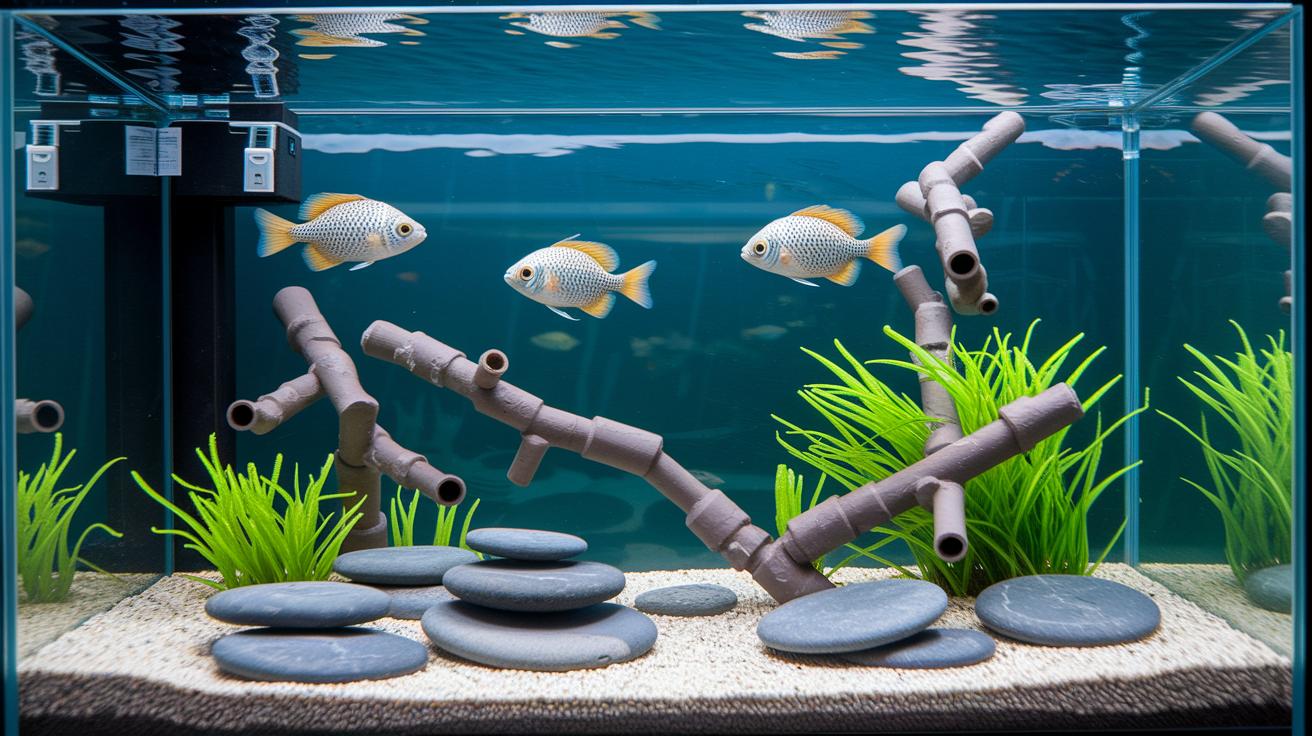
Getting started with breeding puffer fish is a bit like setting up a cozy, underwater home. Begin with a tank that’s at least 20 gallons so your puffers have plenty of space to perform their natural courtship dances. Keep the water a little cooler, around 72 to 75°F, and add extra safe spots using flat stones or PVC pipe pieces. These little hideaways help your fish feel at home and encourage them to spawn, just like in the wild.
Here’s a simple way to guide your breeding journey:
- Set up a special breeding tank of 20 gallons or more and use a gentle filter that won’t disturb the water too much.
- Adjust the temperature to about 72 to 75°F and sprinkle in extra covering spots.
- Introduce a healthy pair of puffer fish and let them mark their own territory.
- Keep an eye out for cozy signs of courtship like following closely or little dance-like displays.
- When the eggs appear, quickly remove the adults so they don’t snack on the eggs.
After the spawning, care for the tiny fry like you would for precious new life. Move the eggs into a smaller tank, around 2 to 5 gallons, for a safe, quiet start. Feed the baby puffers with very small food like infusoria until they’re big enough for baby brine shrimp. Regular checks and gentle water changes will keep your little swimmers healthy and ready to brighten up your aquarium.
Health Maintenance for Freshwater Puffer Fish
Keeping your puffer fish happy starts with checking your water. Every week, test for pH, ammonia, and nitrites. Think of it like your fish’s regular health check-up. These simple tests help catch problems early, keeping pesky issues like ich, fin rot, and swim bladder troubles at bay.
A clean tank makes all the difference. Change about 10% of the water weekly and give your tank a gentle vacuum to remove unseen debris. Rinse the filter media once a month using tank water, not tap water, to keep the good bacteria intact, the ones that help break down toxins. This routine acts like a little spa day for your fish, preventing many common diseases.
When adding new friends to your tank, quarantine them for 14 days. This break lets you see any signs of worry or hidden infections without putting your established tank at risk. It’s a small step that goes a long way to keep your aquatic community safe and well maintained.
Selecting and Purchasing Your Freshwater Puffer Fish
When you start your hunt for a freshwater puffer fish, expect a range of prices that can feel as varied as the colors of coral. Dwarf puffers might be as low as $10 to $20, the medium ones can run anywhere from $50 to $200, and the larger mbu often comes with a price tag above $200. Knowing how much you’re willing to spend helps you narrow down which fish will suit both your wallet and your tank’s setup.
Before you bring one home, take a good look at the fish. Check for bright, clear eyes, smooth skin like a pebble by the stream, and active, playful swimming. These little details tell you that the fish is healthy and ready to brighten your aquarium. If a fish seems slow or its colors look off, it might need extra attention before you decide to buy.
When it comes to shipping, choose sellers who care about the journey. Look for those that promise live arrival and use padded, insulated packaging. This extra care during shipping helps make sure your new friend arrives safely and in great shape, ready to settle into its new watery home.
Finally, trust matters when you pick a vendor. Take a moment to check out water-quality reports or any reviews that show the seller’s track record. Sticking with reputable online stores or breeders can make all the difference in bringing home a puffer fish that will thrive under your care.
Final Words
In the action we explored the essential tips for setting up a lively aquatic home. We covered everything from aquarium setup and water care to feeding routines and managing fish behavior.
We also shared simple advice on choosing the right species, caring for your freshwater puffer fish, and keeping your tank balanced with routine checks.
Enjoy the thrill of nurturing your tank, and may your underwater world bring you joy every time you step by.
FAQ
What does “freshwater puffer fish near me” or “for sale online” mean?
Searching for freshwater puffer fish near you means looking at local aquarium shops or online vendors that offer live‐arrival guarantees, giving you trusted options to purchase your fish.
What does the freshwater puffer fish price range indicate?
The price range tells you that dwarf puffers can be around $10–$20, mid-size species range from $50–$200, and larger types like the Mbu start above $200.
What does freshwater puffer fish size refer to?
Freshwater puffer fish range in size from about 1 inch for dwarf species to around 25 inches for species like the Mbu, influencing the tank size needed for proper care.
What does it mean when a freshwater puffer fish puffs up?
When a freshwater puffer fish puffs up, it usually shows a stress or defense response, which means you should check the tank’s conditions or tankmate interactions for potential issues.
What does freshwater puffer fish tank size mean?
Freshwater puffer fish tank size depends on the species; dwarf puffers do well in 3–5 gallon tanks, while larger ones like the Mbu need tanks over 125 gallons for sufficient space.
What does “are there any freshwater puffer fish” imply?
That question confirms freshwater puffer fish exist; there are many species including the dwarf, Congo, and Mbu, each offering its own unique look and care requirements.
What does it indicate if freshwater puffer fish are aggressive?
Freshwater puffer fish may show semi‐aggressive behavior, so they tend to do best when kept either alone or with similar species to avoid unwanted conflicts.
What does the care level for freshwater puffer fish suggest?
Their care involves maintaining strict water conditions, regular cleaning, and a diet to wear down their teeth, making them moderately challenging but fun to care for with proper habits.
What does “can you touch freshwater puffer fish” ask about?
This question means that you should avoid touching these fish because they have sensitive skin and may carry toxins, so it’s best to admire them from a safe distance.
What is Colomesus asellus?
Colomesus asellus, or the Amazon puffer, is a freshwater species from South America that grows to about 3 inches and needs care similar to other small puffer fish.
What defines a dwarf pufferfish?
Dwarf pufferfish are tiny, reaching about 1 inch, and they come from Southeast Asia, making them a favorite for smaller, beginner-friendly aquariums.
What makes Mbu pufferfish unique?
Mbu pufferfish are unique for their large size—around 25 inches—and require extra-large tanks with experienced care due to their more complex needs and semi-aggressive tendencies.
What is meant by Dichotomyc… nigroviridis in puffer fish topics?
Dichotomyc… nigroviridis appears to be a lesser-known freshwater puffer fish species, and its specific care requirements are usually best confirmed by experienced aquarists or trusted hobbyist forums.
What is the eyespot pufferfish known for?
The eyespot pufferfish is known for its distinct markings that mimic eyes, which help deter predators while adding an extra layer of charm to its overall appeal.
What defines a Congo pufferfish?
Congo pufferfish hail from the Congo Basin and are admired for their colorful appearance, thriving in tanks around 20–30 gallons, with proper upkeep being key for a healthy environment.