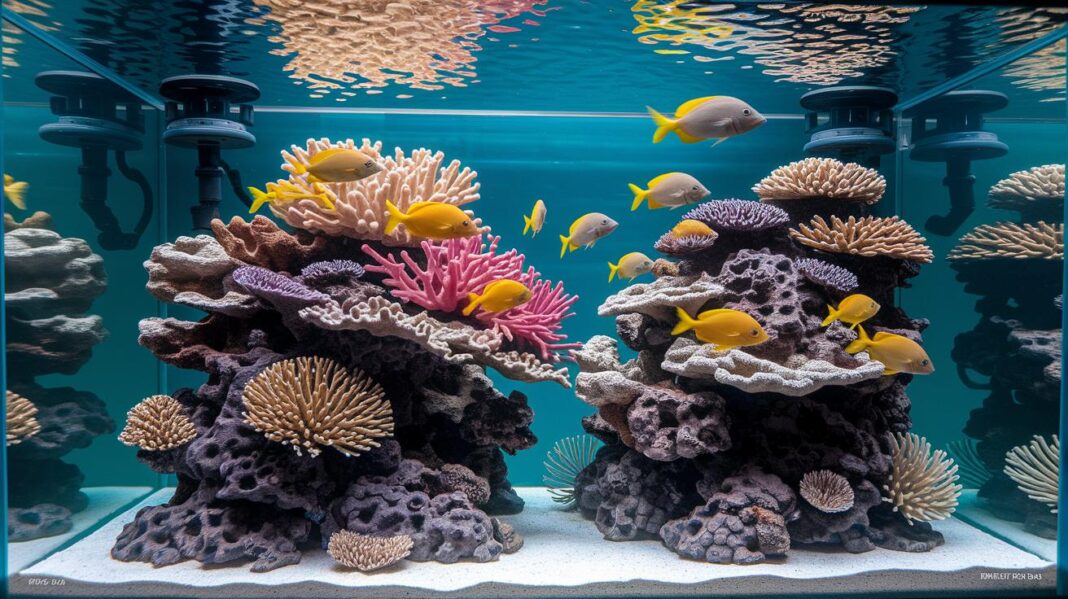

Ever wonder how far aquariums have come? In the early days, fish lovers set up simple tanks filled with water, gravel, and a few stones, like a tiny, makeshift pond.
Today, smart systems help keep the water just right, creating a balance that's almost like nature's own rhythm. Science and art now work side by side to nurture these mini underwater worlds.
This post takes you on a journey, showing how humble beginnings turned into the amazing tanks we enjoy today. It's a transformation that's both surprising and heartwarming, a true tale of care and creativity in every ripple and bubble.
Evolution of Aquarium Ecosystems: Overview from Past to Present
For about 150 years, fish lovers have dived into creating balanced, tiny underwater worlds. In the early days, hobbyists used plain water, a bit of gravel, and simple décor to explore the delicate dance between fish, aquatic plants, and little microorganisms. They quickly found out that keeping the water’s pH, hardness, and nitrogen levels steady was key, if these chemicals went off track even a little, it could lead to funky smells, droopy plants, or pesky algae blooms.
At first, setting up an aquarium meant experimenting with natural materials like stones and gravel that helped build early biofilms (those are the tiny layers of bacteria that break down waste). Believe it or not, some of the first aquariums were just basic glass bowls filled with natural substrates, mimicking a riverbank and paving the way for modern aquatic design. Over time, as science stepped in, better substrates were discovered that could support helpful bacteria to convert dangerous chemicals into safer ones. Back then, it was mostly about the physical setup, but now every detail, from water composition to décor, is thoughtfully planned out.
These days, advancements in technology and style have transformed how we care for our tanks. Modern aquariums use smart control systems to monitor temperature and chemical levels, making the whole process more reliable. This blend of care techniques not only wards off common tank problems but also makes these self-sustaining ecosystems a joy to admire. Looking back, the journey from basic setups to today’s sophisticated tanks shows a beautiful mix of science and art that keeps every aquarium sparkling with life.
Historical Origins of Enclosed Water Systems and Early Aquatic Gardens
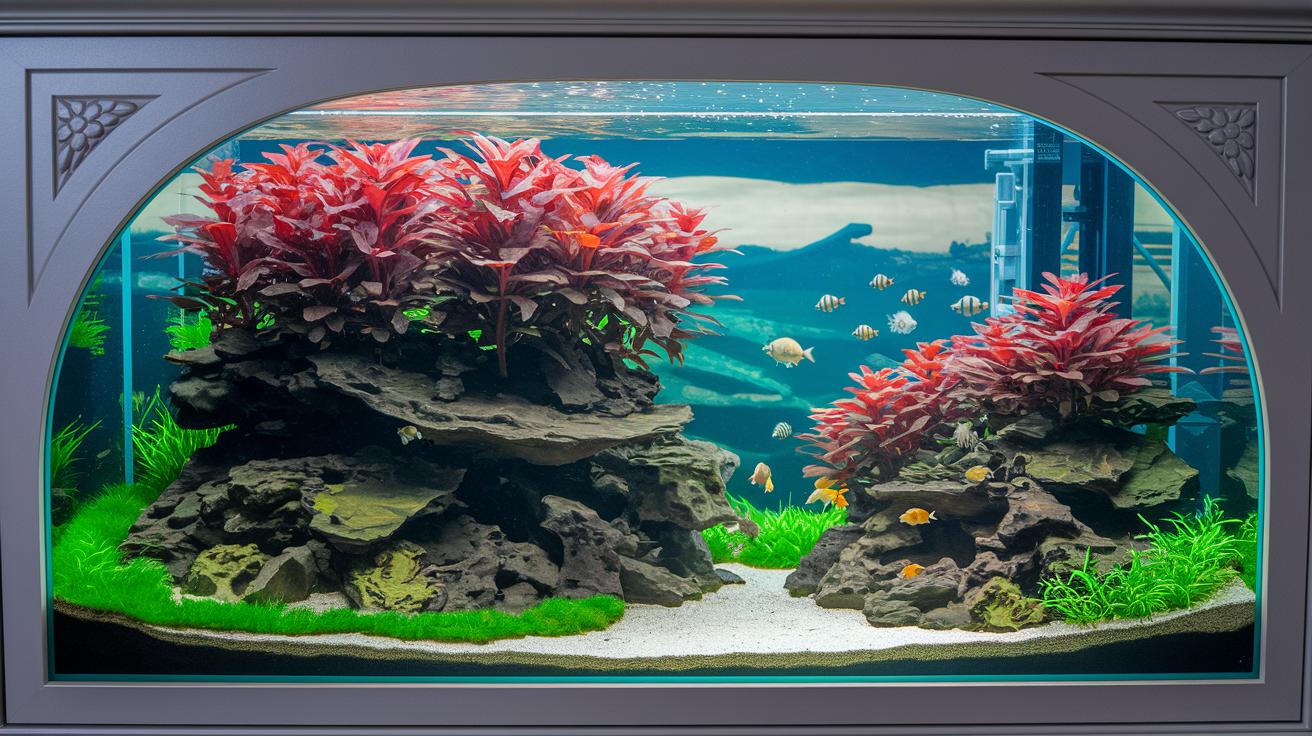
In mid-19th-century Europe, a spark of creativity turned simple water displays into little works of art. People used everyday items to build their setups, but they weren’t just creating practical spaces, they were crafting elegant, lively scenes. Imagine a cozy glass cabinet where every detail adds to a vibrant, natural picture.
These early enthusiasts didn’t just fill tanks; they built dynamic, bustling habitats. Their careful mix of natural balance and creativity laid the groundwork for modern techniques and designs. Today, the blend of science and art in every aquarium still echoes those early days.
This shift from basic setups to artful displays shows just how much past traditions inspire our current, beautifully simple aquatic worlds.
Milestones in Water Quality Management and Nitrogen Cycling
Water quality management and nitrogen cycling have seen amazing breakthroughs that changed how we care for our aquariums. In simple terms, the cycle lets helpful bacteria turn harmful fish waste into safer compounds over about 4 to 6 weeks.
Back in the early days, aquarists tried using plain materials to form biofilms. Now, we purposely choose things like medium gravel, quartz, or volcanic lava because these make cozy homes for the bacteria. It's like giving your fish a comfy nook where their tiny helpers can thrive, keeping ammonia, nitrites, and nitrates in check.
Keeping water quality pristine soon became an art. Many hobbyists began doing 25% water changes every two weeks to stop harmful substances from building up. They even started using tank water to clean filters, which protects those beneficial bacteria from the chlorine or chemicals in tap water. Advances like these have turned science into simple, everyday steps that every fish lover can follow.
Key innovations in water quality include:
- Porous ceramic rings that boost bacterial cleaning power
- Granular activated carbon that helps trap unwanted chemicals
- Standardized test kits for checking pH, ammonia, nitrite, and nitrate levels
- Dechlorinators and heavy-metal neutralizers to keep tap water safe
- Chemi-pure media designed to absorb organics and support healthy colonies
All these innovations have helped create a fine balance between fish, plants, and microorganisms. They make aquarium care simpler and more predictable, much like watching the gentle ebb and flow of a peaceful tide.
Technological Advancements in Filtration, Lighting, and Automation

Back in the 1950s, aquarium care was pretty straightforward. Fish lovers used simple sponge filters that caught the bigger bits of debris, but they didn’t work as smoothly as today’s gadgets.
By the 1970s, canister bio-filters took the stage. These filters boosted water quality by nurturing colonies of friendly bacteria. Basically, these bacteria turn harmful chemicals into safer ones, keeping your tank a more stable and happy place.
Then, in the early 2000s, programmable LED lighting made its debut. These lights do more than just shine, they create custom light setups that help plants thrive. Imagine soft beams that bring your aquascape to life, much like a natural waterfall sparkling in the sun.
Today, smart controllers add even more ease to aquarium maintenance. They continuously check the temperature, pH levels, and manage nutrient doses on the fly. This smart tech makes sure the aquarium stays balanced while you simply enjoy watching the scene, like a gentle current forming playful patterns.
Even cleaning has gotten a high-tech twist. Live cleaning teams, like Amano shrimp, now help keep your tank’s glass and substrate clear by working together with modern tech.
| Technology | Introduction Year | Main Benefit |
|---|---|---|
| Mechanical Sponge Filters | 1950s | Basic debris removal |
| Canister Bio-Filters | 1970s | Enhanced biological filtration |
| Programmable LED Lighting | 2000s | Customizable light spectra |
| Smart Aquarium Controllers | 2010s | Automated monitoring & dosing |
This journey from basic manual setups to high-tech, automated systems shows how science and nature work together beautifully. It’s like watching a quiet stream turn into a vibrant, flowing river that makes every day at the aquarium feel like a little piece of nature’s magic.
Evolution of Aquascaping and Design Advancements in Water Displays
Modern aquascaping has really come a long way from the days of just using plain gravel. Today, fish lovers use natural pieces like stems, bark, special substrate additives, stones, and even shells to bring a bit of nature right into their tanks. These treasures are carefully chosen to mimic wild places like the Rio Negro and Jaú River. Ever imagine stepping into a tiny jungle where every rock and branch tells its own unique story?
Now, aquariums are much more than simple setups. Hobbyists blend sturdy hardscape elements with living aquatic plants to create scenes that are both artistic and natural. Themes inspired by different parts of the world help recreate the soothing feel of rivers and streams, adding a little global charm to your tank.
It’s amazing how creative aquarists arrange rocks to form gentle slopes, much like a riverbed shaped over time. Live plants then add movement, making the display come alive. Each element has its own role, just like pieces in a lively natural ecosystem.
New aquascaping trends remind us that balance is key. A well-planned tank isn’t just beautiful; it also supports a healthy environment for its aquatic friends. Every natural element is chosen for how it looks and how well it works, and placing them is a bit like solving a puzzle, each piece needs to fit perfectly to complete the living masterpiece.
The shift from simple gravel-only tanks to full, biotope-inspired landscapes shows how art and science can swim together in harmony. Every choice, whether it’s the base layer or that perfect piece of decor, helps bring a splash of nature’s raw beauty right into your home.
Biodiversity, Species Adaptation, and Conservation in Modern Aquarium Ecosystems

Modern aquariums feel like tiny, lively worlds where every creature counts. Fish, plants, and even those tiny microbes work together just like a tight-knit underwater community. Tropical fish, for example, need water that stays warm and steady, so many fish keepers use heaters and simple controllers to make sure every finned friend stays comfy.
Fish lovers often watch their watery neighborhoods closely. When a tank gets crowded with fish that create a lot of waste, it's a bit like a busy street where everyone bumps into each other. This overcrowding can overwhelm the friendly bacteria that help clean the water. Keeping just the right number of fish means these helpful critters can work their magic and keep the water clear.
Another simple tip is to remove any uneaten food or dead critters right away. If you leave these leftovers too long, they start to break down and mess with the water balance, kind of like clutter piling up in your room. Getting rid of them early helps keep everything balanced and safe for all tank residents.
Today, many aquarium fans focus on conservation by recreating little natural habitats in their tanks. They set up mini riverbeds or stream banks that look and feel like the real thing. This not only gives the tank a natural look but also offers a safe place for rare species to breed, almost like a mini nature reserve right in your living room.
In truth, caring for a fish community is all about gentle temperature control, the right number of fish, and copying nature’s own design. With these caring touches, you create a peaceful, tiny ecosystem where life can happily flourish.
evolution of aquarium ecosystems over time: Stunning Advances
These days, folks are using cool new technology to keep small water worlds thriving. Imagine a tiny robot zipping around your tank, gently scouring the substrate, saving you time and keeping the sediment evenly spread out. There’s also smart gadgets that constantly check water conditions, letting you know the pH, temperature, and even nutrient levels as if you were reading the water’s mood.
Then, there are automated systems that add just the right amount of nutrients in real time. It’s like your aquarium is being cared for by its own little team of helpers. And if your fish ever feel under the weather, innovative hospital tanks step in to help without risking the rest of your aquatic family.
Modern setups now use eco-friendly materials and energy-saving designs. This means you can enjoy a beautiful tank while caring for our planet. These groundbreaking practices combine nature with technology, creating a sustainable environment that feels as gentle and natural as a soft ripple on a pond.
New features work together to mimic nature very closely. Integrated devices carefully monitor water conditions while robotic helpers take care of maintenance, reducing waste and the environmental impact. All these neat innovations not only make your aquarium easier to maintain, they also fill you with that sense of wonder you get when you watch light dance over the water.
Smart, green tanks are slowly transforming how fish lovers take care of their ecosystems. It’s exciting to think that with these advances, maintaining a lively and balanced aquarium feels as natural as sharing a quiet moment with an old friend by the water’s edge.
Final Words
In the action, this post traced the evolution of aquarium ecosystems over time, from early glass-walled bowls to today’s cutting-edge tech and artful aquascapes. It highlighted improvements in water quality and biological balance, smart equipment for care, and thoughtful design that creates a peaceful underwater space. The discussion also touched on how improved conservation and eco-friendly methods keep our tanks thriving. All these shifts serve as a gentle reminder that every step, big or small, helps our aquatic friends flourish in well-balanced, enchanting habitats.
FAQ
Q: What does the evolution of aquarium ecosystems over time illustrate?
A: The evolution of aquarium ecosystems over time illustrates the shift from simple glass bowls to balanced, high-tech mini-ecosystems. Fish, plants, and beneficial bacteria now thrive in tanks designed with modern water chemistry and smart technology.
Q: What are the historical origins of early aquatic gardens and enclosed water systems?
A: The historical origins of early aquatic gardens trace back to mid-19th century Europe. Early hobbyists used basic gravel and stones in glass cabinets to mimic natural riverbanks, laying the groundwork for balanced tank ecosystems.
Q: How did water quality management and nitrogen cycling transform aquarium care?
A: Water quality management and nitrogen cycling transformed aquarium care by introducing biological filtration and regular testing. Innovations in nitrification stabilization help maintain healthy water parameters, reducing odors, algae blooms, and fish loss.
Q: What are the key technological advancements in aquarium filtration, lighting, and automation?
A: Technological advancements in tanks include the progression from sponge filters to canister bio-filters, the advent of programmable LED lighting boosting plant growth, and smart controllers that automate monitoring and dosing for a streamlined setup.
Q: How has aquascaping and aquarium design evolved over time?
A: Aquascaping has evolved from basic gravel setups to intricate displays that mimic natural biotopes. Modern designs weave live plants with natural materials, creating artistic, nature-inspired environments that capture the beauty of wild aquatic scenes.
Q: How do modern aquarists support biodiversity and species adaptation in tanks?
A: Modern aquarists support biodiversity by carefully managing temperature, water chemistry, and stocking levels. They replicate regional biotopes to help species adapt while promoting healthy captive breeding and balanced aquatic communities.
Q: What future innovations are shaping sustainability in controlled aquatic biomes?
A: Future innovations include robotics for substrate cleaning, AI-driven monitoring of water parameters, and automated nutrient dosing. These eco-friendly solutions make tank care more efficient and reduce the environmental impact of aquarium maintenance.